

Have you ever wondered just how cold your house can get without heat? When the temperature drops, it’s natural to worry about the comfort and safety of your home.
Knowing how low the temperature can fall inside your walls can help you prepare better, avoid damage, and keep your family safe. You’ll discover the surprising facts about indoor cold temperatures, what factors affect them, and practical tips to protect your home when the heat is out.
Keep reading to learn how to stay one step ahead before the cold takes over.
Indoor Temperature Drops
When the heat goes off in your home, the indoor temperature can drop faster than you might expect. The rate at which your house cools depends on several factors that affect how quickly warmth escapes. Understanding these can help you prepare for colder periods and keep your living space comfortable for longer.
Factors Influencing Heat Loss
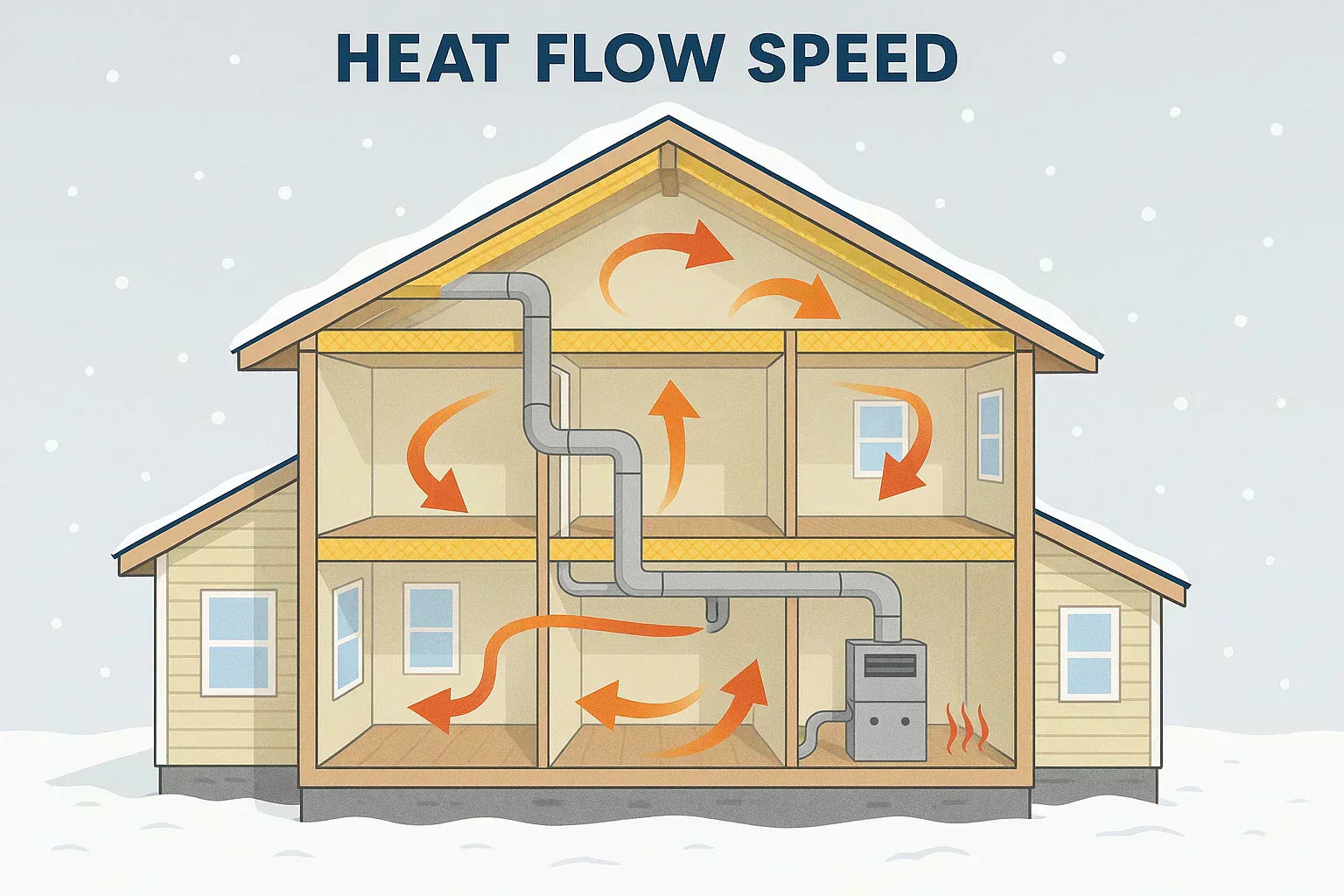
Heat loss happens through walls, roofs, windows, and floors. The bigger and more exposed your home, the faster it loses heat.
- Size and layout:Larger spaces take longer to cool but require more heat to stay warm.
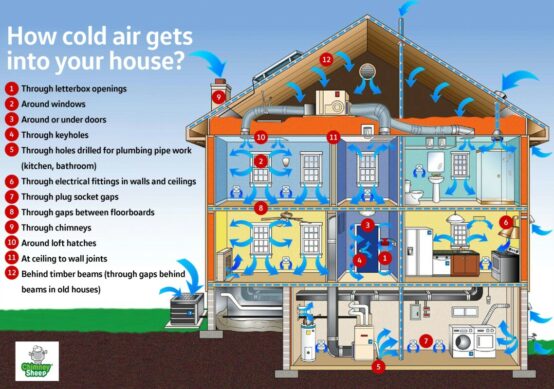
- Air leaks:Gaps around doors and windows let warm air out and cold air in.
- Building materials:Different materials hold heat differently; brick, wood, and concrete all behave uniquely.
Have you ever noticed how drafty corners of your home feel colder? That’s a clear sign of heat escaping and cold air sneaking in.
Role Of Insulation
Insulation acts like a barrier that slows heat from leaving your home. Without it, your house cools down very quickly once the heat is off.
Good insulation in walls, ceilings, and floors traps warm air inside. This means your indoor temperature drops much slower, giving you more time before it gets too cold.
Think about a time when you stayed in an older home with poor insulation. Did you notice how the warmth seemed to vanish soon after the heater stopped? That’s the impact of missing or low-quality insulation.
Impact Of Window Types
Windows are often the weakest point for heat retention. Single-pane windows let heat escape easily, while double or triple-pane windows do a better job at keeping cold air out.
- Single-pane windows:Poor at insulating and can cause rapid temperature drops.
- Double/triple-pane windows:Filled with gas or coated to reduce heat loss and drafts.
- Window frames:Materials like wood or vinyl insulate better than metal frames.
Do you know what type of windows your home has? Upgrading them could make a big difference in how cold your house gets without heat.
Credit: thefurnaceoutlet.com
Effects Of Cold On House Structure
Cold temperatures without heat can seriously affect a house’s structure. The materials in your home react to freezing conditions in different ways. Understanding these effects helps prevent costly repairs and keeps your home safe.
Pipe Freezing Risks
Pipes are very vulnerable in cold homes. Water inside pipes can freeze and expand. This expansion often causes pipes to crack or burst. Burst pipes lead to water leaks and major damage. Insulating pipes and keeping some water flow helps reduce risks.
Damage To Walls And Floors
Cold can cause walls and floors to crack or warp. Moisture trapped inside materials freezes and expands. This creates pressure that damages paint, drywall, and wood. Over time, repeated freezing and thawing weaken the structure. Proper insulation and moisture control protect these surfaces.
Condensation And Mold Growth
Without heat, indoor air cools and holds less moisture. This causes condensation on cold surfaces like walls and windows. Condensation creates damp spots that encourage mold growth. Mold damages building materials and harms air quality. Ventilation and moisture barriers help prevent this problem.
Human Comfort And Safety
Cold indoor temperatures affect both comfort and safety. Without heat, a house can become dangerously cold. Human bodies struggle to maintain warmth. This can lead to serious health problems. Understanding risks and prevention helps keep everyone safe.
Health Risks From Low Temperatures
Exposure to cold indoors can cause many health issues. The body loses heat faster than it can produce. This leads to chills, shivering, and fatigue. Prolonged cold can cause frostbite and hypothermia. Older adults and children face higher risks. Low temperatures also worsen heart and lung problems.
Preventing Hypothermia Indoors
Hypothermia happens when body temperature drops too low. It can be life-threatening if not treated quickly. To prevent it:
- Wear layers of warm clothing inside.
- Use blankets and sleeping bags.
- Close windows and doors to keep drafts out.
- Stay active to generate body heat.
- Drink warm fluids but avoid alcohol.
Keeping the body warm is key to avoiding hypothermia indoors.
Credit: www.greenbuildermedia.com
External Weather Influence
The temperature inside a house without heat depends heavily on outside weather. The colder and harsher the weather, the lower the indoor temperature will drop. External weather conditions shape how cold a home can get without any heating. Understanding these factors helps predict indoor temperatures during cold spells.
Temperature Variations By Region
Different regions have different outdoor temperatures in winter. Northern areas often experience much colder weather than southern ones. Houses in colder regions tend to get colder inside without heat. For example, a home in Alaska can fall below freezing quickly. In milder climates, the house stays warmer for longer. Regional weather patterns directly influence indoor cold levels.
Impact Of Wind And Humidity
Wind can make a house feel much colder by pushing cold air through gaps. Strong winds increase heat loss through walls and windows. Homes exposed to high winds cool down faster without heating. Humidity also plays a role. Dry air feels colder than moist air at the same temperature. Low humidity can make indoor temperatures feel chillier without heat running.
Maintaining Warmth Without Heat
Maintaining warmth without heat is vital during cold spells or power outages. Houses can quickly become chilly without a heat source. Simple actions can keep the indoor temperature comfortable. Focus on trapping existing warmth and limiting cold air entry. Small changes have a big impact on comfort and safety.
Alternative Heating Methods
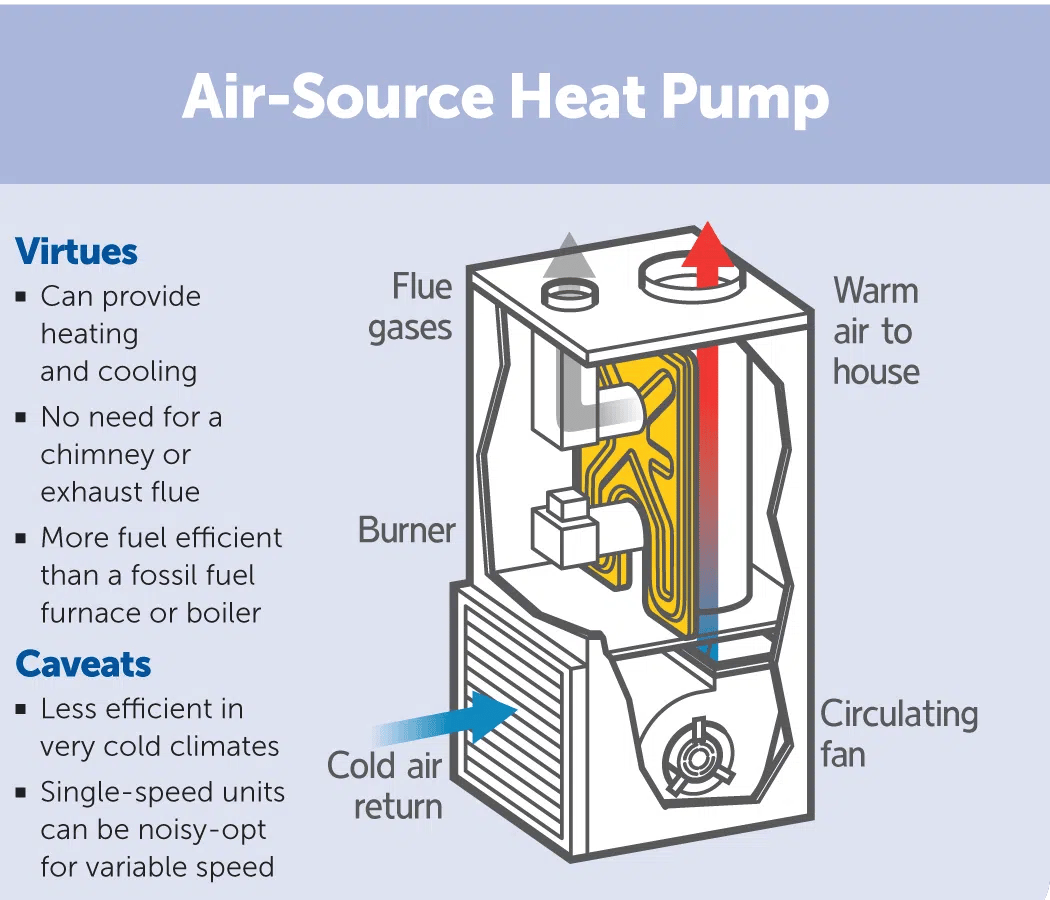
Use portable heaters like electric or propane models. They provide quick warmth in small areas. Wood stoves and fireplaces also offer effective heat. Burning candles in safe holders adds slight warmth. Dress in layers and use warm blankets to retain body heat.
Sealing Drafts And Air Leaks
Check windows and doors for drafts. Use weatherstripping or caulk to seal gaps. Cover cracks around pipes and vents with foam or tape. Install door sweeps to block cold air at the floor. These steps reduce heat loss and keep cold air out.
Using Thermal Curtains And Rugs
Hang thermal curtains to block cold windows. Close them at night and on cloudy days. Lay thick rugs on hardwood or tile floors. Rugs provide insulation and stop cold from rising. These items help keep heat inside the house longer.
Credit: radiantbarrier.com
Frequently Asked Questions
How Cold Can A House Get In Winter?
Without heat, a house can reach near outdoor temperatures. Insulation and weather conditions influence how quickly it cools. Poorly insulated homes can become dangerously cold during harsh winters, making it essential to maintain a minimum level of warmth to prevent damage and ensure safety.
Why Is Heating Important For A House?
Heating is crucial to maintain a comfortable indoor temperature. It prevents pipes from freezing and protects structural integrity. Consistent warmth ensures the health and safety of occupants, especially during colder months. Without it, indoor temperatures can drop significantly, risking health and property damage.
What Factors Affect Indoor Temperature Without Heat?
Insulation quality, outdoor temperature, and house design affect indoor temperature. Well-insulated homes retain heat longer, while drafts and poor sealing lead to rapid cooling. Geographic location and weather patterns also play significant roles in how cold a house can become without heating.
How Can I Keep My House Warm Without Heat?
Use heavy curtains, seal drafts, and layer clothing to stay warm. Closing doors to unused rooms helps retain heat. Utilizing natural sunlight during the day and insulating windows can significantly reduce heat loss. These methods can help maintain a bearable indoor temperature when heating is unavailable.
Conclusion
A house can get very cold without heat, sometimes below freezing. Cold can cause pipes to burst and damage walls. Keep windows and doors closed to keep warmth inside. Use blankets and warm clothes to stay comfortable. Check your home often during cold weather.
Taking small steps helps protect your house and health. Stay safe and warm this winter.