
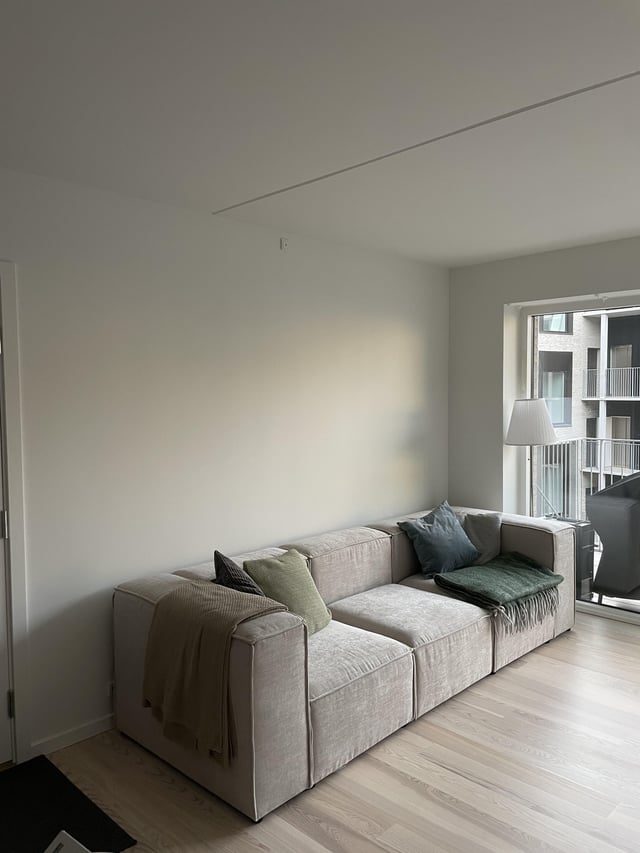
Is your living room feeling cramped and uncomfortable? You might have furniture that’s simply too big for the space.
When your couch or coffee table overwhelms the room, it can make your entire home feel off balance. But don’t worry—this doesn’t mean you have to start over or spend a fortune. You’ll discover simple, smart ways to fix the problem and make your living room a welcoming, stylish place you love to spend time in.
Keep reading, because your perfect living room setup is closer than you think.
Choosing The Right Scale
Choosing the right scale for your living room furniture is key to creating a space that feels balanced and comfortable. Oversized pieces can overwhelm your room, making it look cramped and less inviting. Focusing on scale helps you maintain harmony between your furniture and the available space, so every item fits just right.
Measuring Your Space Accurately
Before buying any furniture, take precise measurements of your living room. Use a tape measure to get the length, width, and height of the room, paying close attention to doorways and windows. Don’t forget to note any architectural features like radiators or built-in shelves that could affect placement.
Sketch a simple floor plan with these dimensions. This visual helps you understand how much room you have and prevents guesswork. Have you ever brought home a couch only to find it barely fits? Accurate measurements save you from that frustration.
Selecting Proportional Furniture
Choose furniture that matches the size of your room and fits your lifestyle. For small spaces, pick pieces with slim profiles and legs that lift the furniture off the floor, creating a sense of openness. Large rooms can handle bigger sofas and armchairs, but avoid chunky designs that dominate the space.
Think about the height, width, and depth of each piece relative to your room’s size. For example, a 90-inch sofa might be perfect in a 15×20-foot room but too large in a 10×12-foot space. How does your current furniture feel when you move around? If it blocks pathways or feels overwhelming, it might be time to rethink the scale.

Rearranging For Space
Rearranging furniture can create more space in a small living room. Large pieces often make a room feel cramped. Moving them around helps open up the area and improve flow. Thoughtful placement makes the room look balanced and inviting.
Maximizing Open Areas
Clear pathways allow easy movement through the room. Push bulky furniture closer to walls to free central space. Remove small items that clutter open zones. Use rugs to define seating areas without blocking walkways. Keep floors visible for a lighter feel.
Using Angled Placement
Placing furniture at an angle breaks the boxy look. Angled sofas or chairs create a cozy, dynamic space. This method helps fit large pieces without crowding. It also opens small corners for extra use. Try different angles to find the best fit.
Multi-functional Furniture Options
Choosing furniture that feels too big for your living room can be frustrating, but multi-functional furniture offers a smart way to balance size and utility. These pieces help you make the most of your space without sacrificing comfort or style. They adapt to your needs, allowing you to enjoy a spacious feel while keeping everything you need close at hand.
Convertible Sofas And Chairs
Convertible sofas and chairs are lifesavers in small or crowded living rooms. They serve as comfortable seating during the day and quickly transform into beds or loungers when guests arrive. Imagine having a cozy sofa that suddenly becomes a guest bed—this flexibility saves space and money.
Look for models that are easy to open and close. Some even come with hidden compartments for storing bedding or pillows, adding extra convenience. Have you ever struggled with finding a place for overnight guests? Convertible furniture could be the answer you’ve been searching for.
Storage-integrated Pieces
Furniture with built-in storage helps you keep your living room tidy without adding clutter. Ottomans, coffee tables, and benches with hidden compartments can store blankets, magazines, or toys. This way, you reduce the need for extra cabinets or shelves that take up precious floor space.
Choosing storage-integrated furniture also means fewer trips to other rooms for your essentials. It keeps everything within reach and makes daily living smoother. What small items in your living room could be tucked away right now to create a cleaner, more open space?
Creative Room Dividers
When your furniture feels too big for your living room, creative room dividers can help you manage space without sacrificing style. These dividers create distinct zones, making your room feel organized and cozy. They offer practical ways to balance large pieces with open areas, so your space doesn’t feel cramped.
Using Shelves As Partitions
Shelves make excellent room dividers because they serve dual purposes: separating areas and providing storage or display space. Imagine placing a tall bookshelf between your seating area and dining space. It breaks up the room visually while giving you a place to showcase books, plants, or art.
You can choose open shelves to maintain a sense of openness or closed cabinets to hide clutter. Adding baskets or boxes on the lower shelves keeps things tidy and adds texture. Have you tried using shelves this way? It’s a simple trick that keeps your living room functional and stylish.
Decorative Screens
Decorative screens offer a flexible and artistic way to divide your space. Unlike bulky furniture, screens are lightweight and easy to move, allowing you to change your room’s layout whenever you want. They come in various materials like wood, metal, and fabric, so you can pick one that matches your décor.
Think about a folding screen with a bold pattern or a design that lets light pass through. It adds personality and creates a private nook without closing off the room completely. Have you considered how a decorative screen could transform your space without the need for permanent walls?
Opting For Minimalist Decor
Choosing minimalist decor can be a smart move when your furniture feels too large for your living room. It helps balance the space, making it feel open and inviting rather than cramped and overwhelming. By focusing on simplicity, you can highlight your key pieces without overcrowding the room.
Reducing Visual Clutter
Visual clutter can make a small space feel even smaller. Limit the number of decorative items and keep surfaces clear. Instead of filling every corner, pick a few statement pieces that complement your large furniture without competing for attention.
Consider storage solutions that hide away everyday items. Closed cabinets or ottomans with hidden compartments keep the room tidy and calm. Have you noticed how a clutter-free space instantly feels more spacious and peaceful?
Choosing Light And Neutral Colors
Light and neutral colors can open up your living room and create a sense of airiness. Shades like soft whites, beiges, and light grays reflect natural light, making the room appear larger than it is. Even if your furniture is big, pairing it with these colors keeps the overall look balanced.
If you want to add personality, try subtle pops of color through pillows or small accessories instead of bold wall colors. This approach prevents the space from feeling heavy or closed in. What colors make your room feel most comfortable and spacious?

Outdoor Furniture Alternatives
Large furniture pieces can overwhelm a small living room. Outdoor furniture offers a great alternative. It brings comfort and style without crowding your indoor space. Outdoor options are often lighter and more flexible. They fit well in open or semi-open areas. These pieces create new spots to relax and enjoy fresh air. Consider various outdoor setups that suit your lifestyle and space.
Creating A Patio Lounge
A patio lounge turns your outdoor area into a cozy retreat. Choose weather-resistant sofas and chairs with soft cushions. Use a low table to hold drinks and snacks. Add an outdoor rug for warmth and style. Shade structures like umbrellas or pergolas make the space usable all day. String lights or lanterns enhance evening mood. Keep the layout open to avoid crowding. This setup extends living space beyond walls.
Using Balcony Space
Balconies can become charming small seating areas. Opt for compact furniture like folding chairs or a small bench. Use vertical planters or shelves to save floor space. Cushions and throws add comfort and color. A small table fits meals or coffee breaks. Rail-mounted tables free up floor area. This setup maximizes limited space and invites fresh air indoors. Enjoy a peaceful spot without sacrificing room inside.
Custom Furniture Solutions
Finding furniture that fits perfectly in your living room can be a challenge, especially when standard sizes feel overwhelming. Custom furniture solutions offer a way to design pieces that suit your space exactly, making your room feel balanced and comfortable. These options help you avoid the frustration of furniture that’s too big or awkwardly shaped for your living area.
Tailored Pieces For Small Spaces
Custom furniture lets you design pieces specifically for your room’s dimensions. You can choose the height, width, and depth to ensure everything fits without crowding the space.
Imagine having a sofa that fits perfectly along your wall, leaving enough room for walking and other furniture. Or a coffee table that provides enough surface without blocking pathways.
Custom storage solutions are also a game-changer. Think about built-in shelves that use vertical space efficiently or ottomans with hidden compartments to reduce clutter.
Hiring Professional Designers
Working with a professional designer can turn your ideas into reality while making sure every inch of your living room works for you. They understand space planning and can recommend furniture layouts that maximize comfort and style.
A designer can also guide you through material choices and finishes that complement your room’s look and feel. This personalized approach saves you time and reduces costly mistakes.
Have you ever struggled with a piece of furniture that just didn’t work in your space? A designer helps prevent this by visualizing the end result before anything is built or bought.

Temporary Furniture Swaps
Temporary furniture swaps offer a clever way to manage pieces that feel too large for your living room without committing to permanent changes. By adjusting what you bring in and out of your space, you can keep your room feeling comfortable and functional. These swaps can help you test different styles and sizes before deciding on what truly works for your home.
Renting Instead Of Buying
Renting furniture lets you avoid bulky pieces taking over your living room long-term. It’s a flexible option that suits short-term needs like events or seasonal changes. Plus, renting allows you to try various styles and sizes without the hassle of resale or storage.
Imagine needing a larger sofa for family visits but not wanting it cluttering your space the rest of the year. Renting solves that by offering temporary comfort without permanent commitment. Have you ever wished you could swap your oversized chair for something smaller during busy months?
Seasonal Furniture Rotation
Rotating furniture based on seasons keeps your living room feeling fresh and balanced. You might swap bulky winter chairs for lighter seating in summer to open up space. This approach also helps you maintain a cozier vibe without overcrowding.
Think about moving a large armchair to a guest room during warmer months or switching out a heavy coffee table for a sleek ottoman. These small changes can drastically improve your room’s flow and usability. What pieces in your living room could benefit from a seasonal break?
Frequently Asked Questions
How To Choose Furniture That Fits A Small Living Room?
Measure your living room before buying furniture. Opt for compact, multi-functional pieces. Avoid bulky designs that overwhelm the space. Choose light colors and slim profiles for a balanced look.
What Are Signs Furniture Is Too Big For My Living Room?
If furniture limits movement, blocks doorways, or crowds the space, it’s too big. Overlapping pieces and lack of open space also indicate oversized furniture.
Can Oversized Furniture Be Rearranged To Fit Better?
Yes, rearranging can help. Place large pieces against walls and leave clear pathways. Use smaller furniture to balance the room and create a more spacious feel.
How To Make A Room Look Bigger With Large Furniture?
Use mirrors and light colors to reflect light. Keep accessories minimal and choose furniture with exposed legs. Arrange pieces to allow easy movement and visual flow.
Conclusion
Choosing furniture that fits your living room well makes a big difference. Oversized pieces can make your space feel cramped and uncomfortable. Opt for smaller, lighter furniture to keep the room open and bright. Think about how you move around and use the space daily.
A balanced room feels welcoming and easy to live in. Small changes can improve comfort and style without crowding your home. Keep your living room cozy and functional by picking the right size furniture. Simple steps bring big comfort and a better look.