
Struggling to make the most of your small living room? You’re not alone.
Finding the right furniture setup can feel like a puzzle, especially when every inch counts. But what if you could create a space that feels open, cozy, and stylish—all at once? This guide will show you simple, smart ways to arrange your furniture so your small living room works perfectly for you.
Keep reading, and discover how easy it is to transform your space into a comfortable haven you’ll love.
Choosing Compact Furniture
Choosing compact furniture is essential for small living rooms. It helps save space and keeps the area open and airy. The right pieces can make a room feel larger and more comfortable. Focus on items that serve more than one purpose and fit the room’s scale. This approach maximizes functionality without crowding the space.
Multi-functional Pieces
Multi-functional furniture offers more than one use. A sofa bed provides seating and a sleeping area. Folding tables can be used for dining or work. These pieces reduce the need for extra furniture. They keep the room uncluttered and practical.
Lightweight And Movable Items
Lightweight furniture is easy to move and rearrange. Chairs and tables with wheels or handles work well. They allow quick changes to the layout. This flexibility helps adapt the space for different activities. It also makes cleaning easier.
Furniture With Storage
Furniture with built-in storage helps keep small rooms tidy. Ottomans with hidden compartments store blankets or magazines. Beds with drawers underneath hold clothes or shoes. Storage furniture reduces clutter and frees up floor space. It keeps essentials within reach without adding bulk.
Optimizing Layout
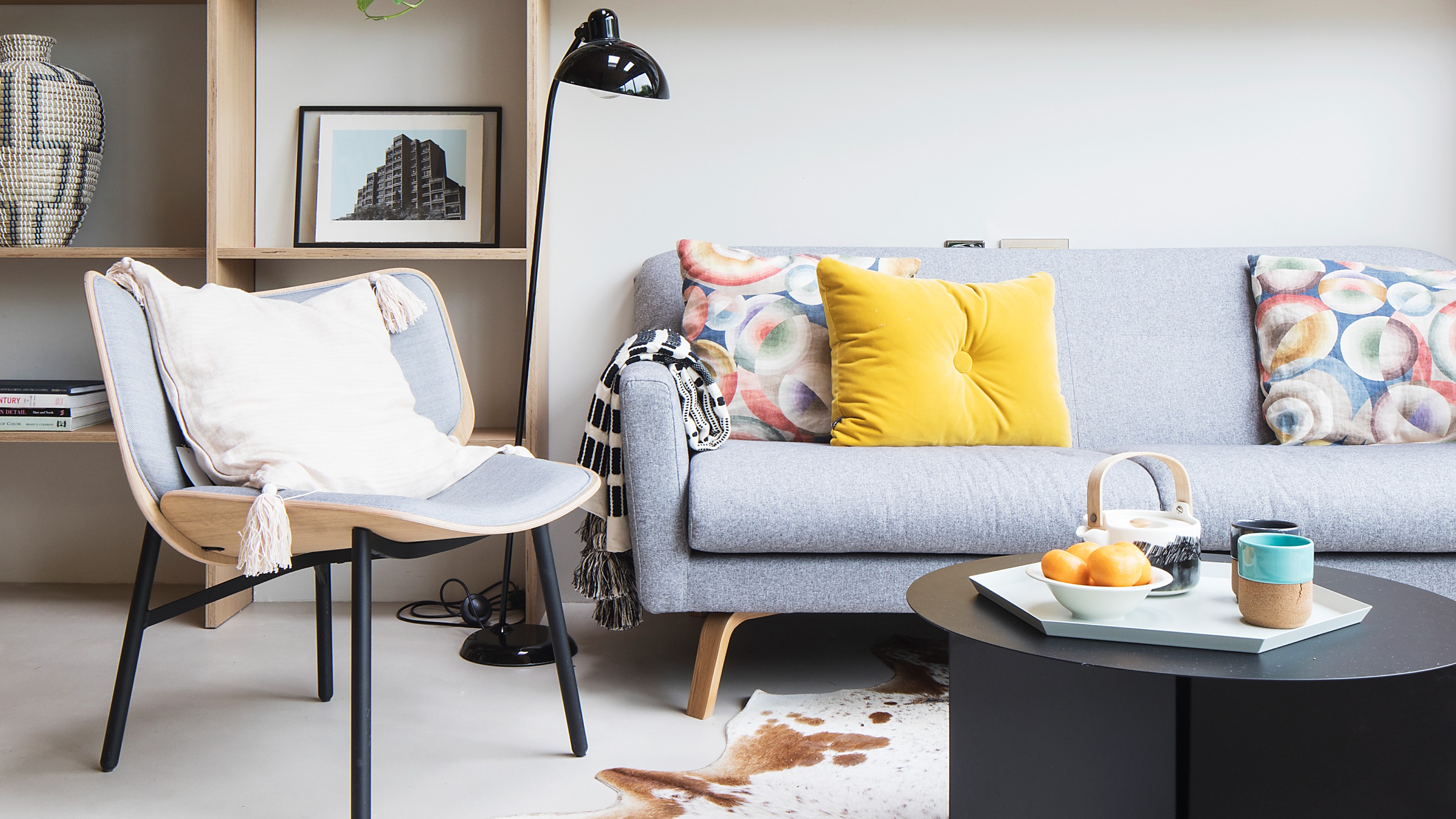
Optimizing the layout in a small living room helps maximize space and comfort. It creates a balanced look that feels open and inviting. Thoughtful arrangement of furniture can make the room appear larger. Smart layout choices improve how you use the space every day.
Zoning Different Areas
Zoning divides the room into separate sections for various activities. It helps organize the space without adding walls. Use rugs, furniture placement, or lighting to mark zones. For example, create a seating area and a reading nook. This makes the room feel purposeful and neat.
Using Corners Effectively
Corners are often wasted in small rooms. Place small chairs, plants, or shelves there. Corner sofas or desks can save floor space. Use corner storage units to keep clutter away. This approach opens up the center of the room for movement.
Flow And Accessibility
Arrange furniture to allow easy movement around the room. Avoid blocking doorways or windows. Keep pathways clear and wide enough for walking. Choose pieces that fit well without crowding. Good flow makes the room feel comfortable and functional.
Color And Material Tips
Choosing the right colors and materials can transform a small living room. They influence how spacious and cozy the room feels. The right choices brighten the space and add personality without crowding it. Here are some tips to help select colors and materials that open up your living room and make it inviting.
Light Colors To Expand Space
Light colors make a room feel larger and airier. Whites, creams, soft grays, and pastels reflect more light. This reflection creates an illusion of open space. Use light shades on walls, furniture, and rugs. Avoid dark colors, which can shrink the room visually.
- Choose pale paint colors for walls.
- Select light-colored sofas and chairs.
- Use light curtains or blinds to allow natural light.
Reflective Surfaces
Reflective materials bounce light around the room. Mirrors, glass, and shiny metals add brightness. These surfaces create depth and reduce the feeling of confinement. Place mirrors opposite windows to maximize light reflection. Glass-topped tables and metal lamp bases also help open up the space.
- Hang a large mirror on one wall.
- Use glass coffee tables or side tables.
- Incorporate metallic accents in décor.
Mixing Textures For Depth
Different textures add richness and interest. Mixing smooth, soft, and rough textures creates depth. This prevents a small room from feeling flat or boring. Combine materials like cotton cushions, wool throws, and wooden furniture. Textured rugs and curtains also add warmth and comfort.
- Layer soft cushions on a smooth sofa.
- Use a woven rug with a wooden floor.
- Add textured fabrics for curtains or throws.
Smart Storage Solutions
Smart storage solutions can transform your small living room into a neat and inviting space. They help you keep clutter out of sight without sacrificing style or comfort. By using clever storage ideas, you make every inch count and create a room that feels larger and more organized.
Under Furniture Storage
Look under your furniture for hidden storage opportunities. Sofas and beds with built-in drawers can hold blankets, books, or toys. You might also use low-profile storage boxes or baskets that slide easily under pieces.
This approach keeps your essentials close but out of view, freeing up floor space and making your room feel less crowded. Have you checked how much unused space is hiding under your couch right now?
Wall-mounted Shelves
Wall-mounted shelves add storage without taking up any floor space. They are perfect for displaying books, plants, or decorative items while keeping surfaces clear. Floating shelves create a clean look and make your walls work for you.
Consider shelves with multiple tiers or built-in hooks to hold keys or small bags. What items could you lift off your tables and put on the walls today?
Hidden Compartments
Hidden compartments are a brilliant way to keep clutter out of sight. Ottomans with storage inside, coffee tables with lift-up tops, or benches with secret space can store everyday items neatly. These pieces serve dual purposes, saving space and adding functionality.
Try looking for furniture that does double duty—do you have a spot that could hide your remote controls or magazines in plain sight?
Maximizing Vertical Space
Maximizing vertical space is a smart way to make your small living room feel larger and more organized. Instead of spreading furniture and storage across the floor, think upward. This approach frees up valuable floor area and adds a sense of openness to your room.
Tall Bookcases
Tall bookcases are perfect for using vertical space efficiently. They provide ample storage without taking up much floor space. You can stack books, display decor, and even store baskets filled with small items.
Choose slim, tall units that fit snugly against your walls. I’ve found that placing a tall bookcase in a narrow corner can turn an awkward space into a functional storage area. Plus, it draws the eye upward, making the room feel taller.
Hanging Organizers
Hanging organizers are a versatile solution for small living rooms. Use wall-mounted shelves or hooks to keep essentials off surfaces and floors. This method reduces clutter and keeps your space tidy.
Consider hanging organizers near your seating area for magazines, remotes, or blankets. This keeps items within reach but out of the way. Have you tried hanging a pegboard for your keys and small tools? It’s a game-changer for keeping things organized vertically.
Vertical Art And Decor
Vertical art and decor draw attention upward and add personality without crowding your living room. Tall mirrors, elongated paintings, or stacked wall shelves create visual interest along your walls.
Try grouping several small pieces in a vertical arrangement to fill narrow wall spaces. This approach makes the room feel taller and more dynamic. What kind of wall art encourages you to look up and appreciate your space more?

Lighting Strategies
Lighting plays a key role in making a small living room feel open and welcoming. Good lighting can brighten the space and highlight the best features of your furniture setup. It balances the room’s look and helps create a cozy atmosphere.
Natural Light Enhancement
Use natural light to make your living room appear larger and brighter. Keep windows clear of heavy curtains or dark blinds. Choose light, sheer curtains that let sunlight filter in gently. Place mirrors opposite windows to reflect light deeper into the room. Position furniture so it does not block windows or light paths.
Layered Lighting
Combine different light sources to create a warm and flexible environment. Use ceiling lights for general illumination. Add table lamps or floor lamps near seating for reading and relaxing. Wall sconces add soft, indirect light without taking floor space. Adjust lighting levels with dimmers to fit different moods and times of day.
Space-saving Fixtures
Choose lighting that does not crowd the room. Wall-mounted lamps free up floor and table space. Pendant lights or chandeliers hang from the ceiling, avoiding surface clutter. Slim LED strips under shelves or cabinets add subtle light without bulk. Select fixtures with simple designs to keep the room feeling open and airy.
Personalizing Without Clutter
Personalizing a small living room can be tricky. The goal is to add character without overcrowding the space. Clear surfaces and open areas keep the room feeling light and inviting. Thoughtful choices in decor make the space uniquely yours while maintaining simplicity.
Choosing the right items helps express personality without mess. Every piece should have a purpose or bring joy. This balance creates a cozy, stylish room that feels open and calm.
Minimalist Decor Choices
Select a few key pieces that show your style. Avoid too many decorations that crowd the room. Use simple shapes and neutral colors to keep the space calm.
- Choose one or two statement items, like a unique lamp or art piece.
- Stick to a limited color palette to avoid visual clutter.
- Opt for furniture with clean lines and smooth surfaces.
Functional Accessories
Pick accessories that serve more than one purpose. Use storage ottomans, wall shelves, or decorative baskets. These keep the room neat and add personal touches at once.
- Use trays to organize small items on tables.
- Choose mirrors that brighten the room and add style.
- Incorporate plants in simple pots to bring life without clutter.
Creating Visual Interest
Use texture and contrast to add depth without clutter. Mix soft fabrics with smooth surfaces. Play with light and shadow for dynamic effects.
- Add throw pillows in different fabrics but matching tones.
- Use rugs with subtle patterns to define areas.
- Display a few favorite books or objects on open shelves.
Frequently Asked Questions
What Furniture Works Best For Small Living Rooms?
Compact, multi-functional furniture like foldable sofas and nesting tables work best. Choose pieces with storage to maximize space. Avoid bulky items to keep the room open and airy. Light-colored furniture enhances the perception of space.
How To Arrange Furniture In A Small Living Room?
Arrange furniture to maximize floor space and flow. Place larger pieces against walls. Use rugs to define seating areas. Keep pathways clear for easy movement. Consider floating furniture away from walls to create depth.
Which Colors Suit Small Living Room Furniture?
Light, neutral colors like beige, white, and soft gray suit small rooms well. These colors reflect light and make spaces feel larger. Use pops of color in accessories to add personality without overwhelming the room.
How To Add Storage In Small Living Rooms?
Use furniture with built-in storage like ottomans or coffee tables. Vertical shelves utilize wall space efficiently. Baskets and bins keep clutter hidden. Use under-sofa storage for rarely used items. Keeping things organized creates a spacious feel.
Conclusion
Small living rooms need smart furniture choices. Choose pieces that fit well and save space. Use vertical storage to keep floors clear. Light colors can make the room feel bigger. Keep the layout open to allow easy movement. Add mirrors to create depth and light.
Personal touches make your space feel like home. With these tips, your small room can feel cozy and bright.