
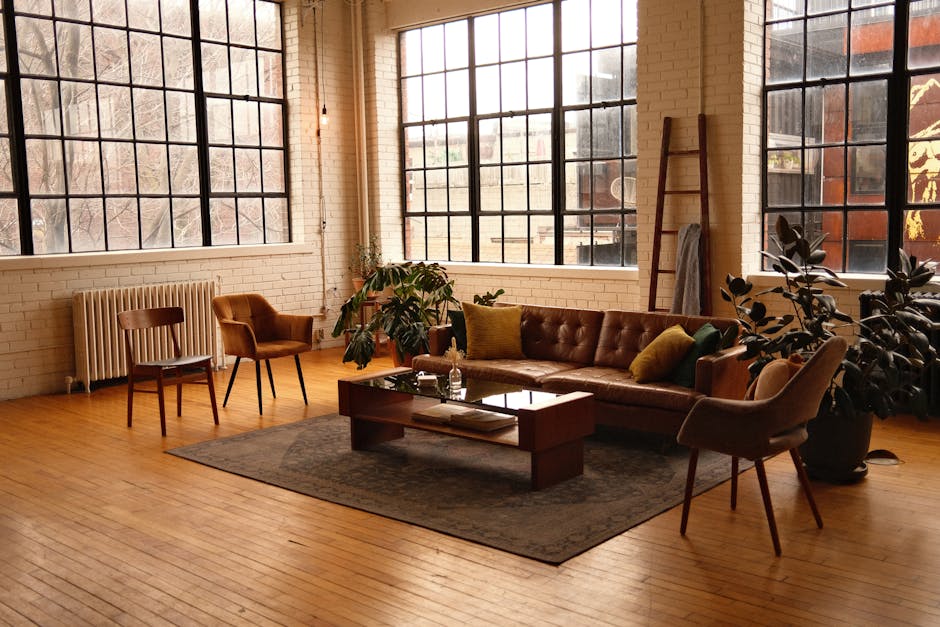
Your large living room holds so much promise—but without the right furniture placement, it can feel empty or chaotic. Imagine walking into your space and instantly feeling calm, comfortable, and inspired.
That’s exactly what smart furniture arrangement can do for you. You’ll discover simple yet powerful tips to transform your big living room into a cozy, inviting haven where every piece has a purpose. Ready to unlock the full potential of your space?
Let’s dive in.

Assessing The Space
Assessing your large living room before placing furniture is crucial. This process helps you understand the room’s true potential and avoid common mistakes like overcrowding or leaving awkward empty spaces. Taking the time to evaluate the area sets a solid foundation for a comfortable and stylish arrangement.
Measuring Room Dimensions
Start by measuring the length, width, and height of your living room. Write down these numbers—accurate dimensions guide your furniture choices and layout decisions. Don’t forget to include window placements, door swings, and any built-in features like shelves or fireplaces.
Have you ever bought a sofa only to find it doesn’t fit well? Measuring first saves you from that hassle. Use a tape measure and note every detail; even small differences can impact your setup.
Identifying Focal Points
Look for natural focal points that draw attention, such as a fireplace, large window, or entertainment center. These spots often become the anchor for your furniture arrangement. Placing your seating or main pieces around these areas creates a balanced and inviting atmosphere.
Think about what you want to highlight in the room. Is it a stunning view outside the window or a piece of art on the wall? Knowing this helps you decide where to direct people’s focus.
Considering Traffic Flow
Plan how people will move through your living room. You want clear, unobstructed paths between doors, seating areas, and other key points. Avoid placing furniture in ways that force awkward detours or tight squeezes.
Imagine hosting a gathering—does the layout encourage easy mingling, or do guests have to navigate around bulky furniture? Testing walkways before finalizing placement ensures your space feels open and accessible.
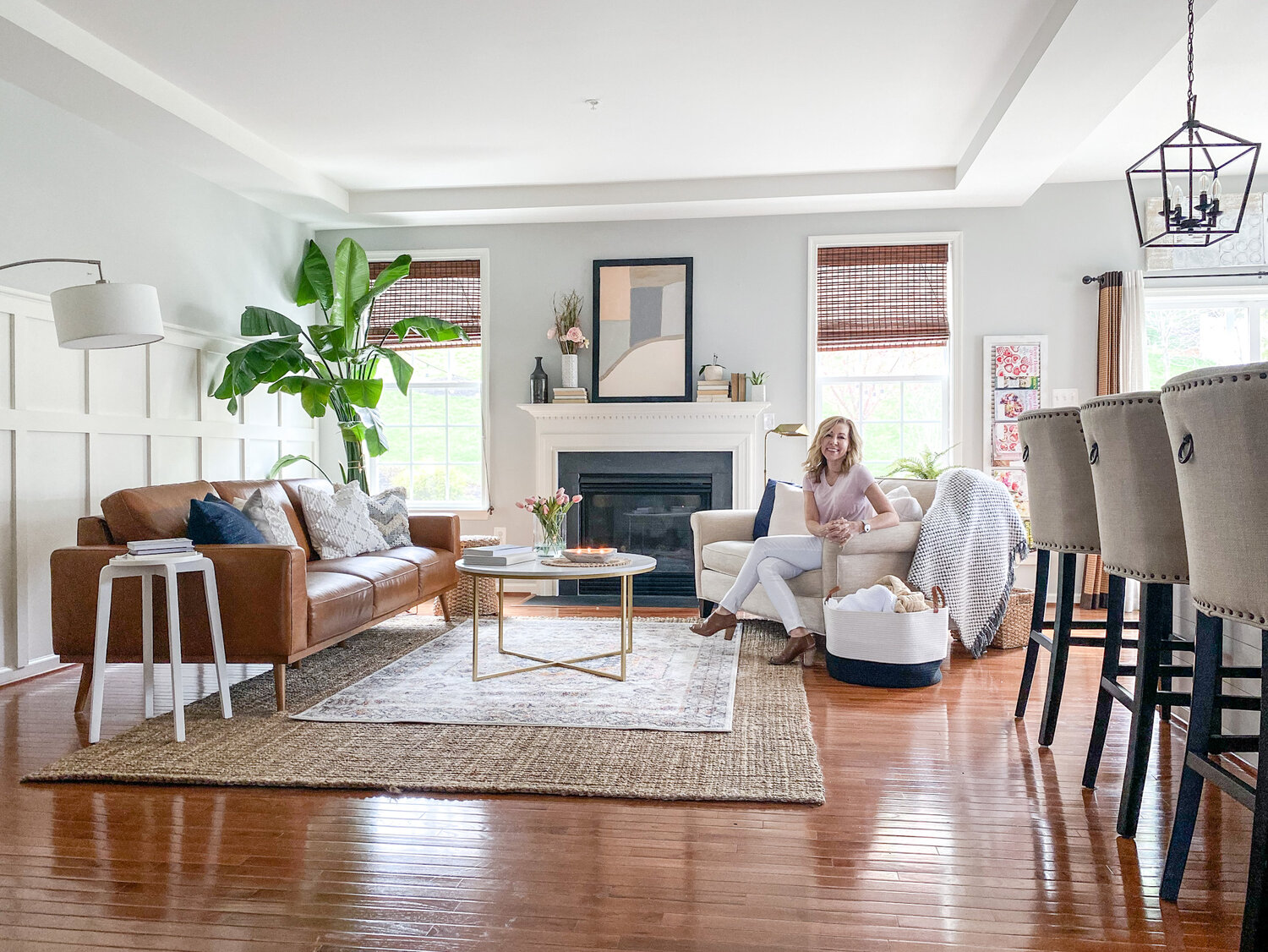
Choosing The Right Furniture
Choosing the right furniture sets the tone for a large living room. It shapes the space’s comfort, style, and function. The right pieces make the room inviting and balanced. This process involves thinking about size, style, and usability.
Selecting Scale And Proportion
Large rooms need furniture that fits well. Small pieces can look lost and awkward. Choose sofas and chairs with enough size to fill the space. Balance large items with medium or small accents. Pay attention to the height and width of each piece. Proper scale keeps the room feeling cozy, not empty.
Mixing Styles And Materials
Mixing different furniture styles creates interest and personality. Combine modern with classic or rustic with sleek designs. Use various materials like wood, metal, and fabric. This mix adds texture and depth to the room. Keep some common elements, like color or finish, to unify the look. Variety makes the space unique and lively.
Prioritizing Comfort And Function
Comfort is key in a large living room. Choose seating that feels good to sit on for long periods. Add cushions and throws for extra coziness. Think about how you use the room. Include tables, storage, and lighting that support daily activities. Functional furniture enhances the room’s purpose and enjoyment.
Creating Zones
Creating zones in a large living room helps you manage the space effectively and makes the room feel inviting rather than overwhelming. Breaking down a big area into smaller, purposeful sections lets you use the room for different activities without the space feeling cluttered. Have you ever walked into a huge room and wondered where to sit or what to focus on? Zones solve that problem by giving clear destinations within the space.
Defining Seating Areas
Start by grouping your main furniture pieces to form clear seating areas. Arrange sofas and chairs around a central point like a coffee table or fireplace to encourage conversation and comfort. Don’t be afraid to float furniture away from walls; this creates a cozy island in a large room.
Think about how many people usually gather there and what kind of seating suits your lifestyle. You might want a mix of a large sectional for family movie nights and a couple of armchairs for reading or intimate chats. Make sure each seating area has enough space to move around freely.
Incorporating Work Or Play Spaces
Ask yourself if you need a spot for work, hobbies, or kids’ play within your living room. A large space offers the chance to add a small desk or craft table without sacrificing relaxation areas. Choose furniture that fits the purpose—like a compact desk with storage or a play nook with baskets for toys.
Keep these zones close enough to stay connected but far enough to avoid distractions. For example, a reading corner tucked in a quiet corner can coexist with a gaming table near a window. This way, everyone can enjoy the room without interrupting each other.
Using Rugs And Lighting
Rugs are excellent tools for visually separating zones. Pick rugs that contrast or complement each other to mark different areas clearly. A plush rug under the main seating area and a colorful one under the play space instantly define boundaries.
Lighting plays a key role too. Use a mix of overhead lights, floor lamps, and table lamps to highlight each zone’s function. Adjustable lighting lets you create mood shifts—bright for work, soft for relaxation. Have you experimented with layering light to make your zones feel distinct yet connected?
Arranging Seating
Arranging seating in a large living room can feel overwhelming. You want to fill the space without making it look crowded or empty. The right seating layout invites conversation, balances the room’s scale, and makes your space feel welcoming.
Balancing Symmetry And Asymmetry
Symmetry creates a sense of order by pairing identical chairs or sofas on either side of a focal point like a fireplace or TV. It feels calm and organized but can sometimes seem too formal.
Asymmetry offers a relaxed vibe by mixing different seating types, like a sofa paired with a couple of armchairs. This layout feels more natural and dynamic but can risk looking chaotic if not balanced carefully.
Ask yourself: Do you want your space to feel structured or casual? Sometimes combining both works well—try a symmetrical sofa arrangement with an asymmetrical grouping of accent chairs.
Maximizing Conversation
In large rooms, seating can feel disconnected if pieces are too far apart. Arrange chairs and sofas close enough to encourage easy talking—ideally within 8 feet of each other.
Use smaller chairs or ottomans to fill gaps and create intimate clusters. A round coffee table in the center helps everyone face each other naturally.
Think about how you actually use the space. Do you host big gatherings or prefer small, cozy chats? Your seating should support those moments effortlessly.
Using Sectionals And Sofas
Sectionals are great for defining zones in a large room and offering plenty of seating without crowding. Place them to anchor the space, like facing a focal point or dividing the room into areas.
Pair sectionals with standalone chairs or benches to add flexibility. Avoid pushing all pieces against the walls; pulling furniture inward creates a more inviting, conversational layout.
Consider your traffic flow—make sure people can move around comfortably without squeezing past furniture. How can your sofa placement guide natural pathways through the room?
Optimizing Traffic Flow
Optimizing traffic flow in a large living room makes the space feel open and inviting. It helps people move around easily without bumping into furniture. Good traffic flow supports comfort and usability.
Avoiding Obstructions
Keep walkways free from bulky furniture and decor. Avoid placing large pieces in the middle of paths. Use smaller items or low-profile furniture near walking areas. This prevents tripping and keeps the room safe.
Maintaining Clear Pathways
Create wide paths at least 3 feet wide for easy movement. Arrange seating and tables to leave open routes. Avoid clutter like rugs or plants in main walkways. Clear pathways guide guests naturally through the room.
Positioning Entry Points
Place furniture away from doors and entrances. Allow enough space for people to enter without squeezing. Position chairs and sofas to face entry points for welcome vibes. This layout invites guests and supports smooth flow.
Adding Storage Solutions
Adding storage solutions in a large living room helps keep the space neat and organized. It also makes the room feel cozy and functional. Clever storage ideas prevent clutter without crowding the area. Storage can be both practical and stylish, fitting the room’s design perfectly.
Incorporating Shelving
Shelving adds vertical storage without taking floor space. Use floating shelves for books, plants, or decor. Built-in shelves can create a focal wall and hold many items.
- Open shelves show off favorite pieces.
- Closed shelves hide less attractive items.
- Adjustable shelves adapt to different storage needs.
Mix materials like wood and metal for a modern look. Position shelves near seating areas for easy reach.
Using Multi-functional Furniture
Multi-functional furniture saves space and adds storage. Choose ottomans or benches with hidden compartments. Coffee tables with drawers keep remotes and magazines tidy.
- Sofas with under-seat storage hold blankets or pillows.
- Nesting tables offer extra surface space and can tuck away.
- Storage cubes double as seating and shelves.
These pieces blend function and style, making the room practical yet inviting.
Hiding Clutter Creatively
Creative clutter hiding keeps the living room calm and orderly. Use decorative baskets to store toys or throws. Stylish boxes can hold paperwork or chargers discreetly.
- Use curtains or screens to hide shelves or storage corners.
- Incorporate storage behind artwork or mirrors.
- Choose furniture with built-in cable management to reduce visible wires.
These tricks keep the space clean without sacrificing easy access to essentials.
Enhancing With Accessories
Accessories bring life and personality to a large living room. They fill empty spaces and create a warm atmosphere. Thoughtful additions can transform the room from plain to inviting without cluttering it. Accessories also highlight your style and make the space feel complete.
Choosing Art And Decor
Art sets the tone of the room. Large walls need bold pieces or a gallery wall. Pick art that reflects your taste and complements the furniture. Decor items like vases, sculptures, or plants add interest. Group items in odd numbers for a natural look.
Layering Textiles
Textiles add comfort and softness. Use rugs to define seating areas and add color. Mix throw pillows with different sizes and patterns for depth. Blankets draped over sofas invite relaxation. Layer curtains with sheer and solid fabrics for light control and style.
Balancing Colors And Textures
Colors influence mood and flow. Choose a color palette that suits the room’s purpose. Balance bright and neutral tones to avoid overwhelming the space. Textures add dimension—combine smooth, rough, soft, and shiny surfaces. This contrast keeps the room visually interesting and cozy.

Lighting Strategies
Lighting plays a crucial role in shaping the atmosphere of a large living room. It not only brightens up the space but also defines different zones and highlights your furniture’s best features. Getting the lighting right can make your room feel cozy, inviting, and well-balanced.
Combining Ambient And Task Lighting
Ambient lighting provides overall illumination, setting the mood for your living room. Think of ceiling fixtures or recessed lights that spread soft, even light across the space.
Task lighting, on the other hand, focuses on specific activities like reading or working. You might add adjustable lamps near your favorite chair or a spotlight on a work desk.
Mixing these two types creates layers of light that adapt to your needs. Have you noticed how a well-lit reading nook instantly becomes more inviting?
Using Floor And Table Lamps
Floor and table lamps are versatile tools to brighten corners and add style. They’re easy to move around, helping you change your room’s look without much effort.
Place a tall floor lamp beside a sofa to create a warm glow for evening chats. Use table lamps on side tables to add pockets of light and make the space feel intimate.
Think about the lamp shades too—they can soften harsh light and reduce glare, improving comfort. How often do you adjust your lamps to match the time of day?
Highlighting Architectural Features
Large living rooms often have unique architectural details like built-in shelves, fireplaces, or interesting ceiling beams. Using lighting to highlight these features adds depth and personality.
Try installing LED strip lights under shelves or spotlights aimed at artwork and textures. This draws the eye and creates focal points that make your room feel more dynamic.
Have you ever felt a room come alive just because a beautiful feature was lit just right? It’s a simple trick that can transform your space instantly.
Frequently Asked Questions
How To Arrange Furniture In A Large Living Room?
Start by dividing the space into functional zones. Use rugs and furniture groupings to create cozy areas. Balance large pieces with smaller accents to maintain flow and openness.
What Furniture Works Best In A Spacious Living Room?
Opt for a mix of large sofas, armchairs, and coffee tables. Include versatile pieces like ottomans or benches. Choose furniture that complements the room’s scale and style.
How To Maintain Balance In A Large Living Room Layout?
Distribute furniture evenly to avoid empty corners. Use symmetrical arrangements or anchor pieces with rugs. Incorporate varied heights and textures for visual interest.
Should I Use Rugs For Furniture Placement In Large Rooms?
Yes, rugs help define separate zones within the room. They anchor furniture and add warmth. Choose rugs that fit the seating area size for cohesion.
Conclusion
A large living room offers many chances to create a cozy space. Place furniture to balance comfort and style. Use rugs and lighting to define areas clearly. Keep walkways open for easy movement. Mix big and small pieces for interest and function.
Personal touches make the room feel like home. Thoughtful furniture placement helps your living room look inviting and spacious. Enjoy arranging your space with these simple tips.