
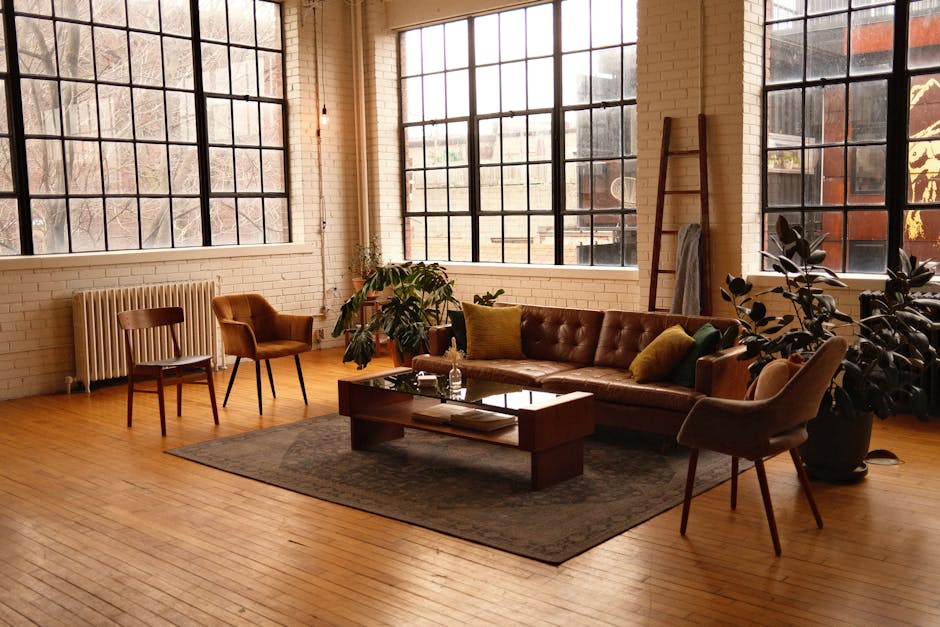
Do you have a large living room but struggle to arrange your furniture in a way that feels cozy and functional? You’re not alone.
Big spaces can feel overwhelming, making it hard to decide where each piece should go. But imagine turning your roomy living area into a welcoming spot where every corner serves a purpose. You’ll discover simple and effective furniture layouts that will transform your large living room into a stylish, comfortable haven.
Keep reading to unlock the secrets to making your space work perfectly for you.
Maximize Space With Zoning
Maximizing space in a large living room doesn’t mean filling every corner with furniture. Instead, think about how you can divide the room into purposeful zones. Zoning helps you make a big space feel cozy and functional without losing its openness.
Create Separate Areas
Start by imagining different activities happening in your living room. You might want a reading nook, a conversation area, and a media zone. Placing your furniture to form distinct clusters naturally separates these spaces.
Try positioning a sofa and chairs around a coffee table to create a conversation spot. Then, add a comfy armchair with a floor lamp in a corner for reading. This way, your large room feels inviting and organized.
Use Rugs To Define Zones
Rugs are a simple yet powerful tool to mark different zones in your living room. Choose rugs with different patterns or colors to visually separate areas without walls.
For example, a bold rug under the seating area draws attention to that space. Meanwhile, a softer, neutral rug can anchor the dining or play area. Rugs create clear boundaries, so your eye knows where one zone ends and another begins.
Incorporate Multi-functional Furniture
Furniture that serves more than one purpose helps you save space and adds flexibility. Think about ottomans with storage, fold-out desks, or sofa beds.
When I added a storage bench in my living room, it became both extra seating and a place to hide blankets and games. Multi-functional pieces let you switch zones quickly depending on your needs. What kind of furniture could help you make the most of your space?

Balance Scale And Proportion
Balance, scale, and proportion are key to making a large living room feel inviting rather than overwhelming. These elements guide you in selecting and arranging furniture so that every piece complements the space and each other. Without careful attention, even a spacious room can feel awkward or empty, so understanding how to balance these factors is essential.
Choose Oversized Furniture Wisely
Large living rooms offer the freedom to use bigger furniture, but oversized pieces need thoughtful placement. A giant sectional can anchor the space well, but it shouldn’t block pathways or dominate the room entirely.
Consider the height, width, and depth of each piece relative to the room’s dimensions. For instance, a tall bookshelf might look great against a high wall, but a bulky armchair could clutter the flow if placed in a narrow corner.
Ask yourself: Does this piece enhance the room’s openness or make it feel cramped?
Maintain Visual Harmony
Visual harmony means keeping your furniture’s size and style balanced so the room feels cohesive. Mixing too many small pieces with one massive item can create awkward contrasts.
Try grouping furniture in odd numbers, such as a trio of chairs or a pair of sofas with a coffee table, to create a natural balance. Also, use rugs and lighting to unify different zones without overwhelming the space.
Think about how your eye moves around the room. Does the layout feel smooth, or do certain spots draw too much attention?
Avoid Overcrowding
It’s tempting to fill every corner of a large living room, but too much furniture kills the spacious feel. Leaving breathing room around each item helps maintain flow and comfort.
- Keep at least 18-24 inches of walking space between furniture pieces.
- Limit the number of small accent tables or chairs.
- Use multifunctional furniture to reduce clutter.
Imagine walking through your living room—do you have enough space to move freely without bumping into things? If not, it’s time to rethink your layout.
Optimize Traffic Flow
Optimizing traffic flow in a large living room creates a comfortable and inviting space. It prevents clutter and allows guests to move freely. Thoughtful furniture layout guides natural movement and highlights key areas. Focus on clear pathways, seating arrangement, and door placement for smooth circulation.
Plan Clear Pathways
Design wide, unobstructed paths between furniture pieces. Leave at least 3 feet of space for easy walking. Avoid placing furniture in direct walking routes. This prevents tripping and keeps the room open. Clear pathways make the room feel spacious and welcoming.
Arrange Seating For Easy Movement
Position sofas and chairs to face each other without blocking walkways. Create small seating groups for conversation without crowding. Keep enough space between seating and tables for comfort. This setup encourages interaction and smooth movement around the room.
Consider Door And Window Placement
Keep doorways free from furniture to avoid blockages. Arrange seating to take advantage of natural light from windows. Avoid placing large items in front of windows or doors. Proper placement respects room flow and enhances brightness and air circulation.

Enhance Comfort And Functionality
Creating a large living room that feels both comfortable and functional can be a challenge. The key lies in how you arrange your furniture and accessories to support your lifestyle. With thoughtful choices, your space can invite relaxation while serving multiple purposes seamlessly.
Prioritize Seating Arrangement
Start by grouping seating to encourage conversation and connection. Avoid pushing all furniture against the walls; instead, float sofas and chairs to create cozy zones. Think about how you move through the space—make sure pathways remain clear and natural.
Try mixing different seating types like a plush sofa, armchairs, and ottomans to add variety and comfort. If you entertain often, include enough seats for guests without overcrowding. Ask yourself: Is this setup inviting enough for both daily use and special gatherings?
Incorporate Adequate Lighting
Lighting shapes the mood and usability of your living room. Layer your lighting with a combination of overhead lights, floor lamps, and table lamps. This approach ensures you have bright light for activities and softer light for relaxing moments.
Consider adjustable lighting options to easily switch between tasks and ambiance. Natural light can be maximized by positioning furniture near windows without blocking views. Have you checked if any dark corners need a spotlight or a cozy glow?
Add Storage Solutions
Storage is essential to keep your large living room clutter-free and functional. Use multi-purpose furniture like ottomans with hidden compartments or coffee tables with shelves. This helps you store items like blankets, magazines, and remote controls neatly.
Built-in shelves or stylish cabinets can also provide ample storage without taking up too much floor space. Think about what you need to store daily and design storage that fits those needs. How much clutter could disappear with the right storage in place?
Use Color And Texture Strategically
Using color and texture strategically in a large living room can transform the space from overwhelming to inviting. Thoughtful choices help break up the room visually and create a sense of harmony. You want your furniture layout to feel connected and lively, not scattered or dull.
Coordinate Furniture With Decor
Match your furniture colors with key decor pieces to tie the room together. If your sofa is a deep navy, bring in cushions or art with similar blue tones. This subtle coordination helps your eye move smoothly around the room, making the space feel balanced.
Think about contrast too. Pairing light-colored furniture with darker walls or rugs adds depth and prevents the room from feeling flat. Have you noticed how a single accent color repeated in different items pulls everything into one cohesive look?
Add Visual Interest With Textiles
Textiles like rugs, throws, and curtains add layers of texture that invite touch and soften large spaces. A chunky knit throw can contrast beautifully with sleek leather chairs, creating a dynamic feel. Don’t shy away from mixing textures—smooth, rough, shiny, and matte materials can live together harmoniously.
Use patterned textiles to break up solid colors and add personality. A bold rug or textured pillows can become conversation starters. How do your textiles make you feel when you walk into the room?
Create Cohesive Themes
Choose a theme to guide your color and texture choices—it could be coastal, industrial, bohemian, or modern minimalist. This theme acts as your design compass, helping you decide which colors and fabrics work best together. When everything fits the theme, the room feels intentional and calming.
Consider how natural elements like wood, stone, or metal fit into your theme. Mixing these with your chosen color palette enhances the overall vibe. What theme would make your large living room feel like a place you never want to leave?
Incorporate Focal Points
In large living rooms, incorporating focal points helps create balance and interest. Focal points anchor the space and guide furniture placement. They make the room feel inviting and organized.
Highlight A Fireplace Or Artwork
A fireplace naturally draws the eye and warms the room’s atmosphere. If your living room has a fireplace, let it be the star. Place it where everyone can see and enjoy it.
Artwork can also serve as a strong focal point. Choose a large painting or a striking wall piece. Position it at eye level to capture attention easily.
Arrange Furniture Around The Focal Point
Place sofas and chairs facing the focal point. This arrangement encourages conversation and comfort. Avoid blocking the view with large furniture pieces.
Use rugs to define the seating area near the focal point. Keep pathways open for easy movement around the room.
Use Accessories To Draw Attention
Accessories can highlight the focal point even more. Use lighting such as lamps or spotlights directed at the fireplace or artwork.
- Decorate mantels or shelves with simple objects.
- Choose cushions and throws that match the room’s color scheme.
- Add mirrors to reflect light and create depth.
These small touches help enhance the focal point’s impact without cluttering the space.

Frequently Asked Questions
What Are The Best Furniture Layouts For Large Living Rooms?
The best layouts use zones for seating, entertainment, and traffic flow. Group furniture to create cozy areas without cluttering space. Use rugs or lighting to define sections and maintain openness.
How To Arrange Seating In A Spacious Living Room?
Place sofas and chairs to encourage conversation, facing each other or a focal point. Leave enough space for movement. Use sectionals or multiple seating groups to fill the room proportionally.
Which Furniture Pieces Suit Large Living Rooms Best?
Opt for larger sofas, sectionals, and substantial coffee tables. Add accent chairs and side tables for balance. Use multifunctional furniture to enhance comfort and utility without overcrowding.
How To Maintain Balance In A Big Living Room Layout?
Distribute furniture evenly to avoid empty or overcrowded spots. Use symmetry or asymmetry to create visual interest. Balance heavy pieces with lighter ones and incorporate varied textures and colors.
Conclusion
Large living rooms offer great chances to create cozy, open spaces. Choose layouts that fit your lifestyle and furniture size. Group seating to encourage talk and comfort. Leave clear paths to move around freely. Use rugs or lighting to define areas.
Balance furniture so the room feels inviting, not empty. Experiment with different setups until it feels right. Enjoy making your big living room both stylish and useful.