
Struggling to fit all your furniture into a small living room without making it feel cramped? You’re not alone.
Finding the perfect furniture layout can transform your space, making it feel bigger, cozier, and more inviting. Imagine walking into your living room and instantly feeling relaxed because everything has its place. You’ll discover simple, smart ways to arrange your furniture that maximize space and style.
Ready to make your small living room work for you? Let’s dive in and unlock the secrets to a comfortable, beautiful layout you’ll love.
Choosing The Right Furniture
Choosing the right furniture is key to making a small living room feel spacious and comfortable. The right pieces can maximize space without crowding the room. Focus on furniture that fits well and serves more than one purpose. This helps keep the area open and inviting. Think about the size, function, and flexibility of each item before buying.
Size And Scale Matters
Small living rooms need furniture that matches their size. Large sofas or bulky chairs can overwhelm the space. Choose pieces with slimmer profiles and lower heights. Look for furniture that fits the room’s shape without blocking pathways. Avoid heavy, oversized items that reduce free movement. Proper scale keeps the room balanced and airy.
Multipurpose Pieces
Furniture that serves several functions saves space and adds value. Sofas with built-in storage or fold-out beds offer extra utility. Coffee tables with shelves or compartments help organize clutter. Ottomans can act as seats, tables, or storage boxes. These versatile pieces reduce the need for extra furniture. They help keep the room neat and open.
Lightweight And Movable Options
Furniture that is easy to move creates flexible layouts. Lightweight chairs and tables allow quick rearranging for different needs. Pieces with wheels or handles add mobility. This flexibility helps open the room for guests or activities. Movable furniture also makes cleaning easier. Choose items you can shift without struggle.
Optimizing Space
Optimizing space in a small living room is about making every inch work harder for you. It means thinking beyond just floor space and using clever tricks to keep the room feeling open and inviting. When you focus on smart furniture layout, you not only maximize usability but also create a cozy and functional environment.
Utilizing Vertical Space
Look up instead of just around. Walls are your secret weapon in a small living room. Adding shelves, tall bookcases, or wall-mounted storage frees up floor space and keeps clutter off surfaces.
Mounting a TV on the wall or hanging art higher can draw the eye upward, making the room feel taller. Have you tried stacking storage boxes or baskets on top of your cabinets? It’s a simple trick that creates extra room without crowding your floor.
Creating Clear Pathways
Clear pathways help your small living room feel spacious and easy to navigate. Arrange furniture so you can walk through without squeezing or stepping around pieces.
Think about how you move in the room daily. Avoid blocking entry points and keep the center open if possible. Sometimes, pulling furniture away from the walls slightly can improve flow and make the space feel less cramped.
Zoning With Rugs And Lighting
Use rugs and lighting to define different areas in your living room. A rug under the seating area can create a cozy zone without adding walls.
Layer your lighting with floor lamps, table lamps, and overhead fixtures to highlight each zone. This separation tricks the eye into seeing a larger, organized space. How could you use lighting differently to make your small living room feel bigger?
Arranging Furniture
Arranging furniture in a small living room requires careful thought. The goal is to create a space that feels open and inviting. Each piece should serve a purpose and complement the room’s flow. Planning the layout helps maximize comfort and style without clutter.
Focal Point Placement
Identify the room’s focal point first. It could be a window, fireplace, or TV. Arrange furniture to face or highlight this feature. This draws attention and organizes the space naturally. Keep pathways clear around the focal point for easy movement.
Floating Vs. Against Walls
Placing furniture against walls opens the center of the room. This can make the space feel larger. Floating furniture, away from walls, creates cozy conversation areas. Use rugs to anchor floating pieces. Balance both styles to avoid crowding or empty corners.
Balancing Symmetry And Asymmetry
Symmetry brings order and calmness to a small room. Place matching chairs or lamps on each side of a sofa. Asymmetry adds interest and a relaxed vibe. Mix different shapes and sizes but keep visual balance. Use pillows and artwork to tie the look together.
Incorporating Storage Solutions
In small living rooms, storage is key to keeping spaces neat and functional. Clever storage ideas help maintain open areas and reduce clutter. Incorporating smart storage solutions can make a room feel larger and more inviting.
Built-in Shelving
Built-in shelving uses vertical space efficiently. It fits into walls without taking floor space. Shelves can hold books, décor, or everyday items. Custom built-ins match your room’s style and size. This creates a seamless look and adds character.
Hidden Storage Furniture
Hidden storage furniture serves dual purposes. Sofas with storage under seats hold blankets or magazines. Coffee tables with compartments keep remotes and small items out of sight. Storage ottomans provide extra seating and space. These pieces keep rooms tidy without extra clutter.
Using Corners Effectively
Corners often go unused but offer great storage spots. Corner shelves or cabinets fit snugly and use awkward spaces. Small corner desks or benches can add function and storage. This approach maximizes every inch of the room.
Enhancing Style In Small Spaces
Enhancing style in small spaces means making the room feel bigger and more inviting. It involves smart choices that bring charm without crowding. Each detail matters, from colors to lighting. Simple tricks can create a cozy, stylish living area that feels just right.
Color Choices And Patterns
Light colors open up small rooms. Whites, creams, and pastels reflect more light. This makes the space feel larger and brighter. Use soft shades on walls and large furniture. Small pops of color add interest without clutter.
Patterns should stay simple. Thin stripes or small prints work best. Avoid big, bold patterns that overwhelm. Balance patterns with solid colors to keep harmony.
Mixing Textures
Textures add depth and warmth to small rooms. Mix smooth, rough, soft, and shiny surfaces. For example, pair a velvet sofa with a wooden coffee table. A fluffy rug can soften hard floors.
Use different textures in small amounts. This stops the space from feeling flat or boring. Textures create a cozy, inviting spot for relaxing or guests.
Using Mirrors And Lighting
Mirrors reflect light and create a sense of space. Place a large mirror opposite a window for more natural light. Mirrors also add style and elegance.
Good lighting brightens the room and highlights features. Use layered lighting with ceiling lights, lamps, and spotlights. Soft, warm light makes the space feel welcoming and comfortable.

:max_bytes(150000):strip_icc()/image_1-efc79718919c4641b8c4f3292cd061cd.png)
Frequently Asked Questions
How To Maximize Space In A Small Living Room?
To maximize space in a small living room, choose multifunctional furniture like a sofa bed. Utilize vertical space with wall-mounted shelves. Arrange furniture to create open pathways, and use light colors to make the room feel larger. Mirrors can also reflect light and create an illusion of space.
What Furniture Is Best For Small Spaces?
For small spaces, choose compact and multifunctional furniture like a loveseat, nesting tables, or a foldable dining table. Furniture with built-in storage, like ottomans and sofas with compartments, helps reduce clutter. Opt for pieces that are easy to move and adapt to different layouts.
How To Arrange Furniture In A Small Living Room?
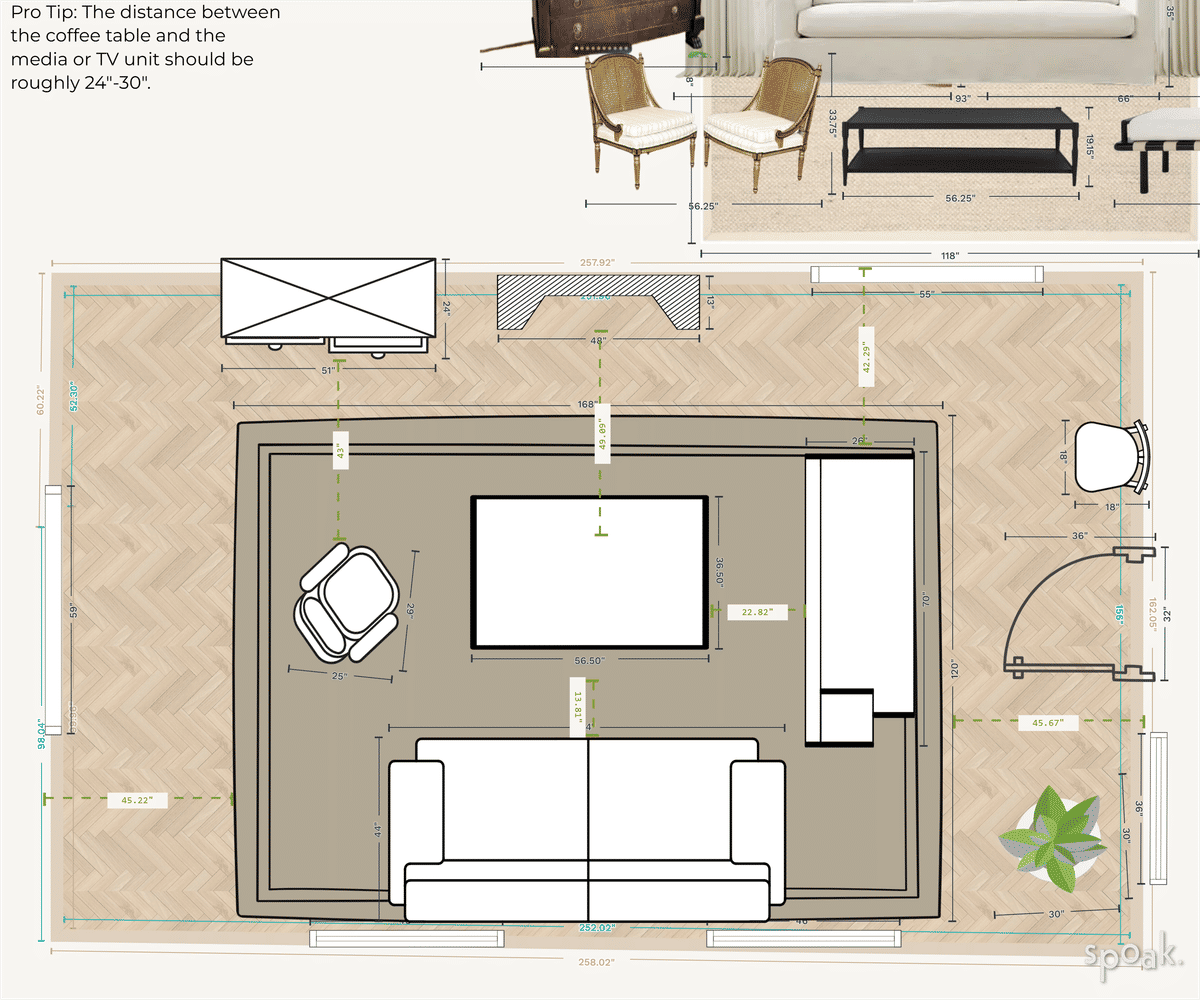
Start by placing the largest piece, like a sofa, against a wall. Arrange smaller pieces, like chairs and tables, around it to create a cozy seating area. Use rugs to define spaces. Avoid blocking pathways and ensure easy movement. Experiment with different layouts to find the most functional arrangement.
Can Mirrors Make A Room Look Bigger?
Yes, mirrors can make a room look bigger. They reflect light and create the illusion of more space. Place a large mirror opposite a window to maximize natural light. Decorative mirrors can also serve as focal points. Use mirrored furniture for an added touch of elegance and space amplification.
Conclusion
Small living rooms can feel cozy and inviting with the right furniture layout. Choose pieces that fit well and leave space to move. Use light colors and simple designs to keep the room open. Place furniture to encourage conversation and comfort.
Remember, less is more in small spaces. With smart choices, your living room can feel larger and work better for you. Enjoy creating a space that suits your style and daily needs.