
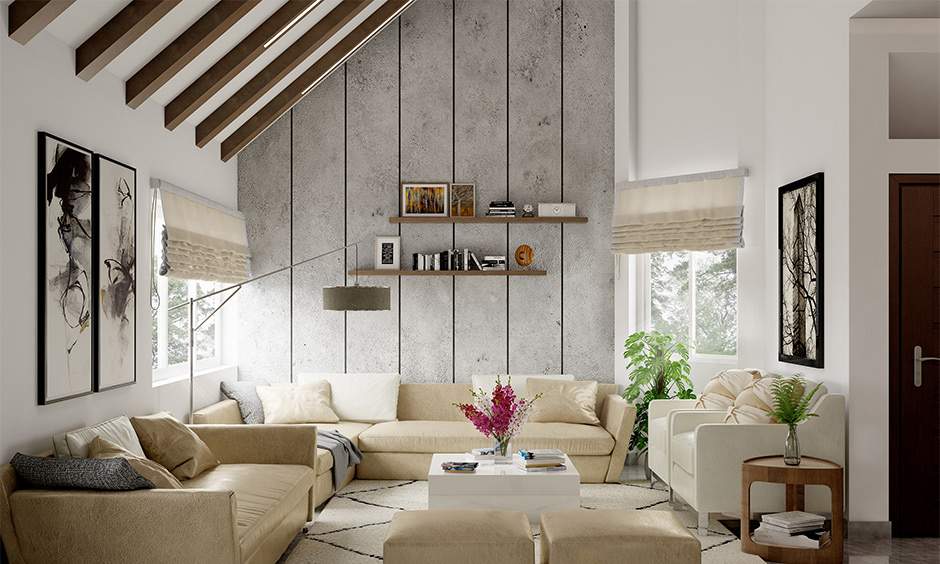
Do you have a long narrow living room that feels tricky to arrange? You’re not alone.
Finding the right furniture ideas can turn your tight space into a stylish, comfortable area you’ll love. Imagine walking into your living room and feeling instantly relaxed, with everything perfectly placed to make the most of every inch. You’ll discover simple, smart tips that help you use your space better.
By the end, you’ll have the confidence to create a living room that looks great and works perfectly for you. Keep reading—you’re about to transform your long narrow living room into a space that truly feels like home.
:max_bytes(150000):strip_icc()/9.AJ_1186_287copy-bcf7228f3b6f439da19edd86f1b3ac84.jpg)
Choosing The Right Furniture
Choosing the right furniture is key for a long narrow living room. The goal is to make the space feel open, balanced, and cozy without overcrowding. Select pieces that fit the room’s shape and size. This helps keep the flow smooth and the room inviting.
Slim Sofas And Sectionals
Slim sofas and sectionals work well in narrow spaces. They have a smaller profile and take up less floor space. Look for designs with exposed legs to create a sense of openness. Sectionals with a chaise can fit along one wall, providing seating without blocking pathways. Choose light colors or neutral tones to keep the room bright.
Multi-functional Pieces
Multi-functional furniture saves space and adds value. Consider ottomans with storage or coffee tables that double as desks. Foldable chairs or nesting tables are easy to move and store. These pieces offer flexibility and help reduce clutter. They make the room feel larger and more organized.
Floating Shelves And Storage
Floating shelves use vertical space without crowding the floor. Install them along the longer walls for books, decor, or plants. Choose slim, simple designs to avoid heaviness. Floating cabinets or wall-mounted storage keep belongings off the floor. This maintains an open feel and maximizes usable space.
Layout Strategies For Narrow Spaces
Narrow living rooms can feel tricky to arrange, but smart layout strategies turn these tight spaces into cozy, functional areas. The key is to organize your furniture so the room feels open and inviting without overcrowding. Thoughtful zoning, clever use of rugs, and smart furniture placement along walls can make a big difference.
Creating Zones
Dividing your long, narrow living room into zones helps define its purpose and improves flow. You might set up a seating area at one end for conversation and a small workspace or reading nook at the other.
Try to keep zones visually connected but distinct enough to serve different functions. This approach makes the space feel larger and more purposeful.
Using Rugs To Define Areas
Rugs do more than add color or texture—they anchor zones visually. A well-placed rug can clearly separate your seating area from a dining or work space without physical barriers.
Choose rugs that fit the size of each zone. Oversized rugs can overwhelm, while too-small rugs fail to create clear boundaries.
Aligning Furniture Along Walls
Placing furniture against walls maximizes floor space and opens the central pathway, essential in narrow rooms. Consider a slim sofa or narrow console table along one side to keep the room feeling spacious.
Be cautious not to push everything flush against walls; leave some breathing room to avoid a cramped look. How can you balance keeping a clear walkway while maintaining comfort and style?
Maximizing Vertical Space
Maximizing vertical space can transform your long narrow living room from cramped to captivating. Instead of spreading out horizontally, look up and utilize the height of your walls. This strategy not only frees up floor space but also adds layers of interest and functionality to your room.
Tall Bookcases
Tall bookcases draw the eye upward and provide ample storage without taking much floor space. Choose slim, high shelves that fit snugly against your walls to avoid cluttering your walkway. You can mix books with decorative items to keep the look fresh and personal.
I once added a 7-foot bookcase to a narrow living room, and it instantly made the space feel taller and more organized. It also gave me a spot to display plants and photos, adding warmth without sacrificing room to move.
Wall-mounted Storage
Wall-mounted shelves and cabinets keep your belongings off the floor and create an open, airy feel. Use floating shelves to hold everyday items or baskets for hidden storage. This keeps essentials within reach while maintaining a clean look.
- Install shelves at varying heights to add visual interest.
- Consider wall-mounted cabinets with doors for clutter-free zones.
- Use hooks or pegboards for hanging smaller items like keys or hats.
Have you noticed how a simple shelf can change your relationship with your space? It challenges you to think vertically and frees up room for other furniture or walking areas.
Hanging Decor
Hanging decor like artwork, plants, or light fixtures can add personality without crowding your floor. Vertical arrangements of framed photos or a vertical garden make use of your wall height beautifully. Try hanging pendant lights to brighten corners and draw attention upward.
Don’t be afraid to experiment with different heights and textures. Hanging decor encourages you to look beyond the usual eye level, making your long narrow living room feel more dynamic and inviting.
Lighting To Enhance Space
Lighting plays a key role in making a long narrow living room feel open and inviting. Proper lighting adds depth and dimension, balancing the room’s shape. It creates a warm and comfortable atmosphere that draws people in.
Layered Lighting
Use different types of lighting to brighten the space effectively. Combine ceiling lights, floor lamps, and table lamps. This approach spreads light evenly and reduces dark corners.
Include task lighting near seating areas for reading or working. Accent lights can highlight artwork or decorative pieces. Layered lighting adds interest and breaks the room’s length visually.
Mirrors And Reflective Surfaces
Mirrors double the light by reflecting it around the room. Place large mirrors opposite windows or light sources. This trick makes the room appear wider and brighter.
Choose furniture with glass or metallic finishes. These surfaces bounce light and add shine. Mirrors and reflections open up narrow spaces without clutter.
Natural Light Optimization
Maximize sunlight by using sheer curtains or blinds. Let natural light flow freely to brighten the room. Keep windows clean and clear of heavy drapes.
Arrange furniture to avoid blocking windows. Light-colored walls and floors help reflect daylight. Natural light softens the room and enhances its length.
Color And Material Choices
Choosing the right colors and materials can transform a long narrow living room from cramped to cozy and inviting. The right palette and textures not only enhance the space visually but also improve how you feel when you spend time there. Let’s look at some smart choices that work well for these challenging layouts.
Light And Neutral Tones
Light colors open up a space by reflecting more light, making your room feel larger and airier. Shades like soft whites, creams, pale grays, and light beiges create a calm backdrop that doesn’t overwhelm the narrow layout.
Try painting walls and ceilings in these tones, then add subtle pops of color with cushions or artwork. This approach keeps the room feeling spacious while allowing personality to shine through.
Glossy And Transparent Materials
Glossy surfaces bounce light around the room, adding brightness without taking up visual space. Furniture with glass, acrylic, or lacquered finishes can visually reduce bulkiness in a tight space.
For example, a glass coffee table or transparent acrylic chairs keep sightlines clear and prevent your room from feeling crowded. These materials also add a modern touch that feels fresh and light.
Consistent Color Palette
Keeping your color choices consistent throughout the room helps create harmony and flow. Stick to a few main colors and repeat them in different elements like rugs, cushions, and curtains.
This consistency tricks the eye into seeing the space as one cohesive area rather than a segmented, narrow corridor. Have you noticed how rooms with too many contrasting colors can feel busy and smaller?
:max_bytes(150000):strip_icc()/image_1-efc79718919c4641b8c4f3292cd061cd.png)
Creative Seating Options
Creative seating options can transform a long narrow living room into a cozy and functional space. Choosing the right seating not only maximizes comfort but also enhances the room’s flow. Think beyond traditional sofas to make the best use of your unique layout.
Benches And Ottomans
Benches and ottomans fit perfectly along narrow walls or under windows. They provide extra seating without taking up much space. Plus, many ottomans double as storage, helping you keep the room tidy.
Try placing a bench with cushions along one side of the room for a sleek, space-saving spot. Ottomans can be moved around easily, making them great for flexible seating during gatherings. Have you considered using a bench with built-in storage? It’s a smart way to hide blankets or magazines.
Window Seats
Window seats are a charming way to add seating and natural light. If your room has a suitable window, build a cushioned bench right into the sill. It creates a perfect nook for reading or relaxing.
This seating option keeps the floor clear and adds character to your living room. Adding pillows or a throw blanket makes the spot inviting. Could this be your new favorite corner?
Foldable And Stackable Chairs
Foldable and stackable chairs offer flexibility without clutter. Use them only when needed, then tuck them away to keep your living room open. They’re ideal if you often host guests but don’t want permanent extra seating.
Choose chairs with stylish designs to keep the room looking fresh. Lightweight materials make moving them effortless. How often do you need extra seats, and could these chairs help you save space?
Incorporating Storage Solutions
Storage is a key challenge in long narrow living rooms, but the right solutions can make your space feel organized and spacious. You want to use every inch wisely without crowding the room. Think about smart storage that blends seamlessly with your style and daily needs.
Under-sofa Storage
Using the space under your sofa is a clever way to add hidden storage. Drawers or pull-out compartments under the sofa can hold blankets, magazines, or toys. This keeps clutter out of sight but easy to reach when needed.
If your sofa has legs, consider storage boxes that slide underneath. Choose low-profile containers that don’t block airflow or make cleaning harder. This spot often goes unused, so why not make it work for you?
Built-in Cabinets
Built-in cabinets work perfectly along the longer walls of narrow rooms. They provide ample storage without eating into your floor space. Custom designs can fit around windows or doorways, making the most of awkward spots.
You can use these cabinets to store books, electronics, or even display decor. Adding doors keeps everything tidy, while open shelves offer quick access and a chance to personalize your room. Have you measured your walls carefully to maximize every inch?
Hidden Compartments
Hidden compartments are a fun way to keep essentials tucked away. Think coffee tables with lift-up tops or ottomans that open to reveal storage inside. These pieces serve double duty, helping you maintain a clean look.
Even built-in benches with storage under the seat can add function and style. What small items could you store here that often clutter your living room?

Frequently Asked Questions
What Furniture Suits A Long Narrow Living Room Best?
Slim, streamlined furniture works best in long narrow rooms. Choose pieces with sleek legs and avoid bulky items. Opt for multi-functional furniture to maximize space without clutter.
How To Arrange Furniture In A Narrow Living Room?
Place larger pieces against the longest wall to open space. Use rugs to define seating areas and keep pathways clear. Arrange furniture to promote easy movement and balance the room visually.
Which Colors Enhance A Long Narrow Living Room?
Light, neutral colors like beige, soft gray, or pale blue brighten and widen the space. Use darker accents strategically to add depth without overwhelming the room.
Can Mirrors Improve A Long Narrow Living Room?
Yes, mirrors reflect light and create the illusion of width. Position mirrors opposite windows or light sources to maximize brightness and openness in the room.
Conclusion
A long narrow living room can feel cozy and stylish. Choose slim furniture that fits the space well. Use light colors to make the room look bigger. Place mirrors to reflect light and open the area. Keep the layout simple and avoid clutter.
Add a few personal touches for warmth and comfort. Small changes create a big difference in how the room feels. With smart choices, your living room will be both functional and inviting. Enjoy designing a space that suits your style perfectly.