

Is your long living room feeling empty or awkward? Finding the right furniture can transform that stretched-out space into a cozy, stylish haven you’ll love spending time in.
You might be wondering how to fill the length without making the room feel cluttered or unbalanced. Don’t worry—this guide will help you choose pieces that fit perfectly, create flow, and highlight your room’s unique shape. Keep reading to discover smart furniture ideas that make your long living room both functional and inviting.

Choosing The Right Layout
Choosing the right layout for a long living room shapes how the space feels and functions. The layout affects comfort, style, and how people move around. It can make the room inviting or awkward. Careful planning helps use the space wisely and highlights key features.
Open Vs. Zoned Spaces
Open layouts keep the space free and airy. They let light flow and make the room feel larger. Furniture arranges to support easy talking and group activities. Zoned spaces divide the room into areas for different uses. Each zone has its own purpose, like a reading nook or TV area. Use rugs or furniture to mark zones clearly.
Traffic Flow Considerations
Plan paths where people walk without bumping into furniture. Leave enough space between pieces for easy movement. Avoid blocking doorways and windows. Keep main walkways at least 3 feet wide. Arrange furniture to guide guests naturally through the room.
Focal Point Placement
Choose a spot to draw attention first. This could be a fireplace, large window, or TV. Arrange furniture to face or surround this point. Balance the room by placing other items evenly around it. A clear focal point makes the room feel organized and cozy.
Selecting Multi-functional Pieces
Selecting multi-functional furniture is a smart choice for a long living room. These pieces save space and add convenience. They help keep the room organized and stylish at the same time.
Choosing furniture that serves more than one purpose makes the room flexible. It fits different activities and needs without clutter. Multi-functional pieces blend comfort with practicality.
Storage-integrated Furniture
Storage-integrated furniture keeps your living room tidy. Sofas with hidden compartments hold blankets or pillows. Coffee tables with drawers store magazines and remotes. This type of furniture hides clutter while staying stylish.
Convertible Seating Options
Convertible seating offers comfort and versatility. Sofas that turn into beds provide extra sleeping space. Chairs with fold-out footrests improve relaxation. These options adapt to guests or changing moods easily.
Expandable Tables
Expandable tables adjust to your needs quickly. They start small for daily use and grow larger for guests. Dining or coffee tables with this feature save room and suit gatherings. They add flexibility without sacrificing style.
Optimizing Seating Arrangements
Optimizing seating arrangements in a long living room can transform the space from awkward to inviting. The right layout not only enhances comfort but also encourages conversation and easy movement. Let’s look at how you can arrange your furniture to make the most of your room’s unique shape.
Sectionals Vs. Individual Sofas
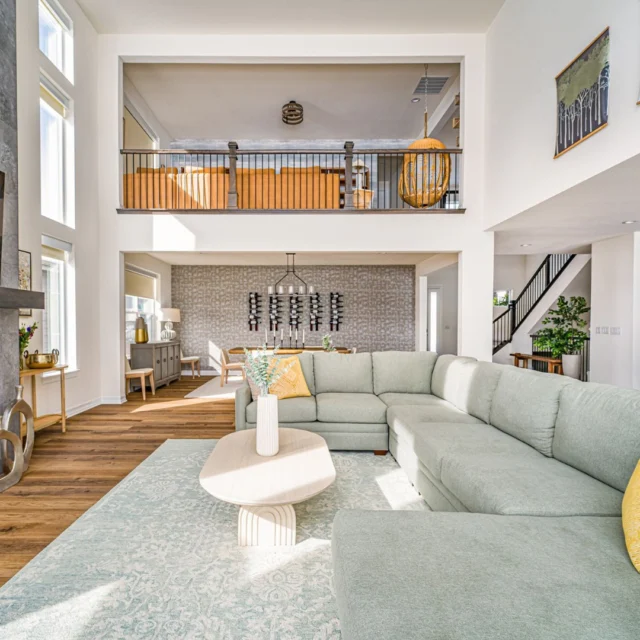
Sectionals often work well in long rooms by filling the space without making it feel empty. They create a natural gathering spot and can define the seating area clearly.
On the other hand, individual sofas offer flexibility. You can move them around to suit different occasions or create multiple smaller seating zones. Which style fits your lifestyle better—something fixed and cozy or flexible and dynamic?
Incorporating Accent Chairs
Adding accent chairs can bring character and extra seating without overcrowding. Choose chairs with slim profiles or open legs to keep the space feeling airy.
Try placing one or two chairs opposite your sofa or sectionals to balance the room visually. These spots also provide perfect nooks for reading or relaxing, making your living room more functional.
Balancing Comfort And Space
Comfort should never be sacrificed for space, but neither should space be cramped by too much furniture. Measure your room and plan pathways that allow easy movement around the seating.
Consider mixing large pieces with smaller, versatile furniture like ottomans or stools. These options add comfort and can be moved or tucked away when not in use. What’s your biggest challenge in balancing comfort with available space?
Choosing Materials And Colors
Choosing the right materials and colors shapes the mood of a long living room. It affects how spacious and cozy the area feels. Selecting carefully can highlight the room’s length without making it dull or narrow. Both colors and materials play key roles in style and comfort. They also influence how easy the furniture is to clean and maintain.
Light Vs. Dark Tones
Light tones open up the room, making it feel larger and brighter. Shades like cream, soft gray, or pastel colors reflect light well. These colors work great for walls, sofas, and rugs. Dark tones add warmth and depth but can shrink the space visually. Use dark colors for accent pieces or smaller furniture. Balance is important to keep the room inviting and not heavy.
Durable Fabrics And Finishes
Long living rooms often see a lot of use. Choose fabrics that resist stains and wear. Materials like microfiber, leather, and treated cotton last longer. For wood or metal finishes, pick those that handle scratches and spills. Easy-to-clean surfaces save time and keep furniture looking fresh. Durability adds value and comfort over time.
Mixing Textures For Interest
Texture adds visual and tactile variety to a room. Combine smooth leather with soft cushions or rough wood with silky curtains. Textures create depth and break monotony in a long space. Use textured throws, pillows, and rugs to enhance comfort. Mixing textures brings life to the design without crowding the room.
Incorporating Storage Solutions
Adding smart storage solutions to a long living room can change how the space feels and functions. It keeps the room tidy without sacrificing style. You’ll find that well-planned storage actually enhances your living experience, making everyday items easy to find and the room more inviting.
Built-in Shelving Ideas
Built-in shelves are a fantastic way to add storage without eating up floor space. You can customize them to fit your room’s length, turning empty walls into display zones for books, plants, or decor.
Try mixing open shelves with closed cabinets to hide clutter. Adding LED strip lights under shelves creates a cozy atmosphere and highlights your favorite pieces. Have you ever thought about using built-ins around a fireplace or TV to balance the room visually while providing storage?
Hidden Storage Options
Hidden storage keeps your living room looking clean and spacious. Think about ottomans or coffee tables with lift-up tops where you can stash blankets, magazines, or remote controls.
Sofas with storage underneath are another great choice, especially if you don’t have a separate storage room. Even a bench with hidden compartments can add seating and storage simultaneously. What small everyday items clutter your space that could disappear with hidden compartments?
Using Vertical Space
Don’t forget to look up when planning storage in a long living room. Tall bookcases, hanging shelves, or wall-mounted cabinets make use of vertical space and draw the eye upward, balancing the room’s length.
Hooks or pegboards can organize items like bags or headphones without taking up floor area. Vertical storage can also create a gallery wall effect, combining art and practicality. How can you turn your walls into functional storage zones without overcrowding?
:max_bytes(150000):strip_icc()/9.AJ_1186_287copy-bcf7228f3b6f439da19edd86f1b3ac84.jpg)
Lighting To Enhance Space And Style
Lighting plays a crucial role in shaping the feel and functionality of a long living room. The right lighting can make the space appear larger, cozier, and more stylish. It’s not just about brightness; it’s about how different light sources work together to highlight your furniture and décor.
Layered Lighting Techniques
Using multiple layers of light creates depth and interest in your long living room. Combine ambient lighting, task lighting, and accent lighting to cover all needs.
- Ambient lightingprovides overall illumination. Consider recessed ceiling lights or a central chandelier.
- Task lightingfocuses on specific areas, like a reading nook or workspace, with floor lamps or table lamps.
- Accent lightinghighlights artwork, plants, or architectural features with wall sconces or LED strips.
This mix allows you to adjust the mood and functionality easily. Have you tried dimmable lights? They give you full control over the atmosphere and can change how your furniture looks throughout the day.
Statement Fixtures
A bold lighting fixture can anchor your long living room and add personality. Think oversized pendant lights or an artistic chandelier that draws the eye upward.
Choose a fixture that complements your furniture style. For example, a sleek metal pendant works well with modern sofas, while a vintage crystal chandelier pairs beautifully with classic wooden pieces.
Does your light fixture make a statement or blend into the background? Sometimes, investing in one standout piece changes the whole room’s vibe.
Natural Light Maximization
Natural light enhances every color and texture in your living room furniture. Position seating near windows to enjoy sunlight during the day.
Use light, sheer curtains to let in maximum light without sacrificing privacy. Mirrors placed opposite windows can reflect sunlight deep into the room, making it feel more spacious.
Have you noticed how natural light affects your mood and perception of space? Adjusting window treatments could be the simplest upgrade for a brighter, more inviting room.
Decor Tips For Long Rooms
Decorating a long living room can feel tricky at first. The space might seem empty or awkward if you don’t arrange your furniture and decorations carefully. But with the right approach, you can turn that stretch of space into a cozy, stylish area that feels inviting and balanced.
Area Rug Placement
Using area rugs wisely can transform your long room. Place a large rug under your main seating area to create a defined zone. This helps break the space visually and makes the room feel more intimate.
Consider layering smaller rugs to add texture and interest. Make sure the rug size fits the furniture layout—at least the front legs of sofas and chairs should rest on the rug. Have you ever noticed how a well-chosen rug can anchor a space and pull everything together?
Wall Art And Mirrors
Long walls can feel empty without something to catch the eye. Hang a series of artworks or photos to add personality and dimension. You can line up several smaller pieces or choose one large statement piece to avoid the space feeling too bare.
Mirrors work wonders in long rooms by reflecting light and making the area appear bigger. Try placing a large mirror opposite a window to maximize natural light. What kind of wall art or mirror would inspire you every time you walk into your room?
Balancing Scale And Proportion
Choosing furniture that fits the scale of your room is key. Avoid tiny pieces that get lost or oversized items that overwhelm the space. Aim for a mix of low and tall furniture to add interest and balance.
Break up the length by arranging furniture in smaller groupings rather than one long line. This approach prevents the room from feeling like a hallway. How can you use your furniture to create cozy, balanced spots within a long room?
Frequently Asked Questions
What Type Of Sofa Suits A Long Living Room Best?
A sectional sofa works well in long living rooms. It maximizes seating and fits the room’s shape perfectly. Choose a slim, low-profile design to maintain openness and flow.
How To Arrange Furniture In A Long Living Room?
Place furniture in zones to create balance. Use rugs to define areas. Avoid pushing all furniture against walls to keep the space inviting and functional.
What Colors Enhance A Long Living Room Space?
Light, neutral colors like beige, soft gray, or white make a long living room feel larger. Add pops of color with cushions or artwork for personality without clutter.
Should I Use Multiple Seating Areas In A Long Living Room?
Yes, multiple seating zones encourage conversation and usability. Use chairs, loveseats, and coffee tables to break up the space and create cozy spots.
Conclusion
Choosing the right furniture shapes your long living room’s feel and function. Keep pieces slim and light to avoid crowding the space. Use rugs and lighting to define areas and add warmth. Select colors that brighten and open the room.
Remember, comfort matters as much as style. Small touches make a big difference. Your long living room can be both cozy and stylish with careful choices. Enjoy creating a space that suits your daily life well.