
Struggling to make your small living room feel cozy and spacious at the same time? You’re not alone.
Finding the perfect furniture arrangement can transform your space, making it both functional and inviting. Imagine walking into your living room and instantly feeling relaxed, with everything perfectly placed to suit your lifestyle. You’ll discover simple yet powerful tips to arrange your furniture so your small living room looks bigger, feels comfortable, and fits your needs.
Keep reading, and unlock the secret to a living space you’ll love coming home to.

Choosing The Right Furniture
Choosing the right furniture is the key to maximizing space in your small living room. The pieces you select should do more than just fill the room—they must work smartly to create an open, inviting atmosphere. Your choices can either make the space feel cramped or comfortably spacious.
Multi-functional Pieces
Furniture that serves more than one purpose is a game-changer in small living rooms. Think of a sofa bed that doubles as a guest bed or an ottoman with hidden storage. These pieces help you save space without sacrificing comfort or style.
Have you ever struggled with clutter and wished your furniture could hide it away? Multi-functional furniture offers a clever solution by combining storage with seating or sleeping options.
Scale And Proportion
Choosing furniture that fits the size of your room is crucial. Oversized sofas or bulky coffee tables can overwhelm your space and limit movement. Instead, opt for smaller, streamlined pieces that match your room’s scale.
For instance, a loveseat might work better than a full-sized sofa, or a narrow console table can replace a heavy sideboard. Visualize how each piece fits before buying to avoid overcrowding.
Lightweight And Movable
Furniture that is easy to move gives you the freedom to change your layout whenever you want. Lightweight chairs and tables let you adapt your space for different activities, like entertaining guests or relaxing alone.
Do you prefer a room that can transform quickly? Look for pieces made from materials like metal or light wood, which are sturdy yet easy to shift around.
Optimizing Layout
Optimizing the layout of a small living room is key to making the space feel open and functional. It’s about thoughtful placement of furniture that serves your daily needs without overwhelming the room. Have you ever walked into a small room and felt instantly cramped? The right arrangement can change that feeling completely.
Creating Zones
Dividing your living room into zones helps maximize the use of space. You can have a cozy reading nook, a TV area, and a small workspace all in one room without crowding. Use rugs or different lighting to visually separate these zones.
Think about how you use the room daily. Do you entertain guests or prefer quiet relaxation? Position furniture to support these activities, such as placing a small sofa near the window for reading and a compact media console across from it.
Using Corners Effectively
Corners often become wasted spaces, but in a small living room, they hold great potential. A corner bookshelf or a corner chair can add storage and seating without interrupting flow. This approach frees up the central area, making the room feel larger.
I once added a corner desk in my small living room, which turned out to be the perfect spot for my laptop and books. This small change kept the middle of the room open and helped me stay organized.
Avoiding Cluttered Walkways
Clear walkways are essential for both comfort and safety. Ensure there’s enough space between furniture pieces to walk freely without bumping into anything. A good rule is to leave at least 24 inches of clearance in main pathways.
Try arranging furniture so it doesn’t block doors or windows. This keeps the room airy and accessible. Have you measured your walkways lately? You might be surprised how a slight shift in furniture can open up your room dramatically.
Maximizing Vertical Space
Maximizing vertical space is a smart way to make your small living room feel larger and more organized. Instead of spreading out horizontally, look up and use your walls and ceiling to free up valuable floor area. This approach not only creates more storage but also adds style without crowding your space.
Wall-mounted Shelves
Wall-mounted shelves are a fantastic way to store books, display plants, or showcase your favorite decor without taking up floor space. You can install them at different heights to create a dynamic look and keep things within easy reach. Think about using floating shelves for a clean, modern feel or corner shelves to utilize often overlooked spots.
Have you tried placing shelves above doorways or windows? These spots can hold items you don’t use every day but want to keep accessible. It’s an easy trick to add storage without clutter.
Tall Storage Units
Choosing tall storage units helps you store more while occupying a smaller footprint. A slim, floor-to-ceiling cabinet can hold everything from DVDs to board games, keeping the room tidy. Make sure to pick a design that blends with your room’s style so it feels like part of the decor, not a bulky obstacle.
I once swapped a short dresser for a tall unit in my own living room. It freed up floor space for a cozy reading nook. Could a similar change work in your space?
Hanging Decor
Hanging decor is more than just art on the walls—it’s a way to add personality without sacrificing room. Consider hanging plants, light fixtures, or even baskets for storage. These elements draw the eye upward, making the room feel taller and more open.
Try mixing different heights and textures in your hanging pieces to keep things interesting. What could you hang to add both function and flair to your living room?
Enhancing Visual Space
Enhancing visual space in a small living room makes it feel larger and more open. Clever furniture arrangement and design choices help create an airy and inviting atmosphere. Small rooms benefit greatly from tricks that reflect light and reduce clutter. These simple tips improve the look without needing extra square footage.
Choosing Light Colors
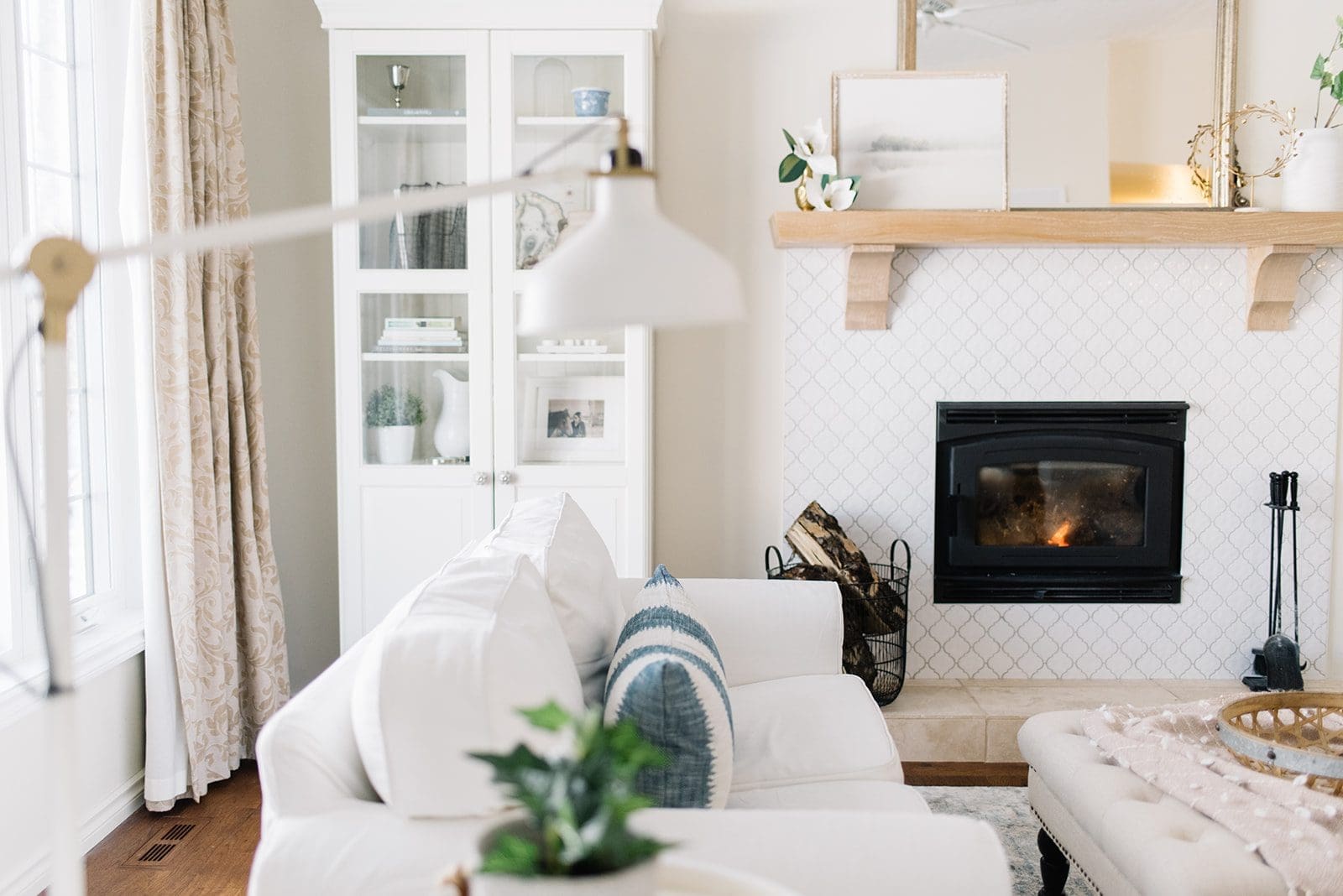
Light colors open up a room by reflecting more light. Shades like white, cream, soft gray, and pale blue work best. Paint walls and ceilings in these colors to create a bright backdrop. Light-colored furniture also blends smoothly into the space. This reduces visual weight and keeps the room feeling spacious and fresh.
Using Mirrors
Mirrors create the illusion of more space by reflecting light and views. Place a large mirror opposite a window to bounce natural light around. Even small mirrors grouped together can add depth. Mirrors make corners and walls seem farther apart. They add brightness and an extra layer of style to a small living room.
Minimalist Decor
Minimalist decor keeps the room simple and uncluttered. Choose only essential furniture with clean lines. Avoid bulky or ornate pieces that crowd the space. Use open shelves and clear surfaces to reduce visual noise. A few well-chosen accessories add personality without overwhelming. This approach helps the room feel tidy, calm, and larger than it really is.
Smart Storage Solutions
Smart storage solutions maximize space in a small living room. Clever ideas keep the room tidy and open. Storage blends with furniture to save floor space. These options help organize without cluttering the area.
Under Furniture Storage
Use the space below sofas, beds, or chairs for storage. Flat bins or boxes fit neatly under furniture. Store items like blankets, books, or toys here. This keeps things out of sight but easy to reach. Raised furniture legs create extra room underneath.
Hidden Compartments
Furniture with hidden compartments offers secret storage spots. Look for ottomans or coffee tables that open up. Some chairs have seats that lift to reveal space inside. These compartments hide clutter and keep essentials close. Perfect for small rooms needing neat solutions.
Multi-purpose Storage
Choose furniture that serves more than one function. Sofas with built-in drawers hold extra pillows or linens. Bookshelves can also act as room dividers. Fold-out tables provide workspace and storage. Multi-purpose pieces save space and add convenience.
Lighting To Open Up Space
Lighting plays a crucial role in making a small living room feel more spacious and inviting. The right lighting not only brightens the area but also creates an illusion of openness. Let’s dive into practical ways you can use light to open up your space effectively.
Natural Light Maximization
Let the sunlight in as much as possible. Keep windows clear of heavy drapes or bulky furniture that block light. Use sheer curtains or blinds that can be fully pulled back to flood your room with natural light.
Mirrors placed opposite windows can reflect natural light deeper into your living room. Have you tried rearranging your furniture to keep the window areas free? This simple shift can dramatically boost the brightness and make your room feel larger.
Layered Lighting
Relying on a single overhead light often leaves corners shadowed and cramped. Add layers of light by combining ceiling lights, floor lamps, and table lamps. This spreads light evenly and reduces dark spots.
Think about the activities you do in your living room—reading, relaxing, entertaining—and place lights accordingly. Adjustable lamps give you control over the mood and highlight different zones, making your space multifunctional and airy.
Compact Fixtures
Choose lighting fixtures that don’t take up much space but still provide ample illumination. Slim floor lamps, wall-mounted sconces, or recessed lighting keep your floor clear and open.
Small pendant lights over a coffee table or sleek LED strips under shelves can add brightness without bulk. What small lighting changes could you make today that wouldn’t crowd your room but would brighten it up?

Frequently Asked Questions
How To Maximize Space In A Small Living Room?
Use multifunctional furniture and keep pieces proportional to the room size. Arrange furniture to create open pathways and avoid clutter. Utilize vertical space with shelves and wall-mounted storage to free floor area.
What Is The Best Furniture Layout For Small Living Rooms?
Choose a layout that promotes flow, such as a floating arrangement or an L-shape. Position larger pieces against walls to open the center. Keep seating close for intimacy but avoid overcrowding.
How To Choose Furniture Size For Small Living Rooms?
Select compact, lightweight furniture with clean lines. Avoid bulky or oversized pieces that overwhelm the space. Measure your room and plan furniture dimensions before buying to ensure a good fit.
Can Mirrors Improve Small Living Room Space Visually?
Yes, mirrors reflect light and create an illusion of depth, making rooms appear larger. Place mirrors opposite windows to maximize natural light and enhance openness.
Conclusion
Small living rooms need smart furniture choices. Keep pathways clear for easy movement. Use multi-functional pieces to save space. Light colors help make the room feel larger. Place furniture near walls to open the center. Mirrors can add depth and brightness.
Personalize with a few simple decorations. A tidy room feels welcoming and calm. Try these tips to enjoy your small space more.