
Struggling to make your small living room feel spacious and inviting? You’re not alone.
When space is limited, every piece of furniture and every inch of your room counts. The right furniture arrangement can transform your cramped living area into a cozy, stylish haven where you love to spend time. You’ll discover simple yet powerful ideas that will help you maximize your space without sacrificing comfort or style.
Ready to unlock the full potential of your small living room? Let’s dive in and create a space that feels just right for you.
Choose Multi-functional Furniture
Choosing multi-functional furniture helps make the most of small living rooms. It saves space and adds practical value. These pieces offer more than one use. They fit perfectly in limited areas without cluttering. Multi-functional furniture keeps the room tidy and stylish.
Sofa Beds And Storage Ottomans
Sofa beds serve as seating and sleeping areas. They are perfect for guests or small apartments. During the day, use them as regular sofas. At night, unfold for a comfortable bed.
Storage ottomans combine seating with hidden storage. Use them to store blankets, magazines, or toys. They also provide extra seating without taking extra space.
Nesting Tables And Foldable Chairs
Nesting tables stack neatly when not in use. Pull them out as needed for drinks or snacks. They save floor space and add flexibility to the room.
Foldable chairs can be stored away easily. Bring them out only when extra seating is needed. They keep the room open and uncluttered.

Optimize Seating Layout
Optimizing the seating layout in a small living room can transform the space into a cozy and functional area. Thoughtful seating arrangements help you maximize comfort and usability without overcrowding the room. Let’s look at ways to arrange your furniture so every seat feels inviting and purposeful.
Create Conversation Zones
Design seating areas that encourage interaction by grouping chairs and sofas close enough to chat comfortably. Instead of pushing all seats against walls, try placing a couple of chairs facing each other with a small table in between. This setup invites conversation and makes the room feel more intimate.
Think about your typical gatherings. Do you often host friends or family? Position seating so everyone can easily see and hear each other. Adding a soft rug beneath the cluster can visually anchor the zone, making it feel like a dedicated spot for connection.
Use Corner Spaces Effectively
Corners are often overlooked but can be great spots for additional seating. A small armchair, a corner bench, or even a compact sectional can fit snugly into these areas without overwhelming the room. This approach frees up central space and keeps the flow open.
Have you noticed how corners can sometimes feel empty or underused? Try adding a floor lamp or a side table next to your corner seating to create a cozy nook. This not only maximizes seating but also adds character and function to your living room’s layout.
Utilize Vertical Space
Using vertical space in a small living room is a smart way to add storage and style without crowding your floor area. It allows you to keep essentials within reach while maintaining an open and airy feel. Have you noticed how much wall space often goes unused? Tapping into that space can completely change how your room feels and functions.
Wall-mounted Shelves
Wall-mounted shelves free up floor space and create spots to display books, plants, or decor. They give you a chance to personalize your room while keeping clutter off tables and sofas.
Choose shelves with slim profiles to avoid overwhelming your walls. Floating shelves are a great choice because they look sleek and modern.
Think about arranging shelves at different heights to add visual interest. This also lets you store items of various sizes without wasting space.
Tall Bookcases And Cabinets
Tall furniture draws the eye upward, making your ceiling feel higher. A slim, tall bookcase fits into corners or narrow walls and offers lots of storage without taking much floor space.
Opt for cabinets with doors if you want to hide clutter and keep your living room tidy. Glass-front cabinets can showcase your favorite pieces while protecting them from dust.
Have you tried placing a tall bookcase behind a sofa or next to a window? It can serve as a room divider or a cozy nook for your favorite reads.
:max_bytes(150000):strip_icc()/image_1-efc79718919c4641b8c4f3292cd061cd.png)
Incorporate Light Colors And Mirrors
In small living rooms, light colors and mirrors create a sense of openness. These elements brighten the space and make it feel larger. Using them smartly improves the room’s atmosphere and functionality.
Brighten With Paint And Fabrics
Light paint colors reflect natural light well. Whites, creams, soft pastels, and light grays work best. They make walls look clean and spacious. Choose light-colored fabrics for sofas, curtains, and rugs. These fabrics keep the room feeling airy and fresh. Avoid dark colors that absorb light and shrink space.
Use patterns sparingly. Subtle designs in light shades add interest without overwhelming. Combine different textures to add depth without clutter.
Strategic Mirror Placement
Mirrors reflect light and create an illusion of depth. Place a large mirror opposite a window to bounce sunlight around. This makes the room brighter and bigger.
Consider vertical mirrors to add height. Group smaller mirrors in a pattern for a decorative touch. Avoid overcrowding walls to keep the space calm and open.
Mirrors with thin frames or no frames blend better in small rooms. They keep the look light and simple. Place mirrors near seating areas to reflect attractive views and add charm.
Keep Pathways Clear
Keeping pathways clear in a small living room is essential for creating a comfortable and inviting space. When you have limited room, every inch counts, and cluttered walkways can make the area feel cramped and chaotic. Clear paths not only help with movement but also enhance the overall look of your living room.
Arrange Furniture For Flow
Arrange your furniture to create natural routes for walking. Place larger pieces, like sofas or armchairs, against the walls to open up the center area. Think about how you move through the room daily—position seating and tables so you don’t have to navigate around obstacles.
Try angling furniture slightly if it helps open up more space. Don’t be afraid to push items just a few inches; small adjustments can make a big difference in flow. When I rearranged my own living room, shifting a coffee table just two feet cleared a tight spot near the entrance and made the room feel twice as big.
Avoid Cluttered Walkways
Keep pathways free from unnecessary furniture and decor. Avoid placing small tables, plants, or baskets where people naturally walk. These items might seem harmless but can create a feeling of crowding in a small space.
Use multi-functional furniture, like ottomans with storage, to reduce clutter. Regularly assess your room and ask yourself if every item on the floor or along a walkway adds value or just takes up space. What would happen if you removed one piece? Could the room breathe better?
Use Rugs To Define Areas
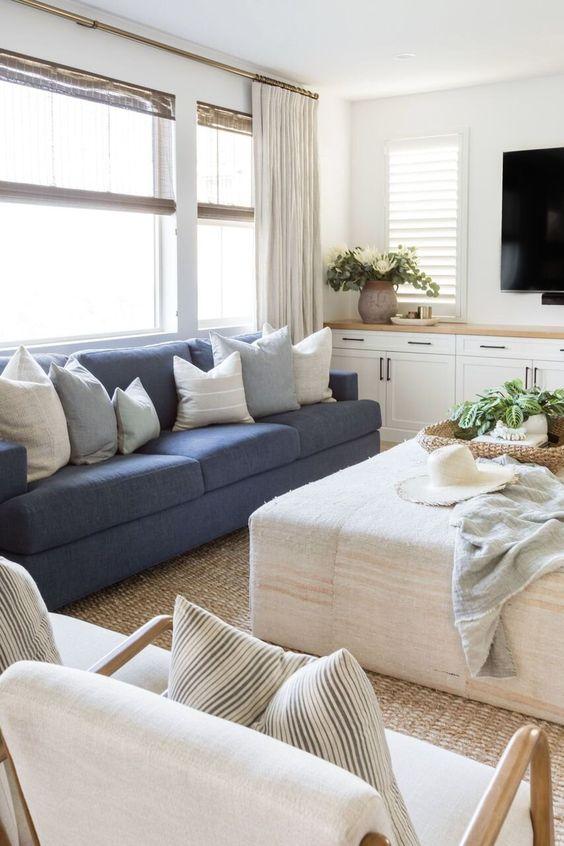
Using rugs to define areas in a small living room can transform your space instantly. Rugs act as visual anchors that separate different functions without adding physical barriers. This technique helps you maximize the layout while keeping the room open and inviting.
Select Appropriate Rug Sizes
Choosing the right rug size is key to making your living room feel balanced. A rug that’s too small can make the space look disconnected, while an oversized one might overwhelm the room. Aim for a rug that fits under the front legs of your furniture to create a cohesive look.
Measure your seating area before buying a rug. If your sofa and chairs are close, a 5×8 or 6×9 foot rug often works well. For very tight spaces, a smaller 4×6 foot rug can highlight a reading nook or coffee table without crowding.
Create Zones With Rugs
Rugs can help you visually divide your living room into zones for different activities. Use one rug under your seating to define the conversation area. Another rug near the entry or a corner can mark a workspace or reading spot.
Think about how you use the room daily. Would a separate rug under your desk help you focus? Could a colorful rug near the TV add warmth? Defining zones with rugs lets you customize your living room’s flow without walls.
Choose Scaled-down Furniture
Choosing scaled-down furniture is essential for making your small living room feel open and comfortable. Bulky pieces can quickly overwhelm the space and make it hard to move around. Instead, focusing on smaller, well-proportioned items can create a balanced look while maximizing your room’s functionality.
Compact Sofas And Chairs
Opt for sofas and chairs that have a smaller footprint but still offer comfort. Loveseats, apartment-sized sofas, and armless chairs fit well without crowding the room. Look for pieces with slim arms and raised legs to create a sense of space underneath.
Have you noticed how a bulky sofa can block light and traffic flow? Choosing compact seating helps keep the room airy and easy to navigate. Plus, modular seating options allow you to rearrange according to your needs, which is a practical advantage for limited spaces.
Slim Profile Tables
Tables with narrow frames and sleek designs work best in small living rooms. A slim coffee table or side table that doesn’t dominate the floor area can make a big difference. Transparent materials like glass or acrylic also help reduce visual clutter.
Think about a table that can double as storage or fold away when not in use. This adds versatility without sacrificing style. Have you tried placing a narrow console table behind the sofa? It’s a smart way to add surface space without crowding the room.
Incorporate Smart Storage Solutions
Incorporating smart storage solutions helps keep a small living room neat and spacious. Clever storage ideas reduce clutter and make the area feel larger. Using furniture that doubles as storage is a smart way to save space. These solutions combine function and style, making your living room both practical and cozy.
Under Furniture Storage
Utilize the space under your furniture to store items out of sight. Sofas, beds, and ottomans with built-in storage compartments are perfect. Storage baskets or boxes can slide under furniture to hold magazines, toys, or blankets. This keeps essentials close but hidden, maintaining a clean look.
- Choose sofas with drawers underneath.
- Use ottomans that open for extra storage.
- Place slim storage boxes under chairs or tables.
Built-in Cabinets
Built-in cabinets maximize wall space without crowding the room. They offer storage for books, decor, and electronics while blending with the room design. Custom built-ins fit perfectly, avoiding awkward gaps. This storage option frees up floor space, making the room appear larger and more open.
- Install cabinets around windows or doors.
- Use tall units to reach vertical space.
- Combine open shelves with closed cabinets for balance.
Frequently Asked Questions
What Is The Best Furniture Layout For Small Living Rooms?
The best layout maximizes space and flow. Use multi-functional pieces and avoid bulky furniture. Arrange seating to create open pathways and balance the room.
How Can I Make A Small Living Room Look Bigger?
Use light colors and mirrors to reflect light. Choose furniture with exposed legs and keep décor minimal. Opt for vertical storage to free floor space.
Which Furniture Types Suit Small Living Rooms Best?
Select compact, multi-purpose furniture like ottomans with storage. Slim-profile sofas and nesting tables save space. Avoid oversized or heavy pieces that crowd the room.
How Do I Create Zones In A Small Living Room?
Use rugs or furniture placement to define areas. Position seating for conversation and reading. Keep pathways clear to maintain openness and flow.
Conclusion
Small living rooms can feel cozy and stylish. Choosing the right furniture makes a big difference. Keep pieces simple and arranged to save space. Use light colors and mirrors to open the room. Think about how you move through the space daily.
Even small changes bring comfort and beauty. Try different layouts until the room feels just right. Enjoy your space more with smart furniture choices.