
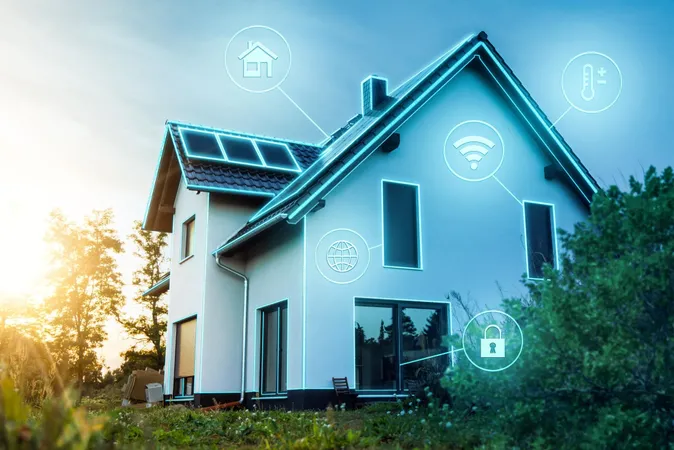
Imagine a home that not only thinks for itself but also cares for the planet. Your living space can save energy, reduce waste, and lower bills—all while making your life easier.
Eco-friendly smart homes are changing the way we live, blending technology and sustainability in ways you might not expect. If you want to create a healthier environment and enjoy the comfort of modern living, keep reading to discover how these homes can transform your lifestyle.

Credit: propertywala.com
Benefits Of Eco-friendly Smart Homes
Eco-friendly smart homes offer a range of benefits that go beyond just being modern and stylish. They make your living space more efficient, comfortable, and kind to the planet. Understanding these benefits can help you decide if upgrading your home is the right move.
Energy Savings And Cost Reduction
Smart homes use advanced technology to manage energy use more effectively. Automated lighting, heating, and cooling systems adjust based on your daily routine and preferences. This means you only use energy when you need it, which can significantly cut your utility bills.
For example, smart thermostats learn your schedule and lower heating or cooling when you’re away. This simple change can reduce energy consumption by up to 20%. Have you noticed how often lights get left on in an empty room? Smart sensors take care of that for you, saving money without any extra effort.
Enhanced Comfort And Convenience
Imagine walking into a home that knows your favorite temperature and lighting settings. Smart homes create personalized comfort by adjusting conditions automatically. You don’t have to fiddle with switches or thermostats; the home does it for you.
Voice control and smartphone apps let you manage your home from anywhere. Forgot to turn off the oven or lock the door? A quick tap on your phone solves the problem instantly. This convenience frees up your time and reduces stress, making your daily routine smoother.
Positive Environmental Impact
Choosing an eco-friendly smart home means you’re actively reducing your carbon footprint. Efficient energy use lowers greenhouse gas emissions, which helps combat climate change. Every small action, like using energy-efficient appliances or smart irrigation systems, adds up to a big difference.
Smart homes also encourage sustainable habits. When you see real-time energy use on your app, you become more aware and motivated to cut waste. What changes could you make today if you had instant feedback on your energy habits?

Credit: www.autoevolution.com
Key Features Of Smart Eco Homes
Smart eco homes combine technology and sustainability to create living spaces that save energy, reduce waste, and improve comfort. These homes are designed with features that help you control your environment efficiently while lowering your carbon footprint. Understanding these key features can help you make smarter choices for your home and the planet.
Smart Thermostats And Climate Control
Smart thermostats learn your daily routine and adjust the temperature to save energy without sacrificing comfort. They can be controlled remotely through your phone, so you never heat or cool an empty house. Imagine coming home to the perfect temperature every day, while also cutting down on your energy bills.
Automated Lighting Systems
Automated lighting turns lights on and off based on your presence or the time of day, reducing unnecessary electricity use. You can set schedules or use motion sensors to ensure lights are only on when needed. This simple feature not only saves energy but also adds convenience to your daily life.
Energy-efficient Appliances
Choosing appliances with high energy efficiency ratings means they use less power and water while performing just as well. These include refrigerators, washers, dryers, and dishwashers designed to minimize resource use. Have you checked if your current appliances might be costing you more than necessary?
Water Conservation Technologies
Smart eco homes use technologies like low-flow faucets, rainwater harvesting systems, and smart irrigation controllers to reduce water waste. These systems adjust watering schedules based on weather and soil moisture, saving water without sacrificing your garden’s health. How much water could you save by making these changes?
Renewable Energy Integration
Renewable energy integration is key to building eco-friendly smart homes. It reduces reliance on fossil fuels and cuts energy costs. Smart homes use advanced technology to harness clean energy efficiently. Combining renewable sources with smart systems creates a sustainable living space.
Solar Power Solutions
Solar panels capture sunlight and convert it into electricity. They fit well on rooftops and in open spaces. Smart homes use solar power to run appliances and lighting. Solar energy systems can adjust output based on sunlight availability. This flexibility helps maintain a steady energy supply.
Wind Energy Options
Small wind turbines generate power from the wind. They work best in areas with steady wind speeds. Wind energy can complement solar power for balanced energy production. Smart systems monitor wind patterns to optimize turbine performance. This integration supports consistent energy use throughout the day.
Battery Storage Systems
Batteries store excess energy generated by solar and wind sources. They provide power during cloudy days or calm nights. Advanced battery systems connect seamlessly with smart home controls. This setup ensures energy is available when needed most. Efficient storage maximizes the benefits of renewable energy.
Sustainable Building Materials
Sustainable building materials form the backbone of eco-friendly smart homes. These materials reduce harm to the environment and improve indoor air quality. Choosing the right resources helps save energy and lowers carbon footprints. Builders now prefer materials that are both efficient and safe for families. Sustainable materials also last longer, reducing the need for frequent repairs or replacements.
Recycled And Renewable Resources
Using recycled materials cuts down on waste and saves raw resources. Common recycled options include reclaimed wood, metal, and glass. Renewable resources like bamboo and cork grow quickly and can be harvested without damage. These materials support forest conservation and reduce landfill waste. They give homes a natural look while protecting the planet.
Low-emission Insulation
Low-emission insulation improves energy efficiency by reducing heat loss. It also keeps indoor air clean by limiting toxic fumes. Materials like cellulose, sheep’s wool, and recycled denim offer strong insulation without harmful chemicals. These options help maintain comfortable temperatures year-round. They reduce heating and cooling costs for smart homeowners.
Durable And Non-toxic Finishes
Finishes protect surfaces and add beauty to a home’s interior. Choosing non-toxic paints and sealants ensures safer air quality. Durable finishes resist wear and tear, extending the life of walls and floors. Options like natural oils, water-based paints, and plant-based stains avoid harsh chemicals. These finishes keep homes healthy and vibrant for years.
Smart Home Automation And Ai
Smart home automation combined with AI is changing how we interact with our living spaces. It’s not just about convenience; it’s about making your home more efficient and eco-friendly. These technologies help you save energy, increase security, and simplify everyday tasks.
Voice-activated Controls
Imagine adjusting your thermostat or turning off lights without lifting a finger. Voice-activated controls let you do just that, using simple commands to manage your home devices. This hands-free approach reduces energy waste by making it easier to switch off appliances when not needed.
Using your voice to control smart plugs, lights, or even your coffee maker can also cut down on unnecessary power consumption. Have you noticed how much energy gets wasted when you forget to turn things off? Voice commands can help you avoid that.
Ai-powered Energy Management
AI systems analyze your home’s energy use and suggest ways to lower your bills and carbon footprint. They learn your daily routines and adjust heating, cooling, and lighting automatically to save energy. This means less guesswork and more precise control.
For example, smart thermostats can lower heating when you’re away and warm up your home just before you return. This targeted energy use can reduce waste significantly. What if your home could predict when to use power most efficiently without you needing to intervene?
Security And Safety Enhancements
AI-driven security systems offer more than cameras and alarms. They learn normal patterns and alert you to unusual activities instantly. This not only protects your home but also helps avoid false alarms that waste your time and resources.
Smart smoke detectors and water leak sensors can notify you early, preventing damage and costly repairs. These systems often run on low energy, supporting your goal to keep your home green while staying safe. How much peace of mind is worth to you?

Credit: www.autoevolution.com
Challenges And Considerations
Eco-friendly smart homes offer many benefits but also bring challenges. These challenges need attention to make the home efficient and safe. Understanding these factors helps homeowners plan better and avoid surprises.
Initial Investment Costs
Smart home technology and eco-friendly materials can be expensive. The cost of devices, installation, and setup adds up fast. Some systems require professional help, increasing upfront expenses. Budgeting for these costs is vital for a smooth transition.
Energy-saving appliances may cost more but reduce bills over time. The payback period varies depending on the technology used and home size. Careful research helps find affordable options that suit your needs.
Privacy And Data Security
Smart homes collect data to function better. This data includes habits, schedules, and personal preferences. Protecting this information is critical to avoid misuse or hacking. Secure passwords and updated software reduce risks.
Choosing products from trusted brands with strong privacy policies adds safety. Be cautious about sharing data and control app permissions. Awareness of privacy settings helps keep your home secure.
Maintenance And Upgrades
Smart devices need regular updates to stay efficient and secure. Ignoring updates may cause glitches or security gaps. Some systems require professional maintenance, which can add costs.
Technology changes fast, so upgrades may be necessary to keep the system modern. Check compatibility before buying new devices to avoid extra expenses. Planning maintenance ensures your smart home works smoothly for years.
Future Trends In Eco-friendly Smart Living
Looking ahead, eco-friendly smart living is set to evolve in exciting ways that will reshape how you interact with your home and community. These future trends promise to make sustainable living more accessible, efficient, and integrated than ever before. Let’s dive into what you can expect in the near future.
Advancements In Green Technologies
Green technologies are becoming smarter and more affordable. Imagine solar panels that adjust their angle automatically to capture maximum sunlight throughout the day. Energy storage solutions are improving too, letting you store excess energy for use during cloudy days or at night.
New materials with better insulation capabilities will reduce your energy needs without sacrificing comfort. Smart appliances will learn your habits to optimize energy and water use, saving you money and reducing your carbon footprint.
Integration With Smart Cities
Eco-friendly smart homes won’t exist in isolation—they will connect seamlessly with smart city infrastructures. This means your home could communicate with traffic systems to reduce emissions or interact with local energy grids to balance supply and demand efficiently.
Imagine your home adjusting energy use based on city-wide renewable energy availability or water conservation alerts triggered by city sensors. This integration opens up new ways for you to contribute to broader environmental goals without changing your daily routine.
Community And Lifestyle Changes
Smart eco-homes will encourage stronger community ties centered around sustainability. Shared energy systems and community gardens managed through smart apps could become common, making it easier for you to collaborate with neighbors on green initiatives.
These changes could also shift your lifestyle, promoting more conscious consumption and waste reduction. How would your habits change if your home provided real-time feedback on your environmental impact? This kind of insight can motivate small daily actions that add up to significant benefits.
Frequently Asked Questions
What Are Eco-friendly Smart Homes?
Eco-friendly smart homes use technology to reduce energy use and waste. They integrate solar power, smart thermostats, and efficient appliances. These homes lower carbon footprints and promote sustainable living with automation and green materials.
How Do Smart Homes Save Energy?
Smart homes save energy by optimizing heating, cooling, and lighting. Sensors adjust systems based on occupancy and time of day. This reduces unnecessary power use, lowering utility bills and environmental impact effectively.
Which Technologies Make A Home Eco-friendly?
Key technologies include solar panels, smart thermostats, LED lighting, and energy-efficient appliances. Automated systems manage energy use smartly, and water-saving devices reduce waste. Together, these tech elements create sustainable, eco-friendly homes.
Are Eco-friendly Smart Homes Cost-effective?
Yes, eco-friendly smart homes reduce long-term costs through energy savings. Initial investments may be higher, but lower utility bills and incentives make them affordable. They also increase property value and reduce environmental impact.
Conclusion
Eco-friendly smart homes save energy and reduce bills. They help protect the planet for future generations. Smart devices make life easier and more comfortable. Small changes add up to big benefits over time. Everyone can contribute to a greener, cleaner world.
Choosing eco-friendly options supports a healthy lifestyle. Smart homes show how technology and nature can work together. It’s a smart step toward a brighter future.