
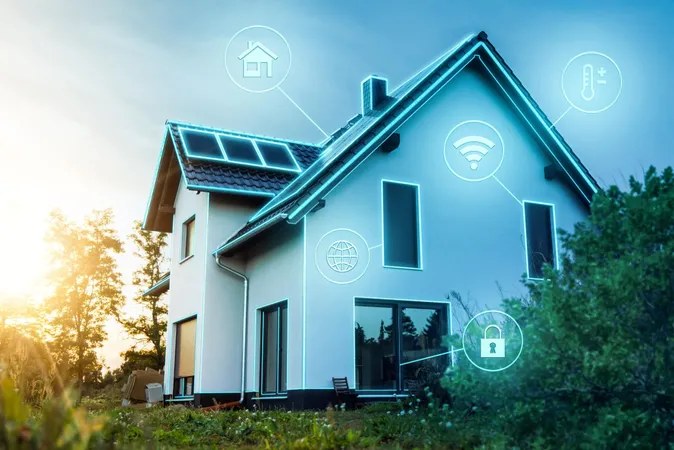
Imagine a home that saves you money, reduces your impact on the planet, and makes your life easier—all at the same time. Eco friendly smart homes do exactly that.
They combine cutting-edge technology with green living to create spaces that think for you and care for the environment. If you want to lower your bills, boost your comfort, and live more sustainably, this is the future you need to know about.
Keep reading to discover how your home can become smarter and greener in ways you never expected.

Credit: www.autoevolution.com
Benefits Of Eco Friendly Smart Homes
Eco friendly smart homes offer more than just a modern lifestyle—they bring tangible benefits that impact your wallet, the environment, and your daily comfort. Understanding these advantages can help you decide if upgrading your living space is the right move for you.
Energy Efficiency And Cost Savings
Smart homes use technology to manage energy use more effectively. Automated lighting, smart thermostats, and energy-efficient appliances reduce wasted electricity.
You might notice a significant drop in your utility bills, sometimes saving hundreds of dollars annually. Imagine your home adjusting the temperature automatically when you’re away or turning off lights in empty rooms—this cuts costs without any effort on your part.
Reduced Carbon Footprint
Using less energy means your home produces fewer greenhouse gases. Every smart device that optimizes energy use helps lower your carbon footprint.
Think about how your daily choices add up. Choosing an eco friendly smart home is a practical step you can take to contribute to a healthier planet, right from your living room.
Enhanced Comfort And Convenience
Smart homes adapt to your lifestyle, making daily routines smoother. You can control lighting, temperature, and security systems remotely with your smartphone.
Imagine arriving home to the perfect temperature and lighting set exactly how you like it, without lifting a finger. This level of customization adds comfort while saving time, letting you focus on what truly matters.

Credit: www.autoevolution.com
Key Technologies In Smart Green Homes
Smart green homes use technology to reduce energy use and protect the environment. These homes combine eco-friendly features with smart devices. Together, they create a comfortable and efficient living space. Key technologies help save energy, water, and money. They also lower the home’s carbon footprint.
Solar Power Integration
Solar panels capture sunlight and turn it into electricity. This power runs the home’s lights and appliances. Excess energy can store in batteries for later use. Solar power cuts reliance on fossil fuels. It lowers electricity bills and supports clean energy.
Smart Thermostats And Hvac Systems
Smart thermostats learn your schedule and adjust temperatures automatically. They prevent energy waste by heating or cooling only when needed. Modern HVAC systems use sensors to maintain comfort efficiently. These systems reduce energy use and improve indoor air quality.
Water Conservation Tools
Water-saving devices reduce water waste in smart homes. Low-flow faucets and showerheads control water flow. Smart irrigation systems water plants based on weather and soil moisture. Leak detectors alert homeowners to fix problems early. These tools save water and lower bills.
Home Automation And Iot Devices
Home automation connects devices for easy control. Lights, locks, and appliances work together through apps or voice commands. Sensors detect occupancy and adjust settings automatically. IoT devices gather data to optimize energy use. Automation increases convenience and supports green living.
Design Principles For Sustainable Smart Homes
Designing a sustainable smart home requires more than just high-tech gadgets; it demands thoughtful planning that respects the environment and maximizes efficiency. The core principles focus on how your home interacts with natural elements, what materials you choose, and how well your home retains comfort without wasting energy. Understanding these design principles can help you create a home that not only saves money but also reduces your carbon footprint.
Passive Solar Design
Passive solar design uses the sun’s energy to heat and light your home naturally. Position your windows, walls, and floors to collect, store, and distribute solar energy during the winter, then block the heat in summer. Have you noticed how a sunlit room feels warmer and more inviting? That’s the power of passive solar design at work.
Think about orienting your home so the longest walls face south to maximize sunlight exposure. Adding elements like overhangs or shades can prevent overheating during hot months. This approach lowers your reliance on artificial heating and cooling, saving both energy and money.
Use Of Sustainable Building Materials
Choosing sustainable materials means selecting options that are renewable, recycled, or have a low environmental impact. Materials like bamboo, reclaimed wood, and recycled steel are durable and eco-friendly. When I built my own eco-friendly space, using reclaimed wood not only reduced waste but gave the home a unique character.
Look for certifications such as FSC (Forest Stewardship Council) for wood products or recycled content labels. These ensure your materials come from responsible sources. Using local materials also cuts down on transportation emissions, making your home even greener.
Optimized Insulation And Ventilation
Good insulation keeps your home warm in winter and cool in summer by reducing heat exchange. Pair this with smart ventilation that brings in fresh air without wasting energy. Have you ever felt a stuffy room that suddenly freshens up with a breeze? That’s natural ventilation doing its job.
Use materials like cellulose or spray foam for insulation, which seal gaps better than traditional options. Mechanical ventilation systems with heat recovery can circulate air efficiently, maintaining air quality while conserving energy. These features ensure your smart home stays comfortable year-round with minimal energy use.

Credit: propertywala.com
Challenges In Adopting Eco Friendly Smart Homes
Adopting eco friendly smart homes comes with a unique set of challenges that can slow down your transition to a greener lifestyle. Understanding these obstacles helps you prepare better and make informed decisions. Let’s look at the main barriers you might face and how they could impact your journey.
Initial Costs And Investment
One of the biggest hurdles is the upfront expense. Eco friendly smart devices and systems often require a significant initial investment. This can discourage many homeowners who are not sure about the return on investment or the long-term savings.
However, consider this: many smart home technologies reduce energy bills significantly over time. Some governments and local authorities also offer rebates and incentives that can help offset these costs. Have you checked whether such programs exist in your area?
Technology Compatibility
Smart home devices come from different manufacturers, each with its own standards and protocols. This can lead to compatibility issues, making it difficult to create a seamless eco friendly system. You might end up with gadgets that don’t communicate well or require multiple apps to manage.
To avoid frustration, research products that follow common standards like Zigbee, Z-Wave, or support popular hubs such as Google Home or Amazon Alexa. Would you be willing to prioritize compatibility over brand loyalty to ensure smoother operation?
User Awareness And Training
Even the smartest systems can fall short if users don’t understand how to use them effectively. Many people struggle with setting up or optimizing eco friendly smart homes because of limited technical knowledge. This gap can lead to underutilization or misuse, negating potential benefits.
Simple, clear guides and hands-on tutorials can bridge this gap. You might consider joining community workshops or online forums where you can share experiences and learn tips. How confident are you in your ability to manage smart home technologies without professional help?
Future Trends In Green Smart Living
The future of green smart living blends technology with sustainability. Homes will become more energy-efficient and environmentally friendly. Smart devices will work together to reduce waste and save resources. This shift will change how people live daily, making homes cleaner and greener.
Advancements In Renewable Energy
Solar panels will become cheaper and more efficient. Small wind turbines might power homes in windy areas. Energy storage systems will improve, storing power for use at night. Smart grids will balance energy supply and demand better. These changes will make homes more independent from fossil fuels.
Ai And Machine Learning In Home Automation
Artificial intelligence will learn homeowners’ habits to save energy. Smart thermostats will adjust heating and cooling automatically. Lights and appliances will turn off when not in use. AI will predict energy needs and optimize device operation. This will reduce energy waste and lower utility bills.
Community-based Sustainable Living
Neighborhoods will share energy and resources through smart grids. Community gardens and shared green spaces will grow local food. Residents will join forces to recycle and reduce waste. Shared electric vehicle charging stations will become common. Such collaboration will build stronger, eco-friendly communities.
Frequently Asked Questions
What Are Eco Friendly Smart Homes?
Eco friendly smart homes combine sustainable materials with smart technology. They reduce energy use and lower carbon footprints. These homes optimize resources like water and electricity efficiently. Smart devices control lighting, heating, and appliances for eco-conscious living. This creates a greener, cost-effective lifestyle.
How Do Smart Homes Save Energy?
Smart homes save energy by using automated systems. They adjust lighting and temperature based on occupancy. Sensors and smart meters monitor consumption and reduce waste. Smart thermostats optimize heating and cooling schedules. This leads to significant energy savings and reduced utility bills.
Which Technologies Make Homes Eco Friendly?
Technologies include solar panels, energy-efficient appliances, and smart thermostats. Smart lighting systems use LED bulbs and motion sensors. Rainwater harvesting and smart irrigation conserve water. Home automation platforms integrate all systems for optimal efficiency and comfort.
Are Eco Friendly Smart Homes Cost-effective?
Yes, eco friendly smart homes reduce energy bills and maintenance costs. Initial investments may be higher, but long-term savings compensate. Government incentives and rebates often support sustainable home upgrades. These homes also increase property value and market appeal.
Conclusion
Eco friendly smart homes save energy and cut costs daily. They help protect the environment by reducing waste and emissions. Smart devices make life easier and more comfortable inside your home. Choosing sustainable materials supports a healthier planet for future generations.
Small changes add up to big benefits over time. Embracing green technology is a step toward a cleaner world. Smart homes show how simple ideas create lasting impact. Everyone can take part in building a better home and Earth.