
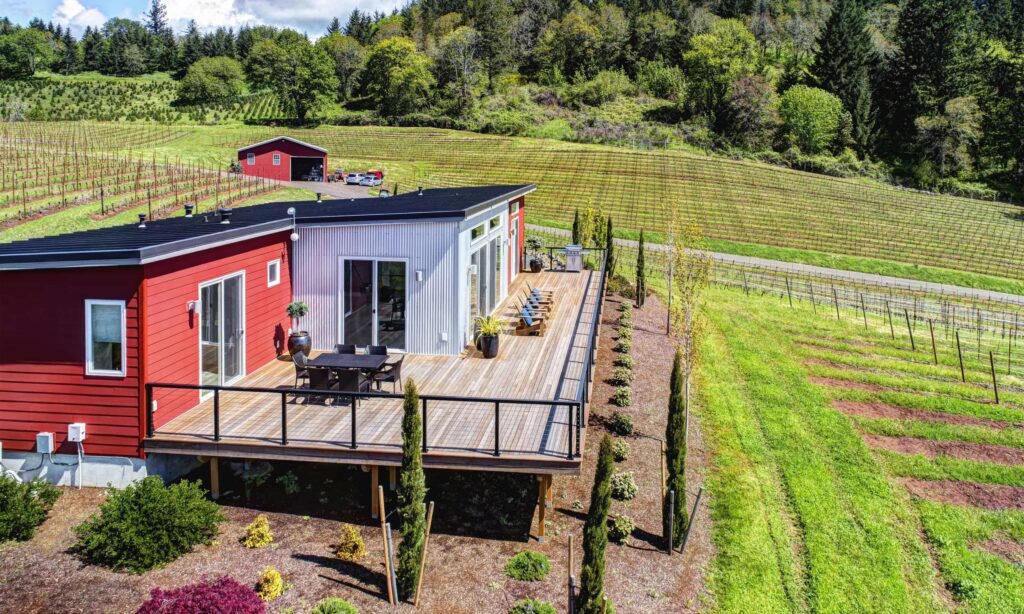
Imagine living in a home that not only feels comfortable but also helps protect the planet. Eco friendly prefabricated homes are changing the way people build and live.
These homes are designed to save energy, reduce waste, and keep your carbon footprint low. If you care about your family’s health and the environment, this could be the perfect choice for you. Keep reading to discover how these smart, sustainable homes can make a difference in your life and the world around you.
.png?width=770&height=770&name=Hidden%20benefits%20of%20modular%20homes.%20(36).png)
Credit: blog.anchorhomes.com.au
Rise Of Prefabricated Homes
Prefabricated homes are changing the way people think about building and living sustainably. These homes, built off-site and assembled quickly on location, offer a fresh alternative to traditional construction. You might wonder why more homeowners are choosing prefab options—let’s look into what’s driving this rise.
Growth In Popularity
Over the last decade, prefabricated homes have gained significant traction. Advances in technology have made designs more customizable and affordable. This has attracted buyers who want quality, speed, and eco-conscious living.
Many people value the shorter build times. Instead of waiting months or even years, you can move into your new home in a matter of weeks. This efficiency is hard to ignore when you’re eager to settle into a new space without ongoing construction hassle.
Are you looking for a home that fits your schedule and lifestyle? Prefab homes might be the answer.
Advantages Over Traditional Construction
Prefab homes come with several benefits that traditional building methods often lack. First, they generate less waste because materials are precisely cut in factories. This precision helps reduce the environmental footprint significantly.
Energy efficiency is another strong point. Many prefab homes come equipped with advanced insulation and energy-saving features. This can lower your utility bills and reduce your carbon footprint without extra effort.
Additionally, prefab construction offers greater cost control. Since much of the work happens in a controlled environment, delays caused by weather or labor shortages are rare. This means fewer surprises in both timeline and budget.
- Faster construction with less disruption
- Higher quality due to factory conditions
- Eco-friendly materials and methods
- Lower overall costs and better budgeting
Have you considered how much time and money you could save by choosing a prefab home instead of a traditional build?

Credit: www.orcalgs.ca
Eco-friendly Materials
Choosing eco-friendly materials for your prefabricated home plays a crucial role in reducing environmental impact and creating a healthier living space. These materials not only minimize waste but also improve energy efficiency and indoor air quality. Understanding the types of sustainable materials available can help you make choices that benefit both your home and the planet.
Recycled And Renewable Resources
Using recycled materials like reclaimed wood, recycled steel, and repurposed plastics cuts down on landfill waste and reduces the demand for virgin resources. Renewable resources such as bamboo and cork grow quickly and absorb carbon, making them excellent sustainable options.
Think about how many trees you can save by opting for bamboo flooring instead of traditional hardwood. It grows much faster and requires less water. You can also find siding and cabinetry made from recycled materials that look just as good as new products.
Low-impact Insulation Options
Insulation is a key factor in a home’s energy efficiency, but many traditional insulation materials can harm the environment. Low-impact options like sheep’s wool, cellulose made from recycled paper, and cotton insulation provide effective thermal protection without toxic chemicals.
These natural insulations also regulate humidity better and improve indoor air quality. Have you considered how your choice of insulation affects your energy bills and comfort? Switching to eco-friendly insulation can lower your monthly costs while making your home feel cozier year-round.
Energy Efficiency Features
Energy efficiency is a core strength of eco friendly prefabricated homes. These homes use smart design and technology to reduce energy use. This helps save money and lowers environmental impact.
Energy efficient features keep indoor temperatures stable. They reduce the need for extra heating or cooling. This creates a comfortable living space all year round.
Solar Integration
Solar panels are a popular choice for prefabricated homes. They turn sunlight into electricity for daily use. This lowers dependence on fossil fuels and reduces electricity bills.
Many homes come with pre-installed solar systems. These systems connect easily to the home’s power grid. Excess energy can be stored or sent back to the grid.
Solar integration supports clean energy use. It makes homes more self-sufficient and eco-friendly.
Advanced Heating And Cooling Systems
Prefabricated homes use modern heating and cooling technology. These systems use less energy than traditional units. They keep the home warm in winter and cool in summer.
Examples include heat pumps and energy recovery ventilators. These systems recycle air and reduce energy loss. Smart thermostats optimize temperature settings automatically.
Advanced heating and cooling lower energy bills. They also improve indoor air quality and comfort.
Waste Reduction In Construction
Waste reduction in construction plays a vital role in eco-friendly prefabricated homes. Traditional building methods create a lot of waste. Prefabrication cuts down this waste by improving material use and precision. It helps save resources and lowers environmental impact.
Factory Precision Building
Prefabricated homes are built in controlled factory settings. This control ensures accurate measurements and cuts. Materials are used more efficiently, reducing offcuts and scraps. Factories recycle leftover materials easily. This process limits waste compared to on-site construction.
Building indoors protects materials from weather damage. This reduces spoilage and waste. Factory assembly lines also standardize parts, which lowers errors. Less waste means less cost and less harm to nature.
Minimizing On-site Waste
On-site construction generates large amounts of debris. Prefabricated homes arrive as ready-made modules. Workers assemble these quickly, creating less mess. Fewer materials are wasted on-site due to precise factory work.
Less waste on-site means fewer trips to landfill. It also reduces dust and noise pollution. Construction sites stay cleaner, safer, and more organized. This approach benefits workers and nearby communities alike.
Cost Benefits Of Sustainable Prefabs
Sustainable prefabricated homes offer significant cost benefits over traditional housing. These eco-friendly builds are designed to save money on energy and upkeep. They reduce waste and use materials efficiently. The result is a home that costs less to run and maintain over time.
Lower Utility Bills
Eco-friendly prefabs use energy-efficient systems and insulation. This keeps homes warmer in winter and cooler in summer. Solar panels and smart technology often come standard. These features cut electricity and heating costs.
Water-saving fixtures reduce water bills. Efficient lighting and appliances use less power. All these elements combine to lower monthly utility expenses.
Reduced Maintenance Expenses
Prefabricated homes use durable, sustainable materials. These materials need less repair and replacement. Factory construction reduces defects and wear. This means fewer costly fixes over time.
Eco-friendly finishes resist mold, pests, and weather damage. Homeowners spend less on cleaning and upkeep. This saves money and effort for years.
.png?width=770&height=770&name=Hidden%20benefits%20of%20modular%20homes.%20(39).png)
Credit: blog.anchorhomes.com.au
Popular Designs And Styles
Eco-friendly prefabricated homes offer a wide range of designs and styles that suit different tastes and lifestyles. Choosing the right design can enhance your connection to nature, reduce your environmental impact, and make your living space uniquely yours. Let’s look at some popular styles that blend sustainability with style and function.
Modern Minimalist
The modern minimalist style focuses on simplicity and clean lines. It uses neutral colors, open spaces, and functional layouts that reduce material waste. You might find homes with large windows to maximize natural light, cutting down on electricity use.
Many people appreciate how this style feels calm and uncluttered. It’s perfect if you want a home that’s easy to maintain and energy-efficient. Have you considered how less furniture and decoration could free up your budget for better insulation or solar panels?
Nature-inspired Aesthetics
Nature-inspired designs bring the outdoors inside through natural materials like wood, stone, and bamboo. These homes often feature green roofs, living walls, and large decks for outdoor living. They blend well with the surrounding environment, making you feel more connected to nature.
This style encourages you to think about how your home impacts the land around it. Imagine waking up to the sound of birds and the smell of fresh wood every day. How might such surroundings improve your well-being and inspire sustainable habits?
Challenges And Limitations
Eco-friendly prefabricated homes offer an exciting alternative to traditional construction, but they come with their own set of challenges and limitations. Understanding these obstacles can help you make smarter decisions and avoid costly surprises. Let’s dive into some of the key issues you might face with these innovative homes.
Zoning And Building Codes
Zoning laws and building codes can create significant hurdles for prefabricated homes. These regulations vary widely depending on your location, and some areas may not recognize prefab structures as compliant. You might find that your dream eco-friendly home doesn’t meet local height restrictions or minimum lot sizes.
During my own project, I discovered that the local zoning board required extra permits for prefab modules. It delayed the build by months and added unexpected costs. Have you checked your local codes before planning your prefab home? It’s crucial to do so early.
Here are some zoning and code issues to keep in mind:
- Restrictions on modular or prefab construction methods
- Energy efficiency requirements that might conflict with prefab designs
- Limitations on materials used, even if they are eco-friendly
Transportation And Assembly Issues
Moving large prefab sections to your site isn’t always straightforward. Roads, bridges, and overhead wires can limit the size of each module. This means your home’s design might need to be altered to fit transportation constraints.
One time, a delivery truck had trouble navigating a narrow rural road to my build site. The crew had to unload and carry modules manually, which increased labor time and costs. Are you prepared for possible logistical headaches?
Assembly on-site also presents challenges:
- Weather delays can halt construction when modules are exposed
- Specialized labor is often required to fit modules together perfectly
- Ensuring airtight seals and proper insulation can be tricky with prefab joints
Knowing these limitations upfront helps you plan better. Would you consider a hybrid approach—using prefab components combined with traditional building—to ease these issues?
Future Trends In Sustainable Living
The future of sustainable living is shifting fast, especially with eco-friendly prefabricated homes leading the way. These homes are not just about reducing waste and energy use—they’re becoming smarter and more innovative. You might wonder how these changes will impact your daily life and the environment around you.
Smart Home Integration
Smart technology is becoming a key part of eco-friendly homes. Imagine controlling your heating, lighting, and even water usage from your phone to save energy effortlessly. These systems learn your habits and adjust automatically, which means less waste and lower bills.
Think about smart thermostats that reduce energy when you’re not home or sensors that detect leaks early to prevent water waste. You have more control and information at your fingertips, making sustainable living easier than ever.
Innovations In Green Technologies
New green technologies are emerging that make prefabricated homes even more sustainable. Materials like recycled steel and bamboo are replacing traditional ones, cutting down the carbon footprint from construction.
Energy options are also evolving. Solar panels are becoming more efficient and affordable, while battery storage improvements let you store energy for use anytime. Plus, new water recycling systems can reduce household water use drastically.
How could these innovations change the way you think about building or renovating your home? With constant advances, eco-friendly prefabricated homes will keep getting better at helping you live greener without sacrificing comfort.
Frequently Asked Questions
What Are Eco Friendly Prefabricated Homes?
Eco friendly prefabricated homes are built using sustainable materials and energy-efficient methods. They reduce waste and environmental impact. These homes are constructed off-site, promoting faster, cleaner building processes while conserving natural resources.
How Do Prefab Homes Save Energy?
Prefab homes use insulated panels and energy-efficient windows. This reduces heating and cooling needs. They often integrate renewable energy systems, lowering utility bills and carbon footprints, making them highly energy-efficient compared to traditional homes.
Are Eco Prefab Homes Cost-effective?
Yes, eco prefab homes reduce construction time and material waste. They lower utility costs due to energy efficiency. Although initial prices vary, long-term savings and environmental benefits make them cost-effective investments.
Can Prefab Homes Be Customized Sustainably?
Absolutely, prefab homes offer various sustainable design options. You can choose eco-friendly materials and energy systems. Customization allows for unique, green living spaces tailored to your environmental goals.
Conclusion
Eco friendly prefabricated homes offer smart and green living options. They save time and reduce waste during construction. Using natural materials helps protect the environment. These homes also lower energy bills through better insulation. Many people enjoy the comfort and simplicity they provide.
Choosing this kind of home supports a healthier planet. Small changes like this can make a big difference. Think about how your home impacts the Earth. Prefabricated eco homes are a step toward cleaner, safer living.