

Are you looking for simple ways to make your home more eco-friendly? Small changes in your daily routine can save energy, reduce waste, and protect the planet.
Imagine cutting your bills while creating a healthier space for you and your family. This article will show you easy and practical steps you can take right now. Keep reading to discover how your home can become a powerful part of a greener future.
Green Energy Solutions
Green energy solutions at home offer a powerful way to cut your carbon footprint while saving money on utility bills. These choices not only support a cleaner environment but also improve your home’s efficiency. You might be surprised how easy and affordable some of these options can be.
Solar Power Options
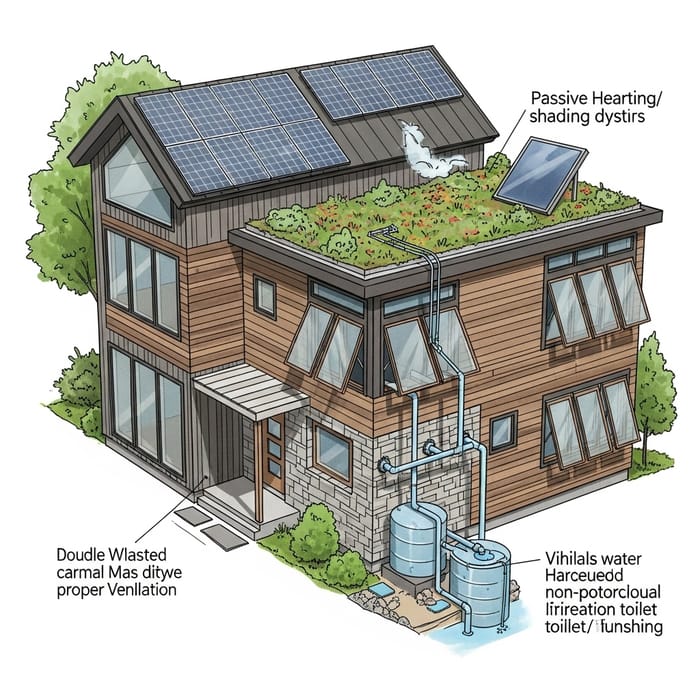
Installing solar panels is one of the most direct ways to use green energy. Panels convert sunlight into electricity, reducing your reliance on fossil fuels.
There are flexible options such as rooftop panels, solar shingles, or portable solar chargers for smaller devices. Have you checked if your local government offers incentives or rebates? These can significantly lower the initial cost.
Energy-efficient Appliances
Swapping out old appliances for energy-efficient models cuts power consumption sharply. Look for ENERGY STAR ratings when shopping for refrigerators, washing machines, or dishwashers.
Smaller energy use means lower bills and less strain on the power grid. Even replacing light bulbs with LED alternatives makes a noticeable difference. What appliance in your home consumes the most energy?
Smart Thermostats
Smart thermostats learn your schedule and adjust heating or cooling automatically. This avoids wasting energy when no one is home or during sleep hours.
You can control these thermostats from your phone, adding convenience and control. Many users report saving up to 15% on heating and cooling costs. How often do you manually adjust your thermostat now?
Credit: www.rd.com
Sustainable Materials
Sustainable materials make your home eco-friendly and healthy. They reduce waste and use natural resources wisely. Choosing these materials helps protect the planet and saves energy. Sustainable options last longer and often require less maintenance.
Using sustainable materials also improves indoor air quality. It creates a safer space for your family and pets. These choices support a greener lifestyle and inspire others around you.
Eco-friendly Flooring
Eco-friendly flooring uses natural or recycled materials. Bamboo and cork are fast-growing and renewable. They provide strong, beautiful floors with less harm to forests.
Reclaimed wood flooring recycles old wood. It keeps trees standing and adds unique character. Natural stone and linoleum are also good options. They last long and contain fewer chemicals.
Non-toxic Paints
Non-toxic paints contain fewer harmful chemicals. They release less odor and no dangerous fumes. These paints improve air quality and reduce health risks.
Look for paints labeled low-VOC or zero-VOC. They come in many colors and finishes. Using non-toxic paint protects your family and the environment.
Recycled Furniture
Recycled furniture uses old materials to create new pieces. It saves resources and reduces landfill waste. You can find stylish, durable furniture made from reclaimed wood, metal, or plastic.
Buying second-hand or vintage furniture also supports recycling. These pieces have a story and add charm to your home. Refurbishing furniture is another way to reuse materials and personalize your space.
Water Conservation
Water conservation saves this precious resource and lowers utility bills. It helps protect the environment and supports sustainable living. Simple changes at home can reduce water waste and make a big difference over time.
Low-flow Fixtures
Low-flow fixtures reduce water use without losing performance. Faucets, showerheads, and toilets with this technology use less water per minute. They save gallons daily, cutting down water bills. Installation is easy and often requires no special tools.
Rainwater Harvesting
Rainwater harvesting collects rain from roofs and stores it for later use. This water can irrigate gardens, wash cars, and clean outdoor areas. Using rainwater lowers demand on municipal water supplies. Simple barrels or larger tanks work well for most homes.
Greywater Systems
Greywater systems reuse water from sinks, showers, and washing machines. This water is filtered and redirected for outdoor use. It helps reduce fresh water consumption and lowers wastewater output. These systems can be small-scale or professionally installed depending on needs.

Credit: flixahdeveloperspvtltd.com
Waste Reduction
Waste reduction plays a key role in creating an eco-friendly home. Cutting down waste lowers pollution and saves resources. Small changes in daily habits can make a big difference over time. Waste reduction helps conserve energy and reduce landfill use. It also promotes a cleaner, healthier living space.
Composting At Home
Composting turns food scraps and yard waste into nutrient-rich soil. It cuts down on trash sent to landfills. Use a compost bin in your backyard or a small container indoors. Add fruit peels, coffee grounds, eggshells, and leaves. Avoid meat, dairy, and oily foods to prevent odors.
Compost speeds up plant growth and reduces the need for chemical fertilizers. It helps keep your garden healthy and green.
Recycling Tips
Recycling saves raw materials and energy. Separate paper, plastic, glass, and metal before recycling. Clean containers to avoid contamination. Check local recycling rules since they differ by area. Avoid mixing recyclables with trash to improve efficiency.
Use reusable bags for sorting and transporting recyclables. Teaching family members about recycling can boost success.
Reducing Single-use Plastics
Single-use plastics harm the environment and take hundreds of years to decompose. Replace plastic bags with cloth or reusable ones. Use refillable water bottles instead of disposable plastic bottles. Choose products with minimal or no plastic packaging.
- Bring your own containers for takeout food
- Switch to bar soap instead of liquid soap in plastic bottles
- Use beeswax wraps instead of plastic wrap
These small actions can greatly reduce plastic waste at home.
Indoor Air Quality
Indoor air quality plays a crucial role in your health and comfort at home. Poor air can cause headaches, allergies, and fatigue. Improving it is easier than you think, and the benefits are immediate.
Houseplants For Clean Air
Did you know certain houseplants can actually help filter the air? Plants like spider plants, snake plants, and peace lilies absorb toxins and release fresh oxygen. Adding a few pots around your living space not only brightens the room but also improves the air you breathe.
Keep in mind, plants need proper care to thrive and keep cleaning your air effectively. Are you ready to turn your home into a mini indoor garden that benefits your health?
Natural Cleaning Products
The chemicals in many cleaning products can worsen indoor air quality. Switching to natural options like vinegar, baking soda, and lemon juice reduces harmful fumes. These alternatives clean just as well without releasing toxins into your space.
Try making your own cleaning sprays at home. It’s simple, budget-friendly, and your lungs will thank you. What’s stopping you from ditching those chemical cleaners today?
Proper Ventilation
Good airflow is key to removing stale air and bringing in fresh oxygen. Regularly open windows or use exhaust fans to reduce indoor pollution. Even a few minutes a day can make a big difference in air freshness.
If you live in a place with poor outdoor air, consider using an air purifier with a HEPA filter. How often do you think about the air moving through your home?
Credit: easy-peasy.ai
Eco-friendly Landscaping
Eco-friendly landscaping helps create a beautiful yard that saves resources. It supports local wildlife and reduces pollution. This approach uses natural methods to keep gardens healthy without harmful chemicals. The focus stays on conserving water, soil, and energy.
Native Plants Selection
Choose plants that grow naturally in your area. Native plants need less water and care. They attract birds, bees, and butterflies. These plants improve soil health and prevent erosion. Using native species reduces the need for fertilizers and pesticides.
Organic Gardening
Use natural compost and mulch to feed your plants. Avoid synthetic chemicals that harm the environment. Organic gardening promotes healthy soil and strong plants. It supports beneficial insects that control pests. This method keeps your garden safe for children and pets.
Water-smart Irrigation
Water your garden early in the morning or late in the evening. Use drip irrigation or soaker hoses to save water. Collect rainwater in barrels for watering plants. Mulch around plants to keep soil moist longer. These techniques reduce water waste and keep plants healthy.
Energy-saving Habits
Energy-saving habits reduce electricity bills and help protect the planet. Small changes at home make a big difference. These habits lower energy use and cut pollution. Everyone can start with simple actions that save power daily.
Unplugging Devices
Many devices use power even when off. This is called “phantom load.” Unplug chargers, TVs, and kitchen gadgets when not in use. Use power strips to switch off many devices at once. This saves energy and prevents extra costs.
Efficient Lighting
Switch to LED bulbs. They use less energy and last longer. Turn off lights in empty rooms. Use natural light during the day. Choose lamps with dimmers to lower brightness. This saves electricity and brightens your home smartly.
Temperature Control Tips
Set your thermostat wisely. Lower it in winter and raise it in summer. Use fans to cool rooms instead of air conditioning. Close curtains to keep heat out or in. Dress for the season to stay comfortable without extra heating or cooling.
Frequently Asked Questions
What Are Simple Eco-friendly Practices At Home?
Start by reducing waste, conserving water, and using energy-efficient appliances. Recycle regularly and choose reusable products to minimize environmental impact.
How Can I Save Energy With Home Practices?
Switch to LED bulbs, unplug devices when not in use, and use smart thermostats. These steps lower electricity bills and reduce carbon footprint.
Why Is Water Conservation Important At Home?
Saving water reduces utility bills and preserves natural resources. Simple actions like fixing leaks and using water-efficient fixtures make a big difference.
How Does Composting Benefit Home Gardens?
Composting turns kitchen waste into nutrient-rich soil. It reduces landfill waste and improves garden health naturally without chemical fertilizers.
Conclusion
Small actions at home make a big difference for the planet. Saving water, reducing waste, and using less energy help protect nature. Each eco-friendly step creates a cleaner, safer world for everyone. Start with easy changes and build good habits over time.
Living green is simple and good for your family’s health. Together, these efforts keep our Earth healthy for future generations. Choose to care for the environment every day. It matters more than you think.