
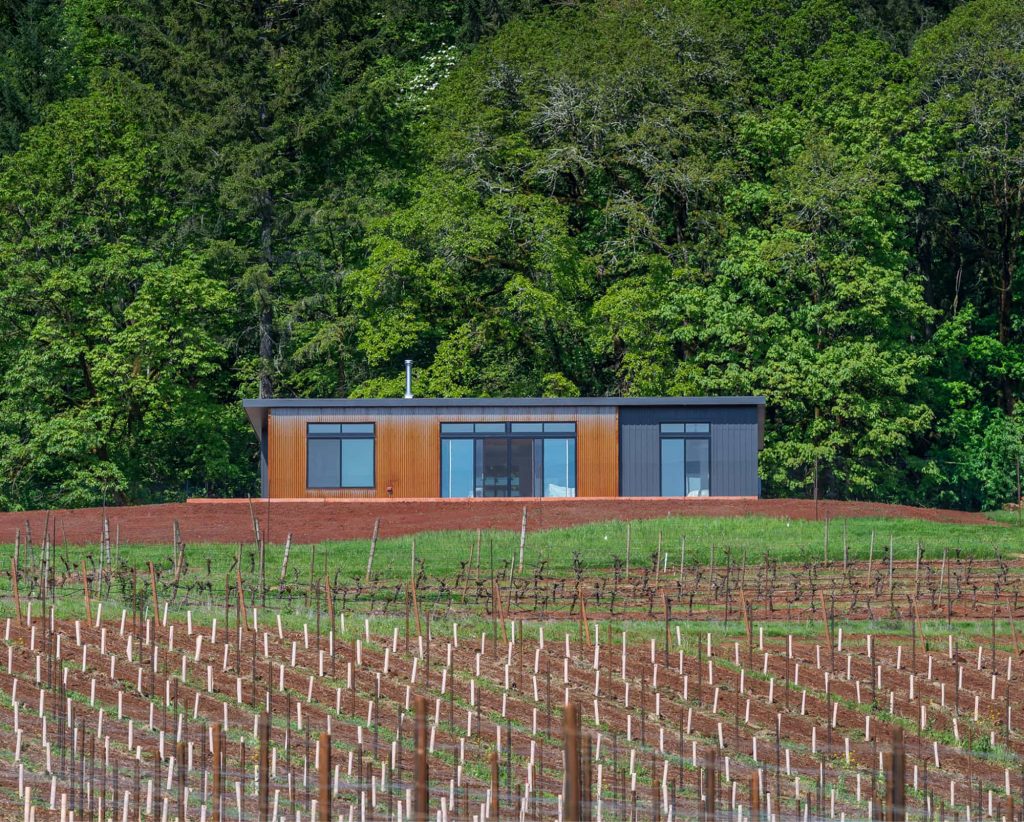
Imagine living in a home that saves you money, protects the planet, and fits your lifestyle perfectly. Eco friendly modular homes make this possible.
They combine smart design with sustainable materials to create spaces that are healthy, efficient, and beautiful. If you care about your family’s well-being and want to reduce your carbon footprint without sacrificing comfort, this is the solution you’ve been looking for.
Keep reading to discover how these homes can transform the way you live—and why they might be the best choice for your next move.
Credit: www.amazon.com
Benefits Of Eco Modular Homes
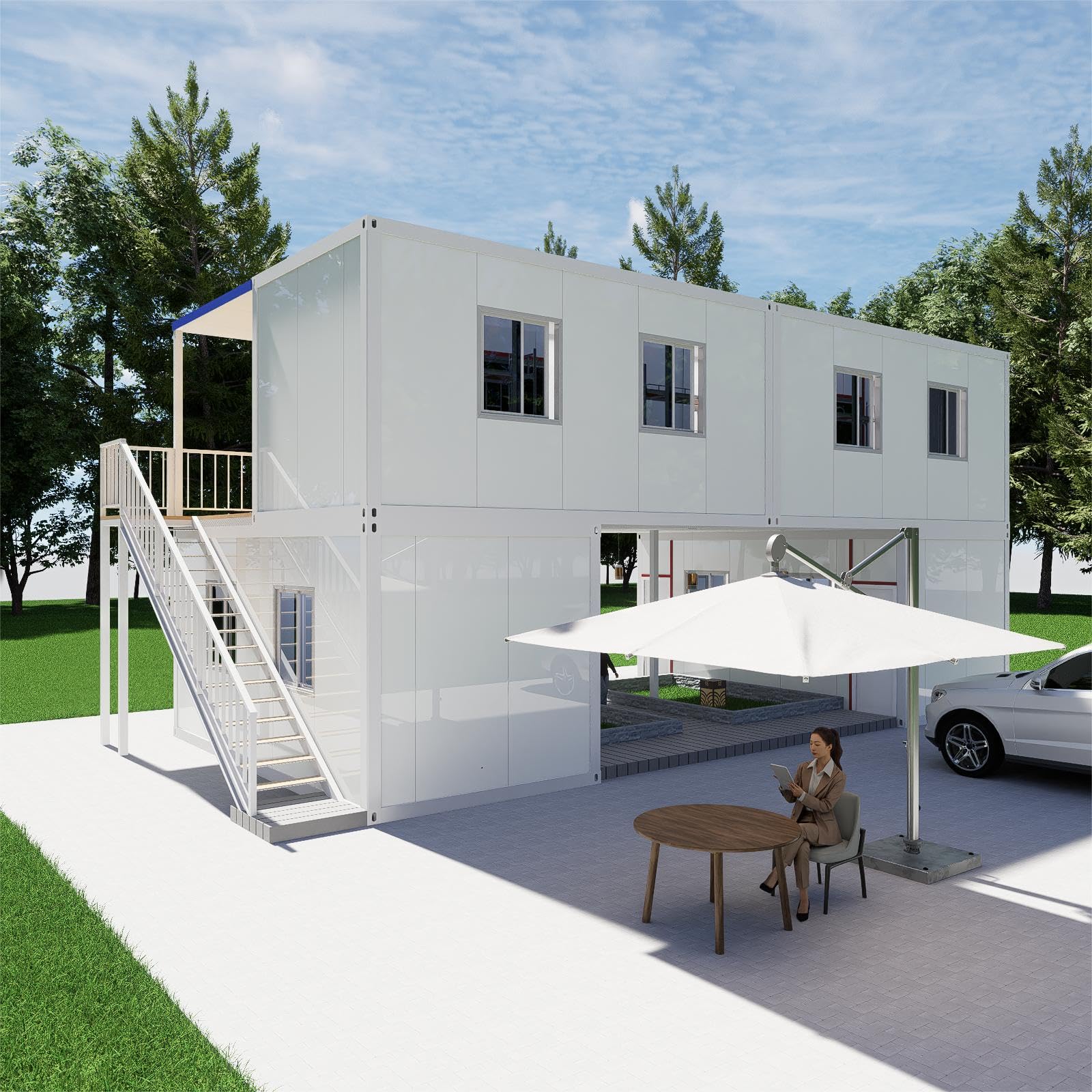
Eco-friendly modular homes offer more than just a sustainable living option—they bring a range of benefits that can improve your lifestyle and reduce your footprint. By choosing these homes, you’re investing in a future where comfort meets responsibility. Let’s look at how these benefits can make a real difference for you and the planet.
Lower Environmental Impact
Eco modular homes use materials that are often recycled or sustainably sourced, which lowers the demand for new resources. The controlled factory setting reduces construction waste significantly compared to traditional building sites.
Because these homes are built with precision, they also minimize site disturbance and pollution. Have you considered how much waste your current home creates during remodeling or repairs?
Energy Efficiency
These homes are designed to be highly energy efficient. They often include advanced insulation, energy-saving windows, and efficient heating and cooling systems that keep your energy bills low.
This means you use less power daily, reducing your carbon footprint without sacrificing comfort. Imagine enjoying a warm winter or cool summer while knowing you’re conserving energy.
Cost Savings Over Time
While the initial investment in an eco modular home might seem high, the long-term savings can be substantial. Reduced utility bills from better insulation and efficient appliances cut your monthly expenses.
Maintenance costs are also lower because modular homes are built with durable materials and quality control. How much could you save each year by switching to a home that’s designed to last and save energy?
Key Sustainable Materials
Choosing the right materials can make a huge difference in how eco-friendly your modular home is. Sustainable materials reduce waste, lower energy use, and keep your living space healthier. Understanding these key materials helps you make smarter choices for your home and the planet.
Recycled And Renewable Resources
Using recycled materials like reclaimed wood or recycled steel cuts down on the demand for new raw materials. Renewable resources such as bamboo grow quickly and can be harvested with minimal environmental impact. You can also find modular homes that use cork flooring, which is both renewable and naturally antimicrobial.
Ask yourself: could your home benefit from materials that have already been given a second life? Recycled content not only saves trees but often costs less, making it a win-win.
Non-toxic Finishes
Many traditional paints and finishes release harmful chemicals into your home’s air. Choosing non-toxic finishes means you avoid these pollutants, creating a safer environment for you and your family. Look for water-based paints, natural oils, and waxes that are free from volatile organic compounds (VOCs).
Think about the air you breathe every day—wouldn’t you want it to be as clean as possible? Non-toxic finishes can improve indoor air quality without sacrificing style or durability.
Insulation Options
Good insulation keeps your home warm in winter and cool in summer, reducing energy bills and emissions. Eco-friendly options include cellulose insulation made from recycled paper, sheep’s wool, and cotton. These materials are biodegradable and often perform better than synthetic alternatives.
Consider how insulation affects your comfort and costs over time. Could choosing a natural insulation material help you save money and energy in the long run?
Innovative Design Features
Eco friendly modular homes stand out because of their smart and thoughtful design features. These features not only reduce environmental impact but also enhance your comfort and reduce utility costs. Let’s look closely at some of the most effective design elements that make these homes truly innovative.
Passive Solar Design
Passive solar design uses the sun’s natural energy to heat and light your home efficiently. By positioning windows and walls to capture sunlight during the day, you can reduce the need for artificial heating and lighting.
Imagine waking up in a home that feels warm and bright without running your heater or lights. This design also uses materials that store heat during the day and release it at night, keeping the temperature steady. Have you ever thought about how the direction your home faces could save you money every month?
Water Conservation Systems
Water-saving features are essential in eco friendly modular homes. Rainwater harvesting systems collect rain for irrigation or flushing toilets, cutting down your water bills and reducing demand on local water supplies.
Low-flow faucets, dual-flush toilets, and greywater recycling also help minimize waste. These systems work silently in the background, but their impact is huge. Could your home do more to protect this precious resource?
Smart Home Integration
Smart technology allows you to control lighting, heating, and security with ease and precision. These systems optimize energy use by adapting to your habits and preferences.
For example, smart thermostats learn when you’re home and adjust temperatures accordingly, saving energy without sacrificing comfort. Integrating these features gives you more control and helps reduce your carbon footprint. How often do you check your energy use, and could smarter tech make a difference?
Building Process Advantages
Eco friendly modular homes offer clear advantages in the building process. These homes use pre-made sections built in factories. This approach improves efficiency and reduces waste. The controlled environment enhances quality and speeds up construction.
Reduced Construction Waste
Modular building cuts down on waste significantly. Factory settings allow precise material use. Leftover materials are reused or recycled easily. On-site waste is much less compared to traditional builds. This process helps protect the environment.
Faster Build Times
Modular homes are faster to build than traditional houses. Sections are made at the same time as site work. This parallel process saves weeks or months. Less weather delay affects the project timeline. Faster completion means less disruption and lower costs.
Quality Control Benefits
Factories provide strict quality control for each module. Skilled workers follow exact standards every time. Indoor conditions prevent damage from weather. Each part is checked before delivery. This results in strong, durable, and well-finished homes.
Cost Considerations
Understanding the cost involved in eco friendly modular homes is essential before making a decision. These homes can sometimes seem pricey upfront, but the long-term benefits often balance the initial expenses. Let’s break down the key cost factors to help you see the bigger picture.
Initial Investment
The upfront cost of an eco friendly modular home often includes materials, design, and assembly. Using sustainable materials might cost more than traditional ones, but they provide better durability and lower maintenance. You might find that modular construction reduces labor costs since much of the building happens off-site.
Think about a friend who saved thousands by choosing a modular home with energy-efficient windows and insulation. Their initial investment was higher, but it made the house more comfortable and valuable.
Long-term Savings
Eco friendly modular homes can significantly reduce your utility bills. Features like solar panels, rainwater harvesting, and superior insulation cut energy and water costs. Over time, these savings add up and often offset the initial investment.
Have you considered how much you spend on electricity yearly? Investing in sustainable technology can lower those bills and even increase your home’s resale value. This makes eco friendly homes a smart financial choice over the years.
Financing Options
Finding the right financing for an eco friendly modular home is easier than you might think. Many lenders now offer green loans or incentives for sustainable building projects. These options can lower your interest rates or provide grants to help with costs.
Ask your bank about special programs or government rebates that support eco friendly construction. Taking advantage of these can make your dream home more affordable and reduce financial stress.
Credit: www.biobuilds.com
Popular Eco Modular Home Models
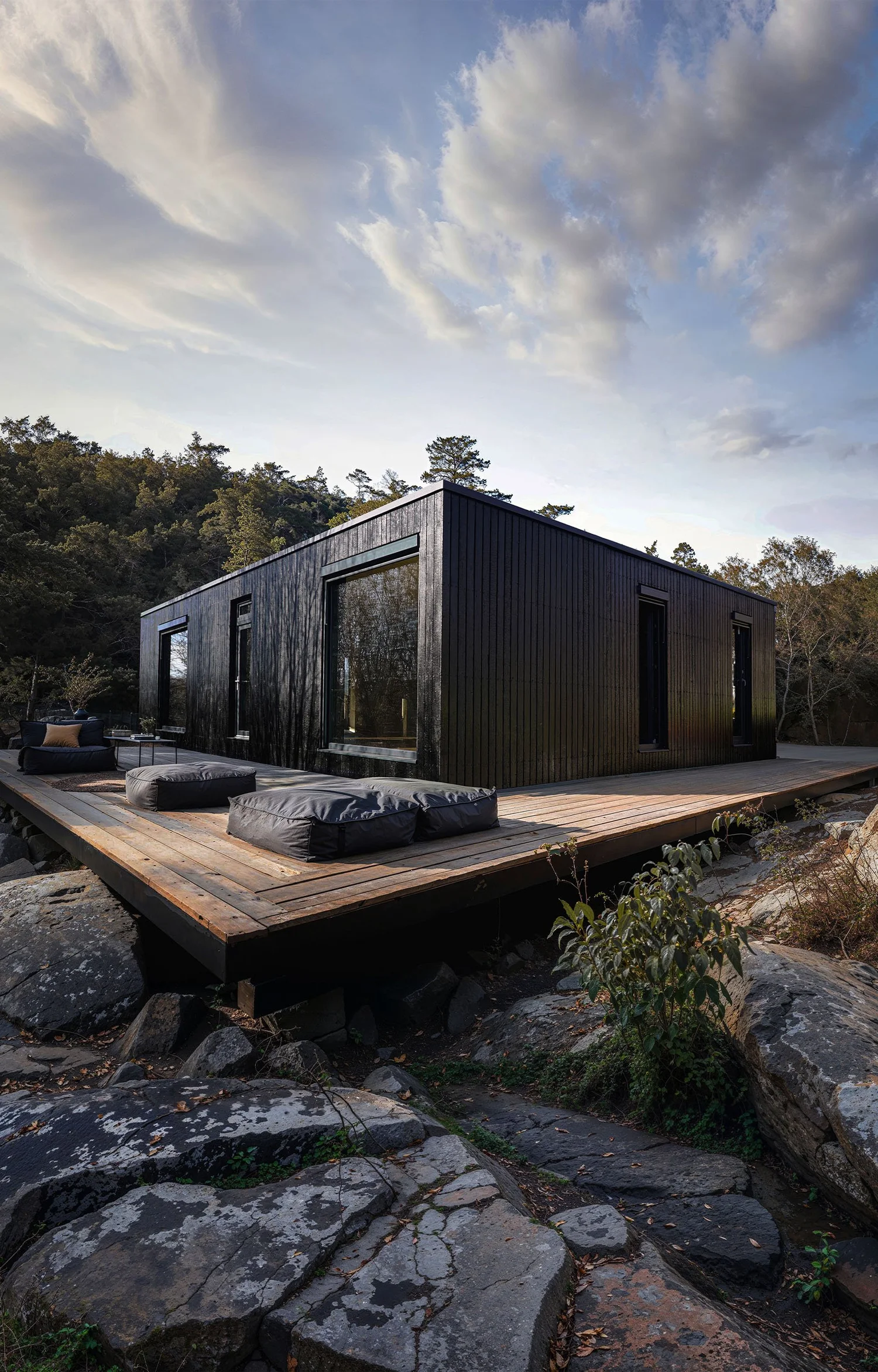
Eco-friendly modular homes come in a variety of models designed to meet different lifestyles and needs. Whether you’re looking for a compact living space or a full-sized family home, there’s a sustainable modular option ready for you. Understanding these popular models can help you choose a home that fits your budget, space, and environmental goals.
Tiny Modular Homes
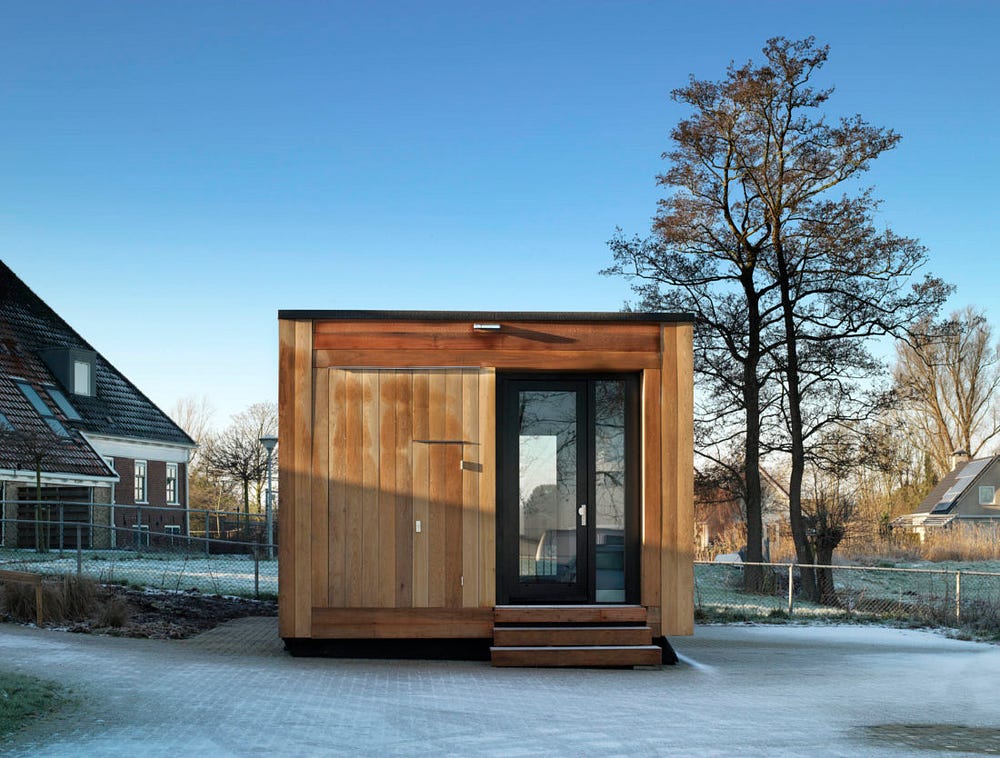
Tiny modular homes are perfect if you want to minimize your footprint without sacrificing comfort. These compact units often range from 100 to 400 square feet and are designed to maximize every inch of space.
You might find built-in storage, foldable furniture, and energy-efficient appliances in these homes. They often use recycled materials and solar panels to reduce energy use.
Could living small be the key to living sustainably for you?
Family-sized Units
Family-sized modular homes offer more space while still focusing on sustainability. These units typically start at 1,000 square feet and can include multiple bedrooms and bathrooms.
Many builders use eco-friendly insulation, water-saving fixtures, and renewable energy options like geothermal heating.
If you want a green home that accommodates your whole family, these models provide a practical and healthy living environment.
Customizable Designs
Customizable modular homes give you control over every detail, from layout to materials. You can select eco-friendly options such as bamboo flooring, low-VOC paints, and energy-efficient windows.
These designs allow you to blend sustainability with your personal style, making your home uniquely yours.
What features would you prioritize if you could design your eco-friendly home from scratch?
Challenges And Solutions
Building an eco-friendly modular home comes with unique challenges that can test your planning and patience. However, each obstacle offers a chance to find smart, practical solutions that keep your project on track. Understanding these challenges early helps you navigate them smoothly and maintain your commitment to sustainability.
Zoning And Permitting
Zoning laws often restrict what kind of structures you can build on your property. Modular homes sometimes face stricter rules because they don’t fit the traditional home mold. Have you checked your local regulations to see if they allow modular constructions?
Working with local authorities early in the process can prevent delays. Some areas require special permits for modular units, especially if they are off-grid or use alternative energy sources. Getting a professional to handle paperwork can save you time and headaches.
Transportation Logistics
Transporting large modular sections to your site can be complicated and costly. Roads, bridges, and tight corners might limit the size of modules you can bring in. Have you mapped out the route and measured any possible obstacles?
Choosing a modular home manufacturer experienced with local transportation rules helps avoid surprises. Sometimes breaking down modules into smaller pieces or scheduling deliveries during off-peak hours makes logistics easier. Planning this carefully can reduce damage risk and extra fees.
Maintenance Tips
Modular homes need regular upkeep, just like traditional homes. The eco-friendly materials you choose may require specific care to last longer and stay efficient. Are you ready to commit to routine checks and simple repairs?
Keep an eye on seals and joints between modules to prevent leaks. Using non-toxic, environmentally safe cleaning products protects your home and the planet. Setting a maintenance calendar helps you stay consistent and catch small issues before they become big problems.
Credit: www.bfp.vc
Future Trends In Sustainable Modular Living
Looking ahead, sustainable modular living is set to transform how we build and live. The future trends focus on making homes not just eco-friendly but smart, efficient, and deeply connected with their environment. Understanding these trends can help you make choices that benefit both your lifestyle and the planet.
Advances In Green Technology
Green technology is evolving fast, bringing new materials and methods to modular homes. Imagine walls that clean the air or windows that adjust tint based on sunlight. These innovations reduce energy use and improve comfort without raising costs.
You might find homes using recycled and biodegradable materials that last longer and lower waste. Smart sensors now monitor energy and water consumption, giving you real-time data to cut down bills and your footprint.
Integration With Renewable Energy
Solar panels and wind turbines are becoming standard features in modular homes. You can even buy modular homes with built-in energy storage systems, so your home stays powered during outages.
Consider how pairing your home with renewable energy sources could make you less dependent on the grid. Are you ready to turn your home into its own power plant?
Some communities are experimenting with shared renewable energy setups, allowing neighbors to trade or share excess power efficiently.
Community And Urban Planning
The future of modular living isn’t just about individual homes but entire eco-friendly neighborhoods. Planners focus on walkability, green spaces, and shared resources that reduce overall environmental impact.
Modular construction speeds up the creation of such communities, making affordable, sustainable housing more accessible.
Imagine living in a neighborhood where your home, park, and local shops all work together to support your green lifestyle. How could this change your daily habits and connection to your community?
Frequently Asked Questions
What Are Eco-friendly Modular Homes?
Eco-friendly modular homes are sustainable, prefabricated houses designed for minimal environmental impact. They use renewable materials and energy-efficient technologies. These homes are built in factories and assembled on-site, reducing waste and construction time. They offer a cost-effective, customizable, and environmentally conscious housing option.
How Do Modular Homes Save Energy?
Modular homes save energy through efficient design and insulation. They use high-quality materials and sealed construction methods. Energy-efficient appliances and systems further reduce consumption. These features contribute to lower utility bills and a smaller carbon footprint, making modular homes an attractive option for eco-conscious buyers.
Are Eco-friendly Modular Homes Customizable?
Yes, eco-friendly modular homes are highly customizable. Buyers can choose from various floor plans, finishes, and materials. Customization allows homeowners to design a space that meets their needs and preferences. This flexibility ensures that each home is unique while maintaining sustainable and energy-efficient standards.
Do Modular Homes Have A Smaller Carbon Footprint?
Modular homes have a smaller carbon footprint due to their efficient construction process. Factory-built modules reduce waste and transportation emissions. Eco-friendly materials and energy-saving features further decrease environmental impact. These factors make modular homes an appealing option for those seeking sustainable living solutions.
Conclusion
Eco friendly modular homes offer a smart way to live sustainably. They save energy and reduce waste during construction. These homes are quicker to build and cost less. Many designs fit different lifestyles and budgets. Choosing a modular home helps protect the environment.
It also creates a comfortable and healthy place to live. Small steps like this can make a big difference for our planet. Consider eco friendly modular homes for a greener future.