
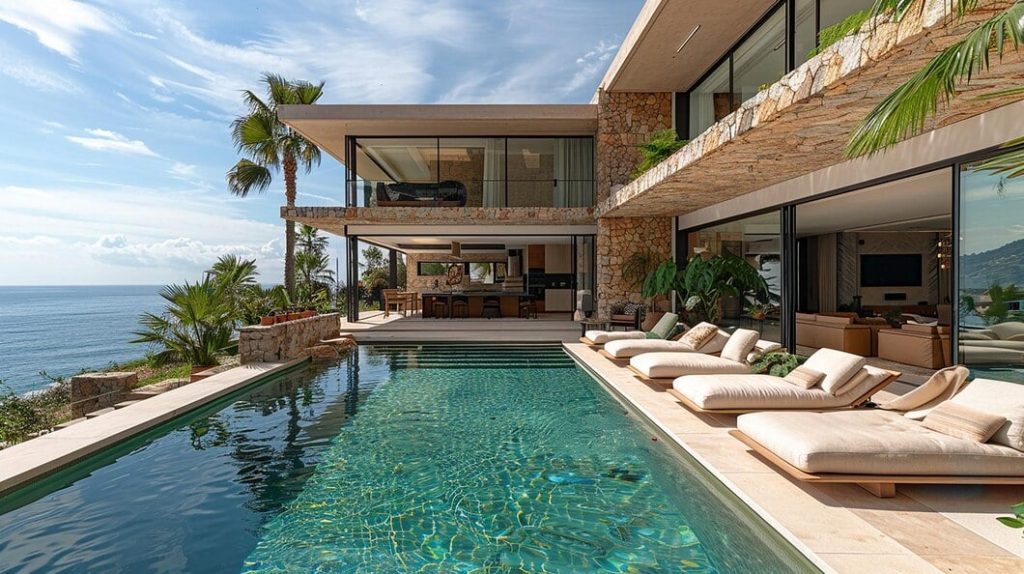
Imagine living in a home that not only looks stunning but also cares for the planet. Eco-friendly luxury homes give you the best of both worlds—style and sustainability.
If you want a beautiful space that reduces your carbon footprint and saves energy, this is the perfect choice for you. Ready to discover how your dream home can be both elegant and earth-friendly? Keep reading to find out what makes these homes truly special and why they could be the perfect fit for your lifestyle.
Green Materials In Luxury Homes
Green materials form the heart of eco-friendly luxury homes. They reduce harm to nature and create healthy living spaces. These materials combine style, durability, and sustainability. Builders choose them to lower environmental impact without sacrificing elegance.
Using green materials means selecting resources that are renewable, recycled, or sustainably sourced. These choices help conserve energy and reduce waste. Luxury homes built with such materials show that comfort and care for the planet can go hand in hand.
Sustainable Building Resources
Sustainable resources come from nature without depleting it. Examples include bamboo, cork, and reclaimed wood. These materials grow fast or come from reused sources. They provide strength and beauty while saving forests and reducing carbon footprint.
- Bamboo: grows quickly and is very strong
- Reclaimed wood: reused from old buildings, adds character
- Cork: renewable and good for insulation
Innovative Eco-friendly Finishes
Finishes protect surfaces and add style. Eco-friendly finishes use natural oils, water-based paints, or low-VOC coatings. They avoid toxic chemicals and improve indoor air quality. These finishes keep luxury homes safe and elegant.
- Natural oils: nourish wood without harmful effects
- Water-based paints: less pollution and strong colors
- Low-VOC coatings: reduce fumes and health risks
Recycled And Renewable Options
Recycled materials reuse waste, cutting down landfill needs. Renewable options come from sources that replenish quickly. Both types support circular economy and reduce raw material use. Examples include recycled metal, glass, and renewable wool insulation.
| Material | Source | Benefit |
|---|---|---|
| Recycled metal | Scrap metal melted and reused | Energy saving and waste reduction |
| Recycled glass | Broken glass crushed and remade | Reduces landfill and saves resources |
| Renewable wool insulation | Sheep wool harvested sustainably | Natural, breathable, and recyclable |
Energy Efficiency Features
Energy efficiency is key in eco-friendly luxury homes. It lowers utility bills and reduces environmental impact. These homes use smart designs and modern technology to save energy. They create comfortable living spaces that stay cool or warm with less power. Here are some important features that make these homes energy-efficient.
Solar Power Integration
Solar panels capture sunlight and turn it into electricity. This clean energy powers the home and reduces reliance on the grid. Many luxury homes include solar systems on roofs or nearby land. Battery storage keeps extra power for nighttime or cloudy days. Solar power cuts energy costs and lowers carbon footprints.
Smart Home Energy Systems
Smart systems control lighting, heating, and cooling automatically. Sensors detect when rooms are empty and adjust settings to save power. Mobile apps allow homeowners to monitor and manage energy use remotely. These systems optimize energy use without sacrificing comfort. They help prevent waste and improve efficiency.
Advanced Insulation Techniques
Good insulation keeps heat inside during winter and outside in summer. Luxury homes use high-quality materials in walls, roofs, and floors. Techniques include spray foam, rigid panels, and double-glazed windows. Proper insulation reduces the need for heating and cooling. This lowers energy consumption and enhances comfort year-round.
Water Conservation Solutions
Water conservation is vital in eco-friendly luxury homes. These homes use smart solutions to save water without losing comfort. Efficient water use helps reduce bills and protects the environment. Many techniques catch rainwater, cut water waste, and reuse greywater. These approaches keep homes green and sustainable.
Rainwater Harvesting Systems
Rainwater harvesting collects rain from roofs and stores it for later use. This water can irrigate gardens or flush toilets. Luxury homes often have large storage tanks and filters. This system lowers dependence on city water. It also reduces water runoff and erosion around the property.
Low-flow Fixtures And Appliances
Low-flow fixtures use less water while working well. Faucets, showerheads, and toilets with this tech save gallons daily. Modern appliances like dishwashers and washing machines also reduce water use. Choosing these products helps maintain luxury without waste. It is a simple way to cut water use at home.
Greywater Recycling Methods
Greywater recycling reuses water from sinks, showers, and laundry. This water is treated and used again for irrigation or toilet flushing. Systems vary from simple to complex setups in luxury homes. Recycling greywater can cut fresh water use by up to 50%. It supports sustainability and lowers water bills significantly.

Credit: www.harrynorman.com
Design For Natural Living
Design for natural living focuses on blending luxury with nature. This approach creates homes that feel open, fresh, and calming. It reduces energy use and improves health. Every design choice aims to connect people with the outdoors and natural elements.
Maximizing Natural Light
Natural light brightens rooms and cuts electricity use. Large windows and skylights bring in the sun. Light colors on walls and floors help reflect sunlight. Open layouts allow light to travel through the home easily. This design also supports mood and productivity.
Indoor-outdoor Connectivity
Seamless flow between inside and outside spaces makes homes feel larger. Sliding glass doors and folding walls open wide to patios or gardens. Outdoor living areas like decks or lounges extend the home’s usable space. This connection invites fresh air and nature inside, creating a peaceful environment.
Biophilic Design Elements
Biophilic design uses natural materials and shapes to bring nature indoors. Wood, stone, and plants make spaces feel warm and alive. Indoor gardens and green walls improve air quality and add beauty. Curved lines and natural textures mimic the outdoors. These touches reduce stress and boost comfort.
Luxury Meets Sustainability
Luxury homes no longer mean sacrificing the planet’s well-being. Today’s upscale residences combine elegance with eco-conscious design, proving that you can live lavishly while respecting the environment. This blend of luxury and sustainability challenges you to rethink what comfort truly means.
Eco-friendly Amenities
Imagine a home where every feature reduces your carbon footprint without compromising style. From solar panels that power your entire estate to energy-efficient appliances that cut down electricity bills, eco-friendly amenities are game changers.
Consider heated floors powered by geothermal energy or triple-glazed windows that keep your home perfectly insulated. These upgrades not only feel indulgent but also save you money and help the planet. What eco-friendly feature would make your daily life easier and greener?
Sustainable Landscaping
Your garden can be as responsible as your home. Using native plants that require less water and maintenance creates a beautiful, thriving landscape. It also supports local wildlife, which is often overlooked in luxury yard designs.
Think about rain gardens that naturally filter stormwater or drought-resistant lawns that stay lush without constant watering. These choices reduce waste and keep your outdoor space stunning year-round. How could you redesign your yard to boost sustainability?
Smart Waste Management
Managing waste smartly is key to sustainable living in luxury homes. Integrated compost systems turn kitchen scraps into nutrient-rich soil, reducing landfill contributions.
Advanced recycling stations make sorting effortless, encouraging everyone in the household to participate. Technologies like waste-to-energy converters can even transform trash into usable power. Are you ready to transform your home’s waste habits into a model of efficiency?

Credit: sealiontrailers.com
Market Trends And Buyer Preferences
Eco-friendly luxury homes are shaping the real estate market. Buyers now prefer properties that balance elegance with sustainability. This shift reflects a growing awareness of environmental impact and personal well-being.
The market trends highlight a clear move toward green living. Buyers want homes that offer comfort without harming the planet. Builders respond by integrating eco-friendly materials and technologies.
Rising Demand For Green Homes
More buyers seek homes with energy-efficient features. Solar panels, smart thermostats, and water-saving systems are popular. These features reduce utility bills and carbon footprints.
Young professionals and families show strong interest. They value health benefits from better air quality and natural lighting. The demand pushes developers to create more sustainable luxury options.
Investment Benefits Of Eco-luxury
Eco-friendly luxury homes often retain value better over time. Buyers see them as wise investments. Energy savings and lower maintenance costs add financial appeal.
Green certifications increase market credibility. They attract buyers looking for verified sustainability. This can speed up sales and boost resale prices.
Future Outlook For Sustainable Living
Experts predict eco-luxury homes will dominate future markets. Advances in green technology will enhance home efficiency and comfort. More communities will adopt sustainable building codes.
Buyers will expect more transparency about environmental impact. Demand for zero-waste and net-zero energy homes will grow. Sustainable living is becoming a lifestyle, not just a trend.

Credit: www.mansionglobal.com
Frequently Asked Questions
What Defines An Eco-friendly Luxury Home?
An eco-friendly luxury home combines sustainable design with high-end features. It uses energy-efficient materials, renewable energy, and smart technology to reduce environmental impact while maintaining comfort and style.
How Do Luxury Homes Use Renewable Energy?
Luxury homes often incorporate solar panels, geothermal systems, or wind turbines. These systems reduce reliance on fossil fuels, lower energy bills, and promote sustainable living without sacrificing luxury.
Are Eco-friendly Luxury Homes More Expensive?
Initial costs can be higher due to sustainable materials and technology. However, long-term savings on energy and maintenance often offset these expenses, making them cost-effective over time.
What Materials Are Common In Eco-friendly Luxury Homes?
Sustainable materials like reclaimed wood, bamboo, recycled metal, and low-VOC paints are common. They reduce environmental harm and improve indoor air quality while enhancing the home’s aesthetic.
Conclusion
Eco-friendly luxury homes blend comfort with care for the earth. They save energy and reduce waste in smart ways. These homes use natural materials and clean technology. Living in one means enjoying beauty and helping nature. Small changes in design make big differences for the planet.
Choosing eco-friendly luxury supports a healthier future for all. It feels good to live in a space that respects the world. Sustainable living is not just a trend, but a wise choice.