

Are you ready to make your home better for both your family and the planet? Eco friendly home upgrades can save you money, boost your comfort, and reduce your environmental impact—all at the same time.
Imagine cutting your energy bills while creating a healthier space for you and your loved ones. You’ll discover simple, effective changes you can make right now that won’t overwhelm your budget or your schedule. Keep reading to find out how easy it is to transform your home into a green, welcoming haven.
Credit: www.finelinekitchensinc.com
Benefits Of Eco Upgrades
Upgrading your home with eco-friendly features offers more than just environmental benefits. It changes the way you live, saving money and improving your health. These changes might seem small at first, but they add up quickly to make a big difference.
Lower Energy Bills
Eco upgrades often focus on reducing energy use, which means your utility bills go down. Installing LED lights, better insulation, or energy-efficient appliances cuts the power your home consumes. I once replaced old windows with energy-saving models and noticed a drop of nearly 20% in my heating bills within the first winter.
Do you know how much energy your home wastes right now? Simple changes can save you hundreds annually without sacrificing comfort.
Reduced Carbon Footprint
Every eco upgrade helps shrink your carbon footprint by lowering greenhouse gas emissions. Solar panels, smart thermostats, and water-saving devices all reduce reliance on fossil fuels. Your choices directly influence the health of the planet, making your home part of the solution.
Imagine if every household made small changes—how much cleaner could the air become? Your eco-friendly home sets an example for your community and future generations.
Improved Indoor Air Quality
Many eco upgrades improve the air you breathe inside your home. Using non-toxic paints, better ventilation, and natural materials cuts down on allergens and harmful chemicals. After switching to low-VOC paints, I noticed fewer headaches and better sleep quality.
Have you ever considered how your home’s air affects your daily wellbeing? Cleaner air means a healthier life for you and your family.
Energy Efficient Lighting
Energy efficient lighting is a simple yet powerful upgrade for any eco-friendly home. It reduces your electricity bill and lowers your carbon footprint. Switching your lights can make a noticeable difference in your daily energy use.
Led Vs Traditional Bulbs
LED bulbs use up to 75% less energy than traditional incandescent bulbs. They last much longer—sometimes over 25,000 hours compared to 1,000 hours for incandescent bulbs.
I switched all my home lighting to LEDs last year and immediately saw a drop in my electricity bill. The upfront cost was higher, but the savings quickly made up for it.
LEDs also produce less heat, which helps keep your home cooler in the summer. This reduces the load on your air conditioning, saving even more energy.
- Lower energy consumption
- Longer lifespan
- Less heat emission
- Variety of color temperatures
Are you still using traditional bulbs in less visible areas? Replacing those can add up to big savings.
Smart Lighting Solutions
Smart lighting lets you control your lights remotely through apps or voice commands. You can schedule lights to turn off when you leave a room or dim them to save energy.
Using motion sensors in hallways and bathrooms prevents lights from staying on unnecessarily. This small change helped me cut down energy waste without any effort.
Many smart bulbs also allow you to adjust brightness and color, creating the perfect ambiance while using less power.
- Remote control and scheduling
- Motion and occupancy sensors
- Adjustable brightness and color
- Energy usage tracking
Have you considered how smart lighting could fit into your daily routine? It might be easier than you think to save energy without changing your lifestyle.
Sustainable Materials
Choosing sustainable materials is key to building an eco-friendly home. These materials reduce harm to the planet and help conserve resources. They often use less energy during production and last longer. Selecting the right materials supports a healthier environment and a safer home.
Recycled And Renewable Options
Recycled materials reuse waste to create new building products. This lowers landfill waste and saves raw materials. Common recycled options include:
- Reclaimed wood from old buildings
- Recycled metal for framing and fixtures
- Recycled glass for tiles and countertops
- Insulation made from recycled paper or denim
Renewable materials come from sources that can regrow quickly. Bamboo is a popular choice because it grows fast and is strong. Cork is another option, harvested without harming trees. Using these materials helps protect forests and reduces carbon footprints.
Low Voc Paints
Low VOC paints release fewer harmful chemicals into the air. VOCs, or volatile organic compounds, can cause health problems. Choosing low VOC paints improves indoor air quality and makes your home safer. These paints come in many colors and finishes, offering the same look without the toxins. They dry quickly and have less odor, making them better for you and the environment.
Credit: maybankpropertyadvisors.com
Water Conservation Tips
Saving water is a simple way to protect the environment. Many homes waste more water than needed. Small changes can lower water use and reduce bills. These tips help you save water without losing comfort. Let’s explore easy ways to conserve water at home.
Low Flow Fixtures
Low flow fixtures use less water while working well. These include faucets, showerheads, and toilets. They keep water pressure steady but cut water use by up to 50%. Installing low flow fixtures is quick and affordable. They help reduce water waste and save money on bills.
- Choose low flow showerheads that use 2.0 gallons per minute or less.
- Replace old faucets with aerators to reduce water flow.
- Use dual flush toilets to save water with each flush.
Rainwater Harvesting
Rainwater harvesting collects rain for later use. It helps water plants and clean outdoor spaces. This method lowers the need for tap water and cuts water bills. Rain barrels or tanks can store rain from your roof. This water is free and eco-friendly.
- Place rain barrels under downspouts to collect runoff.
- Use collected water to irrigate gardens and lawns.
- Ensure barrels have lids to keep out debris and mosquitoes.
Insulation And Windows
Upgrading your home’s insulation and windows can dramatically reduce energy bills and boost comfort. These two elements work together to keep your home warm in winter and cool in summer, cutting down on the need for constant heating or air conditioning. Choosing eco-friendly options not only benefits your wallet but also helps protect the environment.
Eco-friendly Insulation Types
Not all insulation is created equal. Some options use recycled or natural materials that reduce environmental impact.
- Cellulose insulation:Made from recycled paper treated for fire resistance, it’s a budget-friendly choice that offers excellent thermal performance.
- Cotton insulation:Created from recycled denim, it’s safe to handle and provides good soundproofing along with insulation.
- Sheep’s wool:Natural and renewable, wool regulates humidity and keeps your home comfortable year-round.
- Spray foam with plant-based ingredients:Offers strong air sealing while minimizing the use of harmful chemicals.
I swapped my old fiberglass for cellulose insulation last year and noticed my heating bill dropped significantly. Have you checked if your insulation could be doing more harm than good?
Energy Efficient Windows
Windows play a huge role in your home’s energy efficiency. Old or single-pane windows can leak heat and let in cold drafts.
- Double or triple-pane glass:These windows trap air or gas between panes, improving insulation.
- Low-emissivity (Low-E) coatings:These thin layers reflect heat back inside during winter and block heat outside during summer.
- Frames made from sustainable materials:Wood or fiberglass frames last longer and have better insulation properties than aluminum.
- Proper installation:Even the best windows lose efficiency if not installed correctly, so professional fitting is key.
Think about your current windows—are they keeping your home cozy or costing you extra? Upgrading can feel pricey upfront, but the energy savings quickly balance it out.
Credit: www.earthava.com
Solar Power Integration
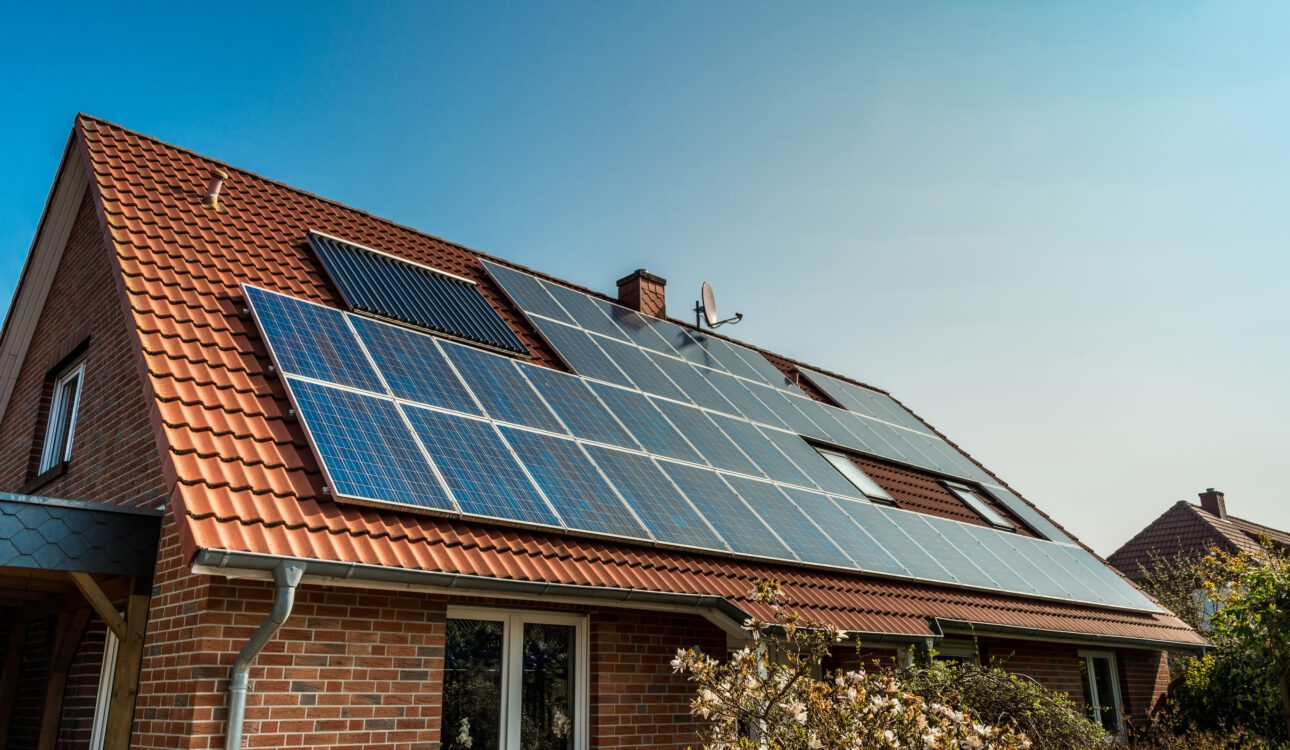
Solar power integration is a smart upgrade for any eco-friendly home. It uses sunlight to produce electricity, reducing energy bills and carbon footprint. This technology works well in many climates and offers long-term savings.
Solar Panels Basics
Solar panels are devices that capture sunlight and convert it into electricity. They are usually installed on rooftops for maximum sun exposure. Panels consist of many small solar cells made of silicon. These cells create direct current (DC) electricity.
An inverter changes DC electricity into alternating current (AC). AC powers your home appliances and devices. Solar panels need little maintenance and can last 25 years or more.
- Panels work best in direct sunlight
- Shaded areas reduce efficiency
- Orientation and angle affect power output
Battery Storage Solutions
Battery storage stores extra solar energy for later use. It helps supply power during nighttime or cloudy days. Batteries increase home energy independence and reduce reliance on the grid.
Common battery types include lithium-ion and lead-acid. Lithium-ion batteries are more efficient and last longer. Battery size depends on your energy needs and solar system size.
| Battery Type | Advantages | Considerations |
|---|---|---|
| Lithium-Ion | High efficiency, long lifespan, compact size | Higher cost upfront |
| Lead-Acid | Lower initial cost | Shorter lifespan, bulkier |
Smart Home Technology
Smart home technology is transforming how we upgrade our homes to be more eco friendly. It puts control in your hands, helping you reduce waste and save energy without sacrificing comfort. By using devices that learn your habits and respond automatically, you can make smarter choices every day.
Energy Monitoring
Energy monitoring tools show you exactly how much power your home uses. These devices connect to your electrical system and provide real-time data on consumption. You can see which appliances are energy hogs and adjust your usage accordingly.
Imagine checking your phone and spotting that your old fridge is consuming double the energy of your new smart one. That insight pushes you to replace inefficient appliances sooner. Some monitors also send alerts if unusual energy spikes occur, helping you catch problems early.
Automated Climate Control
Automated climate control systems adjust your home’s temperature based on your schedule and preferences. They prevent energy waste by turning heating or cooling off when no one is home. This means you never have to remember to change the thermostat manually.
Using sensors, these systems can detect when a room is empty and reduce heating or cooling there. Over time, they learn your habits and create a personalized comfort profile. You save energy without feeling a drop in comfort.
Have you noticed how much energy your heating or cooling uses daily? Using smart thermostats can cut those costs significantly while keeping your home cozy or cool exactly when you want it.
Eco-friendly Landscaping
Eco-friendly landscaping transforms outdoor spaces into sustainable, beautiful areas. It reduces water use and supports local wildlife. Choosing the right plants and gardening techniques saves resources and lowers maintenance.
Native Plants
Native plants grow well in local soil and climate. They need less water and no extra fertilizer. These plants provide food and shelter for birds and insects. Planting native species keeps your garden healthy and balanced.
- Adapted to local weather
- Requires minimal care
- Supports biodiversity
- Reduces chemical use
Water Wise Gardening
Water wise gardening conserves water without harming plants. It includes using mulch to keep soil moist. Grouping plants by water needs prevents waste. Efficient watering methods like drip irrigation deliver water directly to roots.
- Mulch retains soil moisture
- Plants with similar needs together
- Drip irrigation saves water
- Collect rainwater for irrigation
Frequently Asked Questions
What Are The Best Eco Friendly Home Upgrades?
The best eco friendly home upgrades include energy-efficient windows, solar panels, LED lighting, and smart thermostats. These reduce energy use and lower bills. Using sustainable materials for insulation and flooring also helps create a greener home environment while improving comfort and durability.
How Do Solar Panels Benefit Eco Friendly Homes?
Solar panels generate clean, renewable energy from the sun, reducing reliance on fossil fuels. They lower electricity costs and decrease carbon footprints. Installing solar panels increases home value and provides long-term savings, making them a top choice for sustainable home upgrades.
Can Eco Friendly Upgrades Save Money On Utilities?
Yes, eco friendly upgrades like LED bulbs, energy-efficient appliances, and proper insulation reduce energy consumption. This lowers electricity and heating bills significantly. Over time, these savings can offset upgrade costs, making eco friendly choices financially smart and environmentally responsible.
What Materials Are Best For Sustainable Home Upgrades?
Sustainable materials include bamboo, reclaimed wood, recycled metal, and low-VOC paints. These options reduce environmental impact and improve indoor air quality. Choosing durable, eco friendly materials ensures long-lasting upgrades that support health and sustainability in your home.
Conclusion
Eco friendly home upgrades save money and help the planet. Small changes add up to big benefits. Use energy-saving lights and water-saving fixtures. Plant trees or start a garden for cleaner air. Choose natural materials for healthier living spaces. These steps make your home comfortable and green.
Every effort counts toward a better future. Start today and enjoy the positive impact. Your home can be a part of the solution. Simple actions lead to lasting change.