
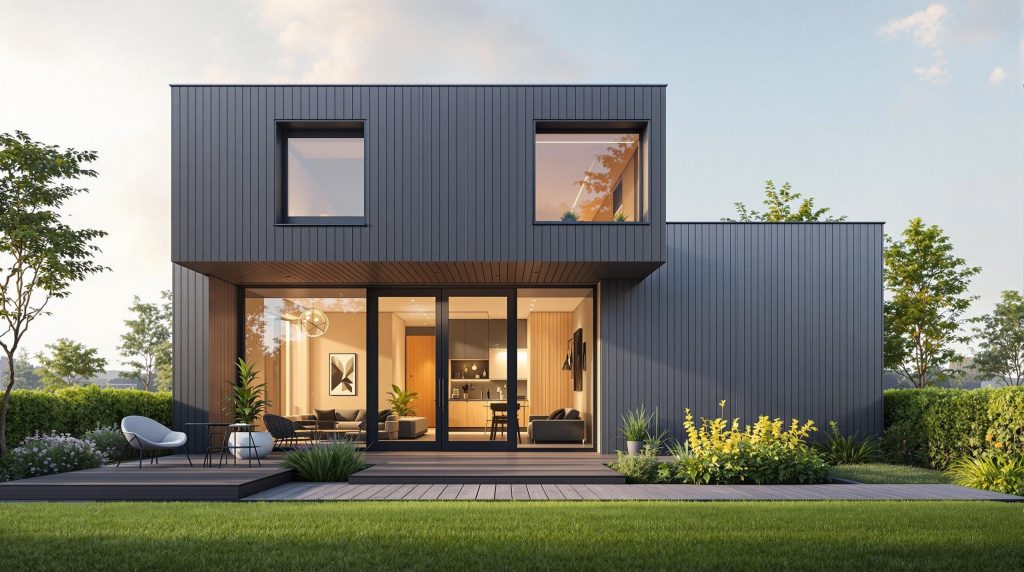
Thinking about giving your home a fresh look? What if your renovation could save you money, boost your comfort, and help protect the planet all at once?
Eco-friendly home renovations make this possible. By choosing smart, green upgrades, you create a space that feels better to live in and leaves a smaller footprint on the environment. You’ll discover simple changes that can transform your home into a healthier, more efficient haven.
Ready to see how easy and rewarding going green can be? Keep reading to unlock the secrets of eco-friendly home renovations tailored just for you.

Credit: www.cardinaldecor.com
Benefits Of Eco-friendly Renovations
Eco-friendly home renovations offer many benefits beyond just improving your living space. They help protect the environment, reduce long-term costs, and create a healthier home. Choosing sustainable materials and energy-efficient solutions can make a big difference.
Environmental Impact
Using eco-friendly materials lowers waste and pollution. Energy-efficient appliances reduce energy use and carbon emissions. Sustainable renovations help conserve natural resources. This supports a cleaner planet for future generations.
Cost Savings
Eco-friendly upgrades often lower utility bills. Insulation and energy-efficient windows reduce heating and cooling costs. Durable materials mean fewer repairs and replacements. These savings add up over time, easing financial strain.
Health Advantages
Natural materials improve indoor air quality. They reduce exposure to harmful chemicals and toxins. Better ventilation and lighting create a healthier living space. This supports well-being and comfort for all family members.
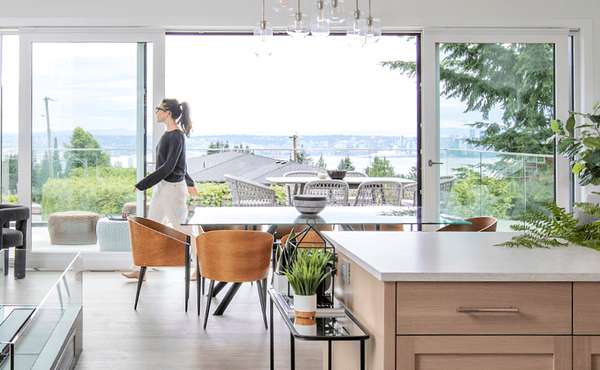
Credit: www.ecohome.net
Choosing Sustainable Materials
Choosing sustainable materials is a crucial part of eco-friendly home renovations. These materials reduce environmental impact and improve your home’s health and durability. When you select the right materials, you also support a market that values responsible production.
Recycled And Reclaimed Options
Using recycled or reclaimed materials can give your renovation a unique character. Wood from old buildings, bricks from demolished sites, and recycled metal not only cut down waste but often bring a timeless look to your home.
I once replaced my kitchen cabinets with reclaimed wood, and it added warmth and history to the space. What’s more, these materials often cost less than new ones, making them budget-friendly too.
Low Voc Paints And Finishes
Paints and finishes with low volatile organic compounds (VOCs) protect your indoor air quality. Many traditional paints release chemicals that can cause headaches, allergies, or worse over time.
Choosing low VOC options means you and your family breathe cleaner air. Plus, these paints come in a wide range of colors, so you don’t have to sacrifice style for safety.
Eco-friendly Flooring
Your flooring choice affects both the environment and your daily comfort. Materials like bamboo, cork, and sustainably harvested hardwood are durable and renewable.
Consider cork flooring—it’s soft underfoot, reduces noise, and grows back quickly after harvest. What type of flooring could combine comfort with your eco-conscious values?
Energy Efficiency Upgrades
Energy efficiency upgrades reduce home energy use and lower utility bills. They create a comfortable living space and help the environment. Simple improvements can make a big difference in how your home uses energy.
Insulation Improvements
Good insulation keeps your home warm in winter and cool in summer. It stops heat from escaping or entering through walls, roofs, and floors. Adding or upgrading insulation reduces the need for heating and cooling systems. Materials like spray foam, fiberglass, and cellulose offer effective insulation options. Proper insulation also lowers noise from outside, creating a quieter home.
Energy-efficient Windows
Windows are a major source of heat loss and gain. Energy-efficient windows use double or triple glazing to improve insulation. Low-emissivity (Low-E) coatings reflect heat back inside during winter and block heat during summer. These windows reduce drafts and improve indoor comfort. They also cut energy costs by lowering heating and cooling demands.
Solar Power Integration
Solar panels convert sunlight into electricity for your home. They reduce dependence on the grid and lower electricity bills. Solar systems can power lights, appliances, and heating systems. Combining solar with battery storage keeps your home powered during outages. Installing solar panels increases your home’s value and supports clean energy use.

Credit: www.handymanhomes.co.za
Water Conservation Techniques
Water conservation is a key part of eco-friendly home renovations. Saving water helps lower bills and protects the environment. Small changes in your home can save a lot of water over time.
Different techniques reduce water use without losing comfort. These methods fit well into many home styles and budgets. They help create a sustainable living space.
Low-flow Fixtures
Low-flow fixtures reduce the amount of water used. Faucets, showerheads, and toilets use less water but still work well. These fixtures save gallons of water every day.
- Low-flow showerheads can cut water use by 40%.
- Low-flow faucets reduce water flow without lowering pressure.
- Dual-flush toilets offer two flush options for less water use.
Installing low-flow fixtures is an easy and effective upgrade. They lower water bills and reduce water waste.
Rainwater Harvesting
Rainwater harvesting collects rainwater for home use. It stores water from roofs in barrels or tanks. This water can irrigate gardens or wash outdoor areas.
- Rainwater is free and helps reduce demand on city water.
- Simple rain barrels fit most homes and cost little.
- Larger systems can supply water for toilets and laundry.
Rainwater harvesting cuts water bills and supports plants naturally. It is a smart way to use natural resources.
Greywater Systems
Greywater systems reuse water from sinks, showers, and laundry. This water is filtered and used for irrigation or toilet flushing. It saves fresh water by recycling gently used water.
- Greywater reduces the need for fresh water in yards.
- Systems vary from simple to complex setups.
- Proper design keeps the system safe and efficient.
Using greywater helps maintain gardens without wasting clean water. It is an eco-friendly choice for water conservation.
Smart Home Technologies
Smart home technologies bring a powerful edge to eco-friendly home renovations. They help you save energy without sacrificing comfort. By using these tools, you gain control over your home’s energy use and reduce your environmental footprint.
Energy Monitoring Systems
Energy monitoring systems give you real-time data on your electricity consumption. They show which appliances use the most power and when. This insight helps you make smarter decisions, like unplugging devices or running them during off-peak hours.
Imagine seeing your monthly energy use drop simply by knowing where to cut back. These systems often come with apps that send alerts and tips to keep you on track. Have you checked how much energy your fridge or heater really uses?
Automated Lighting
Automated lighting adjusts brightness based on your presence or natural light levels. It prevents lights from staying on when rooms are empty. This simple change can cut electricity use significantly over time.
Some systems let you schedule lights or control them remotely via smartphone. This means no more worrying if you forgot to turn off the lights before leaving. How much energy could you save by letting your lights manage themselves?
Smart Thermostats
Smart thermostats learn your daily routines and adjust heating or cooling accordingly. They avoid wasting energy by not heating or cooling empty rooms. Many also allow you to control your home’s temperature from anywhere.
These devices can lower your bills and reduce your carbon footprint without you lifting a finger. Over time, they pay for themselves through energy savings. Are you ready to make your home more comfortable and eco-friendly with smarter heating and cooling?
Waste Reduction Strategies
Waste reduction is a crucial part of making your home renovation eco-friendly. It not only lessens your environmental impact but often saves money and time. You might be surprised how small changes in handling materials can lead to significant benefits for both your project and the planet.
Recycling Construction Waste
Instead of tossing out old wood, metal, or drywall, think about recycling them. Many local recycling centers accept construction materials and turn them into new products. This keeps useful resources out of landfills and reduces the need for new raw materials.
You can sort materials on-site to make recycling easier. Separate metals, concrete, and plastics into different containers. This simple step speeds up the recycling process and can even lower disposal fees.
Donating Unused Materials
Leftover tiles, bricks, or fixtures often end up as waste, but they can have a second life. Donating these items to community projects, schools, or nonprofits helps others while reducing waste. It feels good knowing your surplus materials support someone else’s project.
Before throwing anything away, ask yourself: could this be useful to someone else? Many organizations will even pick up donations, saving you effort and reducing the waste you create.
Minimalist Design Approaches
Choosing a minimalist design can cut down on waste before it starts. By focusing on quality over quantity, you use fewer materials and create less scrap. This approach encourages you to buy only what you need and think carefully about each item’s purpose.
Consider how every piece fits into your overall plan. Could a simpler layout or fewer fixtures do the job just as well? This mindset reduces waste and often results in a cleaner, more functional space.
Creating Healthy Indoor Environments
Creating a healthy indoor environment is essential for your well-being and comfort during home renovations. It goes beyond aesthetics and focuses on making your living space safer and more enjoyable. Small changes in materials and design can lead to significant improvements in how your home feels and functions every day.
Improving Air Quality
Air quality inside your home affects your health more than you might realize. Poor ventilation can trap pollutants, allergens, and moisture, causing discomfort or illness.
You can improve air quality by:
- Installing energy-efficient ventilation systems that bring in fresh air
- Using exhaust fans in kitchens and bathrooms to reduce humidity and odors
- Adding indoor plants that naturally filter air toxins
Have you noticed how fresh air instantly lifts your mood? Imagine feeling that every day in your home.
Using Non-toxic Materials
Many renovation products release harmful chemicals, even after installation. Choosing non-toxic materials protects you from long-term exposure to these substances.
Look for:
- Paints labeled as low-VOC (Volatile Organic Compounds) or zero-VOC
- Natural flooring options like bamboo or cork instead of synthetic carpets
- Adhesives and sealants made without harmful chemicals
Switching to these materials may cost a little more upfront but can prevent health problems and save money on medical bills later. What materials are you currently using that could be replaced?
Maximizing Natural Light
Natural light boosts mood and reduces the need for artificial lighting. It also helps regulate your sleep patterns and increases productivity.
Ways to bring more natural light into your home include:
- Installing larger windows or skylights
- Using light-colored walls and reflective surfaces to spread light
- Trimming outdoor plants that block sunlight
Think about the rooms you spend the most time in—could they benefit from a brighter, sunnier atmosphere? Enhancing natural light can transform your daily living experience.
Frequently Asked Questions
What Are The Best Materials For Eco-friendly Home Renovations?
Sustainable materials include bamboo, reclaimed wood, recycled metal, and low-VOC paints. These reduce environmental impact and improve indoor air quality. Choosing durable, renewable, and non-toxic materials ensures a healthier home and lowers carbon footprint effectively.
How Can Energy Efficiency Improve During Renovations?
Upgrading insulation, installing energy-efficient windows, and using LED lighting reduce energy consumption. Incorporating solar panels and energy-saving appliances also helps. These steps lower utility bills and decrease your home’s environmental impact significantly.
What Are Simple Ways To Reduce Waste In Renovations?
Reuse existing materials, donate unwanted items, and recycle debris. Plan projects carefully to avoid excess waste. Minimizing landfill contributions helps conserve resources and supports sustainable building practices during your renovation.
How Do Eco-friendly Renovations Impact Home Value?
Green upgrades increase property appeal and market value. Buyers prefer energy-efficient, sustainable homes due to lower utility costs and healthier living spaces. Investing in eco-friendly renovations often results in higher resale prices and faster sales.
Conclusion
Eco-friendly home renovations save money and protect the planet. Small changes add up to big benefits for your family. Using natural materials keeps your home healthy and fresh. Energy-efficient upgrades reduce bills and carbon footprints. Choose simple steps that fit your budget and lifestyle.
Start with one project and see the positive results. Living greener feels good and makes a lasting impact. Your home can be a place of comfort and care. Why not make your space kinder to the Earth today?