
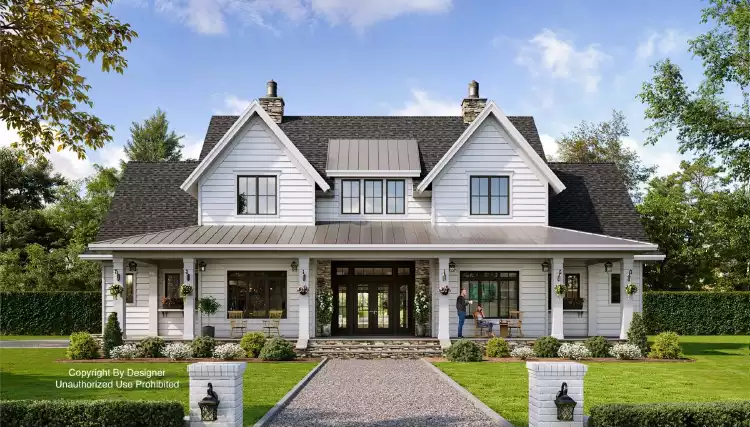
Are you dreaming of a home that saves you money, protects the planet, and feels just right? Eco friendly home plans can make that dream a reality.
Imagine living in a space designed to use less energy, reduce waste, and bring fresh air and natural light inside. You don’t have to sacrifice comfort or style to build a home that works with nature. Keep reading to discover simple, smart ideas that can transform your future house into a healthy, eco-friendly haven you’ll love.
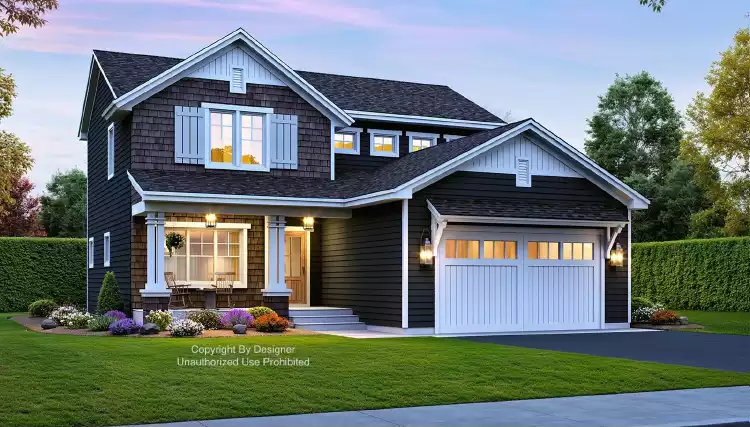
Credit: www.thehousedesigners.com
Benefits Of Eco Friendly Homes
Eco friendly homes offer many advantages beyond just being good for the planet. They save money, improve health, and lower environmental impact. Choosing such a home means making smart choices for today and tomorrow.
Lower Energy Bills
Eco friendly homes use less energy for heating, cooling, and lighting. They include features like better insulation and energy-efficient windows. Solar panels often help cut electricity costs. Less energy use means lower utility bills every month.
Reduced Carbon Footprint
These homes produce fewer greenhouse gas emissions. They use sustainable materials and clean energy sources. The design reduces waste and pollution during construction. Living in an eco friendly home helps protect the environment.
Healthier Living Environment
Eco friendly homes have better air quality inside. Natural materials reduce harmful chemicals and allergens. Good ventilation keeps fresh air flowing continuously. This creates a safer, more comfortable space for families.
Key Features Of Green Home Designs
Green home designs focus on reducing environmental impact. They use smart choices in materials, building methods, and water use. These choices help save energy and water while keeping the home comfortable.
Understanding key features helps in choosing or designing an eco-friendly home. These features bring benefits like lower bills and a smaller carbon footprint.
Energy Efficient Materials
Energy efficient materials keep homes warm in winter and cool in summer. They reduce the need for heating and air conditioning. Common materials include:
- Insulated windows that block heat loss
- Walls with high-quality insulation
- Roofing materials that reflect sunlight
These materials help maintain steady indoor temperatures. This lowers energy use and saves money.
Sustainable Building Techniques
Sustainable building techniques reduce waste and use resources wisely. Builders use methods that protect the environment. Examples include:
- Recycling construction waste
- Using locally sourced materials
- Designing homes to maximize natural light
These techniques create durable homes with less environmental harm.
Water Conservation Systems
Water conservation systems reduce water waste in daily use. These systems help save water and lower bills. Common features include:
- Rainwater harvesting systems
- Low-flow faucets and showerheads
- Efficient irrigation for gardens
Using less water protects local water supplies and supports sustainability.
Popular Eco Friendly Home Styles
Choosing an eco friendly home style can shape not only how you live but also how your house impacts the environment. Popular styles offer different benefits, making it easier for you to find one that fits your lifestyle and sustainability goals. Let’s look at some of the top choices and what makes them stand out.
Passive Solar Homes
Passive solar homes use the sun’s energy to heat and cool your space naturally. Large south-facing windows and materials that absorb heat help keep your home warm in winter and cool in summer without relying heavily on electricity.
I once visited a passive solar home where the temperature stayed comfortable all year long, even during a cold snap. The design made me realize how smart planning reduces energy bills and carbon footprint at the same time.
Have you considered how the placement of windows and walls could cut your heating and cooling costs drastically?
Tiny Houses
Tiny houses focus on minimalism and efficient use of space. By living smaller, you reduce the resources needed for construction, maintenance, and energy.
Many people find that tiny houses help them simplify life and spend less on utilities. You might be surprised how much you can fit into a well-designed tiny home without feeling cramped.
Could downsizing your living space be the key to a greener lifestyle and more financial freedom?
Earth Sheltered Homes
Earth sheltered homes are built into the ground or covered with soil. This natural insulation keeps the interior temperature steady, saving energy throughout the year.
I toured an earth sheltered home where the walls were thick with earth, making it cool in summer and warm in winter. It showed me how blending your home with the landscape can reduce your environmental impact.
What if your home could protect you from extreme weather while cutting energy use significantly?
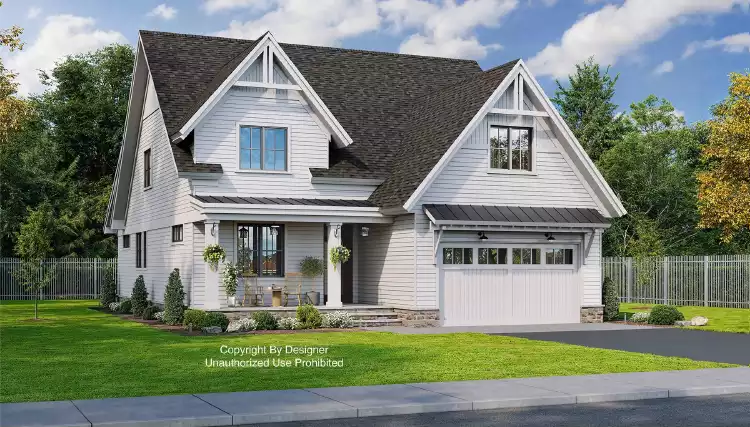
Credit: www.thehousedesigners.com
Smart Technology For Eco Homes
Smart technology plays a key role in eco-friendly home plans. It helps reduce energy use and lowers bills. These technologies make homes more comfortable and easier to manage. They connect devices and systems for better control and efficiency.
Solar Panels And Battery Storage
Solar panels capture sunlight and turn it into electricity. This energy powers your home and reduces reliance on the grid. Battery storage stores extra energy for use at night or on cloudy days. It ensures a steady power supply and less waste.
Smart Thermostats
Smart thermostats learn your schedule and adjust temperatures automatically. They save energy by heating or cooling only when needed. You can control them from your phone, even when away. These devices improve comfort and cut down energy costs.
Energy Monitoring Systems
Energy monitoring systems track your home’s energy use in real time. They show which devices use the most power. This helps you find ways to save energy and reduce waste. Some systems send alerts to prevent high energy use.
Landscaping For Sustainability
Landscaping for sustainability transforms your outdoor space into a thriving, eco-friendly environment. It reduces water use, supports local wildlife, and cuts down on maintenance. You can create a beautiful garden that also helps the planet by making smart choices in plants, water, and food production.
Native Plants And Trees
Choosing native plants and trees is a simple way to support local ecosystems. These plants are adapted to your area’s climate and soil, so they need less water and care. They also provide food and shelter for birds, bees, and other pollinators.
Try visiting a local nursery to find species native to your region. You might be surprised how colorful and diverse your garden can be without adding extra stress to the environment. Have you noticed how native plants attract more butterflies and birds to your yard?
Rainwater Harvesting
Collecting rainwater saves money and reduces demand on municipal water systems. You can set up rain barrels or install more advanced rainwater harvesting systems to capture runoff from your roof. This water can be used for irrigation, washing, or even indoor non-potable needs.
Think about how often you use water outdoors and whether rainwater could replace some of that. Installing a simple rain barrel can cut down your water bills and keep your garden hydrated during dry spells. What small changes could you make to capture rainwater at your home?
Edible Gardens
Growing your own fruits, vegetables, and herbs reduces the environmental impact of food transport and packaging. An edible garden also connects you with nature and encourages healthier eating habits. Even small spaces can support container gardens or vertical planting.
Start with easy-to-grow plants like tomatoes, basil, or lettuce. Watching your food grow can inspire you to try new recipes and reduce food waste. Have you thought about how much fresher and tastier homegrown produce can be compared to store-bought?
Budgeting Your Eco Friendly Remodel
Budgeting your eco friendly remodel can feel overwhelming, but it doesn’t have to break the bank. Understanding where your money goes and how to make smart choices is key. You can build a green home that saves you money over time without an upfront cost that scares you off.
Cost Vs. Savings Analysis
Start by listing all the potential costs for your remodel—materials, labor, permits, and unexpected expenses.
Then, compare these costs against the long-term savings you expect from energy efficiency, water conservation, and reduced maintenance.
For example, switching to energy-efficient windows might add to your initial budget but can cut heating bills significantly. Ask yourself: How soon will these savings pay off the initial investment?
Government Incentives
Many local and federal programs offer rebates, tax credits, or low-interest loans for eco-friendly upgrades.
Check your government’s website or contact your city’s housing department to find current incentives.
These incentives can reduce your remodel costs by hundreds or even thousands of dollars. Are you missing out on benefits just because you didn’t look?
Choosing Affordable Materials
Eco-friendly doesn’t have to mean expensive. Look for recycled, reclaimed, or locally sourced materials that lower transport costs and environmental impact.
Materials like bamboo flooring, reclaimed wood, or low-VOC paints often cost less than you think and add unique character to your home.
Think about balancing cost with durability—spending a little more on quality can save you money on repairs later. What affordable materials can you source nearby?
Finding Eco Friendly Home Plans
Finding eco friendly home plans can shape how you build and live sustainably. Choosing the right plan helps reduce energy use and environmental impact. Many options exist for locating plans that fit green living goals.
Online Resources
Websites offer many eco friendly home plans ready to download. These plans often include energy-saving features and use sustainable materials. Some platforms allow filtering by size, style, and green certification. Reviews and customer feedback help assess plan quality. Free and paid plans are available for various budgets.
Architects Specializing In Green Design
Architects with experience in green design create custom eco friendly plans. They consider local climate, materials, and energy efficiency. Experts help ensure your home meets environmental standards. Hiring an architect allows personalized plans tailored to your lifestyle. Collaboration improves sustainability and comfort in your new home.
Custom Vs. Pre-designed Plans
Pre-designed plans are ready-made and often less expensive. They suit common needs but may lack unique green features. Custom plans offer tailored solutions for specific eco goals. These plans can maximize natural light, ventilation, and energy use. Budget and personal preferences influence the best choice for you.
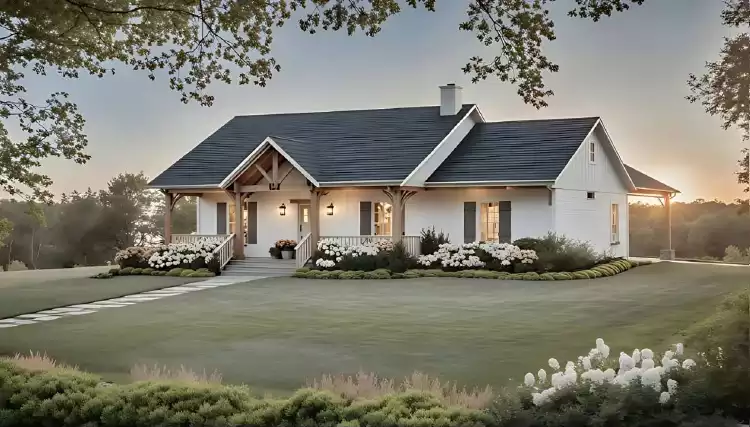
Credit: www.thehousedesigners.com
Frequently Asked Questions
What Are Key Features Of Eco Friendly Home Plans?
Eco friendly home plans focus on energy efficiency, sustainable materials, and water conservation. They reduce environmental impact and lower utility bills. Designs often include solar panels, efficient insulation, and natural lighting to promote sustainability and comfort.
How Do Eco Friendly Homes Save Energy?
Eco friendly homes use energy-efficient appliances, proper insulation, and renewable energy sources. They minimize energy waste by optimizing heating, cooling, and lighting. This reduces carbon footprint and saves money on energy bills.
Why Choose Sustainable Materials In Home Building?
Sustainable materials reduce environmental harm and improve indoor air quality. They often come from renewable sources and have a lower carbon footprint. Using these materials supports eco-friendly construction and long-term durability.
Can Eco Friendly Home Plans Reduce Utility Costs?
Yes, eco friendly home plans lower utility costs through energy-efficient design and technology. They use less water, electricity, and heating fuel. This results in significant savings on monthly utility bills.
Conclusion
Choosing eco friendly home plans helps protect the planet. These designs save energy and reduce waste. They create healthier spaces for families to live in. Small changes make a big difference over time. Building green is smart and kind to nature.
Start with simple ideas that fit your needs. Everyone can contribute to a cleaner, greener world. A sustainable home benefits you and future generations. Think about the environment when planning your house. Good choices today lead to a better tomorrow.