
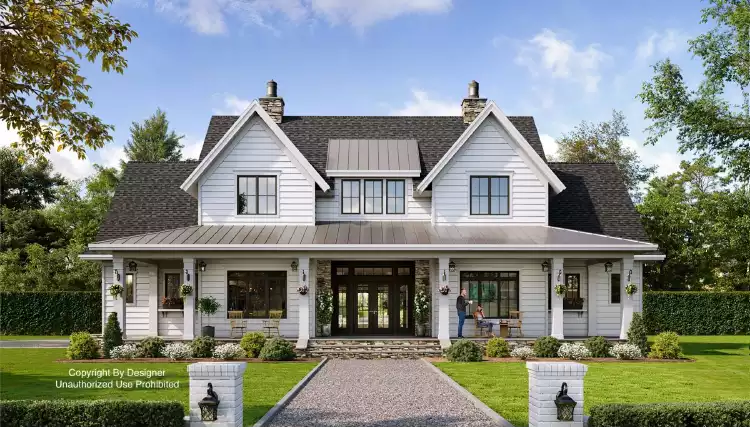
Are you ready to create a home that saves money, protects the planet, and feels just right? Eco friendly home plans designs are the secret to building a space that works with nature, not against it.
Imagine living in a house that keeps you comfortable year-round, uses less energy, and leaves a smaller footprint. Whether you’re building from scratch or dreaming of a remodel, the right design can make all the difference. Keep reading to discover simple, smart ideas that bring your green home vision to life.
Your future eco-friendly haven starts here.
Green Building Materials
Green building materials play a vital role in eco-friendly home plans. They reduce the impact on the environment and improve indoor air quality. Choosing the right materials helps create a healthier living space and supports sustainable practices.
Recycled And Renewable Resources
Using recycled materials reduces waste and saves natural resources. Common recycled options include reclaimed wood, recycled metal, and glass. Renewable resources like bamboo and cork grow quickly and regenerate naturally. These choices lower the demand for new raw materials and cut down on pollution.
Non-toxic Finishes
Non-toxic finishes help keep indoor air clean and safe. They avoid harmful chemicals found in traditional paints and sealants. Natural oils, water-based paints, and low-VOC products protect health and the environment. These finishes also reduce odors and improve comfort inside the home.
Locally Sourced Supplies
Using local supplies reduces transportation emissions and supports nearby businesses. Local materials often suit the climate and environment better. This approach saves money and strengthens the community. Examples include stone, clay, and timber harvested near the building site.
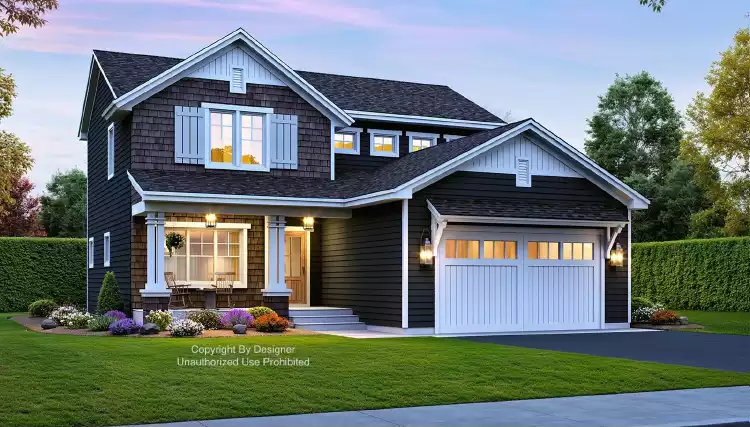
Credit: www.thehousedesigners.com
Energy Efficiency
Energy efficiency is a key part of eco friendly home plans. It helps reduce energy use and lowers bills. Efficient homes use less power, which is good for the planet. Smart designs save energy without losing comfort. Simple choices make a big difference in daily energy use.
Solar Power Integration
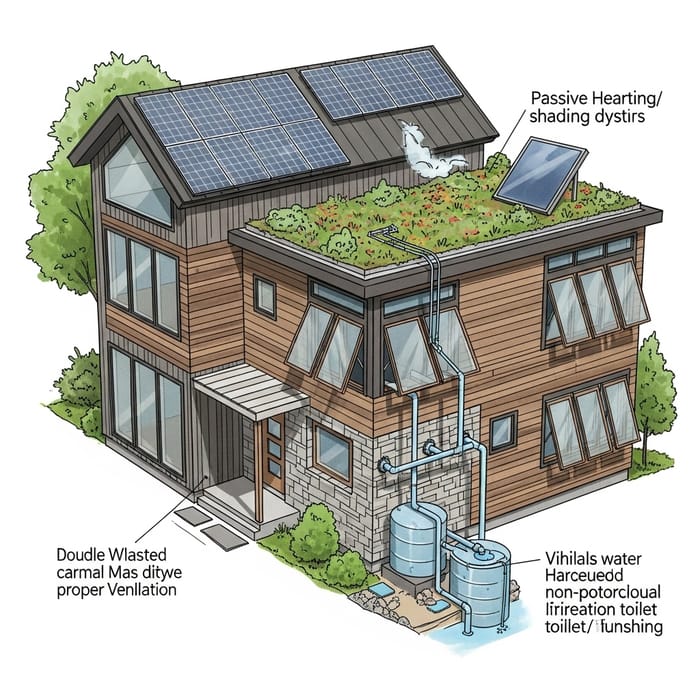
Solar panels capture sunlight and turn it into electricity. They reduce reliance on traditional power sources. Homes with solar power cut energy costs and carbon emissions. Panels can be placed on roofs or walls. Battery storage keeps energy for use at night. Solar systems work well in sunny areas.
Insulation Techniques
Good insulation keeps warm air inside during winter. It blocks heat from entering in summer. Insulation materials include fiberglass, foam, and cellulose. Proper insulation lowers heating and cooling needs. It also reduces noise from outside. Sealing gaps around doors and windows improves insulation.
Energy-efficient Appliances
Appliances with high energy ratings use less electricity. Examples include LED lights, refrigerators, and washing machines. They help cut power bills and save resources. Choosing the right size appliance avoids wasting energy. Regular maintenance keeps appliances running efficiently.
Water Conservation
Water conservation is a key part of eco-friendly home designs. Saving water helps reduce bills and protects natural resources. Smart water use supports a healthier environment. Simple changes in home plans make a big difference in water use.
Rainwater Harvesting Systems
Rainwater harvesting collects rain from rooftops. It stores water for later use in gardens or toilets. This system reduces demand on city water supplies. It also lowers water bills. Installing gutters and storage tanks fits easily into home designs.
Low-flow Fixtures
Low-flow fixtures use less water without losing performance. Faucets, showerheads, and toilets with this feature save gallons daily. They help reduce water waste inside the home. These fixtures are affordable and simple to install during construction or remodeling.
Greywater Recycling
Greywater recycling reuses water from sinks and showers. This water irrigates plants or flushes toilets safely. It reduces freshwater use and wastewater discharge. Systems for greywater are becoming more common in eco-friendly homes. They require careful planning but offer long-term savings.
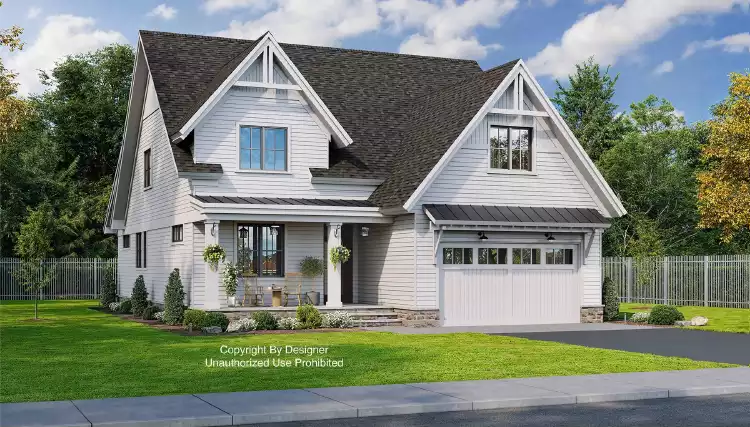
Credit: www.thehousedesigners.com
Smart Home Technology
Smart home technology plays a key role in eco-friendly home designs. It helps save energy and reduces waste. These systems use sensors and automation to make homes more efficient. Smart technology adapts to your lifestyle, cutting energy use without losing comfort.
Automated Energy Management
Automated energy management controls power use in your home. It turns off devices when not needed. It tracks energy consumption and suggests savings. This system helps lower electricity bills and carbon footprint.
Smart Lighting Solutions
Smart lighting adjusts brightness based on natural light and room use. It uses LED bulbs that consume less energy. Lights can be controlled remotely or set on schedules. This reduces unnecessary energy use and extends bulb life.
Climate Control Systems
Climate control systems keep your home comfortable while saving energy. Smart thermostats learn your schedule and adjust temperatures automatically. They reduce heating and cooling when rooms are empty. This saves energy and keeps the indoor air fresh.
Indoor Air Quality
Indoor air quality plays a crucial role in creating a healthy home. Poor air quality can cause allergies, headaches, and fatigue. Designing eco-friendly homes focuses on clean air for comfort and well-being. Simple design choices can improve airflow and reduce harmful pollutants inside your home.
Natural Ventilation
Natural ventilation uses windows, vents, and openings to move fresh air inside. This process removes stale air and reduces indoor toxins. Cross-ventilation allows air to flow from one side of the house to the other. It lowers humidity and helps maintain a fresh atmosphere. Properly placed vents and windows can improve airflow without relying on machines.
Air Purifying Plants
Plants naturally clean indoor air by absorbing carbon dioxide and releasing oxygen. Some plants also remove harmful chemicals like formaldehyde and benzene. Common air-purifying plants include spider plants, snake plants, and peace lilies. These plants are easy to care for and add beauty to your home. Placing them in living areas can boost air quality and create a calm environment.
Low Voc Materials
Volatile Organic Compounds (VOCs) are chemicals found in paints, adhesives, and furniture. VOCs release gases that harm indoor air quality. Choosing low VOC or VOC-free materials reduces these emissions. Examples include natural paints, bamboo flooring, and organic fabrics. Using these materials helps keep your home air safe and fresh. It supports both your health and the environment.
Credit: easy-peasy.ai
Sustainable Landscaping
Sustainable landscaping creates a healthy outdoor space that works with nature. It reduces water use and supports local wildlife. This approach helps keep the environment clean and saves money on maintenance. Planning your garden with eco-friendly ideas builds a green home that lasts.
Native Plant Selection
Choosing native plants means selecting species that grow naturally in your area. These plants need less water and care. They resist pests better and provide food and shelter for local animals. Native plants help keep the soil healthy and reduce pollution. They fit well with the local climate and landscape.
Edible Gardens
Growing fruits, vegetables, and herbs at home saves money and reduces waste. Edible gardens offer fresh and healthy food nearby. They use fewer chemicals and cut down on transport pollution. Small spaces can still grow many plants using containers or vertical gardens. This approach creates a useful and green outdoor area.
Permeable Surfaces
Permeable surfaces let rainwater soak into the ground. They reduce runoff and prevent flooding. Materials like gravel, porous pavers, and mulch help water reach plant roots. These surfaces keep the soil healthy and recharge groundwater. Permeable landscaping supports a balanced and natural water cycle.
Space Optimization
Space optimization plays a vital role in eco-friendly home plans. It helps use every inch wisely while reducing waste. Smart designs create a comfortable and efficient living environment. This lowers energy needs and cuts down on unnecessary materials.
Multi-functional Rooms
Rooms that serve more than one purpose save space and resources. A living room can double as a home office or guest room. Foldable furniture and movable partitions add flexibility. This approach reduces the total area needed for separate rooms.
Compact Living Designs
Compact homes use smaller footprints without feeling cramped. Clever layouts focus on essential spaces and storage. Built-in shelves and under-stair storage maximize every corner. These designs reduce material use and lower energy costs.
Natural Lighting Use
Natural light brightens spaces and cuts electricity use. Large windows and skylights bring sunlight deep inside. Light-colored walls reflect daylight further into rooms. This strategy improves mood and lowers energy bills.
Frequently Asked Questions
What Are Eco Friendly Home Plans Designs?
Eco friendly home plans focus on sustainable materials and energy-efficient layouts. They minimize environmental impact and reduce utility costs. These designs often include solar panels, natural lighting, and water-saving features. They promote healthier living and long-term savings.
How Do Eco Friendly Designs Save Energy?
Eco friendly designs save energy by using insulation, energy-efficient windows, and renewable energy. They optimize natural ventilation and lighting. This reduces reliance on heating, cooling, and artificial lights. Energy-efficient appliances also contribute to lower electricity consumption.
What Materials Are Used In Eco Friendly Home Designs?
Eco friendly homes use sustainable materials like bamboo, reclaimed wood, and recycled steel. Low-VOC paints and natural insulation are common. These materials reduce pollution, waste, and environmental harm. They ensure durability and better indoor air quality.
Can Eco Friendly Home Plans Reduce Water Usage?
Yes, eco friendly home plans include water-saving fixtures, rainwater harvesting, and greywater recycling. Efficient irrigation systems also reduce water waste. These features lower water bills and help conserve natural resources.
Conclusion
Eco-friendly home plans help save energy and protect nature. They use materials that last long and reduce waste. Designing with nature in mind brings comfort and lowers bills. Small changes make a big difference for the planet. Choose designs that fit your needs and respect the environment.
Living green is smart, healthy, and good for future generations. Start planning today to build a better, cleaner home. Your choices today shape a brighter tomorrow.