

Imagine creating a home that not only feels cozy and beautiful but also helps protect the planet. You might think this is hard or expensive, but choosing eco friendly home materials makes it easier than you expect.
These materials are better for your health, save energy, and reduce waste. If you want your home to reflect your care for the environment and your family’s well-being, keep reading. You’ll discover simple, smart choices that can transform your space and make a real difference.
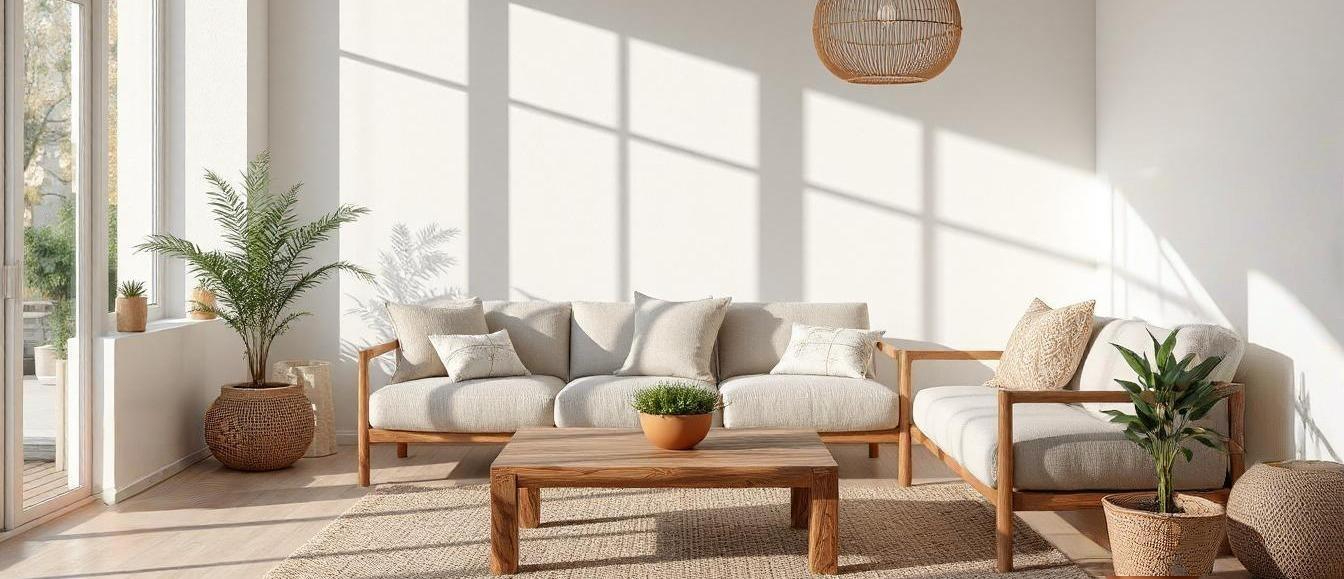
Credit: www.refreshrenovations.co.nz
Benefits Of Eco Friendly Materials
Choosing eco friendly materials for your home is more than just a trend—it’s a decision that impacts your health, the environment, and your wallet. These materials offer a range of benefits that can improve your daily life and the world around you. Let’s dive into how they make a real difference.
Health Advantages
Eco friendly materials often have fewer chemicals and toxins compared to conventional options. This means better indoor air quality, reducing issues like allergies and respiratory problems.
Using natural wood, bamboo, or low-VOC paints can create a fresher, safer living space. Have you noticed how some rooms just feel cleaner and more comfortable? That’s often the result of healthier building materials.
Environmental Impact
These materials reduce waste and pollution by coming from renewable or recycled sources. For example, reclaimed wood not only saves trees but also cuts down on landfill waste.
Choosing materials like cork or hemp fiber helps conserve water and energy during production. How often do you think about the footprint your home’s materials leave behind?
Cost Savings
At first, eco friendly materials might seem pricier, but they save you money in the long run. Many offer better durability, so you won’t need to replace them as often.
Energy-efficient insulation and windows lower your utility bills significantly. Imagine the impact of those savings over just a few years—wouldn’t that make the initial investment worthwhile?

Credit: greenlivingguy.com
Popular Sustainable Building Materials
Sustainable building materials reduce environmental impact and conserve resources. They help build homes that are healthier and last longer. These materials often come from renewable sources or recycled products. They also use less energy to produce and transport. Choosing popular sustainable materials supports eco-friendly construction and design trends.
Bamboo
Bamboo grows quickly and needs little water. It is strong, flexible, and lightweight. Builders use bamboo for flooring, walls, and furniture. Bamboo absorbs carbon dioxide, helping clean the air. Its fast growth makes it a renewable resource. This material is natural and biodegradable.
Recycled Wood
Recycled wood comes from old buildings, pallets, or furniture. It saves trees and reduces landfill waste. This wood often has unique textures and colors. It works well for flooring, beams, and cabinetry. Recycled wood lowers the demand for new lumber. It adds character and history to a home.
Cork
Cork is harvested from the bark of cork oak trees. The tree stays healthy and grows back bark. Cork is lightweight, soft, and water-resistant. It is used for flooring, insulation, and wall coverings. Cork helps reduce noise and regulate temperature. This material is renewable and biodegradable.
Reclaimed Metal
Reclaimed metal comes from old structures and scrap. It reduces the need for mining and new metal production. This metal is strong and durable for frames and roofing. Reclaimed metal adds an industrial or rustic look. It saves energy and cuts down on waste. Metal can be recycled multiple times without losing quality.
Eco Friendly Insulation Options
Choosing the right insulation for your home can make a big difference in energy savings and environmental impact. Eco friendly insulation options offer effective temperature control without harming the planet. They also improve indoor air quality, which you can feel good about every day.
Cotton Insulation
Cotton insulation is made from recycled denim and cotton scraps, making it a smart choice for reducing waste. It’s soft to handle and easy to install, which makes your DIY projects more pleasant. Plus, it resists pests and doesn’t contain harmful chemicals, so it’s safe for your family.
Have you considered how much waste ends up in landfills? Choosing cotton insulation helps you take a stand against that problem while keeping your home cozy.
Sheep’s Wool
Sheep’s wool is naturally flame-resistant and can absorb moisture without losing its insulation properties. This makes it ideal for homes in humid or variable climates. I once used wool insulation in my attic, and I noticed a significant drop in heating costs during winter.
Wool also traps pollutants and improves air quality. Isn’t it interesting how a natural material can do so much more than just keep you warm?
Cellulose
Cellulose insulation is made from recycled paper treated with fire retardants, making it both eco friendly and effective. It fills gaps and crevices tightly, reducing air leaks that drive up energy bills. Installing cellulose can be a great way to use recycled materials that would otherwise go to waste.
If you want to reduce your carbon footprint, why not choose an insulation that turns old newspapers into energy savings?
Non Toxic Paints And Finishes
Choosing non toxic paints and finishes for your home isn’t just a trend—it’s a smart move for your health and the planet. These products reduce harmful chemicals in your living space, creating a safer environment for you and your family. Plus, they often have a lower environmental footprint, making your home truly eco-friendly.
Low Voc Paints
Low VOC (Volatile Organic Compounds) paints release fewer toxins into the air compared to traditional paints. This means better indoor air quality and less risk of headaches, dizziness, or allergic reactions. You can find low VOC options in a wide range of colors and finishes, so your style doesn’t have to suffer.
Many brands now clearly label their paints with VOC levels, helping you make an informed choice. Consider using them in bedrooms and living rooms where you spend most of your time. Have you checked the VOC content on your current paint cans?
Natural Oils And Waxes
Natural oils and waxes provide a beautiful, durable finish without the harsh chemicals found in synthetic products. Options like linseed oil, beeswax, and carnauba wax nourish wood and other surfaces while keeping your indoor air clean.
These finishes often require more frequent application but offer a warm, natural look that synthetic finishes can’t match. They also tend to age gracefully, developing character over time. Would you consider a finish that improves with age rather than one that hides wear?
Green Flooring Choices
Choosing green flooring can transform your home into a healthier, eco-friendly space. It’s not just about style but also about making decisions that reduce your environmental impact. You might be surprised how many sustainable options offer durability and beauty without compromising the planet.
Linoleum
Linoleum is made from natural materials like linseed oil, cork dust, and wood flour. It’s biodegradable and lasts for decades if maintained well. You’ll find it in various colors and patterns, making it easy to match your home’s look.
Unlike vinyl, linoleum doesn’t release harmful chemicals into your home. Have you considered how your flooring affects indoor air quality? Linoleum can improve it while adding a warm, natural feel.
Bamboo Flooring
Bamboo grows quickly, making it a highly renewable resource for flooring. Its strength rivals that of hardwood, so it holds up well in busy areas of your home. Plus, bamboo comes in many finishes, giving you plenty of style options.
When selecting bamboo, check if it’s harvested responsibly and free from toxic adhesives. This ensures your choice truly supports sustainability. Could your next floor be both eco-conscious and elegant?
Recycled Tile
Recycled tiles reuse glass, ceramic, or porcelain, cutting down on landfill waste. They add a unique character to floors with their varied textures and colors. These tiles can be a great choice for kitchens and bathrooms where durability matters.
Opting for recycled tile shows how waste can become a valuable resource. What creative patterns could you design with these eco-friendly options? You might find the perfect blend of art and sustainability right under your feet.

Credit: www.youtube.com
Sustainable Fixtures And Fittings
Choosing sustainable fixtures and fittings is a smart way to make your home eco-friendly without sacrificing style or comfort. These elements not only reduce environmental impact but also cut down your utility bills over time. Think about the last time you noticed a dripping faucet or a harsh, glaring light bulb—small changes in these areas can make a big difference.
Energy Efficient Lighting
Switching to energy efficient lighting is one of the easiest ways to reduce your home’s carbon footprint. LED bulbs, for example, use up to 80% less energy than traditional incandescent bulbs and last significantly longer.
Consider installing dimmer switches or motion sensors in rooms you don’t use often. These additions help you control energy usage more precisely, saving money and electricity.
Have you ever thought about how much energy your outdoor lighting consumes? Solar-powered garden lights offer a great alternative, drawing energy directly from the sun without adding to your electric bill.
Water Saving Faucets
Water saving faucets help you use less water without noticing a drop in performance. Aerators, which mix air with water, reduce flow rates while keeping pressure strong enough for everyday tasks.
Low-flow faucets and sensor-activated taps are excellent choices, especially in kitchens and bathrooms where water waste can be high.
Imagine cutting your water bill simply by swapping out old taps. It’s an investment that pays off quickly and helps protect precious water resources.
Incorporating Eco Materials In Renovations
Incorporating eco materials in renovations brings both style and sustainability to your home. Choosing green options reduces waste and lowers environmental impact. These materials often last longer and improve indoor air quality.
Using eco-friendly products requires thoughtful planning and sourcing. Blending old and new materials can create a unique look while saving resources. Budget-friendly tips help make green renovations affordable for everyone.
Planning And Sourcing
Start by listing eco materials suitable for your project. Research local suppliers for sustainable wood, recycled metal, or low-VOC paints. Choose products with certifications like FSC or Green Seal. Prioritize durable materials to reduce future replacements. Order samples to test quality and appearance before buying.
Mixing Old And New
Keep some original materials to preserve character and reduce waste. Combine reclaimed wood with modern insulation for comfort and charm. Blend vintage tiles with new eco-friendly grout for style and function. Use salvaged fixtures alongside energy-efficient lighting. This mix creates a balanced, sustainable design.
Budget-friendly Tips
- Buy reclaimed materials from salvage yards or online marketplaces.
- Opt for secondhand furniture and refinish it yourself.
- Choose energy-efficient appliances to save on bills.
- Use natural paints and finishes that are affordable and safe.
- Plan renovations in phases to spread out costs.
Maintaining An Eco Friendly Home
Maintaining an eco friendly home goes beyond just choosing sustainable materials. It requires ongoing care and mindful habits that keep your living space healthy for both you and the environment. Simple changes in upkeep and cleaning can make a big difference over time.
Regular Upkeep
Keeping your eco friendly home in top shape means paying attention to small details regularly. Check for leaks in plumbing and fix them quickly to avoid wasting water. Clean and maintain natural wood surfaces with eco safe oils to extend their life without harmful chemicals.
Have you noticed how dust can build up on bamboo floors or recycled glass countertops? Regular gentle cleaning prevents wear and keeps materials looking fresh. Using microfiber cloths instead of disposable wipes reduces waste and captures more dust efficiently.
Eco Cleaning Products
Choosing cleaning products that are safe for the planet helps maintain your home’s green credentials. Look for biodegradable soaps, non-toxic sprays, and products free from synthetic fragrances or harsh chemicals. These options protect your health and reduce pollution in water systems.
You can even make your own cleaners with simple ingredients like vinegar, baking soda, and lemon juice. This not only saves money but also lets you control exactly what goes into your home. Would you try a homemade cleaner if it meant fewer toxins around your family?
Frequently Asked Questions
What Are The Best Eco Friendly Home Materials?
The best eco friendly home materials include bamboo, recycled steel, reclaimed wood, cork, and natural insulation. These materials reduce waste, lower carbon footprints, and improve indoor air quality. They are sustainable, durable, and energy-efficient options for green building projects.
How Do Eco Friendly Materials Reduce Environmental Impact?
Eco friendly materials minimize resource depletion by using renewable or recycled content. They produce less waste and pollution during manufacturing and disposal. These materials also improve energy efficiency in homes, lowering overall carbon emissions and conserving natural ecosystems.
Are Eco Friendly Home Materials Cost-effective?
Yes, many eco friendly materials save money long-term through energy efficiency and durability. Initial costs may be higher, but reduced utility bills and maintenance costs offset this. Plus, some materials qualify for tax incentives or rebates.
Can Eco Friendly Materials Improve Indoor Air Quality?
Absolutely. Eco friendly materials often emit fewer volatile organic compounds (VOCs), reducing indoor pollution. Natural materials like bamboo and cork promote healthier living spaces by limiting allergens and toxins, enhancing overall air quality.
Conclusion
Choosing eco-friendly home materials helps protect the planet and saves energy. These materials last longer and keep your home healthier. They reduce waste and lower pollution. Small changes in your building choices make a big difference. Start with natural, recycled, or low-impact options.
Your home can be both beautiful and green. Creating a safe space for your family and future is possible. Think about the earth with every material you pick. It’s a simple way to care for nature and yourself.