
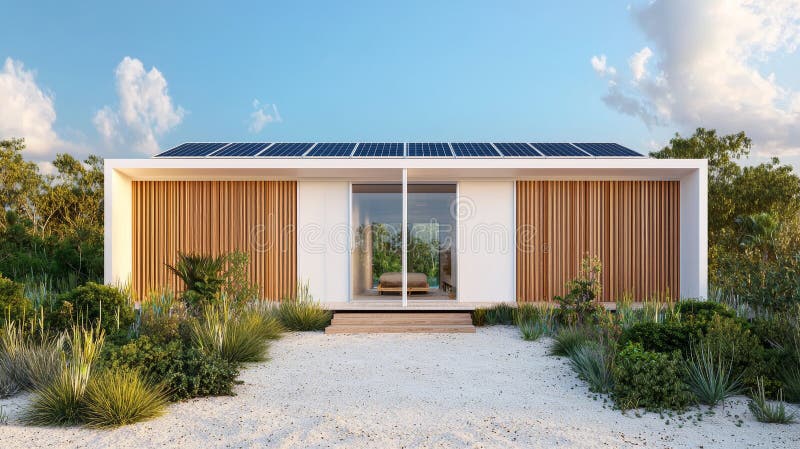
Imagine your home not only as a cozy place to live but also as a powerful way to protect the planet. When you choose eco friendly home features, you make a smart move that saves money, boosts comfort, and supports a healthier environment.
Curious about simple changes that can make a big difference? Keep reading to discover easy, effective ways to transform your space into a green haven you’ll love. Your home—and the Earth—will thank you.

Credit: routehomes.ca
Energy-efficient Design
Energy-efficient design is a key part of making your home eco-friendly. It helps reduce energy use, lower bills, and shrink your carbon footprint. Small changes in how your home is built and managed can make a big difference in comfort and savings.
Insulation And Windows
Good insulation keeps your home warm in winter and cool in summer. It prevents heat from escaping or entering, which means your heating and cooling systems don’t work as hard. Using double or triple-pane windows with low-emissivity coatings can block unwanted heat and improve energy efficiency.
I once helped a friend upgrade their insulation and windows. They noticed a drop in their energy bills within months. Plus, their home felt more comfortable year-round without drafts or hot spots.
Solar Power Solutions
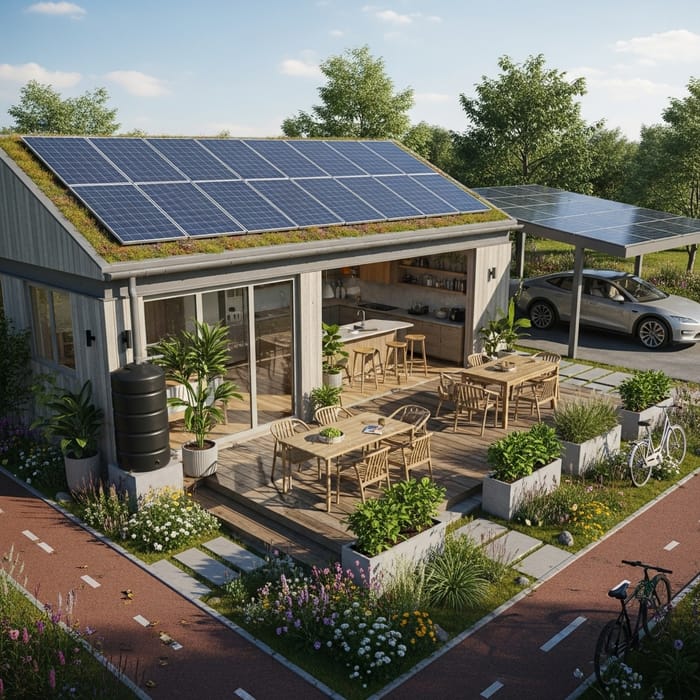
Adding solar panels lets you generate your own clean energy. This reduces reliance on the grid and lowers your electricity costs. You can start small with solar water heaters or portable panels if a full system feels overwhelming.
Have you thought about how much sunlight your roof gets each day? Even in less sunny areas, solar power can still be a smart investment. Some communities also offer incentives that make solar more affordable.
Smart Thermostats
Smart thermostats learn your schedule and adjust temperatures automatically. This prevents energy waste when no one is home. You can control them remotely, so you never heat or cool an empty house.
One smart thermostat I installed saved over 15% on heating and cooling costs in the first year. It also reminded me to change filters and maintain the system, keeping everything running efficiently.
Credit: easy-peasy.ai
Sustainable Materials
Choosing sustainable materials for your home makes a real difference. These materials reduce waste, limit harmful emissions, and help conserve natural resources. You can create a healthier living space while supporting the environment with smart material choices.
Recycled And Renewable Options
Using recycled materials cuts down on landfill waste and saves energy. Items like reclaimed wood, recycled metal, and glass add character and durability to your home. Renewable materials such as sheep’s wool insulation or cotton fabric are naturally replenished and often biodegradable.
Think about how many new resources your home consumes. Could you swap some common building elements with recycled or renewable alternatives to lessen your impact?
Low-voc Paints And Finishes
Traditional paints release volatile organic compounds (VOCs) that harm indoor air quality. Low-VOC paints keep your home’s air cleaner and reduce odors. They come in a wide range of colors and finishes, so you don’t have to sacrifice style for health.
When painting, ask yourself if the products you choose contribute to a safer home environment. Switching to low-VOC options is a simple step that benefits your family’s well-being every day.
Bamboo And Cork Flooring
Bamboo grows quickly and regenerates without pesticides, making it a strong sustainable flooring choice. Cork is harvested from tree bark without cutting the tree down, allowing it to renew naturally. Both materials offer durability, comfort, and a unique look for your floors.
Have you considered how your flooring choices affect the planet? Bamboo or cork floors bring warmth and eco-friendliness underfoot, proving that sustainable doesn’t mean boring.
Water Conservation
Water conservation is a key feature in eco-friendly homes. It helps save water and reduces utility bills. Using less water protects natural resources and supports the environment. Many simple changes can make a big difference in water use at home.
Rainwater Harvesting
Rainwater harvesting collects rain from roofs and stores it for later use. This water can irrigate gardens or wash cars. It reduces the demand on local water supplies. Systems include gutters, storage tanks, and filters. Rainwater is a free and natural resource.
Low-flow Fixtures
Low-flow fixtures use less water without losing performance. Examples include showerheads, faucets, and toilets. They reduce water waste significantly in daily activities. Installing these fixtures is easy and affordable. They help lower water bills and conserve water.
Greywater Systems
Greywater systems recycle water from sinks, showers, and laundry. This water can water plants or flush toilets. It keeps water moving instead of going down the drain. Systems filter and treat greywater to keep it safe. Using greywater reduces fresh water use and saves money.
Indoor Air Quality
Indoor air quality affects health and comfort inside your home. Poor air quality can cause allergies, headaches, and fatigue. Creating a fresh and clean environment helps everyone breathe easier. Simple eco-friendly features can improve the air you breathe indoors.
Natural Ventilation
Natural ventilation uses windows, vents, and doors to let fresh air in. It removes stale air and moisture. This reduces indoor pollutants and controls humidity. Cross ventilation is effective when air flows between opposite windows. Use natural ventilation daily for a cleaner home atmosphere.
Air Purifying Plants
Certain plants can clean the air by removing toxins. They absorb harmful chemicals and release oxygen. Examples include spider plants, snake plants, and peace lilies. Place these plants in living rooms and bedrooms. They add beauty and improve air quality naturally.
Non-toxic Cleaning Products
Many cleaning products contain harsh chemicals that pollute indoor air. Using non-toxic or natural cleaners reduces harmful fumes. Look for products made from vinegar, baking soda, or plant oils. These keep your home clean without risking your health. Always choose eco-friendly options for safer air quality.
Waste Reduction
Reducing waste in your home is one of the most effective ways to live more sustainably. Waste reduction not only decreases the amount of trash sent to landfills but also saves resources and energy. You can start small and see significant changes by adjusting everyday habits and adding a few smart features to your home.
Composting Systems
Setting up a composting system turns food scraps and yard waste into valuable nutrient-rich soil. You don’t need a large backyard; even small indoor compost bins work well for kitchen scraps like vegetable peels, coffee grounds, and eggshells.
Composting reduces the volume of garbage you throw away and cuts down on methane emissions from landfills. Have you tried adding a compost bin to your kitchen yet? It’s a simple way to make a big environmental impact.
Recycling Stations
Designate clear, easy-to-use recycling stations in your home to keep materials like paper, plastic, glass, and metal organized. Label bins to avoid confusion and encourage everyone in your household to participate.
Placing recycling stations in convenient spots like the kitchen or garage increases the chances that recyclables won’t end up in the trash. What if recycling became just as automatic as throwing something in the garbage?
Minimalist Living Tips
Cutting down on what you buy and own reduces waste before it even enters your home. Focus on quality over quantity by choosing durable items that last longer.
Try decluttering regularly and ask yourself if each item you keep adds value or just takes up space. Could living with less help you reduce waste and stress at the same time?
Eco-friendly Landscaping
Eco-friendly landscaping helps reduce water use and supports local wildlife. It improves soil health and lowers maintenance needs. Using green landscaping ideas creates a beautiful, sustainable outdoor space. These features also cut down on pollution and energy use.
Native Plants
Native plants grow well in local climate and soil. They need less water and no chemical fertilizers. These plants attract birds, bees, and butterflies. They create a natural habitat and support biodiversity. Planting native species saves time and money on care.
Permeable Paving
Permeable paving lets rainwater soak into the ground. It reduces water runoff and prevents flooding. This type of paving helps recharge underground water supplies. Materials include gravel, porous concrete, and brick. Permeable paving keeps your landscape dry and healthy.
Organic Gardening
Organic gardening avoids synthetic chemicals and pesticides. It uses natural compost and mulch to enrich the soil. This method protects beneficial insects and earthworms. Growing vegetables and flowers organically produces healthier plants. Organic gardening supports a clean and safe environment.
Smart Home Integration
Smart home integration brings a powerful edge to eco-friendly living. It allows you to control and monitor your home’s energy and water use right from your phone or voice assistant. This means you can make smarter choices that save resources and cut costs without changing your daily routine drastically.
Energy Monitoring Devices
Energy monitoring devices give you real-time feedback on how much electricity your home uses. You can see which appliances consume the most power and adjust usage accordingly. For example, I discovered my old fridge was using way more energy than newer models just by checking my home’s energy dashboard.
Many devices also send alerts when energy use spikes unexpectedly. This helps catch issues like a stuck heater or forgotten lights early. Would you want to pay less on your energy bill simply by knowing exactly where your power goes?
Automated Lighting
Automated lighting systems turn off lights when rooms are empty or adjust brightness based on natural light. This reduces waste without you needing to remember to flip switches. You can set schedules or use motion sensors, so lights only come on when needed.
Using automated lighting, I cut my electricity use for lighting by nearly 40% in just a few months. It feels great to know my home is smart enough to save energy while keeping things bright and comfortable. How much energy could you save by letting your lights manage themselves?
Water Usage Tracking
Water usage tracking tools give you detailed insights into how much water you use daily. They help identify leaks or overuse before bills get high. For instance, I found a slow leak in my garden hose that wasted gallons every day just by reviewing the water data.
Some systems even suggest personalized tips to reduce water consumption based on your habits. Imagine cutting your water bill by changing just a few small behaviors. Wouldn’t you want to know exactly where your water goes and how to save more of it?

Credit: www.autoevolution.com
Frequently Asked Questions
What Are Common Eco-friendly Home Features?
Eco-friendly homes often include solar panels, energy-efficient windows, and sustainable materials. They focus on reducing energy use and waste. Water-saving fixtures and proper insulation are also common features. These elements help lower utility bills and environmental impact.
How Do Solar Panels Benefit Eco-friendly Homes?
Solar panels generate clean, renewable energy from sunlight. They reduce electricity bills and carbon footprint. Solar energy systems can increase home value and provide energy independence. Proper installation ensures maximum efficiency and long-term savings.
Why Is Insulation Important In Eco-friendly Homes?
Insulation keeps indoor temperatures stable and reduces heating and cooling needs. It lowers energy consumption, saving money and reducing emissions. Eco-friendly insulation uses sustainable materials like recycled fibers or natural wool. Proper insulation improves comfort and energy efficiency.
Can Eco-friendly Homes Save Money Long-term?
Yes, eco-friendly homes save money through lower energy and water bills. Energy-efficient appliances and fixtures reduce utility costs. Investing in sustainable materials increases home durability and resale value. Over time, these savings offset initial setup expenses.
Conclusion
Choosing eco friendly home features helps save money and protect nature. These features use less energy and water every day. They make your home cleaner and healthier to live in. Small changes can create big differences over time. Everyone can take steps to live greener.
Your home can be part of a better future. Start with simple ideas and grow from there. Caring for the planet begins at home.