
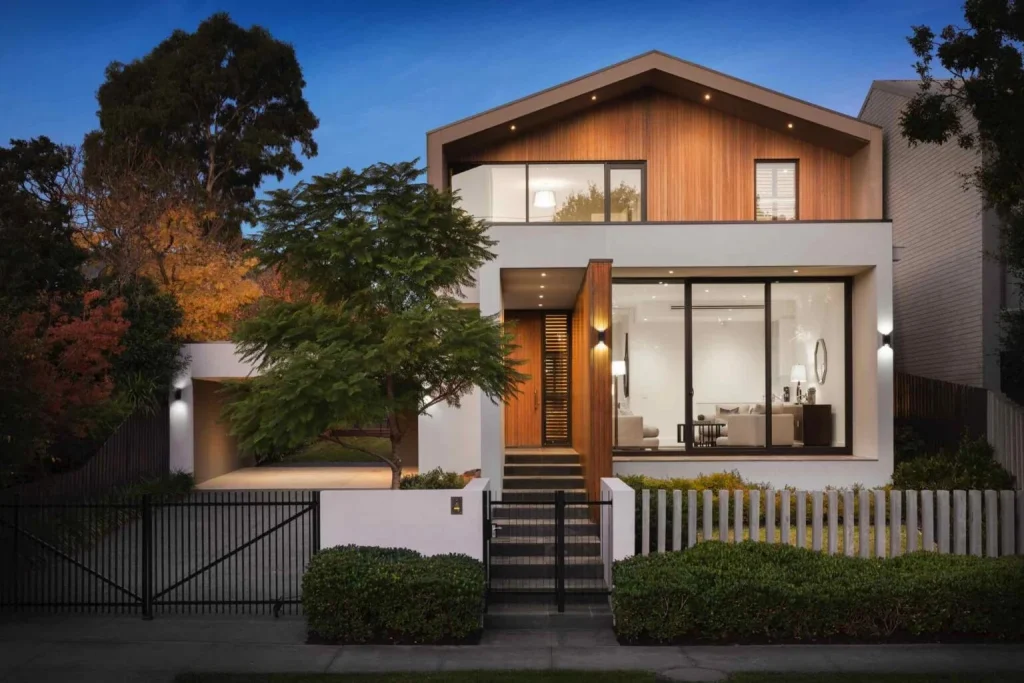
Imagine living in a home that not only feels comfortable but also helps protect the planet. Your home can be a powerful part of the solution to environmental problems.
Eco friendly home designs let you save energy, reduce waste, and create a healthier space for you and your family. If you want to discover simple ideas and smart choices that make a big difference, keep reading. This guide will show you how to turn your living space into an eco-friendly haven without sacrificing style or comfort.
Your journey to a greener home starts here.
Benefits Of Eco Friendly Homes
Choosing an eco friendly home design offers more than just a positive impact on the environment. It changes the way you live daily, influencing your expenses, health, and overall comfort. Understanding the benefits can help you decide how to create a space that works for both you and the planet.
Lower Energy Bills
Eco friendly homes use energy-saving features like better insulation, energy-efficient windows, and solar panels. These reduce the need for heating and cooling, which often make up a big part of your utility bills.
Imagine paying less every month without changing your lifestyle. Many homeowners notice a significant drop in energy costs within the first year of switching to green design elements. Could saving money be a reason enough to rethink your home’s energy use?
Reduced Carbon Footprint
Building or renovating with eco-friendly materials and systems means less pollution and waste. Using renewable energy sources and sustainable materials lowers the amount of carbon dioxide your home releases.
This helps slow down climate change and preserves natural resources for future generations. You might wonder how much difference one home can make, but every small step adds up when many people choose eco friendly options.
Healthier Living Environment
Eco friendly homes often use non-toxic materials and improve air quality through natural ventilation and plants. This reduces exposure to harmful chemicals and allergens that can cause health problems.
Living in a healthier space can boost your mood, energy, and overall well-being. Have you ever considered how your home’s air quality affects your daily health?
Green Building Materials
Green building materials play a key role in eco friendly home designs. They reduce harm to the environment and improve indoor air quality. Choosing the right materials helps lower energy use and waste. These materials often come from natural or recycled sources. They work well with sustainable building methods. Using green materials supports a healthier home and planet.
Recycled And Renewable Resources
Recycled materials reuse waste to create new building products. Examples include reclaimed wood, recycled metal, and glass. These materials reduce landfill waste and save natural resources. Renewable resources come from plants or animals that regrow quickly. Bamboo and cork are popular renewable materials. They offer strength and durability with less environmental impact.
Non-toxic Finishes
Non-toxic finishes avoid harmful chemicals like VOCs (volatile organic compounds). These finishes improve indoor air quality and reduce health risks. Natural oils, waxes, and water-based paints are safe choices. They provide good protection without harmful fumes. Choosing non-toxic finishes creates a cleaner, safer living space.
Locally Sourced Materials
Locally sourced materials reduce transportation emissions and support local economies. They often have a smaller carbon footprint. Stone, clay, and timber are common local materials. Using local resources helps preserve regional character and traditions. It also ensures materials suit the local climate and environment.
Energy Efficient Design
Energy efficient design plays a key role in eco friendly homes. It reduces energy use and lowers utility bills. Smart design uses natural resources like sunlight and air. It also involves choosing materials and appliances that save energy. These choices create comfortable spaces with less environmental impact.
Passive Solar Heating
Passive solar heating uses the sun’s energy to warm a home. Large south-facing windows let sunlight enter during winter. Thick walls and floors absorb heat and release it slowly. Roof overhangs block strong summer sun to keep rooms cool. This design lowers the need for electric heating systems.
High Performance Insulation
High performance insulation keeps heat inside during winter and outside in summer. It reduces drafts and stops heat loss through walls, floors, and roofs. Materials like spray foam, cellulose, and rigid foam board work well. Proper insulation creates a stable indoor temperature and cuts energy waste.
Energy Star Appliances
Energy Star appliances use less electricity than standard models. They include refrigerators, washing machines, and dishwashers. These appliances save energy without sacrificing performance. Using them lowers electricity bills and reduces a home’s carbon footprint. Choosing Energy Star certified products supports a greener lifestyle.

Credit: www.youtube.com
Water Conservation Techniques
Water conservation is vital for eco-friendly home designs. It helps save water and reduces utility bills. Simple techniques can make a big difference in daily water use.
Smart water management protects the environment. It supports sustainability and preserves natural resources. Using less water also lowers energy needed for treatment and heating.
Rainwater Harvesting
Rainwater harvesting collects rain from roofs or other surfaces. This water stores in tanks for later use. It works well for watering gardens and flushing toilets.
This technique reduces dependence on municipal water. It saves money and cuts down on stormwater runoff. Rainwater is clean and free, making it an eco-friendly choice.
Low Flow Fixtures
Low flow fixtures limit water flow in taps and showers. They use less water without losing pressure. This helps save water every day with no hassle.
Installing low flow toilets and faucets is easy. They reduce water waste and lower water bills. These fixtures are affordable and fit most homes.
Greywater Recycling
Greywater recycling reuses water from sinks, baths, and laundry. This water is filtered and reused for irrigation or flushing. It reduces fresh water demand significantly.
Greywater systems are safe and help conserve water. They lower household water use and support eco-friendly living. Recycling greywater is a smart choice for water savings.
Sustainable Landscaping
Sustainable landscaping transforms your outdoor space into an eco-friendly haven that benefits both the environment and your home. It focuses on using natural resources wisely and reducing waste, all while creating a beautiful and functional garden. Have you ever thought about how your garden choices impact local wildlife and water use?
Native Plants
Choosing native plants means selecting species that naturally grow in your region. These plants need less water, fertilizer, and pesticides because they are adapted to the local climate. Plus, native plants support local pollinators like bees and butterflies, helping to maintain a balanced ecosystem.
Imagine a garden that thrives with minimal effort and provides a habitat for birds and insects. Native plants also reduce maintenance costs and make your landscape more resilient to extreme weather. What native species could thrive in your yard?
Permeable Surfaces
Permeable surfaces allow rainwater to soak into the ground instead of running off into storm drains. This helps prevent flooding and recharges groundwater supplies. You can use materials like gravel, porous concrete, or permeable pavers for walkways and driveways.
Switching to permeable surfaces reduces pollution in nearby rivers and lakes by filtering rainwater naturally. Have you noticed how traditional hard surfaces increase water runoff after storms? Making this change can significantly improve your home’s environmental footprint.
Edible Gardens
Growing your own fruits, vegetables, and herbs adds fresh, healthy food right outside your door. Edible gardens reduce the need for store-bought produce, cutting down on packaging and transportation emissions. You can start small with container gardens or dedicate a patch of your yard to seasonal crops.
Besides saving money, edible gardens teach you more about food sources and can be a fun family activity. What if your next meal came from just steps away in your garden? This hands-on approach makes sustainability personal and rewarding.

Credit: www.autoevolution.com
Smart Home Technology
Smart home technology plays a key role in eco friendly home designs. It helps reduce energy use and lowers utility bills. These systems make homes more efficient and comfortable. Smart devices adjust automatically to save power without losing convenience.
Automated Lighting And Heating
Automated lighting turns lights off when rooms are empty. Sensors detect movement and natural light levels. Heating systems adjust based on room occupancy and outdoor weather. This lowers wasted energy and keeps rooms cozy. Smart schedules match your daily routine for efficiency.
Energy Monitoring Systems
Energy monitoring systems track electricity use in real time. They show which devices use the most power. This helps identify waste and improve habits. Some systems send alerts when energy use is high. Homeowners can set goals to reduce consumption.
Remote Control Features
Remote control features let you manage your home from anywhere. Use a smartphone app to adjust lights, temperature, and appliances. This avoids leaving devices on by mistake. Remote control adds comfort and saves energy at the same time.
Waste Reduction Strategies
Waste reduction is a cornerstone of eco friendly home designs. It not only helps the environment but also saves you money and space. Small changes in how you manage waste can lead to big impacts over time.
Composting
Composting turns food scraps and yard waste into nutrient-rich soil. Setting up a compost bin in your backyard or even a small indoor compost container can reduce the trash you send to landfills dramatically. I started composting kitchen scraps like coffee grounds and vegetable peels, and my garden has never looked better.
Think about what you throw away daily—how much of it could be composted instead? Composting also reduces methane emissions from organic waste in landfills, making it a simple, effective way to shrink your home’s carbon footprint.
Recycling Systems
Creating an organized recycling system at home makes it easier to separate plastics, paper, glass, and metals. Use labeled bins to keep materials sorted, so you won’t accidentally contaminate recyclables. I found that placing recycling bins near trash cans encourages everyone in the family to participate.
Ask yourself if your local recycling program accepts certain items before tossing them in. Proper recycling reduces the need for raw materials, saving energy and reducing pollution.
Minimalist Living
Minimalist living means owning fewer things and focusing on quality over quantity. This lifestyle naturally reduces waste because you buy less and discard less. When I decluttered my home, I noticed less trash and more space for essentials.
Could you challenge yourself to buy only what you truly need? Minimalism encourages mindful consumption, leading to less packaging waste and fewer discarded items.

Credit: www.buildofy.com
Incorporating Natural Light
Natural light can transform your home, making it feel more open, warm, and eco-friendly. It reduces the need for artificial lighting, saving energy and cutting down your electricity bill. Plus, sunlight positively impacts your mood and well-being, turning your living space into a healthier environment.
Skylights And Windows
Adding skylights lets sunlight pour in from above, brightening rooms that usually feel dark. Choose energy-efficient models to keep heat loss minimal during colder months. Windows placed strategically can capture maximum daylight while offering ventilation.
Think about where the sun rises and sets around your home. North-facing windows provide soft, consistent light, ideal for workspaces. South-facing windows deliver stronger sunlight, perfect for living areas where you want warmth and brightness.
Light Shelves
Light shelves are horizontal surfaces installed above eye level that bounce sunlight deeper into rooms. They reflect natural light onto ceilings, spreading it evenly and reducing glare near windows. You can install them on the inside or outside of your windows, depending on your home’s design.
These shelves also help shade lower parts of the window from direct sun in summer, keeping rooms cooler. Have you noticed how some offices use similar designs to keep spaces well-lit without harsh sunlight? You can bring that same comfort into your home.
Open Floor Plans
Open floor plans allow sunlight to travel through your home without being blocked by walls. This design lets natural light reach more areas, making spaces feel larger and more inviting. Consider removing unnecessary partitions to create a seamless flow of light.
Think about how light filters through your current layout. Could shifting your furniture or knocking down a non-load-bearing wall brighten up a room? Open spaces also improve air circulation, enhancing comfort and reducing cooling needs.
Frequently Asked Questions
What Are The Key Features Of Eco Friendly Home Designs?
Eco friendly home designs focus on sustainability, energy efficiency, and use of natural materials. They reduce environmental impact and lower utility costs. Features include solar panels, proper insulation, rainwater harvesting, and eco-friendly building materials like bamboo or recycled wood.
How Do Eco Friendly Homes Save Energy?
Eco friendly homes save energy by using efficient appliances, LED lighting, and proper insulation. They often include solar power systems and smart thermostats. These homes reduce energy waste and lower electricity bills while minimizing carbon footprints.
Why Choose Sustainable Materials In Home Design?
Sustainable materials are renewable, recyclable, and have low environmental impact. They improve indoor air quality and durability. Choosing these materials supports conservation efforts and reduces waste compared to traditional construction materials.
Can Eco Friendly Designs Improve Indoor Air Quality?
Yes, eco friendly designs use non-toxic materials and natural ventilation. This reduces pollutants and allergens indoors. Improved air quality benefits health and enhances comfort for occupants.
Conclusion
Building an eco-friendly home helps protect the planet. It saves energy and cuts down waste. Choosing natural materials keeps your house healthy. Simple changes make a big difference over time. Everyone can enjoy a cleaner, greener space. Small steps lead to a brighter future.
Start today to live in harmony with nature. Your home can be a place of comfort and care.