
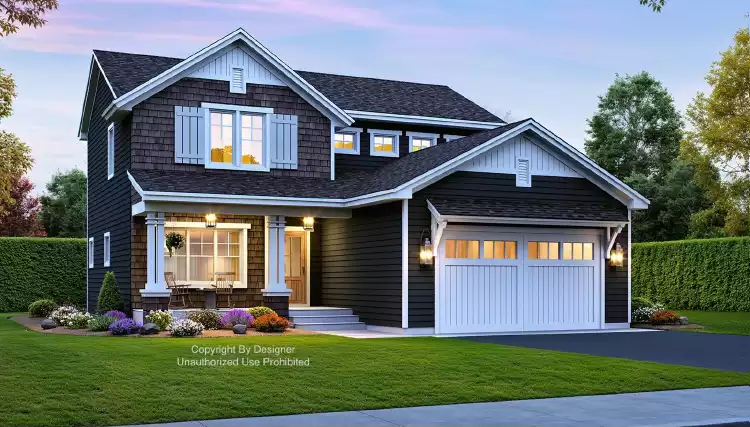
Imagine living in a home that saves you money, keeps you healthy, and helps protect the planet—all at the same time. Your home can do all this and more with eco-friendly design.
By making simple, smart choices, you can create a space that feels comfortable and fresh while reducing waste and energy use. Ready to discover how your home can become a powerful tool for a greener future? Keep reading to learn easy and effective ways to bring eco-friendly design into your everyday life.
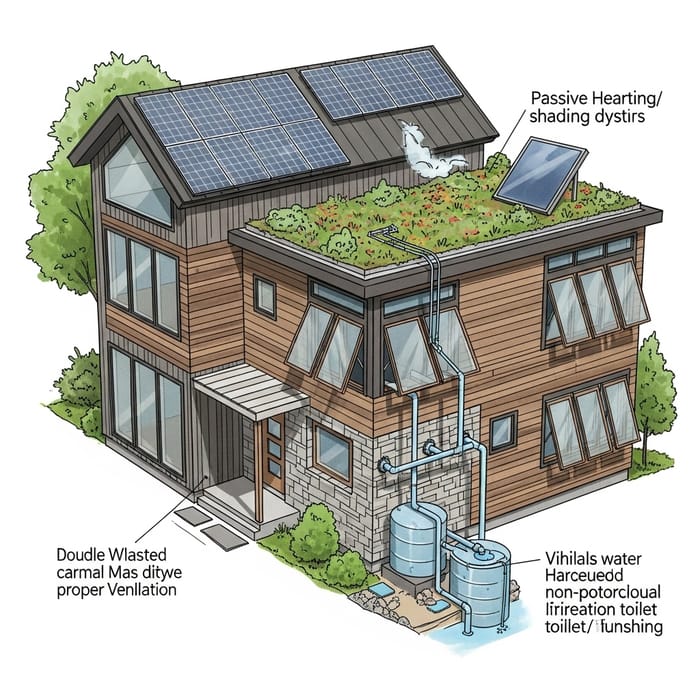
Credit: easy-peasy.ai
Benefits Of Eco-friendly Homes
Choosing an eco-friendly home design offers benefits that reach far beyond just looking good or being trendy. These homes improve your everyday life, save you money, and help protect the planet. Understanding these benefits can inspire you to make smarter choices for your living space.
Health And Wellness
Eco-friendly homes use materials that reduce harmful chemicals in your living environment. This means cleaner air and fewer allergens, which can help you breathe easier and feel more comfortable.
Natural lighting and better ventilation are often part of green design, boosting your mood and energy levels. Have you noticed how much better you feel in a sunlit room compared to a dim, stuffy one?
Cost Savings
Energy-efficient appliances and better insulation cut your utility bills significantly. Over time, the money saved on heating, cooling, and electricity adds up to a noticeable amount.
Some green homes also use solar panels or rainwater harvesting systems, which reduce reliance on expensive services. Imagine lowering your monthly expenses just by making smarter choices about your home’s design.
Environmental Impact
Eco-friendly homes reduce waste by using sustainable materials and efficient construction methods. This helps conserve natural resources and limits landfill waste.
Lower energy consumption means fewer greenhouse gas emissions, contributing to cleaner air and a healthier planet. What kind of world do you want to leave for future generations?
Sustainable Building Materials
Sustainable building materials play a key role in eco-friendly home design. They reduce waste and pollution while saving natural resources. Choosing the right materials helps create healthier indoor environments.
These materials often come from recycled or renewable sources. They require less energy to produce and last longer. Their use supports a cleaner, greener planet.
Recycled And Renewable Materials
Recycled materials come from reused products like glass, metal, and wood. Using them lowers landfill waste and cuts energy use. Renewable materials include bamboo, cork, and rapidly growing wood. They renew quickly and have a small carbon footprint. Both types reduce the demand for new raw materials.
Low-voc Paints And Finishes
Low-VOC paints release fewer harmful chemicals into the air. They improve indoor air quality and reduce health risks. These paints come in many colors and finishes. They protect surfaces while being safer for families and pets. Choosing low-VOC options supports a clean and fresh home environment.
Natural Insulation Options
Natural insulation materials include wool, cotton, and cellulose. They offer good thermal performance and soundproofing. These materials are biodegradable and often made from recycled content. Natural insulation helps keep homes warm in winter and cool in summer. It reduces energy use and lowers utility bills.
Energy-efficient Design
Energy-efficient design is key to creating an eco-friendly home. It reduces energy use and lowers utility bills. Thoughtful planning helps homes stay comfortable without wasting power. Simple choices make a big difference in everyday living.
Passive Solar Techniques
Passive solar design uses the sun’s energy to heat and light a home naturally. South-facing windows let in sunlight during winter. Overhangs or shades block harsh summer rays to keep rooms cool. Thermal mass materials like stone or concrete store heat and release it slowly. This approach cuts the need for artificial heating and cooling.
Energy-efficient Appliances
Choosing energy-efficient appliances saves power and money. Look for products with ENERGY STAR labels. These use less electricity without losing performance. Modern refrigerators, washers, and dishwashers consume less water and energy. Upgrading old appliances can lower a home’s overall energy demand.
Smart Home Technology
Smart home devices help control energy use easily. Programmable thermostats adjust temperatures based on your schedule. Smart lighting turns off automatically in empty rooms. Energy monitors track consumption and suggest savings. These technologies make homes more efficient and convenient.
Water Conservation Strategies
Water conservation is a key part of eco-friendly home design. It helps lower your utility bills and reduces the strain on local water supplies. Adopting smart water-saving strategies can make a big difference in your daily life and the environment.
Rainwater Harvesting
Collecting rainwater lets you use a natural resource that often goes to waste. You can install a simple system with gutters and storage tanks to capture rain from your roof. This water is perfect for watering your garden or washing outdoor areas.
Think about how much water you use just for landscaping. Wouldn’t it be great if rainwater covered some of that need? Setting up rain barrels or larger cisterns can give you an independent water source right at home.
Low-flow Fixtures
Replacing old faucets, showerheads, and toilets with low-flow versions is an easy way to cut water use. These fixtures reduce water flow without sacrificing performance. You’ll notice smaller water bills without changing your daily habits.
Imagine taking a shower that feels just as good but uses half the water. Installing low-flow fixtures is a quick upgrade that pays off fast. Plus, they often come with attractive designs that fit modern homes.
Greywater Recycling
Greywater is the gently used water from sinks, showers, and laundry. Instead of sending it straight to the sewer, you can recycle it to water your plants or flush toilets. This approach maximizes the use of every drop.
Setting up a greywater system may sound complicated, but many kits are designed for easy installation. Have you considered how much water your household wastes daily? Redirecting greywater can significantly cut down your freshwater use.
Indoor Air Quality Improvements
Improving indoor air quality is essential for creating a healthy and eco-friendly home. The air inside your home can be up to five times more polluted than outdoor air, affecting your comfort and well-being. Small changes can make a big difference in the air you breathe daily.
Ventilation Systems
Proper ventilation helps remove stale air and brings in fresh air, reducing indoor pollutants. Mechanical ventilation systems like heat recovery ventilators (HRVs) or energy recovery ventilators (ERVs) can improve air exchange without wasting energy. These systems balance air flow, helping keep your home fresh even when windows stay closed.
If you’ve ever noticed stuffy air or lingering odors, upgrading your ventilation can be a game-changer. Think about how often you open your windows—can a ventilation system do that job more efficiently for you?
Houseplants For Air Purification
Certain houseplants absorb toxins and increase humidity, improving air quality naturally. Plants like spider plants, snake plants, and peace lilies are proven to filter out harmful chemicals like formaldehyde and benzene. Adding these to your living space not only freshens the air but also creates a calming atmosphere.
Keep in mind, though, that plants work best alongside other air quality improvements—they’re not a complete solution on their own. Have you noticed how much better a room feels with some greenery? That’s not just in your head.
Avoiding Toxic Chemicals
Many household products release volatile organic compounds (VOCs) that pollute indoor air. Choosing low-VOC paints, natural cleaning products, and formaldehyde-free furniture helps minimize these toxins. Reading labels carefully can protect your air and your health.
Consider your last purchase—did you check for chemical content? Small steps like swapping to natural products reduce exposure and support eco-friendly living. What harmful chemicals might be hiding in your home right now?
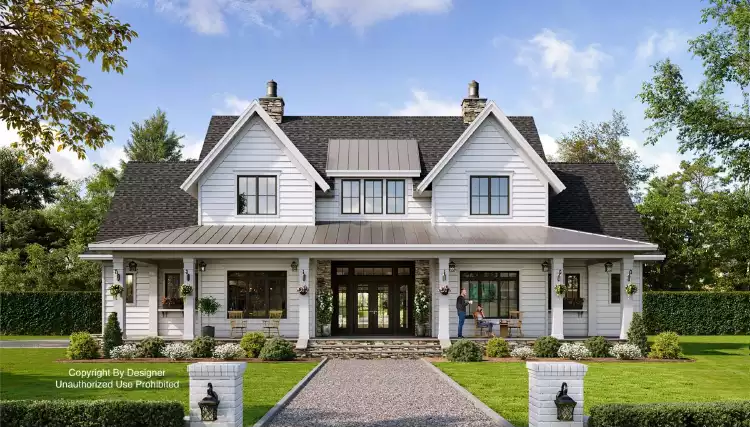
Credit: www.thehousedesigners.com
Natural Lighting Solutions
Natural lighting solutions can transform your home into a bright, inviting space while cutting down on energy costs. Using daylight effectively not only enhances your mood but also reduces reliance on artificial lighting. How can you make the most of natural light in your home?
Skylights And Windows
Skylights bring sunlight directly from above, brightening rooms that might otherwise feel dim. Adding large windows or floor-to-ceiling glass doors can flood your living spaces with daylight. Think about the direction your windows face—south-facing windows capture the most sunlight throughout the day, making them ideal for common areas.
When I installed skylights in my kitchen, the difference was immediate. It made cooking and dining more enjoyable and helped me reduce electric lighting during daylight hours. Have you checked if your roof structure can support skylights?
Light-reflecting Surfaces
Using surfaces that bounce light around the room can amplify natural lighting. Consider white or light-colored walls, glossy tiles, and mirrors strategically placed to reflect sunlight deeper into the space. Even furniture with shiny finishes can help brighten darker corners.
In my living room, a large mirror opposite the window doubled the amount of light reaching the far side of the room. Could a well-placed mirror or lighter paint colors brighten your rooms without extra bulbs?
Daylight Sensors
Daylight sensors adjust your artificial lighting based on how much natural light is available. These sensors automatically dim or switch off lights when there’s enough daylight, saving energy without you needing to think about it. They work particularly well in rooms with large windows or skylights.
Installing daylight sensors in my home office cut my electricity use noticeably. The lights dimmed gradually as the sun rose, maintaining a comfortable brightness without wasting power. Would adding daylight sensors to your home lighting system make your daily routine easier?
Eco-friendly Landscaping
Eco-friendly landscaping creates a natural, sustainable outdoor space. It saves water, reduces waste, and supports local wildlife. Thoughtful landscaping also lowers home energy needs by providing shade and wind protection. Small changes in your yard can make a big difference for the environment.
Native Plants
Native plants adapt well to local weather and soil. They need less water and no chemical fertilizers. These plants attract bees, birds, and butterflies that help pollinate. Using native plants keeps your garden healthy and lively year-round.
Permeable Paving
Permeable paving lets rainwater soak into the ground. This reduces runoff and prevents water pollution. Materials like gravel, porous concrete, and bricks work well. Permeable surfaces help recharge groundwater and avoid flooding in heavy rain.
Composting And Mulching
Composting turns kitchen scraps and yard waste into rich soil. It lowers trash and reduces the need for chemical fertilizers. Mulching with leaves or wood chips keeps soil moist and cool. Mulch also stops weeds and protects plant roots.

Credit: www.buildofy.com
Tips For Eco-friendly Renovations
Eco-friendly renovations help reduce waste and save energy. They create healthier spaces and lower utility bills. Simple changes make a big difference in your home’s impact on the planet.
Salvaging Materials
Reuse old wood, bricks, and fixtures to cut down on waste. Salvaged materials add character and reduce demand for new resources. Check for quality and safety before reusing. Donate or sell items you can’t use.
Efficient Waste Management
Sort renovation waste into recyclables and trash. Use bins to separate metal, wood, drywall, and plastics. Find local recycling centers or donation spots. Avoid sending reusable items to landfills. Proper waste management saves landfill space and lowers pollution.
Hiring Green Contractors
Choose contractors who specialize in eco-friendly building. They know how to use sustainable materials and techniques. Ask about their experience with energy-efficient systems. Green contractors help you meet environmental goals and follow regulations. Check reviews and certifications before hiring.
Frequently Asked Questions
What Is Eco-friendly Home Design?
Eco-friendly home design focuses on sustainable materials and energy efficiency. It reduces environmental impact and lowers utility bills. This design promotes health and comfort by improving indoor air quality and using natural light. It also incorporates renewable energy sources like solar panels for sustainability.
How Can I Make My Home Energy Efficient?
To make your home energy efficient, use insulation, energy-efficient windows, and LED lighting. Install programmable thermostats and energy-saving appliances. Seal gaps to prevent drafts. These steps reduce energy consumption, lower bills, and minimize your carbon footprint, contributing to a greener lifestyle.
What Materials Are Best For Eco-friendly Homes?
Sustainable materials like bamboo, reclaimed wood, recycled metal, and low-VOC paints are ideal. These materials reduce waste and pollution. They are durable, renewable, and non-toxic, improving indoor air quality and lowering environmental impact throughout the building’s life cycle.
Are Solar Panels Worth Installing For Homes?
Yes, solar panels reduce electricity bills and carbon emissions. They provide renewable energy, increasing home value. Initial costs are offset by long-term savings and government incentives. Solar panels are a smart investment for eco-conscious homeowners seeking energy independence.
Conclusion
Eco-friendly home design helps save energy and reduce waste. It creates a healthier living space for your family. Choosing natural materials and smart layouts benefits the planet and your wallet. Small changes add up to big impacts over time. Start with simple steps and build from there.
A green home feels fresh, comfortable, and inviting. Everyone can enjoy the rewards of living sustainably. Why wait? Embrace eco-friendly choices and make a difference today.