
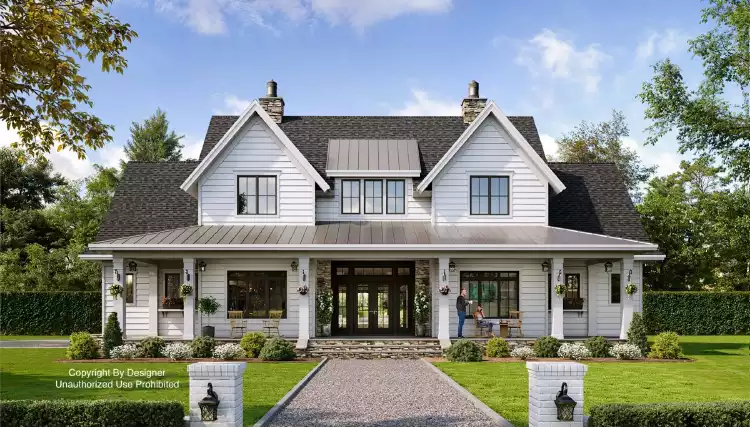
Are you ready to create a home that saves you money and helps the planet? Eco-friendly home design plans can transform your living space into a healthier, more comfortable place.
Imagine cutting your energy bills, reducing waste, and enjoying fresh air inside your house—all while making a positive impact on the environment. You’ll discover simple and smart ideas to design a home that works with nature, not against it. Keep reading to learn how your dream eco-friendly home can become a reality.
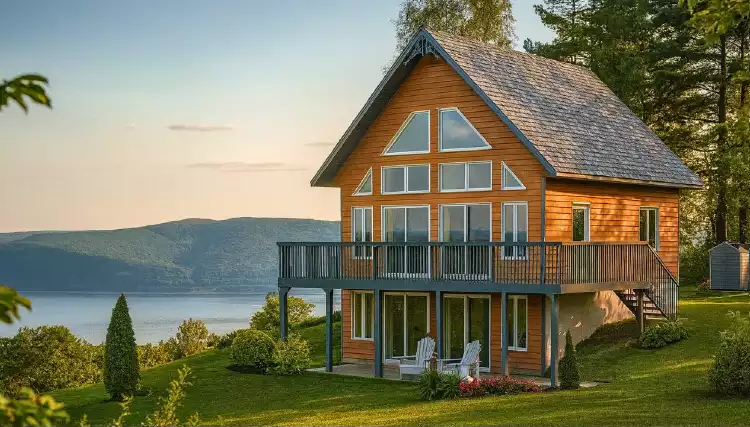
Credit: www.thehousedesigners.com
Benefits Of Eco Friendly Homes
Choosing eco friendly home design plans offers more than just a positive impact on the planet. It also creates a living space that saves you money, supports your health, and reduces environmental damage. Understanding these benefits can help you decide if an eco friendly home is right for you.
Lower Energy Bills
Eco friendly homes use energy-efficient appliances and better insulation to keep your energy use low. This means your heating and cooling systems don’t have to work as hard, saving you money every month.
Simple changes like installing LED lights or solar panels can reduce your electricity bills significantly. Have you ever calculated how much you could save by cutting down your home’s energy use?
Healthier Living Environment
Eco friendly homes use non-toxic materials and improve air quality by increasing ventilation. This reduces allergens and harmful chemicals inside your home, making it safer for you and your family.
Imagine breathing cleaner air every day without relying on air fresheners or filters. Your body and mind will thank you for a healthier, more comfortable space.
Reduced Carbon Footprint
Building or renovating with eco friendly materials lowers the amount of greenhouse gases released into the air. You actively contribute to fighting climate change by choosing sustainable options.
Have you considered how your home’s design affects the planet? Small steps like using recycled materials or planting trees around your house can make a big difference.
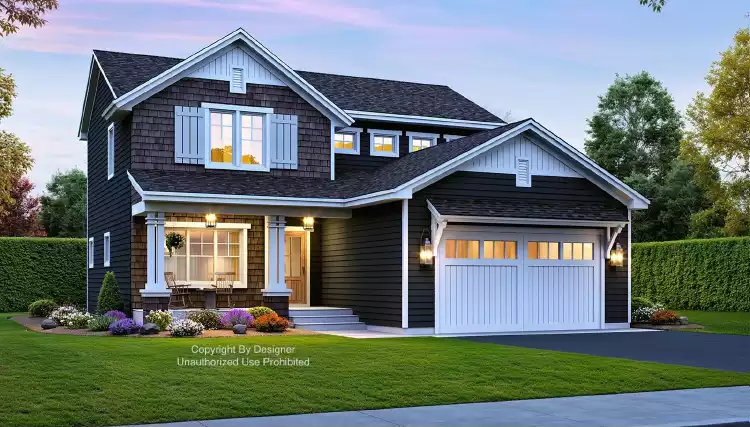
Credit: www.thehousedesigners.com
Key Principles Of Green Design
Green design focuses on creating homes that respect nature and save resources. It aims to reduce the impact on the environment while improving comfort and health. Key principles guide the process, helping builders and homeowners make smart choices.
These principles include the use of sustainable materials, boosting energy efficiency, and conserving water. Each plays a vital role in building eco-friendly homes that last longer and cost less to maintain.
Sustainable Materials
Choosing materials that come from renewable or recycled sources is crucial. Sustainable materials reduce waste and pollution during production. Examples include bamboo, reclaimed wood, and recycled metal. These materials often require less energy to produce and last longer.
Using non-toxic paints and finishes also improves indoor air quality. This choice protects both the environment and the people living inside.
Energy Efficiency
Energy efficiency lowers the amount of power a home needs. This reduces carbon emissions and saves money. Key features include good insulation, energy-efficient windows, and LED lighting. Solar panels and smart thermostats also help cut energy use.
Proper design lets natural light enter the home, cutting the need for artificial lighting. Ventilation systems improve air flow and reduce heating and cooling costs.
Water Conservation
Water conservation reduces waste and protects this precious resource. Using low-flow faucets and showerheads limits water use without losing comfort. Rainwater harvesting systems collect water for gardens and toilets.
Landscaping with native plants lowers the need for extra watering. Efficient irrigation systems deliver water only when and where it is needed.
Eco Friendly Layout Ideas
Eco friendly layout ideas create homes that feel open, bright, and natural. These designs reduce energy use and connect indoor spaces with the outdoors. Smart layouts improve comfort and lower environmental impact.
Simple changes in the plan can make a big difference. Thoughtful placement of windows, rooms, and doors helps save energy and bring nature inside. Such designs promote healthy living and harmony with the environment.
Maximizing Natural Light
Use large windows and skylights to bring sunlight inside. Natural light cuts down on electric lighting during the day. It also makes rooms feel bigger and warmer.
Place rooms where they catch the sun’s path, like living areas facing south. Use light colors on walls and floors to reflect light. Avoid heavy curtains to keep windows clear.
Open Floor Plans
Open floor plans connect kitchen, dining, and living rooms. This design reduces walls and doors that block light and airflow. It creates a spacious, airy feeling with less material use.
Flexible spaces adapt to different needs and reduce the need for extra rooms. Open plans allow better air circulation, improving indoor air quality naturally.
Indoor-outdoor Flow
Design seamless transitions between indoor and outdoor areas. Use sliding doors, patios, and decks to extend living spaces. This flow encourages outdoor living and reduces the need for larger interiors.
Plant trees and shrubs near windows to provide shade and fresh air. Outdoor spaces can serve as natural cooling and relaxing zones. Connecting with nature supports eco friendly living and wellbeing.
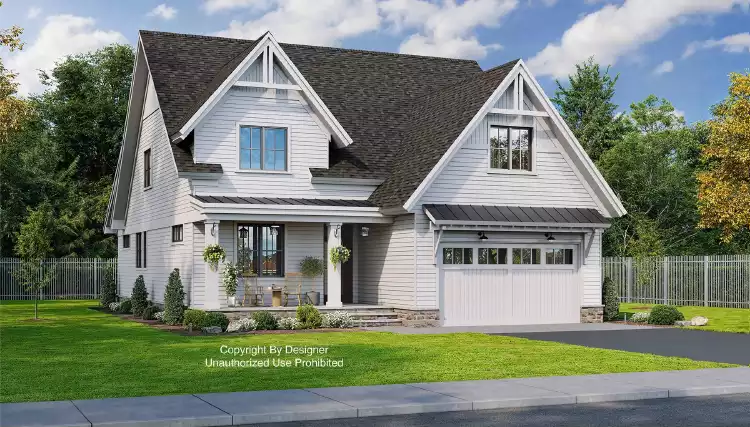
Credit: www.thehousedesigners.com
Smart Home Technologies
Smart home technologies make eco-friendly living simple and effective. They help reduce energy use and lower bills. These systems allow homeowners to control devices easily and improve comfort. Smart devices work together to create a green, efficient home environment.
Energy Monitoring Systems
Energy monitoring systems track how much electricity your home uses. They provide real-time data on energy consumption. This helps spot waste and find ways to save power. You can see which devices use the most energy and adjust usage. These systems support smarter choices for a greener home.
Automated Lighting
Automated lighting adjusts brightness based on the time of day. Sensors turn lights off in empty rooms. This cuts down on wasted electricity. Smart bulbs can change colors and dim for comfort. Automating lights saves energy and adds convenience to daily life.
Efficient Heating And Cooling
Smart thermostats control home temperature with precision. They learn schedules and adjust heating or cooling accordingly. This avoids running systems when no one is home. Efficient heating and cooling reduce energy use and improve comfort. These systems make homes eco-friendly without effort.
Sustainable Landscaping Tips
Sustainable landscaping transforms your outdoor space into an eco-friendly haven. It reduces water use, supports local wildlife, and lowers maintenance costs. You don’t need a big yard or a green thumb to make a positive impact with these simple tips.
Native Plants
Native plants thrive in your local climate without extra watering or fertilizers. They attract bees, butterflies, and birds, creating a lively ecosystem right outside your door.
Try adding a mix of flowering perennials and shrubs that bloom at different times. This keeps your garden colorful throughout the year and supports pollinators continuously.
Rainwater Harvesting
Collecting rainwater saves money and reduces strain on municipal water supplies. You can install rain barrels or a larger cistern to catch runoff from your roof.
Use this water for irrigation during dry spells. It’s free and naturally soft, which is better for plants. Have you thought about how much water your garden actually needs?
Edible Gardens
Growing your own fruits, vegetables, and herbs cuts down on food miles and packaging waste. Even a small balcony can host pots of tomatoes or basil.
Plant what you enjoy eating and what grows well in your area. This makes gardening fun and rewarding while reducing your carbon footprint.
Budgeting For Eco Friendly Renovations
Budgeting for eco friendly renovations requires careful planning to balance upfront costs with long-term savings. You want to make choices that protect the environment without breaking your budget. Smart budgeting helps you focus on upgrades that offer the best value for your money and your home’s sustainability.
Cost Saving Strategies
Start by identifying areas where you can save money without sacrificing quality. Energy-efficient appliances often have higher upfront prices but lower operating costs, meaning your savings build over time.
Consider using recycled or locally sourced materials. They often cost less and reduce transportation emissions, supporting both your wallet and the planet.
Have you checked if DIY options are feasible? Simple tasks like painting with eco-friendly paints or installing weather stripping can cut labor costs.
Incentives And Rebates
Many governments and utility companies offer rebates or tax credits for eco-friendly home improvements. These can significantly reduce your renovation expenses.
Look into programs that reward solar panel installation, energy-efficient windows, or insulation upgrades. Sometimes, these incentives cover a large portion of your costs.
Don’t miss out on local grants or financing options designed to encourage green building. Have you researched what’s available in your area?
Prioritizing Upgrades
Focus on the changes that deliver the biggest impact first. For example, upgrading insulation or sealing leaks can drastically reduce energy bills and improve comfort.
Next, invest in renewable energy sources or water-saving fixtures as your budget allows. This stepwise approach helps spread costs over time without delaying benefits.
Ask yourself which improvements will make your home healthier and more efficient immediately. Prioritizing in this way ensures your renovation is both eco-friendly and financially smart.
Frequently Asked Questions
What Are Key Features Of Eco Friendly Home Designs?
Eco friendly home designs focus on energy efficiency, sustainable materials, and water conservation. They include solar panels, insulation, and eco-friendly paint. These features reduce environmental impact and lower utility costs, creating healthier living spaces.
How Can I Start Planning An Eco Friendly Home?
Begin by assessing your site for sunlight and wind. Choose sustainable materials and efficient appliances. Incorporate water-saving fixtures and renewable energy sources. Planning early ensures a cost-effective, green, and comfortable home.
What Materials Are Best For Eco Friendly Homes?
Use recycled, renewable, or locally sourced materials like bamboo, reclaimed wood, and recycled metal. Avoid toxic substances and opt for low-VOC paints. These materials reduce carbon footprint and improve indoor air quality.
How Do Eco Friendly Designs Save Energy?
They use proper insulation, energy-efficient windows, and passive solar heating. Solar panels and energy-saving appliances reduce electricity use. These strategies lower energy bills and minimize environmental impact.
Conclusion
Choosing eco friendly home design plans helps protect the planet. These designs save energy and reduce waste. They create healthier living spaces for families. Small changes can make a big difference over time. Using natural materials feels good and lasts long.
Everyone can take steps to build greener homes. Start with simple ideas and grow from there. A sustainable home supports nature and future generations. Living green is smart, easy, and rewarding. Embrace eco friendly design to enjoy a better life.