

Are you tired of harsh chemicals lingering in your home after cleaning? Imagine fresh, spotless surfaces without worrying about toxins affecting your family or the planet.
Choosing eco-friendly home cleaning products isn’t just a trend—it’s a smart way to protect your health and create a safer living space. You’ll discover simple, effective alternatives that work just as well, while keeping your home and the environment happy.
Ready to make a change that truly matters? Keep reading to find out how easy it can be.
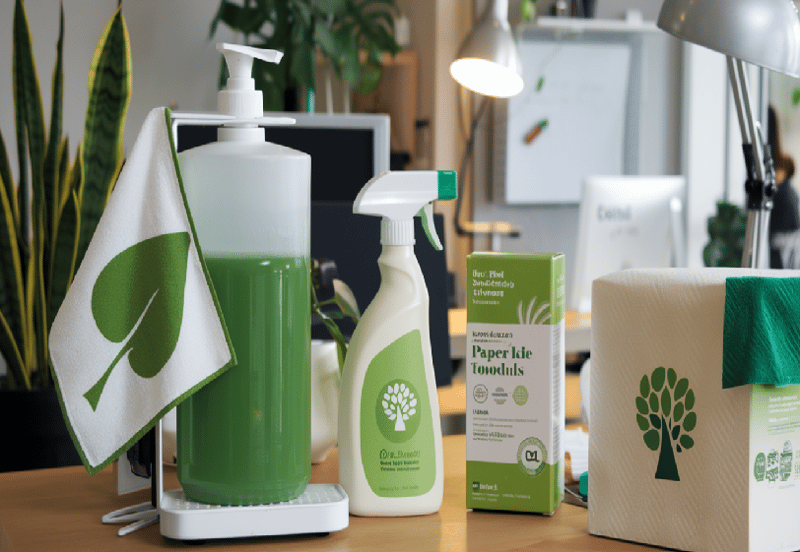
Credit: www.greenfacilities.co.uk
Benefits Of Eco-friendly Cleaning
Choosing eco-friendly home cleaning products brings more than just a sparkling clean house. It offers real benefits that touch your health, the environment, and even your wallet. Understanding these advantages can help you make smarter choices that suit your lifestyle and values.
Health Advantages
Eco-friendly cleaning products often use natural ingredients that reduce your exposure to harsh chemicals. This means less irritation for your skin, eyes, and lungs, especially if you have allergies or asthma.
Switching to these products can also lower the risk of long-term health problems linked to synthetic chemicals. Have you noticed fewer headaches or less coughing after cleaning with green products?
Environmental Impact
Traditional cleaning agents often contain substances that harm water systems and wildlife once they wash down the drain. Eco-friendly options use biodegradable ingredients that break down quickly and safely.
By choosing these products, you help reduce pollution and protect ecosystems. It’s a simple way to support cleaner air and water without changing your daily routine.
Cost Savings
Many people assume eco-friendly products cost more, but that’s not always true. Concentrated formulas mean you use less product per clean, stretching your purchase further.
Additionally, homemade cleaners with common kitchen ingredients like vinegar and baking soda cut costs while delivering effective results. Could you save money while caring for your home and the planet?
Common Natural Ingredients
Natural ingredients have gained popularity for home cleaning because they are effective and gentle on the environment. These common ingredients are easy to find and often already in your kitchen. They offer a safer alternative to harsh chemicals without sacrificing cleanliness.
Vinegar And Baking Soda
Vinegar is a powerful natural cleaner known for cutting through grease and disinfecting surfaces. It works well on glass, countertops, and even floors. Baking soda adds gentle scrubbing power and neutralizes odors, making it perfect for scrubbing sinks or freshening carpets.
Mixing vinegar and baking soda creates a fizzy reaction that loosens grime and debris. Have you tried this combo to clear clogged drains or clean oven racks? It’s an inexpensive way to tackle tough jobs without toxic fumes.
Essential Oils
Essential oils add both cleaning power and a fresh scent to your eco-friendly products. Tea tree oil, for example, has natural antibacterial properties that help fight germs. Lavender and eucalyptus oils not only smell great but also support a calm, clean environment.
You can add a few drops to homemade sprays or mix them with baking soda for a fragrant scrub. Which scents do you find most uplifting or soothing during your cleaning routine?
Lemon And Citrus Extracts
Lemon juice and citrus extracts naturally cut through grease and leave a bright, clean smell behind. Their natural acidity helps dissolve soap scum and hard water stains, making them perfect for bathrooms and kitchens. Plus, lemon’s fresh scent lifts your mood while you clean.
Try rubbing lemon on cutting boards to remove stains or mixing citrus extract with vinegar for a powerful all-purpose cleaner. Have you noticed how a simple lemon scrub can refresh surfaces without any chemicals?
Diy Cleaning Solutions
Creating your own cleaning solutions not only saves money but also reduces the number of harsh chemicals in your home. DIY cleaning products are simple to make, often requiring ingredients you already have in your kitchen. Have you ever thought about how much control you can have over what goes into your cleaning routine?
All-purpose Cleaner Recipes
All-purpose cleaners are the backbone of any cleaning arsenal. A popular and effective recipe includes mixing equal parts of white vinegar and water in a spray bottle. Adding a few drops of essential oil like lemon or tea tree can enhance the scent and boost antibacterial properties.
For tougher grime, sprinkle baking soda on surfaces before spraying the solution. This combination helps lift dirt without scratching. Try it on countertops, sinks, and even bathroom tiles for a fresh, clean feel.
Glass And Mirror Cleaners
Streak-free windows and mirrors can be achieved without commercial glass cleaners. Mix 1 cup of water with 1 cup of rubbing alcohol and 1 tablespoon of white vinegar. Spray this on glass surfaces and wipe with a microfiber cloth for a sparkling finish.
Using newspaper instead of paper towels can reduce lint and leave glass even clearer. Have you ever noticed how much residue traditional cleaners leave behind? This simple mix proves you can get better results naturally.
Floor And Surface Treatments
Floors need gentle yet effective cleaning solutions to maintain their finish. Combine 1 gallon of warm water with ½ cup of white vinegar for hardwood or tile floors. This solution cuts through dirt while preserving the surface.
For sticky spots or stains, mix baking soda with a small amount of water to form a paste. Rub gently and rinse with the vinegar solution. This method is safe for most surfaces and avoids harsh chemicals that can damage flooring over time.
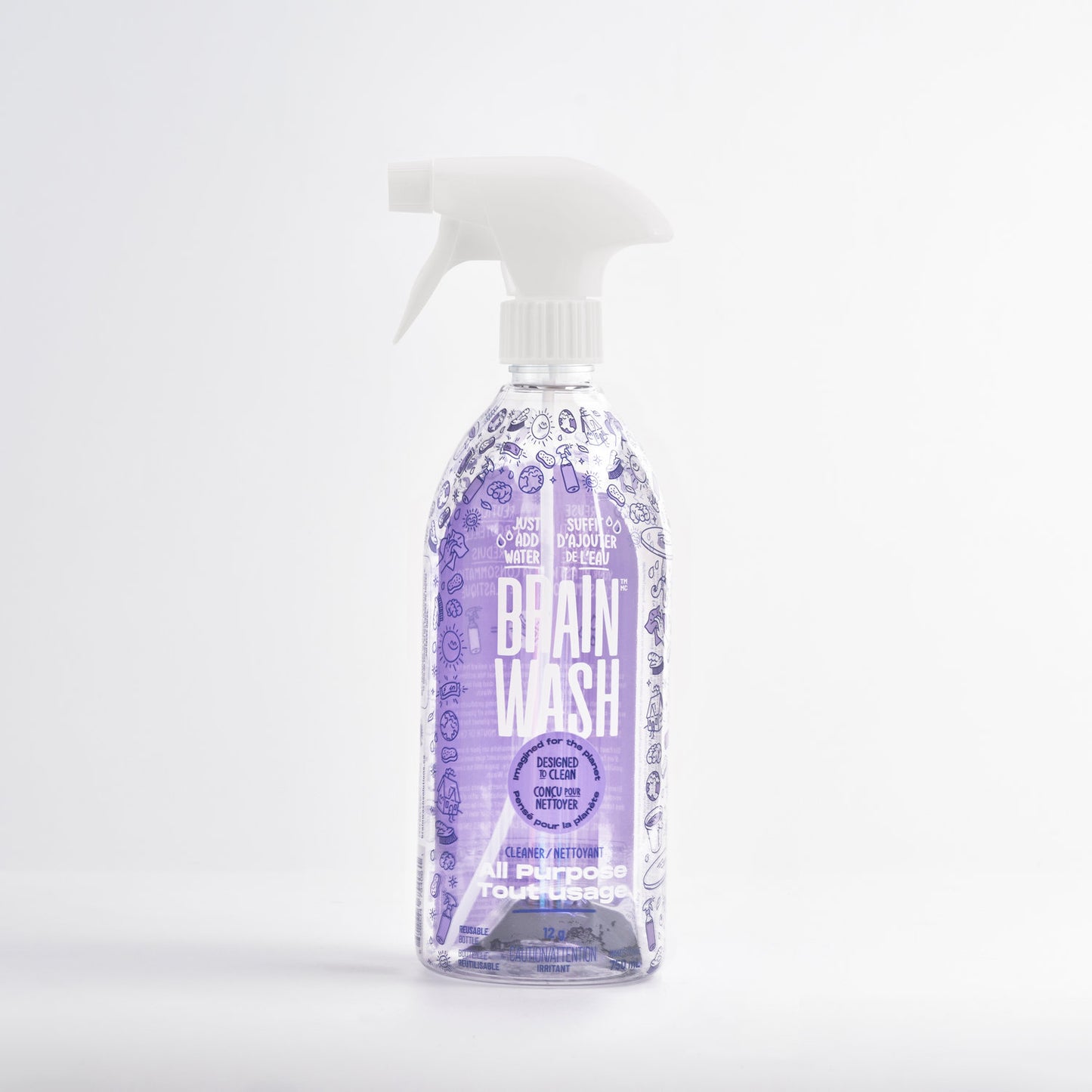
Credit: www.brainwashsolutions.ca
Choosing Store-bought Eco Products
Choosing store-bought eco products can feel overwhelming with so many options on the shelves. But knowing what to look for helps you pick cleaning products that are safe for your home and the planet. Your choices make a difference beyond just a clean surface.
Reading Labels
Labels reveal a lot about what’s inside a product. Look for simple ingredient lists without harsh chemicals like ammonia, phosphates, or synthetic fragrances. If the label has confusing terms, take a moment to research or use apps that scan and explain product ingredients.
Pay attention to claims like “biodegradable,” “non-toxic,” or “plant-based.” These often mean the product breaks down naturally and is less harmful to the environment. Have you checked your current cleaner’s label lately? You might be surprised by what’s really in it.
Certifications To Look For
Certifications provide trustworthy proof that a product meets eco-friendly standards. Look for seals like:
- EPA Safer Choice:Ensures ingredients are safer for people and the planet.
- USDA Organic:Indicates organic sourcing of ingredients.
- Leaping Bunny:Confirms no animal testing.
- Green Seal:Verifies environmental responsibility in manufacturing and ingredients.
These labels aren’t just marketing—they help you avoid greenwashing. Next time you shop, make these icons your checklist.
Popular Brands
Several brands consistently deliver effective and eco-friendly cleaning products you can trust. Some favorites include:
- Seventh Generation:Known for plant-based formulas and transparent labeling.
- Method:Offers biodegradable ingredients and recyclable packaging.
- Mrs. Meyer’s Clean Day:Uses essential oils for fragrance without synthetic chemicals.
- Ecover:Focuses on water-based, phosphate-free products.
Trying one of these brands can be a simple step to switch your cleaning routine. Which brand do you think fits your lifestyle best?
Tips For Effective Cleaning
Cleaning with eco-friendly products can be just as effective as traditional cleaners, but it requires some attention to detail. Understanding how to apply these products correctly will help you get the best results without wasting time or resources. Let’s look at some practical tips that ensure your green cleaning routine works efficiently and safely.
Proper Application Techniques
Eco-friendly cleaners often rely on natural ingredients that need proper application to work well. Spray the product evenly on the surface and let it sit for a few minutes to break down dirt and grime before wiping. Avoid overusing these products; a little goes a long way.
Using microfiber cloths enhances cleaning power without extra chemicals. They trap dust and particles better than regular cloths, making your cleaning more thorough. Have you noticed how much easier it is to clean surfaces with the right cloth?
Safety Precautions
Even natural ingredients can cause reactions, so protect your skin by wearing gloves when handling cleaning products. Keep your workspace well-ventilated to avoid inhaling any fumes, especially if you mix different products. Never mix vinegar with bleach-based cleaners, as it produces harmful gases.
Store eco-friendly products out of reach of children and pets to prevent accidents. Think about your safety as much as the environment’s when cleaning your home.
Storage And Shelf Life
Many eco-friendly cleaners have shorter shelf lives because they lack preservatives found in conventional products. Store them in cool, dry places away from direct sunlight to maintain their effectiveness. Check expiration dates regularly and avoid using products that have changed color or smell.
Label homemade cleaners with the date you made them to track freshness. This simple step prevents using ineffective or spoiled solutions, saving you time and effort during your next cleaning session.
Credit: kitandkin.com
Creating A Sustainable Cleaning Routine
Creating a sustainable cleaning routine helps protect the planet and your health. It involves using eco-friendly products and smart habits. These habits reduce waste and save resources over time. Small changes can make a big difference in your home’s environmental impact.
Reducing Waste
Cut down on plastic by choosing bulk or refillable cleaning products. Avoid single-use wipes and paper towels. Instead, use cloths that can be washed and reused. Properly recycle empty containers to keep waste out of landfills. Buy only what you need to prevent product waste.
Reusable Tools
Switch to reusable cleaning tools like microfiber cloths and mop heads. They last longer and clean effectively without harsh chemicals. Use washable sponges instead of disposable ones. Wooden brushes with natural bristles are a good option. These tools reduce plastic waste and save money.
Scheduling And Frequency
Set a cleaning schedule that fits your lifestyle and keeps your home healthy. Clean high-touch surfaces daily to reduce germs. Deep clean less often to save water and energy. Avoid over-cleaning, which wastes resources and can harm surfaces. A balanced routine keeps your home fresh and eco-friendly.
Frequently Asked Questions
What Are The Benefits Of Eco-friendly Home Cleaning Products?
Eco-friendly products reduce chemical exposure and improve indoor air quality. They are safer for children, pets, and the environment. These products often use biodegradable ingredients, minimizing pollution. Using them supports sustainable practices and helps protect natural resources for future generations.
How Do Eco-friendly Cleaners Differ From Traditional Products?
Eco-friendly cleaners use natural, non-toxic ingredients instead of harsh chemicals. They avoid synthetic fragrances, dyes, and preservatives. These products biodegrade quickly and don’t pollute water sources. They also focus on sustainable packaging, reducing plastic waste and environmental impact.
Are Eco-friendly Cleaning Products Effective For Tough Stains?
Yes, many eco-friendly products are powerful against stains. They often include natural enzymes, vinegar, or baking soda to break down grime. Effectiveness depends on the product and stain type. Choosing reputable brands ensures strong cleaning without harmful chemicals.
Can Eco-friendly Cleaning Products Save Money Long-term?
Eco-friendly products can save money by reducing health costs and waste. Concentrated formulas last longer, requiring less frequent purchases. Homemade options using common ingredients are affordable too. Investing in quality eco-friendly cleaners promotes sustainability and cost-efficiency over time.
Conclusion
Choosing eco-friendly home cleaning products helps protect your family and planet. These products work well without harmful chemicals. They reduce pollution and keep your home safe. Small changes in cleaning habits make a big difference. You can find many green options in stores or online.
Try them and see how fresh your home feels. Cleaner, safer, and kinder to the earth—that’s a smart choice. Start today for a healthier home and environment.