
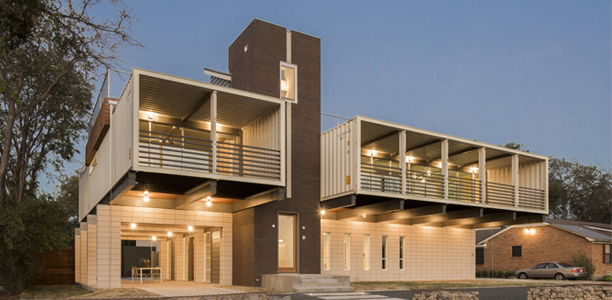
Building your home is one of the biggest decisions you’ll make. What if your home could not only be beautiful and comfortable but also kind to the planet?
Eco friendly home building lets you do just that. Imagine living in a space that saves you money, improves your health, and reduces your impact on the environment. You’ll discover simple, practical ways to create a home that works for you and the Earth.
Keep reading to learn how easy and rewarding building green can be.

Credit: www.smiletotalk.com
Benefits Of Eco Friendly Homes
Choosing to build an eco friendly home brings a range of benefits that go beyond just protecting the planet. These homes can improve your daily life, save you money, and reduce your environmental footprint. Understanding these advantages can help you make smarter decisions for your future living space.
Health Advantages
Eco friendly homes often use non-toxic materials that improve indoor air quality. This means fewer allergens and harmful chemicals circulating in your living space. You might notice fewer headaches, allergies, or respiratory issues after moving into a green home.
Natural ventilation and better insulation keep your home comfortable and reduce mold growth. Have you ever considered how much cleaner air inside your home could impact your family’s well-being? Simple changes like using low-VOC paints can make a big difference in your daily comfort.
Cost Savings
Energy-efficient appliances and superior insulation reduce your utility bills significantly. Many eco friendly homes include solar panels or rainwater harvesting systems that cut ongoing costs. Over time, these savings can cover the initial investment in green technologies.
Maintenance costs tend to be lower too, thanks to durable, sustainable materials. Imagine paying less for heating, cooling, and water without sacrificing comfort. What if your home could pay for itself through energy savings?
Environmental Impact
Building with sustainable materials reduces waste and conserves natural resources. Eco friendly homes often have a smaller carbon footprint during construction and throughout their lifespan. This helps protect ecosystems and reduces pollution.
Water-saving fixtures and energy-efficient designs lower your demand on local resources. Have you thought about how your home’s design could contribute to a healthier planet? Choosing eco friendly options means you actively participate in preserving the environment for future generations.
Choosing Sustainable Materials
Choosing sustainable materials is a crucial step in building an eco-friendly home. These materials reduce environmental impact and often improve your home’s health and efficiency. Understanding your options helps you make smart choices that benefit both you and the planet.
Renewable Resources
Renewable materials come from sources that can quickly grow back or replenish themselves. Wood from sustainably managed forests is a top choice. Bamboo is another fast-growing option that’s strong and stylish.
You might wonder if these materials last as long as traditional ones. Many renewable resources, like cork flooring or straw bale insulation, offer durability while reducing your carbon footprint. Using them supports healthier ecosystems and lowers waste.
Recycled Materials
Using recycled materials cuts down on landfill waste and saves energy needed to produce new products. Recycled steel and reclaimed wood are popular in home building. They add character and reduce the demand for virgin resources.
Think about how old bricks or glass bottles can become part of your walls or decorative features. These choices not only create unique aesthetics but also tell a story of sustainability and resourcefulness. What’s stopping you from giving new life to discarded materials?
Low Voc Products
Volatile Organic Compounds (VOCs) are chemicals found in many paints, adhesives, and finishes that can harm indoor air quality. Choosing low VOC products means cleaner air inside your home. This improves comfort and reduces health risks for you and your family.
Look for paints labeled “low VOC” or “no VOC” and select natural finishes like beeswax or plant oils. These options perform well and keep your indoor environment fresh. How much better would your home feel with air free from harsh chemicals?
Energy Efficient Design
Energy efficient design reduces energy use and lowers utility bills. It creates comfortable homes with less impact on the environment. Thoughtful design choices focus on saving energy through smart planning and quality materials.
Passive Solar Heating
Passive solar heating uses the sun’s energy to warm your home naturally. South-facing windows let sunlight in during winter. Thick walls and floors absorb heat and release it slowly. Overhangs block summer sun to keep interiors cool. This design cuts heating costs without extra equipment.
High Performance Insulation
High performance insulation traps heat inside during winter and keeps heat out in summer. It seals walls, roofs, and floors to prevent air leaks. Better insulation means less work for heating and cooling systems. It helps maintain steady indoor temperatures year-round.
Energy Star Appliances
Energy Star appliances use less electricity and water than standard models. They include refrigerators, washers, dryers, and dishwashers. These appliances reduce energy bills and lower your home’s carbon footprint. Choosing Energy Star saves money and protects the planet.
Water Conservation Techniques
Water conservation is a key part of building an eco-friendly home. It helps reduce your water bills and protects this precious resource. Simple techniques can make a big difference in how much water you use daily.
Rainwater Harvesting
Collecting rainwater is one of the easiest ways to save water. You can install gutters and storage tanks to catch rain from your roof. This water can be used for watering plants, cleaning, or even flushing toilets.
Think about how much rain falls in your area each year. Would capturing some of it reduce your dependence on the municipal supply? Many homeowners find that rainwater harvesting pays off quickly in savings.
Low Flow Fixtures
Low flow faucets, showerheads, and toilets use less water without sacrificing performance. They reduce water flow but maintain pressure, so your experience stays comfortable. Installing these fixtures in your home is simple and effective.
You might be surprised how much water you waste with older fixtures. Changing just one showerhead can save thousands of gallons a year. Have you checked your current fixtures for water efficiency?
Greywater Systems
Greywater systems recycle water from sinks, showers, and washing machines. This water is treated and reused for irrigation or toilet flushing. It reduces the amount of fresh water you need, lowering your overall consumption.
Setting up a greywater system requires some planning but can greatly cut down your water waste. Would you consider using treated greywater in your garden? Many find it a practical way to keep plants healthy and save money.
Renewable Energy Options
Choosing renewable energy options can significantly reduce your home’s environmental impact and lower utility bills. These energy sources harness natural forces that are abundant and clean. Understanding your options helps you decide what fits best with your location, budget, and energy needs.
Solar Panels
Solar panels capture sunlight and turn it into electricity for your home. They work silently and require little maintenance once installed. If your roof faces the sun for most of the day, solar panels can cover a large part of your energy consumption.
Did you know that some homeowners sell excess power back to the grid? This can create an income stream or credit against future bills. Plus, solar systems often increase property value, making them a smart investment.
Wind Turbines
Wind turbines convert wind energy into electrical power. They are especially useful if you live in a windy area with open spaces. Small residential turbines can fit into your backyard and generate enough energy for your household needs.
Installing a wind turbine requires careful consideration of local regulations and noise levels. Yet, they can provide consistent energy day and night, unlike solar panels that rely on sunlight. Have you checked the average wind speeds around your home?
Geothermal Systems
Geothermal systems use the earth’s stable underground temperature to heat and cool your home. This reduces reliance on fossil fuels and lowers energy bills year-round. The upfront cost is higher, but the long-term savings and comfort can be worth it.
These systems work well in many climates and can last over 25 years with proper maintenance. Before investing, consider the soil and land space needed for installation. Could your property accommodate a geothermal heat pump?
Waste Reduction Strategies
Waste reduction is a key part of eco friendly home building. It helps save resources and lower pollution. Builders can use smart strategies to cut down waste during construction and everyday living. These approaches make homes greener and more cost-effective. Effective waste reduction also supports a cleaner environment and healthier communities.
Construction Waste Management
Construction creates many types of waste. Managing this waste well reduces landfill use. Builders sort materials like wood, metal, and concrete. Sorting makes recycling easier. Planning also limits leftover materials. Using precise measurements reduces scrap. Some waste can be reused on-site. This saves money and cuts environmental harm.
Composting
Composting turns organic waste into nutrient-rich soil. Food scraps, yard clippings, and wood chips all work well. Composting reduces trash sent to landfills. It also improves garden health naturally. Builders can design spaces for compost bins. Homeowners benefit from fresh compost for plants. This simple step supports a circular waste system.
Recycling Practices
Recycling keeps materials in use longer. Common recyclables include glass, plastic, paper, and metal. Setting up clear recycling stations helps families sort waste easily. Choosing recycled products lowers demand for new resources. Builders and residents should follow local recycling rules. Proper recycling reduces pollution and saves energy.
Smart Home Technologies
Smart home technologies bring a new level of control and efficiency to eco-friendly home building. These systems help you reduce energy waste and lower your carbon footprint without sacrificing comfort. By using smart devices, you can make your home more responsive to your habits and the environment.
Automated Lighting
Automated lighting adjusts brightness and turns lights on or off based on your presence or natural light levels. This means you won’t leave lights on by accident, which saves energy and cuts costs.
Imagine walking into a room and having the lights turn on instantly, then dim or switch off when you leave. Motion sensors and timers make this effortless, helping you avoid wasted electricity daily.
Smart Thermostats
Smart thermostats learn your schedule and adjust heating and cooling to match your needs. Instead of running all day, your HVAC system works only when necessary, reducing energy consumption.
You can control these thermostats remotely through your phone. This allows you to lower the temperature when you’re away and warm up your home just before you return, avoiding unnecessary energy use.
Energy Monitoring
Energy monitoring systems track how much power your home uses in real time. This information helps you identify devices or habits that consume too much energy.
With clear data, you can make smarter decisions, like unplugging unused devices or switching to energy-efficient appliances. Have you checked your energy use today? Understanding it is the first step to cutting your footprint.
Landscaping For Sustainability
Landscaping for sustainability helps reduce environmental impact. It supports local wildlife and saves water. Designing your yard with eco-friendly choices keeps the land healthy and beautiful. Sustainable landscaping blends nature and function.
Native Plants
Native plants grow well in local soil and climate. They need less water and fewer chemicals. These plants attract bees, butterflies, and birds. Using native plants lowers maintenance and supports biodiversity. Choose varieties that thrive naturally near your home.
Permeable Surfaces
Permeable surfaces let rainwater soak into the ground. They prevent water runoff and reduce flooding risk. Materials like gravel, porous concrete, and wood chips work well. Permeable paths and driveways help keep soil healthy. This method also recharges groundwater supplies.
Edible Gardens
Edible gardens provide fresh fruits and vegetables. They reduce the need to buy and transport food. Growing your own food cuts waste and saves money. Herbs, tomatoes, and leafy greens grow easily in small spaces. Edible gardens create a strong connection to nature.
Certifications And Standards
Certifications and standards guide eco friendly home building. They set clear goals for energy use, material choices, and environmental impact. These frameworks help builders create healthier, more sustainable living spaces. Homeowners benefit from lower bills and a smaller carbon footprint. Understanding key certifications can aid in choosing the right building approach.
Leed
LEED, or Leadership in Energy and Environmental Design, is a popular certification worldwide. It measures a building’s environmental performance in areas like water efficiency, energy savings, and indoor air quality. Points are awarded for sustainable site development and use of renewable materials. Achieving LEED certification shows a strong commitment to green building.
Living Building Challenge
The Living Building Challenge is one of the strictest green building standards. It pushes projects to be self-sufficient and have a positive environmental impact. Buildings must generate their own energy and collect water on site. They also avoid toxic materials and promote health and happiness. This certification demands a deep connection between nature and construction.
Passive House
Passive House focuses on energy efficiency through design and insulation. It minimizes heating and cooling needs by creating airtight, well-insulated homes. This standard ensures excellent indoor air quality and comfort. Homes certified under Passive House use very little energy, reducing utility costs and carbon emissions. It suits climates around the world and promotes durability.
Credit: shoppeblack.us

Credit: www.buildofy.com
Frequently Asked Questions
What Are The Main Benefits Of Eco Friendly Home Building?
Eco friendly home building reduces energy costs, lowers environmental impact, and improves indoor air quality. It promotes sustainability by using renewable materials and conserving resources. These homes often increase property value and support healthier living environments for occupants.
Which Materials Are Best For Eco Friendly Home Building?
Sustainable materials like bamboo, recycled steel, reclaimed wood, and low-VOC paints are ideal. These materials minimize waste, reduce carbon footprint, and improve durability. Choosing local and renewable resources also supports eco friendly construction and reduces transportation emissions.
How Does Eco Friendly Building Save Energy?
Eco friendly homes use insulation, energy-efficient windows, and renewable energy sources like solar panels. These features reduce heating and cooling needs, cutting utility bills. Smart design and natural ventilation also enhance energy conservation and comfort within the home.
Is Eco Friendly Home Building Cost Effective Long Term?
Yes, eco friendly homes have higher upfront costs but save money long term. Lower energy bills, reduced maintenance, and government incentives offset initial expenses. Sustainable homes also have higher resale value, making them financially beneficial over time.
Conclusion
Building an eco-friendly home helps protect nature and saves money. It uses less energy and reduces waste. Choosing natural materials keeps the air inside clean and fresh. Small changes add up to a big difference. Everyone can create a healthier place to live.
Start with simple steps and grow from there. A green home is good for you and the planet. It feels right and lasts longer. Why not build smarter and kinder today?