
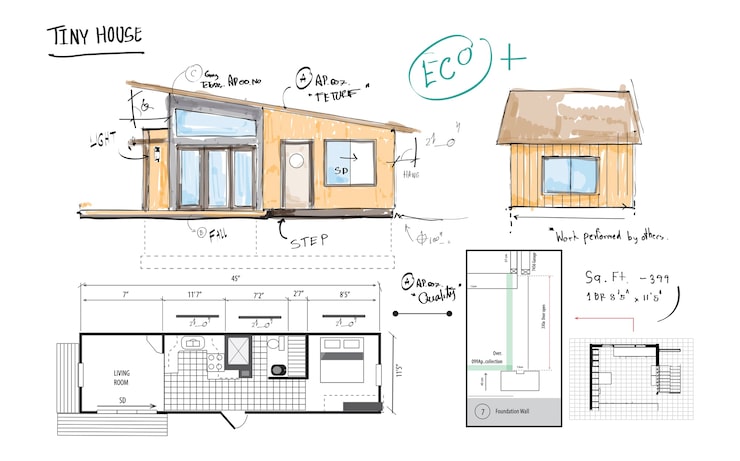
Are you ready to create a home that saves money, protects the planet, and feels comfortable every day? Eco friendly home blueprints are your first step toward building a space that works with nature, not against it.
Imagine a house designed to use less energy, reduce waste, and keep your family healthy. You’ll discover simple yet powerful design ideas that make your dream home both stylish and sustainable. Keep reading to unlock the secrets of eco-friendly living that anyone can apply to their next build.

Credit: www.freepik.com
Benefits Of Eco Friendly Homes
Choosing eco friendly home blueprints does more than just help the environment. It creates a living space that saves money, supports your health, and cuts down on harmful emissions. Understanding these benefits can motivate you to make greener choices for your home.
Energy Savings
Eco friendly homes use smart designs and materials to reduce energy consumption. Features like better insulation, energy-efficient windows, and solar panels help keep utility bills low. Imagine cutting your monthly energy costs by 30% or more simply by building your home smarter.
Have you ever thought about how much energy your home wastes daily? Small changes in design can lead to big savings over time, making your home cheaper to run and kinder to the planet.
Healthier Living Spaces
Using non-toxic materials and improving ventilation creates a healthier indoor environment. This means fewer allergens, mold, and harmful chemicals circulating inside your home. You and your family can breathe easier and reduce health problems linked to poor air quality.
Think about how your current home feels—does it ever feel stuffy or cause allergies? An eco friendly home blueprint can help you avoid these issues by focusing on fresh air flow and safe building materials.
Reduced Carbon Footprint
Building with sustainable materials and energy-saving features lowers your home’s carbon footprint. This means your home contributes less to global warming and pollution. Every eco friendly choice, from recycled wood to solar energy, adds up to a cleaner planet.
What kind of impact do you want your home to have on the environment? Choosing eco friendly blueprints lets you live comfortably while also protecting the Earth for future generations.

Credit: monarch-architecture.com
Choosing Sustainable Materials
Choosing sustainable materials plays a vital role in building an eco friendly home. These materials reduce environmental impact and promote health. Selecting the right options helps create a safer and greener living space. Sustainable materials also improve energy efficiency and lower waste.
Renewable Resources
Renewable resources come from natural sources that grow back quickly. Bamboo, cork, and rapidly growing wood are common examples. These materials regenerate faster than traditional hardwoods. Using renewable resources helps preserve forests and reduces deforestation.
They often require less energy to produce. This lowers the overall carbon footprint of construction. Renewable materials also tend to be durable and strong, making them practical choices.
Recycled And Reclaimed Options
Recycled and reclaimed materials reuse waste or old products. This reduces landfill waste and saves raw materials. Examples include reclaimed wood, recycled metal, and glass. These options give new life to materials that might otherwise be discarded.
Using recycled products saves energy compared to making new ones. Reclaimed wood adds unique character and history to a home. Such materials often cost less and support circular economy principles.
Low Voc Products
Low VOC (Volatile Organic Compounds) products emit fewer harmful chemicals. Paints, adhesives, and finishes with low VOC improve indoor air quality. This creates a healthier environment for families.
Choosing low VOC materials helps reduce pollution and health risks. Many brands offer eco friendly options without sacrificing performance. These products often have certifications proving their safety and low emissions.
Designing For Energy Efficiency
Designing for energy efficiency is the cornerstone of any eco-friendly home blueprint. It’s not just about saving on utility bills, but also about reducing your carbon footprint in a tangible way. Small design choices can lead to big energy savings, making your home comfortable while being kind to the planet.
Passive Solar Design
Passive solar design uses the sun’s energy to heat and light your home naturally. Position your home so the longest walls face south to catch maximum sunlight during winter. Adding overhangs or shades helps keep the summer sun out, preventing overheating.
Think about how sunlight moves through your rooms during the day. Use materials like concrete or brick floors to absorb heat during the day and slowly release it at night. This simple strategy can reduce your heating needs dramatically.
Insulation Techniques
Good insulation keeps your home warm in winter and cool in summer by reducing heat transfer. You can choose from spray foam, fiberglass, or cellulose insulation depending on your budget and wall types.
Don’t just insulate walls—pay attention to your attic and basement too. Air leaks around windows, doors, and even electrical outlets can waste energy, so sealing these gaps is essential.
Efficient Windows And Doors
Your windows and doors play a huge role in energy efficiency. Double or triple-pane windows with low-emissivity (Low-E) coatings reduce heat loss and block UV rays.
Choose doors with good insulation ratings and weather stripping to prevent drafts. Have you checked how much heat escapes through your windows or doors lately? Upgrading these can significantly lower your energy bills.
Incorporating Renewable Energy
Incorporating renewable energy in home blueprints helps reduce energy bills and environmental impact. It uses natural sources that never run out. These systems fit well with eco-friendly home designs. They provide clean, reliable power for daily needs.
Choosing the right renewable energy depends on the home’s location and energy goals. Many homeowners combine different systems for better results. These options lower carbon footprints and increase energy independence.
Solar Panels
Solar panels capture sunlight and turn it into electricity. They work best on roofs with good sun exposure. Panels require little maintenance and last for decades. Installing solar panels cuts electricity costs and reduces reliance on the grid.
- Easy to install on most roofs
- Produces energy during the day
- Can store energy with batteries
Wind Turbines
Wind turbines use air movement to generate power. They fit well in open areas with steady wind. Small turbines can power homes or feed excess energy back to the grid. Turbines need space and regular checks to stay efficient.
- Best in windy, open locations
- Quiet and low maintenance
- Works day and night if wind blows
Geothermal Systems
Geothermal systems use earth’s heat for heating and cooling homes. Pipes buried underground transfer heat to and from the house. This method saves energy and keeps indoor temperatures stable year-round. Installation costs are higher but pay off over time.
- Provides heating in winter
- Offers cooling in summer
- Uses steady underground temperatures
Water Conservation Strategies
Water conservation is a key part of building an eco-friendly home. Reducing water waste helps protect natural resources and lowers your utility bills. You don’t have to make big changes to see a real difference—small adjustments can add up quickly.
Rainwater Harvesting
Collecting rainwater from your roof is a simple way to save water. You can use stored rainwater for gardening, cleaning, or even flushing toilets. Setting up a rain barrel or a more advanced cistern system can cut down your reliance on municipal water.
Think about the last time you watered your plants with tap water. Could that have been rainwater instead? Capturing what falls naturally can reduce your water footprint significantly.
Greywater Recycling
Greywater comes from sinks, showers, and laundry. Instead of sending this water down the drain, you can redirect it to irrigate your yard. Installing a greywater system might seem complex, but many kits and professionals can help you set it up safely.
Using greywater reduces the demand on freshwater supplies. It’s a smart way to reuse water that would otherwise be wasted. Have you considered how much water your household uses daily and where it could be reused?
Low Flow Fixtures
Switching to low flow faucets, showerheads, and toilets can save gallons of water every day. These fixtures maintain strong water pressure while using less water. You can find them at most home improvement stores and install many yourself.
Upgrading your fixtures can be one of the easiest water-saving strategies. It’s surprising how much water you can save without changing your daily routines. What if a small fixture change could cut your water bill in half?
Smart Home Technologies
Smart home technologies are transforming eco-friendly home blueprints by making energy use more efficient and convenient. These systems give you control over your home’s energy consumption, helping you reduce waste and lower utility bills. Imagine a home that adjusts itself to your lifestyle while caring for the environment.
Energy Monitoring Systems
Energy monitoring systems track how much electricity your home uses in real time. By seeing which devices consume the most power, you can make smarter choices about when and how to use them. Some systems even send alerts if they detect unusual spikes, helping you catch hidden energy wasters quickly.
Think about how much energy is wasted by appliances left on standby. With a monitoring system, you can identify and fix these leaks easily. Are you curious about how much energy your favorite gadgets actually consume?
Automated Lighting
Automated lighting controls your home’s lights based on occupancy and natural light levels. This means lights turn off automatically when you leave a room or adjust brightness during daylight hours. It’s a simple way to avoid leaving lights on unnecessarily, which can add up to big savings.
Setting up automated lighting also adds comfort and security. You won’t have to worry about forgetting to turn off lights, and your home will look occupied even when you’re away. Have you ever wondered how much energy your lighting could save if it only turned on when needed?
Smart Thermostats
Smart thermostats learn your schedule and adjust heating and cooling to keep your home comfortable without wasting energy. They can lower the temperature when you’re away and warm up the house just before you return. This personalized control can cut your energy bills significantly.
Many smart thermostats also provide detailed reports on your energy use and offer tips to improve efficiency. Imagine having a thermostat that adapts to your habits and helps protect the planet at the same time. What would a smarter heating system mean for your home’s energy footprint?
Landscaping With Native Plants
Landscaping with native plants transforms your outdoor space into a sustainable, low-maintenance haven. These plants are adapted to your local climate and soil, which means they thrive with less water and care. Choosing native species not only saves resources but also supports local ecosystems, making your home truly eco-friendly.
Drought Tolerant Choices
Native plants are naturally suited to survive dry spells. You can select species that need minimal watering, reducing your water bill and conserving a precious resource.
Consider plants like lavender, yucca, or coneflowers if you live in a dry area. These plants stay healthy with little irrigation, even in hot summer months.
Have you noticed how some plants seem to flourish effortlessly in your neighborhood? Those are usually drought-tolerant natives that you can easily add to your garden.
Creating Wildlife Habitats
Native plants attract local birds, butterflies, and beneficial insects. They provide food and shelter, helping to maintain biodiversity right outside your door.
Adding a variety of native shrubs and flowers encourages pollinators like bees and hummingbirds to visit. This natural interaction supports healthy gardens and nearby crops.
Think about the last time you spotted a vibrant butterfly in your yard. What plants were nearby? Including those species can turn your garden into a lively habitat.
Reducing Lawn Areas
Lawns require significant water, fertilizers, and mowing. Shrinking lawn size by replacing sections with native plants cuts down on maintenance and environmental impact.
You can create inviting, green spaces that still conserve resources by mixing groundcovers, grasses, and flowering natives. This approach saves time and supports local wildlife.
Ask yourself: How much of your lawn do you actively use? Replacing unused patches with native landscaping can make your yard both beautiful and eco-friendly.

Credit: www.freepik.com
Budgeting Your Green Home
Budgeting your green home requires a smart approach that balances upfront costs with future benefits. It’s easy to feel overwhelmed by the price tags attached to eco-friendly materials and technologies. However, understanding where your money goes and how it pays off can help you make confident decisions for your sustainable home.
Cost Vs. Long Term Savings
Investing in energy-efficient windows or solar panels might seem expensive at first. But think about how much you’ll save on utility bills over the years. A well-insulated home reduces heating and cooling costs dramatically, often paying for itself within a decade.
Ask yourself: how much do you currently spend on energy each month? This number can guide you in choosing upgrades that bring the biggest savings. Sometimes, spending a bit more upfront means avoiding costly repairs or replacements later.
Incentives And Rebates
Many governments and local agencies offer financial incentives to encourage green building. These can include tax credits, rebates, or low-interest loans for installing solar panels, energy-efficient appliances, or water-saving fixtures. Checking eligibility can cut your costs significantly.
Don’t miss out by assuming these programs are complicated. Often, you just need to fill out a simple form or work with your contractor. Have you checked what programs are available in your area? This step could reduce your investment by thousands of dollars.
Prioritizing Upgrades
Not every eco-friendly upgrade needs to happen at once. Focus on improvements that offer the highest impact first. For example, sealing leaks and adding insulation are usually cheaper and immediately improve comfort and savings.
Next, consider bigger projects like solar panels or rainwater harvesting systems. Breaking down the process helps you manage costs and avoid feeling overwhelmed. Which upgrades will make your home greener without breaking your budget today?
Frequently Asked Questions
What Are Eco Friendly Home Blueprints?
Eco friendly home blueprints are designs focusing on sustainability. They use energy-efficient materials and renewable resources. Their goal is to reduce carbon footprint and save energy. These plans promote healthier living environments and lower utility costs. They balance comfort with environmental responsibility.
How Do Eco Friendly Blueprints Save Energy?
They optimize natural light and ventilation, reducing electricity use. Insulation and energy-efficient windows keep indoor temperatures steady. Solar panels and energy-saving appliances are often incorporated. These strategies lower energy bills and minimize environmental impact. Effective design can cut energy consumption significantly.
Which Materials Are Best For Green Home Designs?
Renewable, recycled, and low-toxicity materials are preferred. Bamboo, reclaimed wood, and recycled metal are common choices. These materials reduce waste and environmental harm. Using local materials also cuts transportation emissions. Sustainable materials ensure durability and eco safety.
Can Eco Friendly Blueprints Reduce Construction Costs?
Yes, they can lower long-term costs despite initial investment. Energy-efficient designs reduce utility bills significantly. Durable materials minimize maintenance and replacement needs. Smart planning decreases waste during construction. Overall, they offer financial savings over time.
Conclusion
Building an eco-friendly home starts with smart blueprints. These plans save energy, water, and money. They use natural light and strong, green materials. You help the planet by choosing eco designs. Small changes add up to big results. Think about comfort and nature when planning your space.
Your home can be healthy and kind to Earth. Start with clear, simple ideas for a better future. Eco-friendly blueprints guide you step by step. A greener home is within your reach.