

Does Your Ip Address Show Your Home Address? Have you ever wondered if your IP address reveals your exact home address? It’s a question many people ask but few truly understand.
You might think your online identity is safe and private, but the truth about how much your IP address can show might surprise you. You’ll discover what information your IP address actually shares, what it doesn’t, and how you can protect your privacy.
Keep reading—what you learn here could change the way you use the internet forever.
What Is An Ip Address
An IP address is a unique set of numbers assigned to each device connected to the internet. Think of it as your device’s digital ID that helps identify it on the vast network of the internet. Without an IP address, your device wouldn’t be able to communicate with websites, apps, or other online services.
Understanding what an IP address really means can help you grasp how your location and identity might be exposed online. Have you ever wondered if someone can track your exact home address just from your IP? Let’s break down the basics to clear up some common misconceptions.
Types Of Ip Addresses
There are two main types of IP addresses: IPv4 and IPv6. IPv4 addresses look like four sets of numbers separated by dots, such as 192.168.1.1. IPv6 was created because we started running out of IPv4 addresses and looks like longer strings with letters and numbers, like 2001:0db8:85a3:0000:0000:8a2e:0370:7334.
Besides these, IP addresses can be either staticor dynamic. A static IP address doesn’t change and is fixed to a device, while a dynamic IP address can change frequently, usually assigned by your internet service provider (ISP).
How Ip Addresses Are Assigned
Your IP address is typically assigned by your ISP. When you connect to the internet, your device requests an IP from your ISP’s pool of available addresses. This assignment can be temporary or permanent depending on whether the IP is dynamic or static.
ISPs often assign dynamic IPs to most home users because it’s more efficient. It also means your IP address can change every time you reconnect to the internet. So, even if someone tracks an IP address, it might not always point to the same device or location.
Do you realize how this impacts your privacy? Knowing how IP addresses work helps you understand why your exact home address isn’t typically revealed just by your IP. Still, the IP can show your general area or city, which might be enough for some purposes.
How Ip Addresses Relate To Location
Your IP address can give clues about your location, but it doesn’t directly reveal your exact home address. Understanding how IP addresses relate to location helps you see what kind of information is actually shared when you browse the internet.
Ip Geolocation Basics
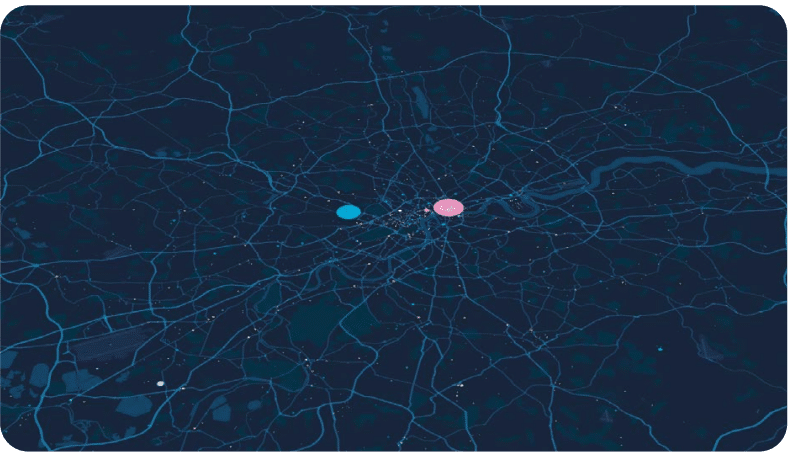
Every device connected to the internet has an IP address, a unique string of numbers assigned by your internet service provider (ISP). This IP is linked to a general geographic area, often down to your city or neighborhood.
ISPs allocate blocks of IP addresses to specific regions. When websites or apps detect your IP, they use databases to map it to a physical area based on this allocation.
Think of it like a postal code, not a full address. It narrows down your location but doesn’t pinpoint your exact street or house.
Accuracy Of Ip Location Data
The accuracy of IP location depends on several factors. City-level accuracy is common, but precise street-level accuracy is rare and often unreliable.
Many IP databases update regularly, but they can still show outdated or incorrect locations. This happens if your ISP moves IP blocks or if you use a VPN or proxy.
Have you ever noticed ads or content targeting your city but not your exact area? That’s because IP geolocation aims for broad targeting, not detailed tracking.
- Public Wi-Fi or mobile networks often show a different location than your home.
- Businesses using shared IP addresses can appear to be in one place while users are scattered.
- VPNs and proxies can mask your real location entirely.
So, while your IP address can give a rough idea of where you are, it doesn’t reveal your home address. That’s a relief for privacy, but it also means you should be cautious about what location-based services you trust blindly.
Can An Ip Address Reveal Your Home Address
Can an IP address reveal your home address? Many people believe their IP address can directly pinpoint their exact location. The truth is more complex. An IP address provides clues about your general area but rarely shows your precise home address.
Understanding how IP addresses work helps clarify what they can and cannot reveal. Your internet activity often traces back to an IP address assigned by your internet provider. This address points to a location, but usually only to a broad region like a city or neighborhood.
Limitations Of Ip-based Location
IP addresses do not offer exact home address details. They give an approximate geographic area. Accuracy depends on several factors:
- Type of IP address: dynamic or static
- Location of the internet service provider’s servers
- Use of VPNs or proxies that mask true IP
Location data from IP addresses can be off by miles or even more. Many IP addresses point to the ISP’s regional hub, not your personal residence. This means anyone using IP geolocation tools will see a general area, not your street address.
Role Of Internet Service Providers
Internet Service Providers (ISPs) assign IP addresses to users. They maintain records linking IP addresses to customers. Only ISPs can connect an IP to a specific home address.
Law enforcement can request this information through legal channels. Ordinary users and websites cannot access exact address data from an IP alone. ISPs often change IP addresses regularly. This adds another layer of privacy.
ISPs also use different methods to assign IPs, such as:
- Dynamic IPs that change each time you connect
- Static IPs that stay the same over long periods
Dynamic IPs make tracking exact locations harder. Static IPs can give more consistent location clues but still do not reveal detailed home addresses publicly.
Credit: www.digitalelement.com
Risks Of Sharing Your Ip Address
Sharing your IP address might seem harmless, but it can expose you to several risks that affect your privacy and online security. An IP address acts like a digital fingerprint, revealing more about you than you might realize. Understanding these risks helps you take control of your digital footprint and stay safer online.
Privacy Concerns
Your IP address can reveal your approximate location, sometimes narrowing down to your neighborhood or city. This means websites, advertisers, or even strangers can get a rough idea of where you are without your permission.
Think about how you feel when a website shows ads tailored to your location. It’s not magic—it’s your IP address giving away clues. If someone with bad intentions gets hold of your IP, they might use it to target you with scams or phishing attempts.
Potential For Tracking
Every time you visit a website, your IP address is logged. Over time, this data builds a profile of your browsing habits. Companies can track the sites you visit, how often, and what you do there.
This kind of tracking raises questions: How comfortable are you with strangers watching your online moves? Could this data be sold or shared without your knowledge?
Even worse, cybercriminals can use your IP to launch attacks like Distributed Denial of Service (DDoS), overwhelming your network and causing disruptions. Protecting your IP address is a step toward protecting your online identity and peace of mind.
Ways To Protect Your Ip Address
Protecting your IP address is key to keeping your online activities private. Your IP can reveal your location and browsing habits. Taking steps to hide or change it strengthens your security. It also helps avoid tracking and unwanted access.
Many tools and techniques exist to shield your IP address. Some are easy to use and highly effective. Below are common ways to keep your IP safe from prying eyes.
Using Vpns And Proxies
VPNs create a secure tunnel for your internet traffic. They replace your real IP with one from their servers. This hides your true location and identity.
- VPNs encrypt data for extra security.
- Proxies act as middlemen to mask your IP.
- Both help bypass geographic restrictions.
- Choose trusted providers to avoid data leaks.
VPNs and proxies are simple tools to boost privacy quickly. They work on most devices and networks.
Changing Your Ip Address
Changing your IP address can confuse trackers. Some ISPs allow you to reset your IP by restarting your router. Others assign a new IP periodically.
- Use dynamic IPs if your ISP supports them.
- Request a new IP from your provider.
- Connect to different networks like public Wi-Fi.
- Use mobile data as an alternative IP source.
Changing your IP helps limit long-term tracking. It adds a layer of anonymity to your online presence.

Credit: en.wikibooks.org
Legal And Ethical Considerations
Understanding the legal and ethical sides of IP address tracking helps protect privacy. IP addresses provide clues about locations but do not directly reveal exact home addresses. Laws and rules guide when and how this data can be used. Respecting these limits is important to avoid privacy violations and misuse.
When Ip Address Tracking Is Allowed
IP tracking is legal in specific cases. Companies use it to:
- Prevent fraud and cyber attacks
- Improve website security
- Offer location-based services
- Comply with law enforcement requests
Legal requests from authorities often require court approval. This ensures privacy rights are protected. Businesses must follow data protection laws like GDPR or CCPA. These laws limit how personal data, including IP addresses, is collected and stored.
Misuse Of Ip Information
Using IP addresses beyond legal limits breaches privacy. Common abuses include:
- Tracking users without consent
- Targeting individuals unfairly
- Sharing data with unauthorized parties
- Using data for scams or harassment
Misuse harms trust and can lead to legal penalties. Users should be aware of their rights. Organizations must handle IP data responsibly and transparently. Protecting online privacy is a shared responsibility.
Credit: www.geeksforgeeks.org
Frequently Asked Questions
Can An Ip Address Reveal Your Home Address?
No, an IP address cannot directly show your home address. It reveals your general location, like city or region. Internet service providers (ISPs) assign IP addresses, which can be traced back to them. For exact home addresses, legal processes are required to access such information from ISPs.
How Does An Ip Address Work?
An IP address is a unique identifier for devices on the internet. It helps in routing information between your device and websites. Think of it like a mailing address for your computer. It ensures data reaches the correct destination and originates from the right source.
Why Is My Ip Address Important?
Your IP address is crucial for internet connectivity. It identifies your device on a network, allowing data exchange. Websites use it to deliver content tailored to your location. Additionally, it’s essential for online security and tracking suspicious activities, ensuring a safer internet experience.
Can Anyone Track My Location With An Ip Address?
An IP address provides a rough estimate of your location, like city or region. It doesn’t give precise details like your home address. For exact tracking, legal authority and ISP cooperation are needed. Most websites can’t access detailed personal location information from just an IP address.
Conclusion
Your IP address gives a general area, not your exact home. It shows the city or region, not your street or house number. Many websites use IPs to find location roughly. Real home addresses stay private unless shared directly. Use a VPN or proxy to hide your real IP.
Stay aware of what information you share online. Protect your privacy by understanding how IPs work. It’s good to know what an IP can and cannot reveal. Keep your online safety a top priority.