

Are your rooms feeling hotter than they should during sunny days? You might wonder if tinting your house windows can actually help reduce the heat inside.
Imagine cutting down on that uncomfortable warmth without cranking up your air conditioner. Wouldn’t that save you money and make your home more comfortable? You’ll discover how window tinting works, what benefits it offers, and whether it’s the right choice for your home.
Keep reading to find out if tinting your windows can be the simple solution you’ve been looking for to beat the heat.
How Window Tinting Blocks Heat
Window tinting plays a key role in reducing heat inside a house. It works by limiting the amount of solar energy that passes through glass. This keeps indoor spaces cooler and more comfortable. The science behind window tinting involves blocking heat before it enters the home.
Different types of window tints offer varied levels of heat control. Some tints reflect heat, while others absorb or scatter it. Along with heat reduction, many tints also block harmful UV rays. This protects furniture and skin from damage.
Types Of Window Tints
- Dyed Tints: These absorb sunlight and reduce glare.
- Metalized Tints: Tiny metal particles reflect heat away.
- Hybrid Tints: Combine dye and metal for balanced heat control.
- Ceramic Tints: Use ceramic particles for strong heat and UV blocking.
Heat-reflective Properties
Heat-reflective tints contain materials that bounce sunlight back. This prevents much of the sun’s heat from entering the glass. Reflective tints help keep rooms cooler, especially during hot days. They reduce the need for air conditioning and save energy.
Uv Ray Reduction
Window tints block up to 99% of harmful UV rays. UV rays cause fading of furniture and harm skin over time. By filtering UV rays, tints protect your home’s interior and health. This feature adds value beyond simple heat control.

Credit: privacytint.ca
Energy Savings From Window Tinting
Window tinting offers a practical way to save energy by controlling heat entering your home. It helps maintain a cooler indoor temperature without heavy reliance on cooling systems. This leads to noticeable energy savings, especially during hot months. Let’s explore how window tinting impacts energy costs in different ways.
Lower Cooling Costs
Tinted windows block a large portion of solar heat. This reduces the need for air conditioners to run constantly. Less energy is needed to cool your home, which lowers your monthly electricity bills. Over time, these savings can add up significantly.
Reduced Air Conditioning Load
Window tinting eases the workload on your air conditioning unit. It prevents rooms from heating up quickly, so the AC does not have to work as hard. This can extend the life of your cooling system and reduce repair costs.
Impact On Heating Bills
During colder months, tinted windows may slightly affect heating needs. Some tints reduce heat gain from the sun, which could mean higher heating use. Choosing the right type of tint can balance heat retention and cooling benefits for year-round comfort.
Comfort Benefits Inside The Home
Tinting your house windows does more than just cut down on heat—it creates a more comfortable living space. The benefits inside your home can be immediate and noticeable, affecting everything from room temperature to the lifespan of your furniture. Let’s look closer at how window tinting can improve your daily comfort.
Temperature Consistency
Have you ever noticed some rooms in your house feel hotter than others? Window tinting helps balance out those temperature differences by blocking out a significant amount of solar heat. This means your living room won’t turn into a sauna in the afternoon, and bedrooms will stay cooler at night.
With less heat coming through your windows, your air conditioner doesn’t have to work as hard. This can lead to lower energy bills and a more even temperature throughout your home. Imagine not having to constantly adjust the thermostat to find that perfect comfort zone.
Glare Reduction
Bright sunlight can make watching TV or working on a computer frustrating. Tinting reduces glare by filtering out intense sunlight without darkening your rooms too much. This makes it easier to enjoy your favorite activities without squinting or repositioning furniture.
Think about how much time you spend near windows during the day. Reducing glare also protects your eyes from strain, which is often overlooked but essential for comfort. Have you ever wished your living room was just a little less blinding on sunny days?
Preserving Furniture And Flooring
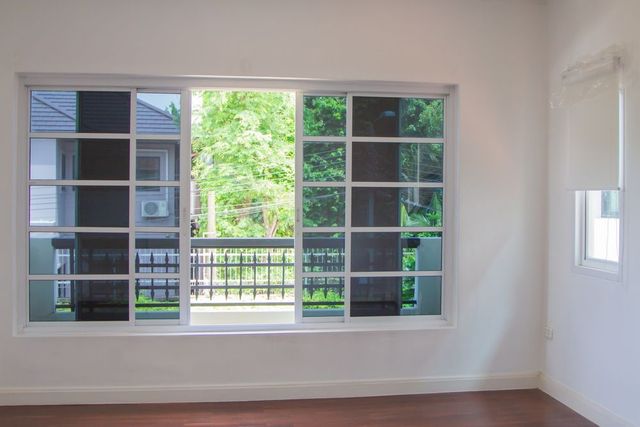
Sunlight can fade your carpets, curtains, and wooden floors over time. Window tinting blocks harmful UV rays that cause this damage. This helps keep your furniture looking new and your floors vibrant for longer.
By protecting these investments, you save money on replacements and repairs. Plus, your home stays visually appealing without you needing to constantly rearrange or cover up faded spots. How much would you value keeping your favorite sofa or rug in top shape?
Credit: www.solarmasterwindowfilm.com.au
Installation Considerations
Installing window tint on your house requires careful thought. The right choices affect how well it blocks heat and how long it lasts. Planning the installation helps avoid common problems and ensures better results. Learn about selecting the correct tint, deciding who should install it, and how to keep it in good shape.
Choosing The Right Tint
Not all window tints block heat equally. Some tints reflect sunlight, while others absorb it. Consider tints with high solar heat rejection for the best cooling effect. Look for UV protection to shield your furniture and skin. Choose a tint that suits your window type and home style. Darker tints block more heat but reduce natural light. Balance heat reduction with brightness for comfort.
Professional Vs Diy Installation
Installing window tint can be tricky. Professionals have tools and experience for a smooth finish. They avoid bubbles, wrinkles, and peeling issues. DIY kits cost less but need patience and skill. Mistakes can reduce tint effectiveness and damage windows. Professionals offer warranties and faster installation. DIY suits small projects or tight budgets but demands careful work.
Maintenance Tips
Proper care keeps tinted windows looking good and working well. Clean with a soft cloth and mild soap. Avoid harsh chemicals and abrasive materials. Do not use razor blades on the film. Check for damage or peeling regularly. Repair small issues quickly to extend tint life. Keep windows dry to prevent mold and dirt buildup.
Comparing Window Tinting With Alternatives
Choosing how to reduce heat in your home can feel overwhelming with so many options available. Comparing window tinting with other solutions helps you find what fits your needs and budget best. Let’s look closely at how tinting stacks up against curtains, blinds, and energy-efficient windows.
Window Films Vs Curtains And Blinds
Window films work by blocking heat before it enters your home, while curtains and blinds act as barriers after sunlight passes through the glass. This means films reduce heat gain without sacrificing natural light. Curtains and blinds can darken rooms and need constant adjusting to keep the heat out.
If you value bright, airy spaces but want cooler rooms, window films might be the better choice. Plus, films don’t collect dust or require frequent cleaning like fabric curtains. Have you noticed how often you have to close blinds just to keep your room cool?
Tinting Vs Energy-efficient Windows
Energy-efficient windows use advanced glass and insulation to reduce heat transfer. They can be very effective but come with a high upfront cost and often require professional installation. Window tinting is a simpler upgrade that can be applied to existing windows quickly and at a lower price.
While energy-efficient windows offer long-term energy savings, tinting provides immediate heat reduction without replacing your windows. You can even combine both solutions for maximum effect. Would you prefer a quick fix or a complete window overhaul?
Cost-benefit Analysis
| Solution | Initial Cost | Heat Reduction | Maintenance | Longevity |
|---|---|---|---|---|
| Window Tinting | Low to Moderate | Moderate to High | Low | 5-10 years |
| Curtains and Blinds | Low | Low to Moderate | Moderate | Varies |
| Energy-Efficient Windows | High | High | Low | 15-25 years |
Looking at costs and benefits side by side helps you choose wisely. Window tinting offers a solid balance between price and performance, especially if you want quick results. Energy-efficient windows last longer but require a bigger upfront investment. How much are you willing to spend for comfort and energy savings?
Real-life Results And Case Studies
Understanding how window tinting impacts heat reduction is easier when you look at real-world examples and scientific evidence. People’s experiences combined with research provide a clearer picture of what you can expect if you decide to tint your windows. Let’s examine some real-life results and case studies to see the true effect of window tinting on home temperature.
Homeowner Experiences
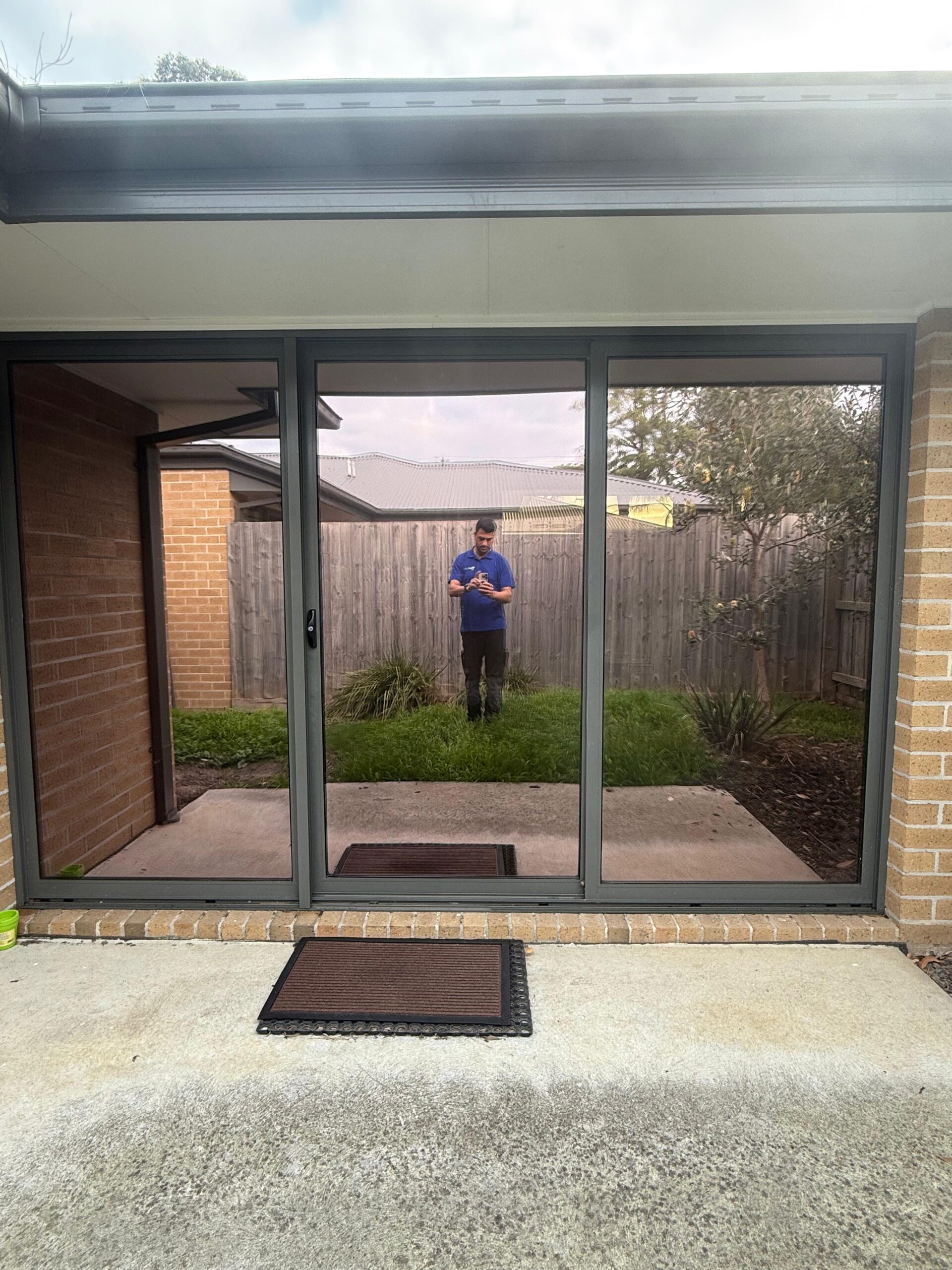
Many homeowners report noticeable drops in indoor temperatures after tinting their windows. One family in Arizona shared that their living room stayed about 8 degrees cooler during peak summer afternoons. This helped them reduce air conditioning use, cutting energy bills by nearly 15% in just three months.
Another homeowner in Florida mentioned how tinted windows eliminated the glare that made reading difficult in the afternoon. This improvement in comfort encouraged them to spend more time in naturally lit rooms without cranking up the AC.
Have you noticed uncomfortable heat near your windows? These stories suggest tinting might offer the relief you need without costly renovations.
Scientific Studies On Heat Reduction
Research supports what homeowners experience. A study published by the Lawrence Berkeley National Laboratory measured heat reduction from window films and found up to a 30% decrease in solar heat gain. This means less heat enters your home through windows during hot days.
Another study tested various types of tint films and found that ceramic-based tints blocked infrared rays effectively while maintaining visible light. This balance keeps rooms bright but cooler, which could be ideal if you want natural light without the heat.
These findings raise an important question: Are you choosing the right type of tint for your climate and lighting needs?
Long-term Benefits
Beyond immediate cooling, tinted windows protect your home and belongings over time. UV rays cause fading on furniture, carpets, and artwork. Tinting blocks up to 99% of these harmful rays, preserving your interiors longer.
Additionally, reducing heat gain lowers strain on your HVAC system. This can extend the lifespan of your air conditioner and save on maintenance costs. One case study showed a family’s AC unit needed fewer repairs after tinting was installed.
Would you consider the long-term savings and protection when deciding on window tinting? It might be a smart investment that pays off in comfort and durability.
Credit: tintminister.com.au
Frequently Asked Questions
Does Window Tinting Save Energy?
Yes, tinting house windows can significantly reduce energy costs. It helps by blocking out heat from the sun, reducing the need for air conditioning. As a result, your home’s energy efficiency improves, and you save money on energy bills. It’s an eco-friendly way to maintain a cooler indoor temperature.
How Does Window Tinting Reduce Heat?
Window tinting reduces heat by reflecting and absorbing solar radiation. The film blocks a significant portion of the sun’s heat and UV rays. This helps maintain a cooler indoor environment, especially during hot months. It also protects furniture and interiors from sun damage, extending their lifespan.
Is Window Tinting Cost-effective?
Yes, window tinting is cost-effective in the long run. Although there’s an initial investment, the reduction in energy bills makes it worthwhile. It helps maintain a comfortable indoor temperature, reducing the need for air conditioning. This translates to savings on energy costs over time, making it a smart investment.
Does Window Tinting Provide Uv Protection?
Yes, window tinting offers excellent UV protection. It blocks up to 99% of harmful UV rays. This not only protects your skin from damage but also prevents furniture and interiors from fading. By reducing UV exposure, window tinting contributes to a healthier and more comfortable living space.
Conclusion
Tinting house windows can help reduce heat inside. It blocks some sunlight and lowers room temperature. This makes homes cooler and saves energy on air conditioning. Window tints also protect furniture from sun damage. Choosing the right tint depends on your needs and budget.
Remember, tinted windows work best with other cooling methods. They are a simple step to improve comfort. Consider tinting to make your home more pleasant in hot weather.