

Imagine the sweltering heat of a summer day. You’re desperate for relief, and the idea of a portable air conditioner sounds like a dream come true.
It’s convenient, compact, and promises to cool your space quickly. But here’s a question you might not have considered: do portable air conditioners need to be vented? You might be tempted to skip this step, thinking it’s unnecessary or complicated.
But before you make a decision, there’s vital information you need to know. Venting your portable air conditioner isn’t just a technical detail; it’s crucial for its effectiveness and your comfort. You’ll discover why venting matters, how it impacts efficiency, and what options are available for setting it up. By understanding these key points, you can ensure you’re getting the most from your investment, keeping your space cool and comfortable without any hassle. Dive into this article to unlock the secrets of venting and transform your cooling experience.
Portable Air Conditioners Basics
Portable air conditioners have become popular for their convenience and effectiveness in cooling individual rooms. Understanding the basics can help you make the most of your unit. Whether you’re trying to beat the summer heat or improve your home’s comfort, knowing how these devices work can make a big difference. Have you ever wondered why your portable air conditioner needs venting? Let’s dive into the essentials and uncover some practical insights.
How They Work
Portable air conditioners cool your space by drawing in warm air and expelling it after cooling. The cooled air is circulated back into the room, creating a more comfortable environment. These units need to vent the hot air outside to maintain their efficiency. Without proper venting, the hot air would re-enter the room, defeating the cooling purpose.
Imagine trying to fill a bucket with water while simultaneously draining it. You need to ensure the balance between air intake and exhaust for effective cooling. Venting is the key to maintaining this balance. It’s like letting the heat escape so your room can stay cool and fresh.
Key Components
Understanding the components of a portable air conditioner can help you operate it effectively. The main parts include the compressor, condenser, evaporator, and a fan. The compressor and condenser work together to cool the air, while the evaporator absorbs the heat.
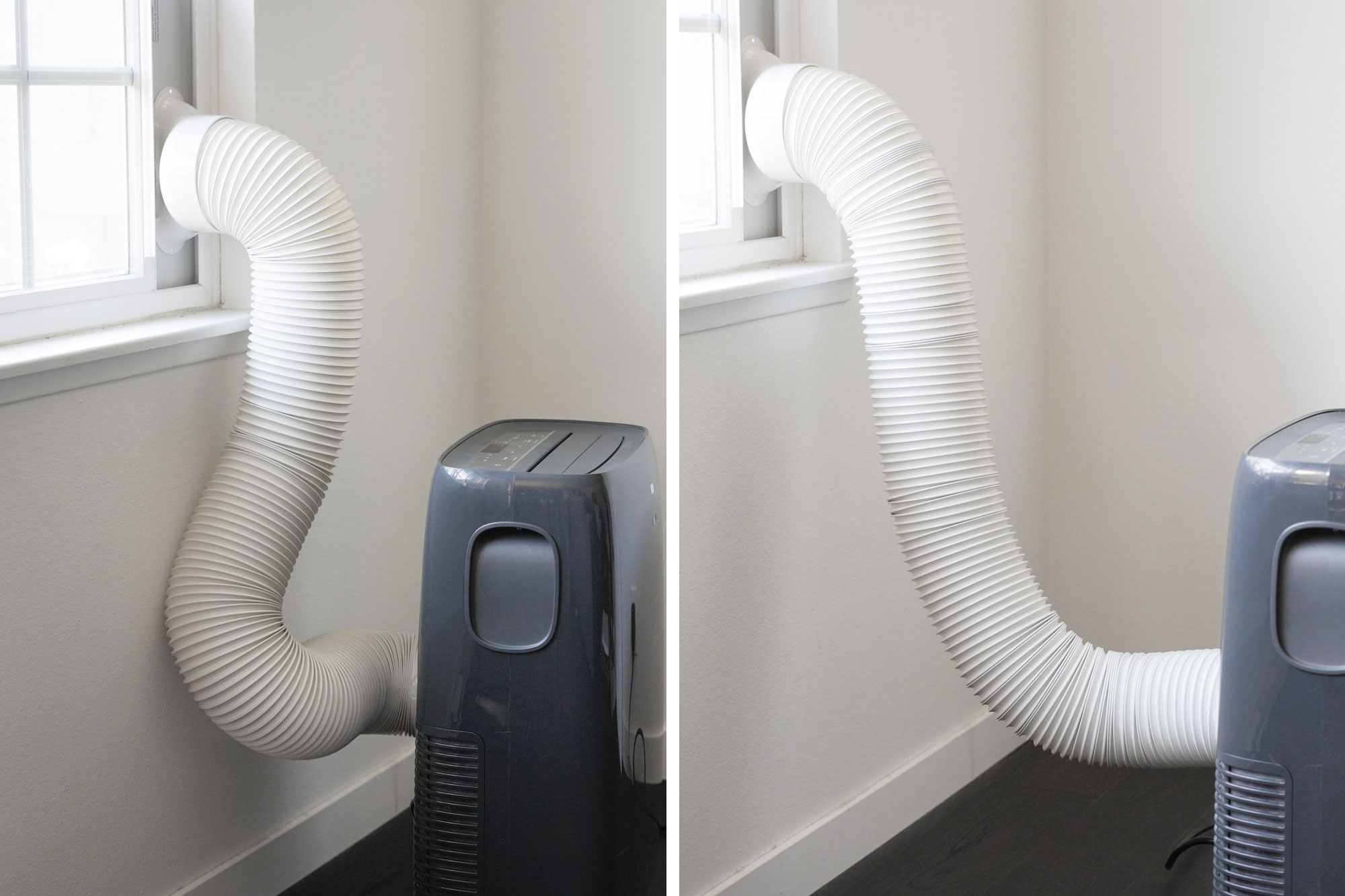
Another crucial component is the exhaust hose. This hose allows the hot air to exit the room, typically through a window or a sliding door. You might think of it as the escape route for unwanted heat. Proper installation ensures that the hot air doesn’t sneak back into your living space.
Each component plays a vital role in the cooling process, and they all need to function properly to achieve the desired temperature. Have you checked if your exhaust hose is securely attached? A simple check might save you from unnecessary heat and ensure your air conditioner works like a charm.
Using a portable air conditioner can be a game-changer for your comfort. However, understanding its basic operation and components can maximize its efficiency. Are you ready to let your portable air conditioner work its magic? Let’s ensure it’s set up for success!
Venting Explained
Portable air conditioners must be vented to remove hot air. Venting ensures efficient cooling and prevents overheating. Without venting, the unit struggles to cool the space, impacting performance.
Venting a portable air conditioner is crucial for its effective operation. You might wonder why a machine that cools needs to vent hot air. Understanding venting will help you make the most of your portable air conditioner, ensuring your space stays comfortable and cool during those hot summer months.Purpose Of Venting
Venting helps remove the hot air that the unit pulls from the room. This process ensures that the room doesn’t heat up again, which would counteract the cooling effect. Imagine trying to cool a room with a fan while leaving the windows open on a scorching day. The fan might blow cooler air, but the open window just invites more heat. Venting acts like closing that window, keeping the space cool. Venting also prevents the air conditioner from overheating. Running it without proper venting can strain the machine, shortening its lifespan. Proper venting means your unit works efficiently without overworking itself.Common Venting Methods
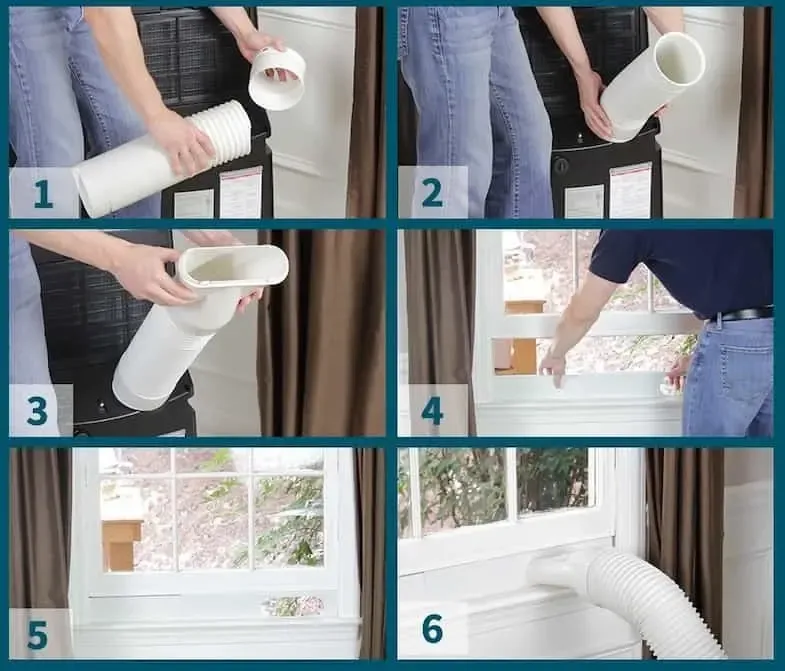
Most portable air conditioners vent through a window. The units come with a window kit that fits most standard windows. This method is effective and easy to install, making it a popular choice for many users. If a window isn’t available, a sliding door can be an alternative. You can use a similar venting kit to fit sliding doors. This setup might require a bit of creativity, but it can work just as well. Some units allow for wall or ceiling venting. This method might seem daunting, but it can be a viable solution in spaces without windows. It may require professional installation to ensure airtight sealing, but it offers a permanent and tidy solution. Have you ever considered venting through a dryer vent? It might sound unconventional, but it’s possible with some adjustments. Just ensure the vent size matches and it’s not blocked to avoid any mishaps. Venting is a critical step in using a portable air conditioner. By understanding its purpose and the various methods, you can ensure your unit works efficiently and keeps your space as cool as you need it to be.Consequences Of No Venting
Portable air conditioners offer flexibility and convenience. But, they need proper venting. Without venting, several issues may arise. These problems can affect performance and energy consumption. Let’s explore the consequences of no venting.
Inefficient Cooling
A portable air conditioner without venting cools inefficiently. It recirculates warm air back into the room. This makes it hard to maintain a desired temperature. The unit works harder but cools less effectively. Rooms remain warmer than expected. Users may feel dissatisfied with the performance.
Increased Energy Usage
Units without venting consume more energy. They work harder to achieve cooling. This leads to increased electricity bills. Energy efficiency decreases significantly. Venting ensures proper heat expulsion. Without it, the system struggles. This results in higher operational costs.
Venting Alternatives
Portable air conditioners require venting to expel hot air outside. Without venting, they can’t cool effectively. Options include window kits, sliding doors, or drop ceilings for easy installation.
When it comes to portable air conditioners, venting is often seen as a necessity. But did you know there are alternatives? If you’re in a situation where traditional venting isn’t feasible, you might want to explore other options. Venting alternatives offer flexibility and can often be more convenient. Let’s dive into some practical solutions that can keep your space cool without the need for a window vent.Ventless Cooling Solutions
Ventless cooling solutions are gaining popularity. These systems use water or ice to cool the air without the need for an exhaust hose. Evaporative coolers are a common example. They add moisture to the air and work best in dry climates. Have you considered a fan and ice combo? It’s a simple DIY solution where you place a bowl of ice in front of a fan. This cools the air quickly and works in a pinch during heatwaves. Dehumidifiers are another option. While they don’t directly cool the air, they remove moisture, making your space feel cooler and more comfortable.Considerations For Alternative Methods
Before choosing an alternative, think about your climate. Evaporative coolers work great in dry areas but are less effective in humid environments. Consider the size of the space you need to cool. Small rooms can benefit from simple solutions like fans and ice, while larger areas might require more powerful methods. Think about energy consumption. Some ventless solutions can be more energy-efficient than traditional portable AC units. But, balance is key. You want effectiveness without skyrocketing your utility bills. Have you ever tried a ventless solution? It might surprise you how effective these alternatives can be. What matters most is finding a method that suits your needs and keeps your environment comfortable.Installation Tips
Installing a portable air conditioner can feel like a daunting task, but it doesn’t have to be. With the right tips, you can ensure your unit works efficiently without unnecessary hassle. Venting is crucial to prevent overheating and maintain optimal performance. Let’s dive into some practical installation tips that will make your life easier.
Proper Vent Placement
The vent placement is key for your portable air conditioner to work effectively. Choose a window or sliding door that is close to the unit. This minimizes the length of the vent hose, which helps in better airflow.
Position the vent hose straight, avoiding bends and twists. This reduces the risk of blockage and ensures efficient air movement. Consider using a window adapter kit to secure the vent tightly.
Think about the room’s layout. If you have pets or children, make sure the vent hose is out of reach. This prevents accidental damage and ensures safety for everyone at home.
Maintenance Guidelines
Regular maintenance is crucial for your portable air conditioner’s longevity. Start by cleaning the air filter every two weeks. This ensures clean air circulation and improves efficiency.
Check the vent hose for dust and debris. A clogged hose can hinder performance and increase energy consumption. Wipe it down with a damp cloth periodically.
Are you noticing any unusual noises? This could be a sign of wear and tear. Inspect the unit for loose parts and tighten them as necessary. A little attention now can save you from major repairs later.
Have you ever wondered why some units last longer than others? It’s often due to proper installation and regular upkeep. By following these tips, you’re not just installing an appliance; you’re investing in comfort and efficiency.

Faqs On Portable Ac Venting
Portable air conditioners are popular for their convenience and efficiency. But venting questions often arise among users. Understanding venting is crucial for optimal performance. Here, we address common queries about venting portable AC units. Plus, we offer troubleshooting tips to help resolve common issues.
Common Venting Queries
Why do portable AC units need venting? Venting removes hot air from your space. Without venting, the unit cannot cool effectively. Can I vent through a door instead of a window? Yes, doors can work. Use a door venting kit for best results. What about venting through a wall? It’s possible, but requires more installation effort. Ensure the vent hole is sealed properly to prevent leaks.
Troubleshooting Tips
Is your AC not cooling properly? Check the vent hose for kinks. A kinked hose can restrict airflow. Ensure the vent hose is the right length. Too long or too short affects performance. Is there warm air coming back in? Inspect the window seal. It should be tight to prevent leaks. Consider using weather stripping for a better seal.
Does the unit shut off unexpectedly? Overheating might be the issue. Make sure vents are not blocked. Clear any obstructions for proper airflow. If problems persist, consult the user manual. It might offer more specific solutions.
Frequently Asked Questions
Why Do Portable Acs Need Venting?
Portable air conditioners need venting to expel hot air. Without venting, the unit can’t cool effectively. Venting directs heat outside, ensuring efficient cooling inside. It’s crucial for maintaining the desired temperature and preventing overheating of the unit. Always follow the manufacturer’s instructions for proper venting.
Can I Use A Portable Ac Without Venting?
Using a portable AC without venting is ineffective. Venting is necessary to remove hot air. Without it, the cooling capacity is compromised, and the unit may overheat. Proper venting ensures efficient operation and maintains your room’s temperature. Always vent your portable AC for optimal performance.
Where Should I Vent My Portable Ac?
Venting a portable AC is best done through windows. Most units come with a window kit for easy installation. Ensure the vent is tightly sealed to prevent air leaks. Venting through a sliding door or drop ceiling is also possible.
Always choose the most suitable location for efficient venting.
How Does Venting Affect Ac Efficiency?
Venting directly impacts a portable AC’s efficiency. Proper venting expels hot air, allowing the unit to cool effectively. Without venting, the AC struggles to maintain the desired temperature. This can lead to increased energy consumption and reduced cooling performance. Always ensure correct venting for optimal efficiency.
Conclusion
Venting is crucial for portable air conditioners. It helps remove hot air. Without venting, cooling efficiency drops. Proper venting ensures better performance. Check your unit’s manual for venting instructions. Most units use a window vent kit. Some units allow wall vents.
Always follow the manufacturer’s guidelines. Proper installation avoids overheating. Improper venting risks reduced cooling. Safety is key. Keep vent hoses straight. Avoid bends or twists. Regularly clean vent hoses. This prevents blockages. A well-vented unit cools effectively. Enjoy cool air during hot days.
Stay comfortable and relaxed. Reliable cooling depends on proper venting.