

Have you ever wondered if your portable air conditioner needs to be drained? You’re not alone.
Many people have this question, especially during those sweltering summer months. Imagine this: it’s a hot day, and you’re relying on your trusty portable air conditioner to keep you cool and comfortable. But suddenly, you notice it’s not working as efficiently as before.
Could it be that pesky water buildup? Understanding whether your portable air conditioner needs draining is crucial for its performance and longevity. This small step can make a big difference in how well your unit works. Not only does it affect your comfort, but it can also impact your energy bills and the air quality in your home. By the end of this article, you’ll have all the information you need to ensure your air conditioner runs smoothly. You’ll learn the signs that indicate it’s time to drain, how to do it safely, and why it’s essential for your unit’s efficiency. So, let’s dive in and make sure you get the most out of your portable air conditioner!
How Portable Air Conditioners Work
Understanding how portable air conditioners function is crucial. These devices offer cooling solutions without permanent installation. They’re perfect for small spaces or temporary needs.
Portable air conditioners use refrigeration cycles. They cool warm air and expel heat through a hose. This cycle makes them efficient in controlling indoor temperature.
Components Of Portable Air Conditioners
These air conditioners include a compressor, condenser, and evaporator. The compressor compresses refrigerant gas, turning it into a liquid. The condenser helps remove heat from this liquid. The evaporator absorbs heat from the room, cooling the air.
Ventilation System
Portable air conditioners need proper ventilation. They use an exhaust hose to expel hot air outside. This hose connects to a window or vent. Proper ventilation ensures effective cooling and prevents overheating.
Moisture Management
These units remove moisture from the air. This moisture collects in a tank or tray. Some models automatically evaporate this moisture. Others require manual draining.
Energy Efficiency
Portable air conditioners can be energy-efficient. They cool specific areas rather than entire homes. This targeted cooling reduces energy consumption. Choose models with high energy ratings for better efficiency.

Condensation In Air Conditioners
Condensation plays a crucial role in how portable air conditioners function. As these devices cool the air, they naturally draw out moisture. This moisture transforms into water droplets, forming condensation. Understanding this process helps in maintaining your portable air conditioner efficiently.
What Causes Condensation?
Air conditioners pull warm air from the room. The machine then cools this air. During cooling, moisture in the air condenses. This creates water droplets. The water collects in a pan or is expelled through a hose.
How Much Water Does An Air Conditioner Produce?
The amount of water depends on humidity levels. High humidity results in more water. Low humidity means less water. Different models handle water differently. Some store it, while others expel it continuously.
Why Drain Your Portable Air Conditioner?
Draining prevents mold and bacteria growth. It ensures the unit runs smoothly. Clogged drainage can hinder performance. Regular maintenance extends the life of your air conditioner.
Methods Of Draining Water
Many units have a built-in hose for drainage. Some require manual emptying of a collection pan. Others use evaporation technology. This method disperses water back into the air.
Signs Your Air Conditioner Needs Draining
Pooling water around the unit is a major sign. Reduced cooling efficiency can also indicate a need for draining. An overflowing collection pan is another red flag. Regular checks help catch these issues early.
Draining Requirements Explained
Portable air conditioners offer great flexibility for home cooling. But, they need proper maintenance. One key aspect is drainage. Understanding drainage helps in optimal performance. Not all units share the same requirements. Some need manual emptying. Others use advanced technology to evaporate water. Knowing the difference is crucial for easy operation.
Self-evaporating Units
Self-evaporating units require minimal maintenance. These units evaporate collected moisture. They release it through the exhaust hose. This reduces the need for manual drainage. Ideal for convenience and ease of use. Most self-evaporating models suit dry climates best. They work efficiently without frequent intervention. Check the manufacturer’s instructions for specific guidance.
Manual Drainage Systems
Some portable air conditioners need manual drainage. These units collect water in an internal bucket. Users must empty the bucket regularly. This helps maintain performance and prevents overflow. Manual systems are common in humid regions. They handle more moisture from the air. Ensure you follow the manual for proper maintenance. Regularly check and empty the water tank. This avoids potential leaks or damage.
Signs Your Unit Needs Draining
Portable air conditioners are great for cooling small spaces. Sometimes, they need maintenance, like draining excess water. Knowing the signs can keep your unit running smoothly. Here are two key indicators that your air conditioner might need draining.
Water Tank Full Indicator
Many portable air conditioners have a water tank full light. This indicator lets you know when the tank needs emptying. If you see this light, it’s time to drain the unit. Ignoring the light could lead to leaks. Leaks can damage your floor or carpet. Regularly check this indicator to avoid problems.
Decreased Cooling Efficiency
Is your room not as cool as usual? A full tank can affect cooling efficiency. The unit struggles to cool when excess water builds up. You might notice the air is warmer or the unit runs longer. Draining the tank can restore its cooling power. Keep an eye on performance changes. This can help prevent bigger issues.
Steps To Properly Drain Your Ac
Portable air conditioners often require periodic draining to ensure efficient performance. To properly drain, locate the drain plug, place a pan or bucket underneath, and remove the plug to let water flow out. Regular maintenance prevents leaks and prolongs the unit’s life.
Draining your portable air conditioner can seem like a daunting task, but with the right steps, it can be a breeze. Regular maintenance not only ensures your unit runs efficiently but also prevents any unwanted water damage. Let’s dive into how you can properly drain your portable AC, ensuring it continues to keep your space cool and comfortable.Tools Needed For Draining
Before you begin, gather the necessary tools to make the process smooth and hassle-free. You’ll need a bucket or a pan to catch the water, a towel to wipe up any spills, and a screwdriver if your model requires you to open a panel. Make sure the bucket is large enough to hold the water your AC might expel; otherwise, you’ll be making multiple trips. A towel is essential to prevent any water from seeping into your floor, especially if you have wooden flooring. Have you ever found yourself scrambling for tools mid-task? Being prepared saves time and stress.Safe Water Disposal
Once you’ve drained the water, it’s crucial to dispose of it responsibly. You can pour the water down a sink or drain, but avoid dumping it on plants or grass as it might contain residues that aren’t plant-friendly. Consider using the water for cleaning tasks like mopping floors, if it’s clean enough. This way, you’re not only managing your AC but also practicing eco-friendly habits. Reflect on this: how can you turn maintenance tasks into opportunities for sustainability?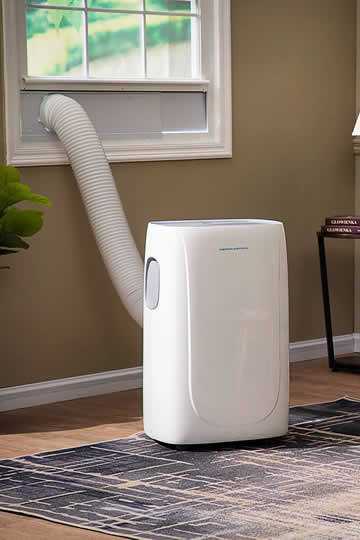
Preventing Excess Moisture Buildup
Portable air conditioners are convenient for cooling spaces. Yet, they can cause moisture buildup. Excess moisture can lead to problems like mold and mildew. Draining your unit prevents these issues. Understanding how to manage moisture is crucial. It keeps your air conditioner efficient and your home comfortable.
Regular Maintenance Tips
Check the water tank often. Empty it before it overflows. Clean the filters monthly. This helps with airflow and reduces humidity. Inspect the hose connections. Ensure they are tight and secure. Loose hoses can leak water. Check for any signs of wear or damage.
Optimal Placement For Airflow
Place the unit near a window. This helps with venting warm air. Avoid placing it in corners. Corners can restrict airflow and increase moisture. Keep the unit away from curtains or furniture. These can block the air and trap moisture. Ensure the air conditioner is on a flat surface. This prevents water from pooling unevenly.
Choosing The Right Ac For Your Needs
Portable air conditioners often require draining to remove excess moisture. Water collects during the cooling process. Some models have self-evaporative features, reducing the need for manual draining.
Choosing the right portable air conditioner (AC) for your needs can be a game-changer, especially when dealing with the sweltering heat of summer. It’s not just about cooling your space; it’s about finding a unit that fits seamlessly into your lifestyle. From efficiency to managing humidity, the right AC can make a world of difference in your comfort.Considerations For Humid Climates
If you live in a humid area, you might wonder if a portable AC unit will need to be drained. The answer is often yes, but the frequency can vary. Some units come with auto-evaporation systems that reduce the need for manual draining. Consider your local climate. If high humidity is a constant companion, look for an AC unit with a built-in dehumidifier. This feature can save you time and effort by minimizing the need to empty water tanks frequently.Energy Efficiency Options
Energy efficiency is crucial when choosing a portable AC. Not only does it impact your electricity bill, but it also affects the environment. Look for units with an Energy Star rating to ensure you’re making a smart choice. You might be tempted by a cheaper model, but think long-term. An energy-efficient unit may cost more upfront, but it can save you significantly on monthly bills. Plus, it’s a step towards a greener lifestyle. Choosing the right portable air conditioner means considering your specific needs. What matters most to you—ease of use, energy savings, or handling humidity? Reflect on your priorities and make a choice that will keep you cool and content all summer long.
Frequently Asked Questions
Do Portable Air Conditioners Need Regular Draining?
Yes, portable air conditioners often need regular draining to function efficiently. They extract moisture from the air, which collects in a tank. Depending on the model and humidity levels, this tank may fill up quickly. Regularly draining the unit prevents overflow and ensures optimal cooling performance.
How Often Should You Drain A Portable Ac?
The frequency of draining depends on humidity levels and usage. In humid environments, you might need to drain daily. Some models have continuous drainage options or auto-evaporation technology, reducing the need for manual draining. Always check the manufacturer’s guidelines for specific recommendations for your portable air conditioner.
What Happens If You Don’t Drain It?
Not draining your portable air conditioner can lead to water overflow. This may cause water damage to your floors or carpets. It can also hinder the unit’s efficiency and cooling performance. In severe cases, it might damage the air conditioner.
Regular maintenance ensures optimal functionality and longevity.
Can You Use A Hose For Continuous Drainage?
Yes, many portable air conditioners support continuous drainage using a hose. This method is convenient and reduces manual draining frequency. Connect the hose to the drainage outlet and direct it to a suitable location. Ensure the hose is positioned correctly to avoid kinks or leaks.
Conclusion
Draining portable air conditioners is crucial. It prevents water buildup and mold. Regular maintenance ensures efficient cooling. Check the manual for specific instructions. Some units self-evaporate, reducing drain frequency. Others need frequent draining. Always monitor your unit’s water collection. Proper care extends lifespan and maintains performance.
Don’t let water issues ruin your comfort. Understanding your unit’s needs is key. Keep your space cool and healthy. Enjoy an efficient cooling experience. Portable air conditioners can offer relief. Just ensure proper drainage. Stay cool, stay comfortable. Simple steps make a big difference.