
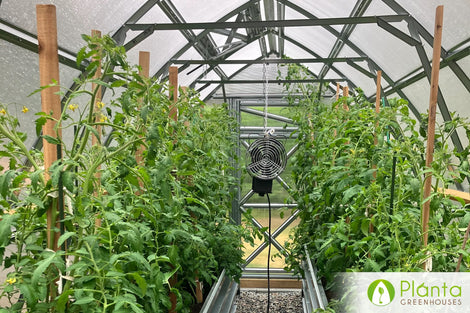
Are you wondering if your green house really needs heating? It’s a question many gardeners and plant lovers ask as the seasons change.
Heating can feel like an extra cost or effort, but it might be the key to keeping your plants healthy and thriving. You’ll discover when heating is necessary, how it affects your plants, and simple ways to keep your green house cozy without breaking the bank.
Keep reading to find out what’s best for your green house and your garden’s success.
Why Heating Matters In Greenhouses
Heating in greenhouses is not just a luxury; it’s often a necessity to create the right environment for your plants. Without proper temperature control, your plants might struggle to grow or even survive. Understanding why heating matters can help you make better decisions for your greenhouse setup and get the most out of your gardening efforts.
Impact Of Temperature On Plant Growth
Temperature directly affects how plants grow and develop. Each plant has a preferred temperature range for optimal photosynthesis, nutrient uptake, and flowering.
If it’s too cold, growth slows down, and some plants may become dormant. Too hot, and plants can become stressed, leading to wilting or even death. Maintaining the right warmth ensures your plants stay healthy and productive.
Seasonal Temperature Variations
Seasonal changes bring fluctuations that can challenge your greenhouse environment. During winter, outdoor temperatures often drop below what your plants can tolerate.
Heating helps maintain a stable climate inside, protecting your plants from frost and cold snaps. Even in spring or fall, unexpected cold spells can happen, so having a heating system gives you control over these unpredictable changes.
Risks Of Overheating And Underheating
Heating isn’t about making your greenhouse as warm as possible; it’s about balance. Overheating can dry out your plants and soil, causing stress and increased water needs.
On the flip side, underheating can stunt growth or kill sensitive species. Monitoring your greenhouse temperature and adjusting heating accordingly helps avoid these risks and keeps your plants thriving year-round.

Credit: therockies.life
Types Of Greenhouse Heating Systems
Choosing the right heating system for your greenhouse can make a big difference in plant growth and energy costs. Different types of heating systems offer various advantages depending on your setup, budget, and climate. Understanding these options helps you decide what fits your needs best.
Electric Heaters
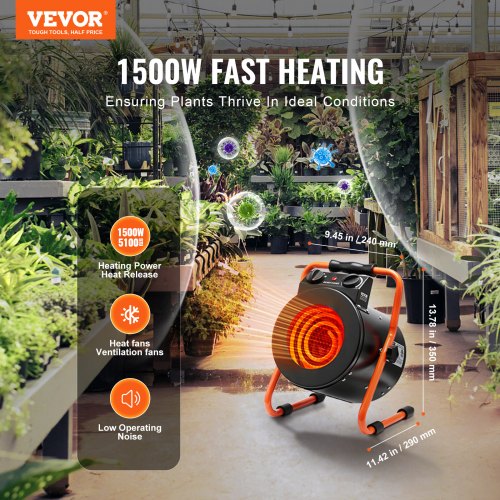
Electric heaters are easy to install and operate. They provide consistent heat and can be controlled with thermostats for precise temperature management. If you have a small to medium greenhouse, electric heaters offer a clean and efficient solution without the need for fuel storage.
Keep in mind, electric heaters may increase your electricity bill. However, their safety and low maintenance often outweigh the cost. Have you considered how much power your greenhouse can handle before choosing this option?
Gas And Propane Heaters
Gas and propane heaters deliver strong heat and are excellent for larger greenhouses. They heat up quickly and work well in very cold climates where electric heaters might struggle. These heaters usually require proper ventilation to avoid harmful fumes.
If you have access to natural gas, it might be more cost-effective than propane. But remember, safety measures like carbon monoxide detectors are essential when using gas-based heating. Are you prepared to manage fuel storage and ventilation needs?
Solar Heating Options
Solar heating uses the sun’s energy to warm your greenhouse, cutting down on fuel or electricity costs. Solar panels or solar air heaters can store heat during the day and release it when temperatures drop. This eco-friendly choice can reduce your carbon footprint significantly.
While solar options may have higher upfront costs, they often pay off over time. Think about your local sunlight availability—do you get enough sun to make solar heating viable?
Passive Heating Techniques
Passive heating relies on natural methods to keep your greenhouse warm, such as using thermal mass materials like water barrels or stone walls that absorb and release heat. Insulating your greenhouse and orienting it to maximize sunlight also help maintain warmth without extra energy use.
These techniques require more planning but can save money long-term. Have you explored ways to optimize your greenhouse’s design before adding mechanical heating systems?
Energy-efficient Heating Strategies
Heating a greenhouse efficiently can make a huge difference in energy bills and plant health. You want to keep the warmth inside without wasting energy. Using smart heating strategies lets you maintain a steady temperature while reducing costs and environmental impact.
Insulation Materials And Techniques
Good insulation traps heat and keeps cold air out. Materials like bubble wrap, thermal screens, or double glazing can add layers that hold warmth better than single-pane glass. You might try adding weather stripping around doors and vents to stop drafts.
Think about insulating the base of your greenhouse, too—cold ground can suck heat away quickly. Using thick, insulating mats or foam boards can help maintain soil warmth. What simple insulation hacks could you try today to reduce heat loss?
Thermal Mass Utilization
Thermal mass stores heat during the day and releases it at night. Concrete, bricks, or water barrels painted dark can absorb sunlight and keep your greenhouse cozy after sunset. This natural heat release reduces the need for constant heating.
Have you noticed how a sunny rock feels warm even after the sun sets? That’s thermal mass in action. Adding these materials in your greenhouse creates a more stable temperature for your plants, cutting down on energy use.
Automated Climate Control Systems
Technology can help you heat your greenhouse smartly and only when needed. Automated systems monitor temperature and humidity, turning heaters on or off to maintain ideal conditions. This avoids overheating and saves energy by preventing waste.
Some setups even connect to your smartphone, letting you adjust settings remotely. If you want to avoid constant manual checks, these controls offer convenience and precision. How much energy could you save by using automation instead of guesswork?

Credit: www.reddit.com
Alternative Methods To Reduce Heating Needs
Reducing heating needs in greenhouses can save energy and cut costs, but it also benefits your plants by creating a more stable environment. Instead of relying solely on heaters, you can use smart strategies that work with nature. These alternatives focus on keeping warmth inside and managing airflow effectively, so your greenhouse stays cozy without extra energy bills.
Heat Retention Through Design
Good design is your first defense against heat loss. Thick, insulated walls and double-glazed windows trap warmth, much like a thermos bottle keeps your drink hot. Position your greenhouse to catch the most sunlight during the day, usually facing south if you’re in the northern hemisphere.
Adding thermal mass, like water barrels or stone floors, stores heat during the day and releases it at night. I once added water containers to my greenhouse, and the temperature stayed stable even during chilly nights. Could your greenhouse benefit from storing heat this way?
Using Plant Coverings And Mulches
Plants themselves can help keep the cold out. Covering sensitive plants with frost blankets or row covers creates a mini microclimate that holds warmth close to the soil. Mulches like straw or shredded leaves act as insulation, preventing heat from escaping through the ground.
This simple trick worked wonders for my late-season tomatoes, allowing me to extend the growing period by weeks. What kind of mulch do you have easy access to that could boost your greenhouse’s warmth?
Ventilation Management
It might seem odd, but managing ventilation carefully can actually reduce heat loss. Opening vents too often lets warm air escape quickly. Instead, open them only during the warmest parts of the day or when humidity needs control.
Using automatic vent openers that respond to temperature changes helps maintain a balance without your constant attention. Have you noticed how stale air or high humidity can harm your plants? Proper ventilation keeps the air fresh and prevents mold while conserving heat.
Cost-benefit Analysis Of Heating Greenhouses
Heating a greenhouse adds comfort for plants and extends growing seasons. Yet, it requires an upfront cost and ongoing expenses. Deciding if heating makes financial sense needs a clear cost-benefit analysis. This helps weigh the expenses against the gains over time.
Initial Investment Vs. Long-term Savings
Setting up heating systems means spending money on equipment and installation. Costs vary by system type—electric, gas, or solar heaters. These costs seem high at first.
Long-term savings appear in better plant growth and more harvests. Warm greenhouses reduce crop loss in cold months. They also improve plant quality, which can boost sales or personal yield.
Simple steps can lower heating costs. Insulating the greenhouse keeps heat inside. Using energy-efficient heaters saves fuel or electricity. These reduce bills over time.
Environmental Impact Considerations
Heating uses energy, which might come from fossil fuels. This creates greenhouse gases that harm the environment. Choosing renewable energy sources cuts this impact.
Energy-efficient designs also reduce emissions. Passive solar heating uses sunlight to warm the space naturally. Ventilation controls help maintain stable temperatures without wasting energy.
Thinking about environmental effects guides better heating choices. It supports sustainable gardening practices and lowers carbon footprint.
Government Incentives And Rebates
Many governments offer financial help for energy-efficient heating systems. These incentives can reduce the initial investment cost. Rebates and tax credits make heating more affordable.
Programs often support renewable energy installations, like solar heaters. This encourages eco-friendly upgrades in greenhouses.
Checking local incentives before buying saves money. It makes heating a more attractive option for greenhouse owners.
Practical Tips For Maintaining Energy Efficiency
Keeping your greenhouse energy-efficient can save you money and help your plants thrive. Small changes in how you manage heating can make a big difference. Let’s look at some practical ways to keep your greenhouse warm without wasting energy.
Regular Maintenance Of Heating Systems
Heating systems need care to work well. Check them often for leaks, dust, or broken parts. A clean and well-tuned heater uses less energy and lasts longer.
Have you ever noticed your heating bills spike unexpectedly? It might be time to service your system. Even simple tasks like cleaning filters or checking fuel lines can improve efficiency.
Monitoring And Adjusting Temperature Settings
Setting the right temperature is key. Too high wastes energy, too low can harm plants. Use a reliable thermometer and adjust settings based on weather and plant needs.
Try lowering the temperature slightly at night or on sunny days. You might be surprised how much energy you save without stressing your plants.
Combining Heating With Supplemental Lighting
Plants often need light as much as warmth. Adding energy-efficient grow lights can boost growth during cold, dark months. Use LED lights to keep electricity use low.
Think about timing your lights to complement heating cycles. This balance can reduce overall energy use while keeping plants happy and healthy.
Credit: www.vevor.ca
Frequently Asked Questions
Do Greenhouses Require Additional Heating In Winter?
Greenhouses often need extra heating during cold months. Heating protects plants from frost and maintains growth. Some plants thrive only with consistent warmth. Using heaters or thermal mass can keep temperatures stable and prevent damage.
How Does Heating Benefit Plant Growth In Greenhouses?
Heating ensures optimal temperature for photosynthesis and nutrient absorption. Warm environments speed up germination and flowering. Controlled heat reduces plant stress and pest issues. Consistent warmth promotes healthier and faster-growing plants.
Can Passive Solar Design Reduce Greenhouse Heating Needs?
Yes, passive solar design captures sunlight to warm the greenhouse naturally. Proper insulation and thermal mass store heat efficiently. This method lowers energy costs and reduces reliance on artificial heating systems. It’s eco-friendly and cost-effective.
What Is The Ideal Temperature Range For Greenhouse Heating?
Most plants grow best between 65°F to 75°F (18°C to 24°C). Temperatures below 50°F (10°C) can slow growth and damage some species. Heating should maintain steady warmth without overheating. Adjust depending on plant type and growth stage.
Conclusion
Heating greenhouses can benefit plant growth. Cold climates often require it. Heating provides a stable environment. Plants thrive with consistent temperatures. Some greenhouses use solar energy. Others rely on traditional systems. Choosing the right method matters. Costs and resources should be considered.
Heating needs vary by location. Efficient systems save money long-term. Understanding your greenhouse’s needs is crucial. Proper heating boosts plant yield. Happy plants mean successful gardening. In the end, a warm greenhouse equals healthy plants.