

Have you ever wondered if you can galvanize steel right at home? Protecting your steel from rust and corrosion is important, especially if you want your projects to last longer.
But the question is—can you do this yourself without expensive equipment or special skills? If you’re curious about how to keep your steel strong and shiny, this article will guide you step-by-step through the process. By the end, you’ll know exactly what it takes to galvanize steel at home safely and effectively.
Keep reading to discover the secrets that could save you time and money on your next project.
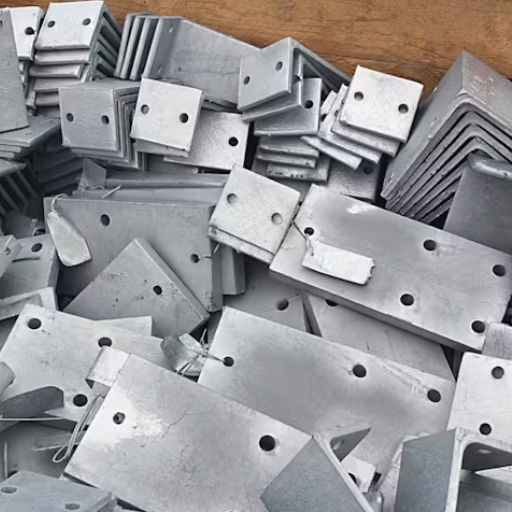
Credit: baling-steel.com
Basics Of Galvanizing
Understanding the basics of galvanizing helps you know why it matters for steel protection. It involves coating steel with a layer of zinc to stop rust. This simple process extends the steel’s life and keeps it strong.
What Is Galvanizing
Galvanizing is a metal coating process. Steel gets dipped into molten zinc. The zinc layer bonds tightly with the steel surface. This layer acts as a shield against moisture and air. It prevents the steel from rusting and corroding. The most common method is hot-dip galvanizing. It creates a thick and durable coating on steel parts.
Benefits Of Galvanized Steel
- Long-lasting protection from rust and corrosion
- Low maintenance and repair needs
- Cost-effective over the steel’s lifetime
- Strong barrier against harsh weather conditions
- Improves steel’s durability and safety
Galvanized steel works well in many settings. It suits outdoor projects, construction, and home repairs. The zinc coating keeps steel looking good longer. It also reduces the chance of damage and failure.
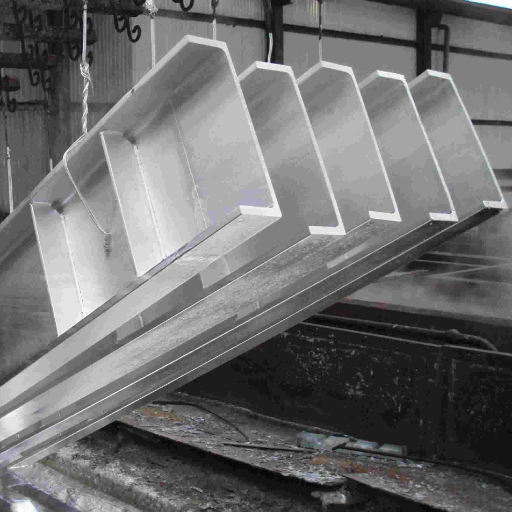
Credit: baling-steel.com
Materials Needed For Diy Galvanizing
To galvanize steel at home, gathering the right materials is essential. Each item plays a key role in the process. Proper preparation, zinc source, and safety gear ensure good results and personal protection. Below is a list of materials needed for DIY galvanizing.
Steel Preparation Tools
- Wire brush or steel wool to clean the steel surface
- Sandpaper for smoothing rough areas
- Degreaser or acetone to remove oils and dirt
- Heat source like a propane torch for drying
- Protective gloves to handle sharp steel edges
Zinc Sources
- Zinc ingots or zinc sheets designed for galvanizing
- Zinc powder for cold galvanizing sprays
- Zinc-rich paint or cold galvanizing compound as an alternative
- Small container or pot to melt zinc safely
Safety Equipment
- Heat-resistant gloves to protect against burns
- Safety goggles to shield eyes from splashes
- Respirator mask to avoid inhaling fumes
- Long-sleeve clothing to guard skin
- Well-ventilated workspace or outdoor area
Step-by-step Galvanizing Process
Galvanizing steel at home might seem like a daunting task, but breaking it down into clear steps makes it manageable. The key is understanding each phase and handling materials safely. Let’s walk through the galvanizing process so you know exactly what to expect and how to prepare.
Cleaning The Steel Surface
Your steel must be spotless before any zinc coating can stick properly. Dirt, grease, and rust can ruin the galvanizing finish, so use a wire brush or sandpaper to remove any debris. After scrubbing, rinse the steel with water and let it dry completely.
Have you checked for hidden rust spots? These often get missed but can cause peeling later. Taking your time here saves headaches down the line.
Melting Zinc At Home
Melting zinc safely requires the right equipment and precautions. Use a dedicated metal melting pot or a heavy-duty container that can withstand temperatures above 787°F (419°C), zinc’s melting point.
Work in a well-ventilated area and wear heat-resistant gloves and eye protection. Never melt zinc near flammable materials—safety is critical. Watching the zinc turn from solid to liquid is oddly satisfying and signals you’re ready for the next step.
Dipping Steel Into Molten Zinc
With protective gear on, slowly dip your cleaned steel into the molten zinc. Submerge it fully to ensure an even coat. Hold the steel in the zinc for a few seconds; this allows the metal to bond properly.
Have you noticed how the zinc clings to the surface, filling tiny pits and imperfections? This creates a durable, corrosion-resistant layer that protects your steel for years.
Cooling And Inspection
After dipping, carefully remove the steel and let it cool naturally in a safe spot. Avoid rapid cooling methods like water quenching, which can cause cracks in the coating.
Once cooled, inspect the steel closely. Look for uniform coverage without bare spots or drips. If you find any, a second dip may be necessary. This inspection step ensures your galvanized steel will stand up to the elements.
Safety Tips For Home Galvanizing
Galvanizing steel at home can be rewarding but involves handling dangerous materials like molten zinc. Safety is not just important; it’s critical to avoid serious injuries or health issues. Before you start, understanding key safety measures will help you protect yourself and your workspace effectively.
Handling Molten Zinc
Molten zinc reaches temperatures above 780°F (420°C), which can cause severe burns instantly. Always use thick, heat-resistant gloves and long sleeves to shield your skin from splashes.
Never pour water on molten zinc—this causes violent steam explosions. Instead, work slowly and steadily to minimize splattering. Keep a metal container nearby for safe pouring and cooling.
Ventilation And Protective Gear
Zinc fumes released during galvanizing are harmful if inhaled. Ensure your workspace has strong ventilation, like an exhaust fan or open windows.
Wear a respirator mask rated for metal fumes. Safety goggles and a face shield are essential to protect your eyes from flying particles and fumes.
Disposal Of Waste Materials
Waste zinc and contaminated rags can pose environmental hazards. Never throw them in regular trash or pour leftover zinc down the drain.
Collect all waste in a sealed metal container. Check local regulations for hazardous waste disposal and take your materials to an approved facility.
Common Challenges And Solutions
Galvanizing steel at home can feel rewarding, but it comes with its own set of challenges. Understanding common issues lets you tackle them head-on and get a lasting, protective finish. Let’s look at some hurdles you might face and how to fix them effectively.
Avoiding Poor Coating
Poor coating often happens when the steel surface isn’t clean enough before dipping it in zinc. Dirt, oil, or rust can block the zinc from bonding properly, leaving spots vulnerable to corrosion.
Make sure to thoroughly clean and degrease your steel. Using a wire brush or sandpaper can help remove rust and old paint. Rinsing with water and drying completely before galvanizing also improves the coating’s grip.
Preventing Zinc Oxidation
After galvanizing, zinc can start to oxidize if exposed to moisture and air, leading to a dull, white powdery layer. This doesn’t always harm the steel but can make your project look unfinished.
To prevent this, store your galvanized items in a dry place. Applying a clear sealant or wax can add an extra barrier against oxidation and keep the zinc shiny longer.
Dealing With Uneven Coverage
Uneven coating happens when the zinc doesn’t reach every part of the steel evenly. This can leave thin spots or bare metal exposed, which defeats the purpose of galvanizing.
- Use a dipping tank large enough for your steel piece to be fully submerged.
- Move the steel slowly and steadily in the zinc to avoid air bubbles or splashes.
- Check edges and corners carefully since they often need extra attention to get covered well.
Have you noticed certain areas on your steel projects that always seem to miss coating? Adjusting your technique with these tips can save you from corrosion headaches later.
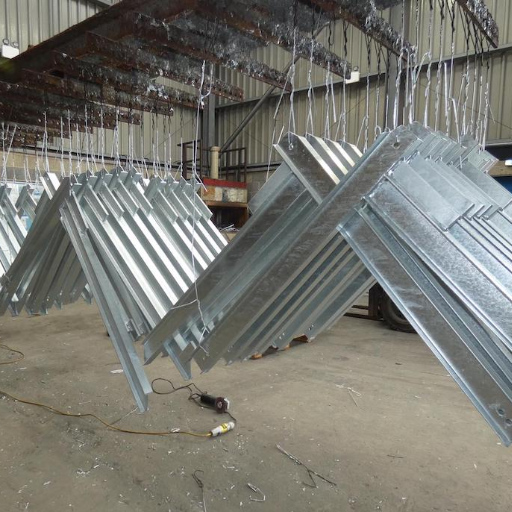
Credit: baling-steel.com
Alternative Galvanizing Methods
Alternative galvanizing methods offer simpler ways to protect steel at home. These options do not require heavy equipment or high temperatures. They provide a practical solution for small projects and repairs. Exploring these methods helps maintain steel’s durability and resistance to rust.
Cold Galvanizing Paint
Cold galvanizing paint contains zinc particles to protect steel surfaces. It applies easily with a brush or spray can. The zinc in the paint acts as a barrier against moisture and rust. This method works well for small areas or touch-ups. It dries quickly and creates a protective layer.
Cold galvanizing paint is affordable and widely available. It requires no special tools or safety gear. The coating can be reapplied as needed to maintain protection. Ideal for outdoor furniture, fences, or metal parts exposed to weather.
Electro-galvanizing At Home
Electro-galvanizing uses electric current to deposit zinc onto steel. This process can be done on a small scale with simple equipment. It involves a zinc anode, a steel cathode, and an electrolyte solution. The zinc coats the steel evenly, offering good corrosion resistance.
Home setups require caution and proper handling of chemicals. The process allows control over coating thickness. It suits hobbyists who want a more durable finish than paint alone. Electro-galvanizing improves the steel’s lifespan and maintains its strength.
When To Choose Professional Galvanizing
Deciding whether to galvanize steel at home or seek professional help depends on the scope and demands of your project. Some situations require expertise and equipment beyond what a typical DIY setup can offer. Knowing when to choose professional galvanizing can save you time, money, and frustration.
Complex Projects
If your project involves intricate shapes, tight corners, or detailed components, professional galvanizing is usually the safer choice. DIY methods often struggle to coat every surface evenly, leading to weak spots that rust quickly.
Professionals have the right tools and experience to ensure thorough coverage. Have you ever tried to coat a steel piece with many angles only to find some areas missed? That’s a common issue that professionals can avoid for you.
Large Scale Needs
When working with large volumes of steel or very big pieces, galvanizing at home becomes impractical. The size of tanks, heating elements, and safety gear required often exceeds what’s feasible for a home workshop.
Professional galvanizing plants can handle bulk jobs efficiently and often offer faster turnaround times. If you’re managing a commercial project or multiple parts, outsourcing galvanizing can keep your schedule on track.
Quality And Durability Concerns
Are you aiming for a long-lasting, high-quality finish that stands up to harsh environments? Professionals use controlled processes to apply zinc coatings that meet industry standards for thickness and adhesion.
DIY galvanizing may look good initially but often lacks the durability needed for heavy wear or outdoor exposure. If your project demands a finish that lasts years without flaking or rusting, professional galvanizing is worth the investment.
Frequently Asked Questions
How Do You Galvanize Steel At Home?
Galvanizing steel at home involves cleaning, fluxing, and dipping in molten zinc. This process requires safety gear and controlled temperatures. It’s challenging without specialized equipment. DIY kits are available, but they may not provide industrial-grade results. Ensure proper ventilation and follow safety guidelines.
Is It Safe To Galvanize Steel Yourself?
Galvanizing steel at home can be hazardous. The process involves high temperatures and toxic fumes. Proper safety equipment, like gloves and masks, is essential. Ensure good ventilation to minimize risks. Without experience, it’s recommended to seek professional help for better results and safety assurance.
What Materials Are Needed For Home Galvanization?
For home galvanization, you’ll need zinc, a heat source, and cleaning agents. Safety gear is essential, including gloves and masks. You’ll also need flux to prepare the steel surface. A metal container for zinc melting is necessary. Proper workspace setup ensures a safer galvanizing process.
Can Galvanizing Be Done Without Zinc?
Galvanizing specifically requires zinc. Without zinc, the process isn’t true galvanization. Alternatives like painting offer corrosion resistance but lack the protective benefits of zinc. Zinc forms a protective layer that prevents rust. For genuine galvanization, zinc is indispensable.
Conclusion
Galvanizing steel at home needs careful steps and safety. You must use the right tools and materials. The process can be tricky for beginners. Small projects might work well with home setups. Large jobs are better for professional services. Always protect yourself from chemicals and heat.
Learning the basics helps avoid costly mistakes. Try small tests before bigger tasks. This keeps your steel rust-free and strong. Take your time and stay safe throughout.