
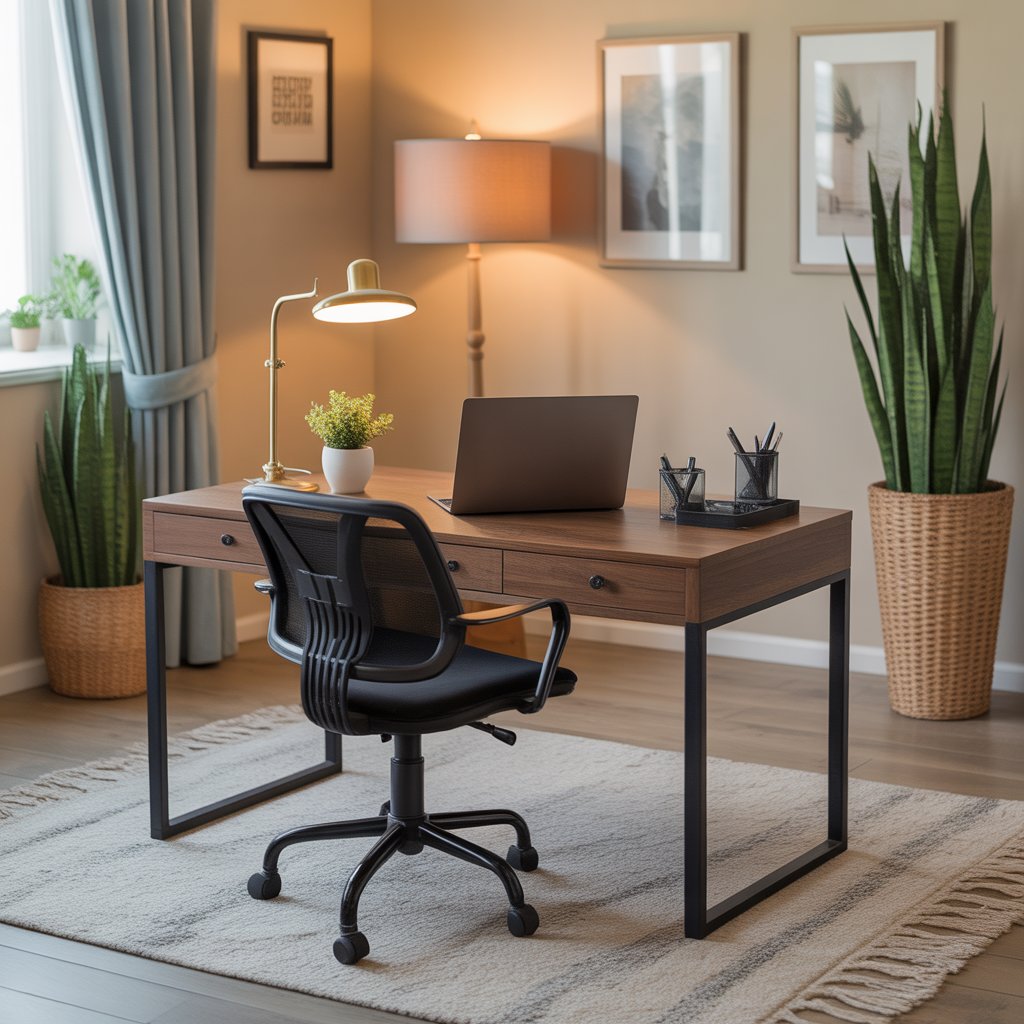
Can I Write off a Desk for My Home Office: Are you wondering if you can write off a desk for your home office? If you work from home, you might be missing out on some valuable tax savings.
Knowing whether your desk qualifies as a deductible expense can put more money back in your pocket. You’ll discover simple rules and practical tips that make it easy to understand how to claim your home office desk on your taxes.
Keep reading to find out exactly what you need to know to maximize your deductions.

Credit: www.reddit.com
Home Office Deduction Basics
Understanding the basics of the home office deduction can help you save money on your taxes. It’s not just about having a desk in your home; specific rules decide what qualifies. Knowing these details makes it easier to determine if your home office expenses, like a desk, can be written off.
Qualifying For The Deduction
To qualify, your home office must be used regularly and exclusively for business. This means the space should be your main place of work or a place where you meet clients or customers.
Using your desk for both personal and business purposes won’t meet the exclusive use rule. Think about your own workspace: is it just for your job, or do you also use it for hobbies or family activities?
Also, your home office should be a separate area, not just a corner of your living room. This separation helps the IRS see that the space is genuinely dedicated to work.
Types Of Deductible Expenses
There are two main types of expenses you can deduct: direct and indirect.
- Direct expensesrelate only to your home office, like painting or repairs in that specific area.
- Indirect expensescover costs for your entire home, such as rent, utilities, and mortgage interest. You can only deduct a portion based on your office’s size compared to your home.
Purchasing a desk for your home office usually counts as a direct expense. But did you know you might also deduct depreciation if you use the desk over several years?
Have you measured your home office space lately? Knowing the exact square footage can increase the accuracy of your deduction and prevent mistakes on your tax return.

Credit: www.reddit.com
Desk Expenses And Eligibility
Understanding desk expenses and eligibility is key for home office tax deductions. Not every desk purchase qualifies for a write-off. Knowing the rules helps you claim the right deductions without trouble.
When Can A Desk Be Written Off?
A desk qualifies as a deductible expense if used mainly for business tasks. The IRS requires that the desk be part of a home office space used regularly and exclusively for work. A desk used only occasionally or for personal activities will not meet the criteria.
For new desk purchases, you may deduct the full cost or depreciate it over several years. Keep receipts and proof of purchase for tax records. If the desk is used in a mixed space, deductions may be limited.
Personal Vs Business Use
The IRS looks closely at how much the desk is used for business versus personal reasons. Use more than 50% of the time for work may allow a full or partial deduction. Personal use reduces the deductible amount or eliminates it.
Tracking your usage helps support your claim. Maintain a log or notes on how you use the desk each week. Clear separation between business and personal use strengthens your eligibility for deductions.
Methods To Claim Your Desk
Claiming a deduction for your home office desk can be straightforward or detailed, depending on the method you choose. Understanding the options can help you maximize your tax benefits while keeping records manageable. Let’s break down the main ways to claim your desk and what each involves.
Simplified Vs Actual Expense Method
The simplified method lets you claim a standard deduction based on the square footage of your home office. It’s easy to use because you don’t need detailed receipts for each item, including your desk. This method works well if you want a quick calculation without diving into every expense.
On the other hand, the actual expense method requires you to track the exact cost of your desk and other office expenses. You’ll need receipts and proof of purchase, but this could lead to a larger deduction if your desk is pricey. Have you ever kept all your receipts only to realize you missed out on a bigger tax break?
Choosing between these methods depends on your preference for simplicity or maximizing deductions. If your desk is a major investment, the actual expense method might be worth the extra effort.
Depreciation Rules For Furniture
Your desk is considered business furniture and usually can’t be fully deducted in the year you buy it. Instead, you’ll need to depreciate it over several years, spreading the deduction across its useful life. This means you claim a portion of the cost each year, rather than all at once.
Depreciation calculations follow IRS rules, often using a 7-year recovery period for office furniture. Keep in mind, if you use your desk partly for personal reasons, only the business-use percentage qualifies for depreciation. Have you thought about how much of your desk time is strictly work-related?
Maintaining good records about when you bought the desk and how you use it will simplify depreciation tracking. This way, you ensure you don’t miss out on deductions while staying compliant with tax laws.

Credit: www.reddit.com
Maximizing Tax Savings
Maximizing tax savings on your home office desk involves careful planning and strategy. By understanding how to group expenses and maintain thorough records, you can reduce your taxable income effectively. This not only lowers your tax bill but also keeps your financial management smooth and clear.
Combining Desk Costs With Other Expenses
Combine the cost of your desk with other home office expenses. This can include office supplies, internet fees, and utilities. Grouping these costs can increase the total deduction. It helps to meet minimum expense thresholds set by tax authorities. Track all related purchases and bills carefully. This approach boosts your overall tax savings without extra effort.
Keeping Accurate Records
Keep detailed records of your desk purchase and all other office expenses. Save receipts, invoices, and payment proofs. Use a dedicated folder or digital app for organization. Accurate records make tax filing easier and faster. They also protect you in case of an audit. Regularly update your records to avoid missing any deductions.
Common Mistakes To Avoid
When you decide to write off a desk for your home office, it’s easy to make mistakes that could cost you during tax time. Avoiding these errors will help ensure your deduction stands up to scrutiny and actually benefits your bottom line. Let’s look at common pitfalls many people encounter and how you can steer clear of them.
Overstating Business Use
One common mistake is claiming that your desk is used 100% for business when it’s not. The IRS expects you to be honest about the percentage of time the desk is used for work versus personal activities. If you use your desk for hobbies or family tasks, you need to account for that.
Think about your own habits. Do you check personal emails or pay bills at your desk? If yes, you cannot claim the entire cost as a business expense. Accurately estimating and documenting the business use percentage can save you from audits and penalties.
Ignoring Documentation
Documentation matters more than many realize. Receipts, invoices, and records showing the purchase and use of your desk are crucial. Without proof, claiming a deduction becomes risky and potentially disallowed.
Keep detailed records of when and how you bought the desk. Also, track the time you spend working at your desk. These small efforts can protect you if the IRS asks for evidence.
Additional Tips For Home Office Deductions
Understanding home office deductions can save money on your taxes. Knowing the details helps avoid mistakes and audits. Here are some important tips to keep in mind for your home office deductions.
Reviewing Irs Guidelines
The IRS has clear rules about what counts as a home office. The space must be used regularly and only for work. Only expenses related to the work area qualify for deductions.
Keep detailed records of all expenses. This includes receipts for furniture, repairs, and utilities. Review the IRS Publication 587 for specific information.
Consulting A Tax Professional
Tax rules can be confusing. A tax professional can provide advice tailored to your situation. They help ensure you claim the right deductions without errors.
Professionals can also assist with changes in tax laws. This reduces the risk of missing out on valid deductions. They make tax filing easier and less stressful.
Frequently Asked Questions
Can I Claim My Desk As A Tax Deduction?
Yes, if you use the desk exclusively for business purposes in your home office, you can claim it as a tax deduction. Ensure you meet the IRS requirements for a home office deduction. It’s important to keep detailed records and receipts to justify your claim.
What Expenses Are Deductible For A Home Office?
Expenses like furniture, equipment, and utilities are deductible if used exclusively for business. Ensure your home office is a dedicated space. Maintain thorough records to substantiate your deductions. Always consult IRS guidelines or a tax professional for detailed advice.
Does My Desk Qualify For The Home Office Deduction?
Yes, if your desk is used exclusively for business in a designated home office space, it qualifies. Ensure your home office meets IRS guidelines. It’s crucial to maintain accurate records of your business use to substantiate your claim.
How Do I Calculate The Desk Deduction?
Calculate the deduction by determining the percentage of your home used for business. Include the desk’s cost if it’s used exclusively for business. Maintain receipts and records of purchase. Consulting a tax professional can provide additional guidance on calculations.
Conclusion
Writing off a desk for your home office can save you money. You must keep good records of your purchase and use. Only the part of your home used for work counts. Check the rules carefully before you claim the deduction.
A desk used mainly for business is usually deductible. This small step can help reduce your taxes. Always consult a tax expert if unsure. Staying informed helps you make smart choices. Your home office can bring benefits beyond comfort. Keep it simple, clear, and legal.