

Have you ever wondered if your fireplace can actually heat your entire house? It’s a question many homeowners ask, especially when the cold months roll in.
You might think that lighting a fire is enough to keep every room warm, but is that really true? Understanding how much heat a fireplace can provide can help you stay cozy without wasting energy or money. Keep reading, and you’ll discover the surprising facts about fireplaces and how they might—or might not—be the best way to heat your home.
How Fireplaces Work
Fireplaces have been a source of warmth for centuries. They create heat by burning wood, gas, or other fuels. The design and type of fireplace affect how well it heats a room or a house. Understanding how fireplaces work helps to know their heating power.
Types Of Fireplaces
- Wood-burning Fireplaces:Use logs to create heat and a cozy flame.
- Gas Fireplaces:Burn natural gas or propane for a clean and easy fire.
- Electric Fireplaces:Use electricity to produce heat and simulate flames.
- Pellet Stoves:Burn small pellets made from compressed wood or biomass.
Heat Production Mechanisms
Fireplaces produce heat through radiation and convection. Radiant heat warms objects and people nearby. Convection moves warm air around the room.
Wood-burning fireplaces often lose heat through the chimney. Some designs include fans or vents to push warm air inside.
Gas fireplaces usually have better control over heat output. They often use blowers to circulate warm air faster.
Electric fireplaces convert electricity into heat instantly. They can heat small spaces but lack the natural feel of real flames.

Credit: weather.com
Fireplace Efficiency
Fireplace efficiency plays a crucial role in determining whether your fireplace can effectively heat your entire house. Many people assume that a fireplace is a great heat source, but the reality depends on how well it converts fuel into usable warmth. Understanding efficiency helps you make smarter choices about your heating options and avoid wasting energy and money.
Heat Loss Factors
One major issue with traditional fireplaces is heat loss. A lot of the warm air generated inside the room escapes through the chimney, pulling cold air in to replace it. This can actually cool down your house more than it heats.
Here are key factors that cause heat loss:
- Open chimney design:Allows warm air to rise and escape quickly.
- Poor insulation:Heat leaks through walls and windows, reducing overall warmth.
- Air drafts:Gaps around doors and windows let cold air enter, lowering indoor temperature.
Have you noticed your fireplace feels cold after a while? This is often due to these heat loss factors working against you.
Comparing Fireplace Models
Not all fireplaces are created equal. Some models deliver much better efficiency and heat retention than others. Knowing the differences can help you pick a fireplace that actually heats your home.
| Fireplace Type | Estimated Efficiency | Heat Distribution | Additional Notes |
|---|---|---|---|
| Traditional Open Wood-Burning | 10-20% | Minimal; most heat lost up chimney | Classic look but poor heating performance |
| Wood Stove | 60-80% | Good; radiates heat evenly | Requires proper installation and venting |
| Gas Fireplace Insert | 70-85% | Excellent; controlled flame and heat output | Convenient with remote control options |
| Electric Fireplace | 70-90% | Good; often includes fan for circulation | Easy to install, no venting needed |
Choosing a high-efficiency model can change your experience completely. Imagine sitting by a warm, cozy fire that actually keeps the whole room comfortable without wasting fuel.
What kind of fireplace do you have, and how well does it heat your space? Maybe it’s time to rethink your current setup based on efficiency, not just appearance.
Heating Capacity Of Fireplaces
Understanding the heating capacity of fireplaces helps you decide if it can keep your whole house warm or just a cozy corner. Fireplaces vary widely in how much heat they can produce and distribute. Knowing their limits lets you plan better and avoid chilly surprises.
Square Footage Coverage
Fireplaces typically heat a limited area, often between 400 to 1,000 square feet depending on the type and size. A traditional open hearth fireplace usually covers less space because much of its heat escapes up the chimney. On the other hand, modern wood stoves or gas inserts can efficiently warm larger areas.
Think about your living room size. If it’s around 500 square feet, a mid-sized fireplace might keep it comfortably warm. But if your home is 2,000 square feet or more, relying on a single fireplace won’t be enough unless you have a system designed to distribute heat throughout the house.
Influence Of Home Layout
Your home’s layout plays a huge role in how well a fireplace heats the space. Open floor plans allow heat to travel more freely, warming multiple rooms. Closed-off rooms or multiple floors can trap heat, limiting the fireplace’s reach.
Consider the placement of your fireplace. Is it centrally located or tucked away in a corner? Central locations help spread warmth evenly. Also, features like ceiling height and insulation quality affect heat retention. Have you noticed some rooms feel colder despite the fireplace running? That’s often due to these layout factors.

Credit: www.youtube.com
Alternatives To Traditional Fireplaces
Traditional fireplaces offer a cozy charm, but they often fall short in efficiently heating an entire house. Luckily, there are several alternatives that provide warmth, style, and convenience without the drawbacks of classic wood-burning fireplaces. These options can better suit your home’s heating needs while adding a touch of modern comfort.
Wood Stoves
Wood stoves are a powerful alternative to traditional fireplaces. They burn wood more efficiently and release more heat into the room, making them excellent for warming larger spaces.
Many wood stoves come with airtight doors and controlled airflow, which means you get more heat with less smoke and fewer emissions. If you enjoy the crackling sound and aroma of burning wood, a wood stove can offer that experience with added heat output.
Have you considered how much wood storage space you have? Planning ahead will ensure you can keep your stove running smoothly all winter.
Gas Fireplaces
Gas fireplaces provide instant warmth at the flip of a switch. They don’t require wood, ash cleanup, or chimney maintenance, which makes them incredibly convenient.
They come in vented and ventless models, with ventless options delivering almost all the heat directly into your home. Plus, you can control them with remote controls or smart home systems, adding ease to your heating routine.
Do you want a heat source that combines efficiency with low maintenance? Gas fireplaces might be the answer.
Electric Fireplaces
Electric fireplaces are perfect if you want the look of a fire without any actual flames. They use electricity to create a realistic flame effect and provide supplemental heat.
Because they don’t require a chimney or vent, installation is simple and flexible. You can place them almost anywhere in your home, from apartments to cozy living rooms.
Wondering about energy costs? Electric fireplaces let you heat specific rooms without turning on the central heating, which can save money over time.
Safety And Maintenance
Using a fireplace to heat your house requires careful attention to safety and maintenance. Neglecting these aspects can reduce efficiency and increase risks. Maintaining your fireplace regularly ensures it heats your home effectively without compromising your safety.
Fireplace Upkeep
Regular cleaning is essential for a fireplace to work well. Ashes and soot build-up can block airflow, causing poor heat output and dangerous smoke backdrafts. Have your chimney inspected and cleaned at least once a year by a professional to remove creosote deposits that can trigger chimney fires.
Check for cracks or damage in the firebox and flue before the heating season starts. Repairing small issues early can prevent costly repairs later. Also, ensure your fireplace doors and screens close tightly to keep sparks inside.
Preventing Heat Loss
Many fireplaces lose more heat than they produce by allowing warm air to escape through the chimney. Installing a chimney damper and keeping it closed when the fireplace isn’t in use helps keep heat inside your home.
Consider adding glass doors or a fireplace insert to improve heat retention. These options create a barrier that slows heat loss and allows better control over the fire’s airflow.
Have you noticed how much cold air sneaks in around your fireplace? Sealing gaps and adding insulation around the fireplace opening can make a big difference in preventing heat loss.
Fire Safety Tips
Never leave a fire unattended, especially if you have children or pets. Keep flammable materials like curtains, furniture, and rugs at least three feet away from the fireplace.
- Use seasoned hardwood to reduce creosote buildup and produce more heat.
- Always have a fire extinguisher nearby and know how to use it.
- Install smoke and carbon monoxide detectors and test them regularly.
- Dispose of ashes in a metal container outside your home to avoid accidental fires.
Have you thought about what you would do if a fire escaped the fireplace? Planning and practicing a fire escape route can save lives.
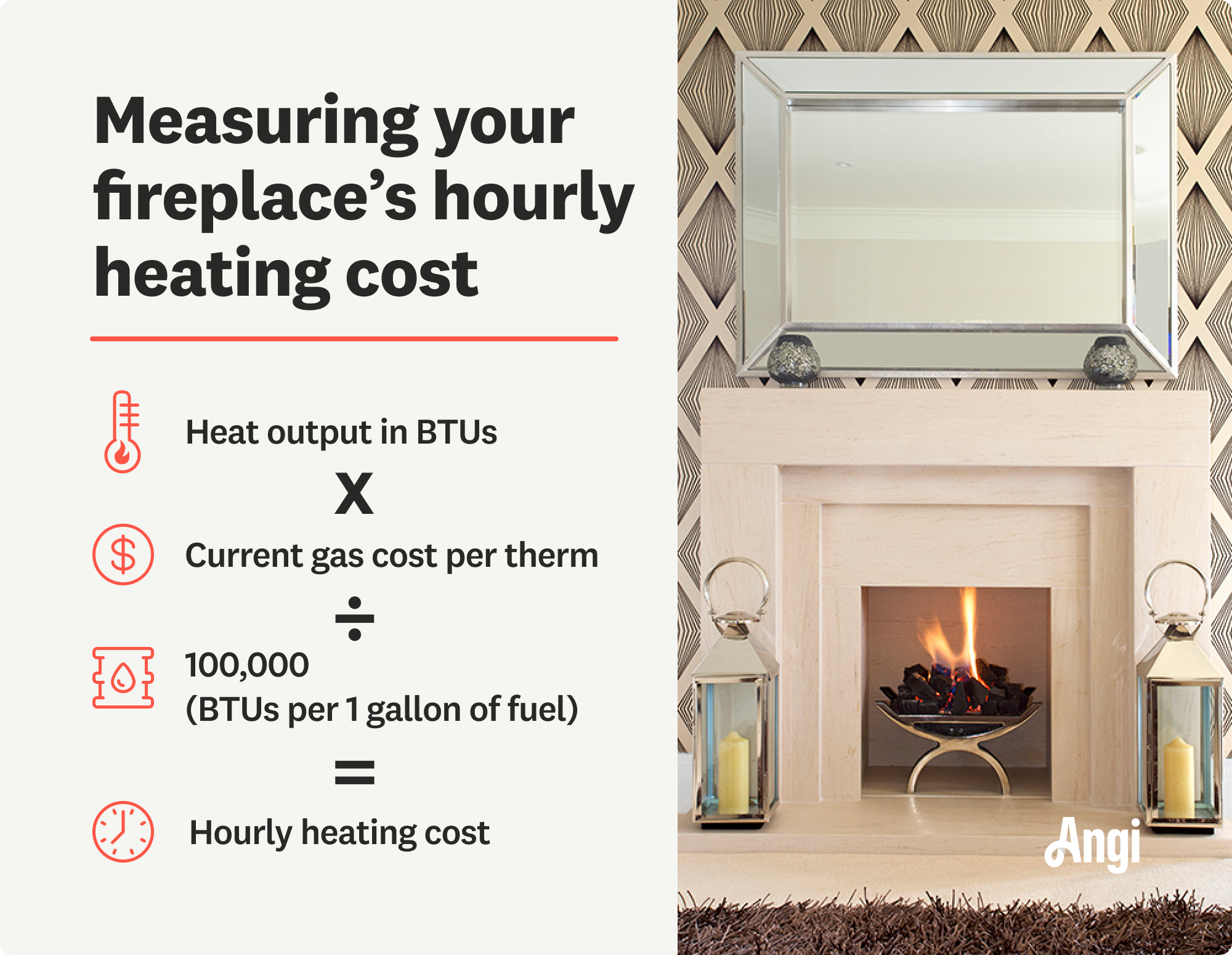
Credit: www.angi.com
Cost Considerations
Cost is a major factor when deciding if a fireplace can effectively heat your entire home. You need to think beyond just the price tag of the fireplace itself. Installation, ongoing expenses, and possible savings all play a role in whether this heating method makes sense for you.
Installation Expenses
Installing a fireplace can range from simple to complex, depending on your home’s layout and the type of fireplace you choose. A wood-burning fireplace usually requires a chimney, which can add thousands of dollars if you don’t already have one. Gas fireplaces might need new gas lines, while electric models generally have lower setup costs.
Think about the impact of installation on your budget. Have you checked if your home’s structure supports the fireplace type you want? Sometimes, the upfront cost surprises homeowners more than expected.
Operating Costs
Once installed, the cost to operate your fireplace varies widely. Wood-burning fireplaces mean buying or cutting wood regularly, which can add up, but some enjoy the process as a part of their routine. Gas fireplaces usually have a steady monthly cost based on usage, while electric ones rely on electricity rates.
Remember, maintenance like chimney cleaning or gas inspections also adds to yearly expenses. Are you prepared to handle these ongoing costs, or would they strain your household budget?
Energy Savings Potential
Can a fireplace reduce your overall heating bill? It depends on how well your home retains heat and the fireplace’s efficiency. Some models distribute warmth to multiple rooms, potentially lowering your furnace or central heating usage.
Think about your current energy bills and how much you could realistically save. Could using a fireplace as a supplementary heat source cut your utility costs? This balance between cost and comfort often surprises homeowners who try it out.
Frequently Asked Questions
Can A Fireplace Heat An Entire House?
A traditional fireplace can heat a room but not an entire house. It loses heat through the chimney. However, modern fireplaces with inserts or wood stoves can efficiently heat larger areas. They distribute heat better and reduce heat loss, making them more effective for whole-house heating.
What Are Efficient Fireplace Heating Methods?
Efficient fireplace heating methods include using fireplace inserts and wood stoves. Both options improve heat distribution and reduce energy loss. Additionally, installing a blower or fan can help circulate warm air throughout the home. Regular maintenance and sealing drafts also enhance a fireplace’s heating efficiency.
Do Gas Fireplaces Heat Better Than Wood?
Gas fireplaces are more efficient in heating than traditional wood fireplaces. They convert more fuel into usable heat. Additionally, they offer controlled heat output and require less maintenance. However, wood fireplaces provide a cozy ambiance and can be efficient if equipped with modern inserts or stoves.
How Can I Improve Fireplace Heating Efficiency?
To improve fireplace heating efficiency, use a fireplace insert or wood stove. These options enhance heat distribution and minimize heat loss. Additionally, consider adding a blower or fan to circulate warm air. Regular maintenance, like cleaning and sealing drafts, can further boost efficiency.
Conclusion
A fireplace can add warmth to your home, but it may not heat every room well. It works best as a cozy spot for gathering, not a main heat source. Fireplaces lose heat through chimneys, making them less efficient. Use them alongside other heating methods for comfort and savings.
Safety matters—always keep the area clear and maintain your fireplace. Enjoy the warmth, but plan for other ways to keep your whole house warm.