
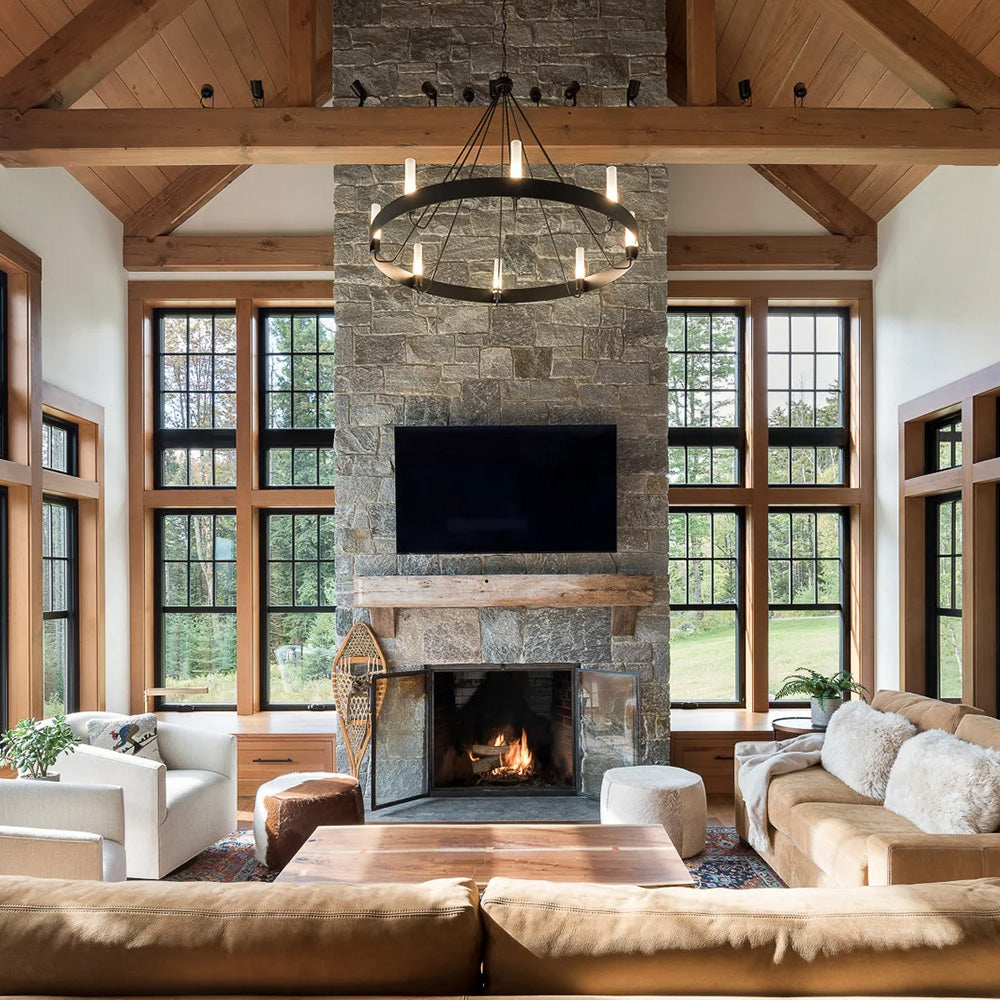
Your living room is more than just a space—it’s where you relax, entertain, and make memories. But figuring out the right budget for living room furniture can feel overwhelming.
How much should you really spend? What pieces deserve the biggest investment? This guide will help you make smart choices without breaking the bank. By the end, you’ll know exactly how to create a stylish and comfortable living room that fits your budget perfectly.
Ready to transform your space and feel confident about every dollar you spend? Let’s dive in.
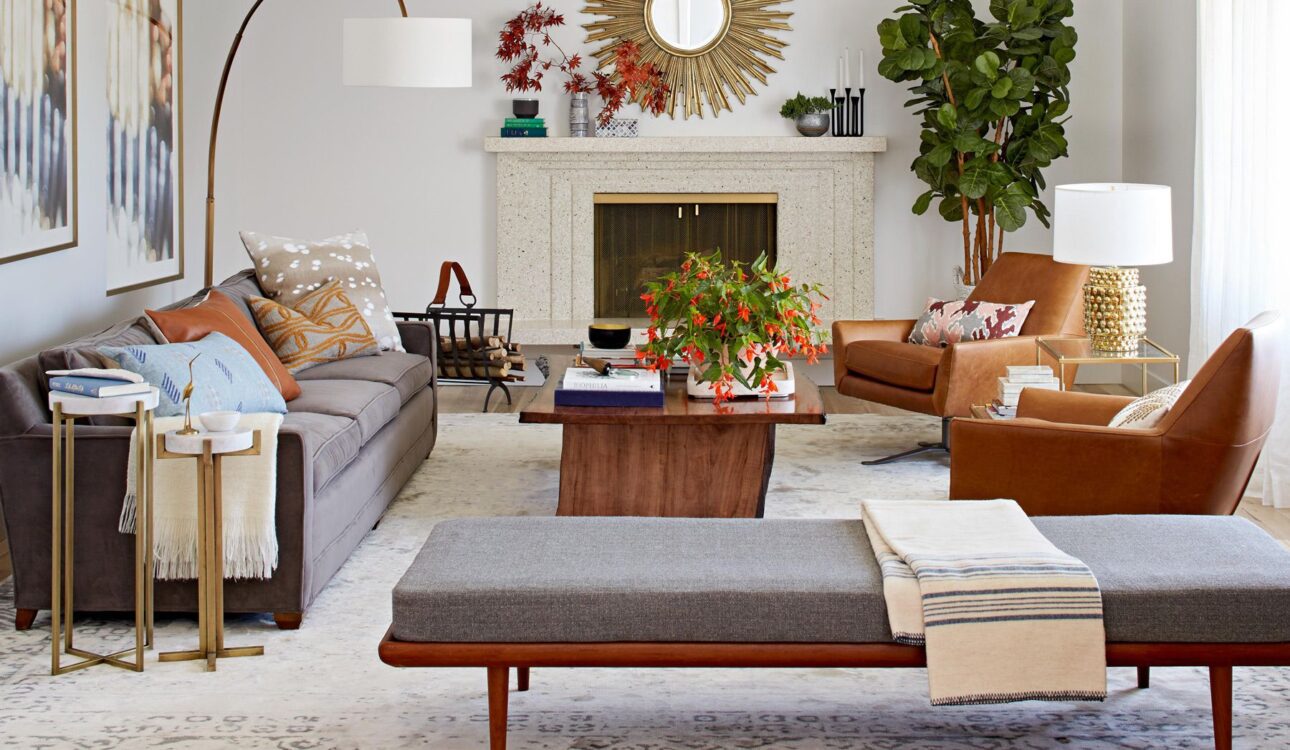
Setting Your Furniture Budget
Setting your furniture budget is a key step in creating a cozy and functional living room. A clear budget helps you avoid overspending and guides your shopping choices. It also ensures you get the best value for your money.
Start by understanding your room’s size, which affects the type and amount of furniture you need. Next, focus on essential pieces that make the room comfortable and practical. Finally, allocate your budget wisely to balance quality and quantity.
Assessing Your Room Size
Measure the length and width of your living room carefully. Note any doors, windows, and walkways to avoid crowding. A small room needs fewer and smaller pieces. Larger rooms offer more flexibility but can tempt overspending. Knowing your space limits helps set a realistic budget.
Prioritizing Essential Pieces
Focus on furniture you use daily, like sofas and coffee tables. These items should get the biggest share of your budget. Secondary pieces, such as side tables or decorative chairs, can be added later. Prioritizing essentials keeps your budget balanced and your living room functional.
Allocating Funds Wisely
Divide your budget into categories for seating, tables, storage, and decor. Spend more on durable, high-use items. Save on pieces that are less critical or easier to replace. Consider mixing budget-friendly options with a few quality investments. This approach creates a stylish room without overspending.
Choosing Cost-effective Materials
Choosing cost-effective materials for living room furniture helps save money without sacrificing style. Smart material choices make furniture last longer and look good. Budget-friendly options let you create a cozy space with less spending.
Affordable Upholstery Options
Fabric choices impact both price and comfort. Synthetic fabrics like polyester and microfiber offer durability and stain resistance. They look good and feel soft. Cotton blends provide breathability at a lower cost than pure cotton. Faux leather mimics real leather at a fraction of the price. It is easy to clean and maintain. These options keep upholstery costs low while offering style and comfort.
Durable Yet Budget-friendly Woods
Wood frames provide strength and a classic look. Pine is an affordable softwood with good durability. It accepts paint and stain well for different finishes. Poplar is another low-cost hardwood, strong and smooth. It works well for painted furniture. Avoid expensive hardwoods like oak or walnut if on a tight budget. Engineered woods like plywood and MDF also offer sturdy frames at a lower price. These woods balance durability with affordability.
Alternative Furniture Materials
Non-wood materials can cut costs and add style. Metal frames bring a modern, industrial touch and last long. Rattan and wicker offer lightweight, casual looks perfect for relaxed spaces. These natural materials are often budget-friendly. Plastic and acrylic furniture pieces are easy to clean and maintain. They come in various shapes and colors. Choosing alternative materials adds variety and saves money on living room furniture.
Finding Deals And Discounts
Finding deals and discounts helps stretch your budget for living room furniture. Smart shopping saves money without sacrificing style or comfort. Knowing when and where to shop makes a big difference. Explore various options to get the best prices on quality pieces.
Shopping During Sales Events
Sales events offer some of the lowest prices throughout the year. Look out for holidays like Black Friday, Memorial Day, and end-of-season sales. Retailers often reduce prices to clear inventory. Planning your purchase around these events can lead to big savings.
Sign up for store newsletters to get alerts on upcoming sales. Early access and exclusive discounts often come through email promotions. Mark your calendar and act fast when sales begin.
Using Coupons And Promo Codes
Coupons and promo codes can reduce the total cost at checkout. Search online for current codes before making any purchase. Many stores offer discounts for first-time buyers or newsletter subscribers.
Combine coupons with sales events for extra savings. Check the terms carefully to ensure the code applies to your chosen furniture. Save copies of valid codes for easy use during checkout.
Exploring Outlet Stores And Clearance
Outlet stores carry furniture at lower prices than regular retail shops. These items might be discontinued models, overstock, or floor samples. Inspect pieces closely for any defects or wear before buying.
Clearance sections in stores often have deep discounts to free up space. Visit outlets and clearance racks regularly for new deals. Patience can pay off with quality furniture at bargain prices.
Diy And Upcycling Ideas
DIY and upcycling ideas offer smart ways to furnish your living room on a budget. These approaches breathe new life into old pieces. They help create unique, personalized spaces without spending much money. Plus, they reduce waste and promote sustainability.
Simple projects can transform plain furniture into stylish accents. Small upgrades bring charm and character to your living room. These ideas suit all skill levels and add value to your home.
Refinishing Old Furniture
Refinishing old furniture restores its beauty and extends its life. Sand down surfaces to remove scratches and stains. Apply paint or stain to match your room’s color scheme.
Try chalk paint for a matte, vintage look. Use a clear sealant to protect the finish. Changing knobs or handles gives a fresh touch easily.
Creative Repurposing Techniques
Repurposing turns old items into new, useful furniture. An old door can become a coffee table with some legs added. Wooden crates stack to create shelves or side tables.
Chairs can become plant stands or storage units with minor changes. Think about the item’s shape and material to find new uses.
Budget-friendly Decor Enhancements
Small decor changes make a big impact at low cost. Use fabric scraps to sew cushion covers or throw pillows. Add removable wallpaper or decals for instant style.
- Place rugs to define seating areas
- Use baskets for tidy storage
- Display art or photos in DIY frames
These touches refresh your space without heavy spending.
Balancing Quality And Cost
Balancing quality and cost is the key to furnishing your living room without overspending. It’s about knowing where to save and where to spend. Making smart choices ensures your furniture lasts long and looks great, giving you real value for your money.
Identifying Long-lasting Pieces
Focus on furniture made from sturdy materials like solid wood or high-grade metal frames. These pieces resist wear and tear better than cheaper alternatives. Check for quality stitching and durable upholstery—these small details matter.
Think about everyday use. A sofa you lounge on daily needs to be tough, while an accent chair used occasionally can be less costly. Ask yourself which items will get the most use and prioritize quality there.
When To Invest More
Spend more on large pieces that define your living room, such as sofas or coffee tables. A well-made sofa can last over a decade, saving you money over time. Investing in comfort and style here pays off every day.
Also, consider spending extra on custom or unique pieces that fit your space perfectly. Mass-produced furniture may seem cheaper but can lack personality and proper fit. Is it better to buy twice or to invest once?
Avoiding Common Budget Pitfalls
Don’t be tempted by low prices that hide poor quality. Cheap furniture often means replacing items sooner, which costs more in the long run. Beware of trends that push you to buy unnecessary pieces.
Set a clear budget and stick to it. Prioritize essential furniture before adding decorative items. How often have you bought something attractive but rarely used it?


Frequently Asked Questions
How Much Should I Budget For Living Room Furniture?
Budgeting depends on your style and room size. Typically, allocate $1,000 to $5,000 for quality furniture. Prioritize key pieces like sofas and tables. Adjust based on material, brand, and design preferences to suit your financial plan.
What Furniture Is Essential For A Living Room?
Essential living room furniture includes a sofa, coffee table, and seating options. Add storage units or shelves for organization. These basics create a functional and comfortable space. Additional pieces depend on room size and personal style.
How To Save Money On Living Room Furniture?
Look for sales, discounts, and clearance items to save money. Consider second-hand or refurbished furniture for quality at lower prices. Prioritize versatile pieces that last. Planning and budgeting help avoid overspending on unnecessary items.
What Factors Affect Living Room Furniture Costs?
Costs vary due to material quality, brand, and craftsmanship. Size and design complexity also impact price. Custom or designer pieces cost more. Shipping and assembly fees can add to the budget. Knowing these helps in effective budgeting.
Conclusion
Setting a budget helps you buy the right living room furniture. It keeps your spending under control. You can find good quality pieces within your price range. Planning ahead avoids rushed decisions and costly mistakes. Think about what you need and what fits your space.
A clear budget makes shopping easier and less stressful. Remember, comfort and style don’t always mean high cost. Smart choices lead to a cozy, attractive living room you enjoy. Take your time and stick to your plan. You will be happy with the result.