
Your big living room is a blank canvas full of possibilities. But with so much space, arranging your furniture can feel overwhelming.
How do you create a layout that feels cozy, functional, and stylish all at once? You want your living room to invite conversation, relaxation, and maybe even a little wow factor when guests walk in. This guide will help you unlock the secrets to the perfect big living room furniture layout—so you can enjoy a space that truly feels like home.
Keep reading, and discover easy tips to transform your large living area into a comfortable, stunning centerpiece of your home.
Choosing The Right Furniture
Choosing the right furniture for a big living room can feel overwhelming. The pieces you select set the tone and function of the entire space. It’s about finding a balance between size, style, and usability that fits your lifestyle and enhances your room’s potential.
Size And Scale Matters
In a large living room, the size of your furniture should match the space to avoid feeling sparse or cluttered. Small chairs or a tiny coffee table can get lost, making the room feel empty rather than open.
Think about how each piece relates to the others. A large sectional sofa pairs well with substantial side tables or a big rug to anchor the space. Ask yourself: does this piece fill the space without overwhelming it?
Multi-functional Pieces
Big rooms give you the freedom to add furniture that serves more than one purpose. Consider ottomans with storage inside or sofa beds that can double as guest accommodations.
Multi-functional furniture keeps your living room practical and adaptable. It’s especially useful if your space is also a play area, home office, or entertainment zone. How can your furniture work harder for you?
Balancing Comfort And Style
Comfort shouldn’t take a backseat to style, especially in a room designed for gathering and relaxing. Look for furniture that invites you to sit and stay awhile but also fits your aesthetic.
Mix materials and textures to keep the space interesting. For example, pair a plush fabric sofa with sleek metal or wood accents. What makes you feel at home when you enter your living room?
Creating Zones In Large Spaces
Large living rooms offer a wonderful opportunity to create distinct zones that serve different purposes without feeling cluttered. Dividing the space thoughtfully can make your room feel cozy, functional, and inviting. How you arrange your furniture can encourage different activities to happen simultaneously, all while maintaining a harmonious flow.
Seating Areas
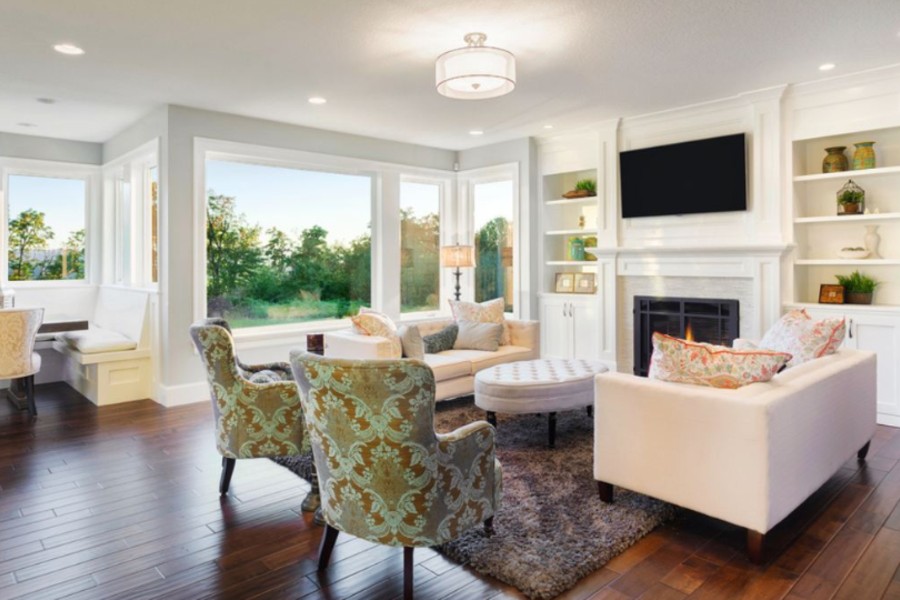
Seating areas are the heart of any living room. In a big space, you can set up multiple seating clusters to accommodate various groups or moods. Try placing sofas and chairs around a central coffee table to create conversation spots that invite guests to linger.
Use rugs or lighting to define these areas visually. Don’t hesitate to mix and match furniture styles, but keep the color palette cohesive to tie everything together. Have you thought about how the placement of your seating affects the traffic flow in your room?
Entertainment Corners
Create a dedicated corner for entertainment with your TV, gaming consoles, or sound system. Position your furniture so everyone has a clear view and easy access to controls. Consider mounting the TV to save floor space and adding shelves or cabinets for storage.
Adding comfortable seating like recliners or a sectional sofa can transform this zone into a perfect spot for movie nights. Think about what activities you want to prioritize—do you need space for group gaming or solo binge-watching?
Reading Nooks
Even in a large living room, a quiet reading nook can offer a peaceful retreat. Choose a cozy armchair or a chaise lounge and place it near a window or a good light source. Add a small side table and a lamp for your books and beverages.
This little zone can bring warmth and personality to your space. Have you noticed how a simple corner with the right furniture invites you to pause and unwind?
Arranging Furniture For Flow
Arranging furniture in a big living room can feel overwhelming, but focusing on flow makes the space feel welcoming and functional. Flow means creating a natural movement through the room without obstacles or awkward pauses. When you plan your layout with flow in mind, you invite comfort and ease into your living space.
Traffic Pathways
Clear traffic pathways are essential to keep your living room easy to navigate. Think about where people enter and exit, and leave enough space for walking without bumping into furniture. A good rule is to allow at least 2 to 3 feet of walking space between pieces.
Try to avoid placing large furniture directly in the path between doors or windows. Instead, arrange seating areas off to the side or create separate zones within the room. This helps the space feel open and prevents any traffic jams.
Focal Points
Every living room needs a focal point to anchor the furniture layout. This could be a fireplace, a large window with a view, or a media console. Arrange your seating to face or surround this feature, making it the center of attention.
Don’t feel limited to just one focal point—you can create multiple smaller ones, like a reading nook or a stylish coffee table. This breaks up the room and encourages different types of interaction and relaxation.
Symmetry And Balance
Symmetry creates a sense of order that feels calming and intentional. Placing matching chairs or sofas across from each other can establish balance and encourage conversation. But perfect symmetry isn’t always necessary; asymmetrical arrangements often feel more natural and relaxed.
Balance heavy pieces with lighter ones to avoid one side of the room feeling too crowded. For example, pair a large sectional with a couple of smaller chairs or ottomans to keep the visual weight even throughout the space.

Incorporating Storage Solutions
Incorporating storage solutions in a big living room is key to keeping the space neat and functional. Storage helps manage clutter and creates a more inviting atmosphere. Thoughtful storage also enhances the room’s design without sacrificing style or comfort.
Built-in Shelving
Built-in shelving offers a sleek way to store books, decor, and everyday items. It uses wall space efficiently, freeing up floor area for other furniture. Custom shelves match your room’s style and can include lighting for added effect.
Hidden Storage Options
Hidden storage keeps essentials out of sight, maintaining a clean look. Consider ottomans or benches with storage inside. Coffee tables with drawers or lift tops also hide items while serving multiple purposes.
Display And Organization
Open shelves and cabinets display favorite pieces and organize belongings. Use baskets or boxes to group small items neatly. Organizing by color or theme adds visual interest and makes the room feel balanced.
Using Rugs And Lighting
Using rugs and lighting in a big living room can transform the entire space. These elements help create a warm, inviting atmosphere while adding structure to large, open areas. Thoughtful placement of rugs and lighting can guide movement and highlight key features of your room.
Defining Spaces With Rugs
Rugs are powerful tools for marking different zones in a big living room. They visually anchor furniture groupings, making each section feel intentional. Place a large rug under the main seating area to create a cozy conversation spot.
Try using different rugs to separate areas like a reading nook or a play zone. Mixing textures and patterns can add depth without overwhelming the space. Have you noticed how a well-chosen rug can pull a room together instantly?
Layered Lighting Techniques
Lighting shapes the mood and functionality of your living room. Combine overhead lights, floor lamps, and table lamps to create layers. This approach allows you to adjust brightness for different activities and times of day.
Use dimmers to control intensity and add warmth when you want to relax. Think about where you need focused light for reading or soft light for ambiance. What activities do you spend most time on in your living room?
Highlighting Features
Lighting can draw attention to architectural details or artwork. Use spotlights or track lighting to emphasize these points without flooding the entire room. This creates visual interest and makes your space feel more dynamic.
Consider placing accent lights near shelves or plants to add subtle highlights. Small changes like these can make your living room look professionally styled. Which feature in your room deserves a spotlight?

Personalizing With Accessories
Personalizing your big living room with accessories lets you express your style and make the space truly yours. Accessories add character and warmth, breaking up large areas with details that catch the eye. They also offer an easy way to refresh the room without major changes.
Artwork And Wall Decor
Artwork transforms bare walls into focal points. Choose pieces that resonate with your personality—whether bold abstracts or serene landscapes. Grouping smaller frames creates a gallery effect that fills large wall spaces without feeling empty.
Think beyond paintings: mirrors, metal sculptures, or woven textiles add texture and dimension. Have you tried hanging art at eye level to invite conversation? This simple adjustment can make your big room feel more intimate.
Throw Pillows And Blankets
Throw pillows and blankets bring softness and color to your seating areas. Mix patterns and textures to add depth—like pairing velvet pillows with a chunky knit throw. These small touches can shift the mood from formal to cozy in seconds.
Consider seasonal swaps to keep your living room feeling fresh year-round. Have you noticed how a bright pillow can revive a neutral sofa instantly? These accessories also invite guests to relax and linger longer.
Plants And Greenery
Plants breathe life into large living rooms by adding natural color and improving air quality. Use tall floor plants to fill empty corners and smaller pots on shelves or tables for subtle greenery. The variety of leaf shapes and sizes can complement your furniture layout beautifully.
Try grouping plants in odd numbers for a natural look. Have you ever felt how a touch of green can instantly brighten a space? Besides aesthetics, caring for plants brings a peaceful routine and connection to nature inside your home.
Frequently Asked Questions
What Is The Best Furniture Layout For A Big Living Room?
The best layout balances space and function. Use zones for seating, entertainment, and conversation. Arrange furniture to create flow and openness. Consider a central rug to anchor the space. Keep pathways clear for easy movement.
How Do I Arrange Furniture In A Large Living Room?
Start with a focal point like a fireplace or TV. Position sofas and chairs around it. Use area rugs to define seating zones. Add side tables and lighting for comfort. Ensure enough space between pieces for walking.
Which Furniture Pieces Suit A Big Living Room?
Opt for large sofas, sectionals, and multiple chairs. Include a coffee table and side tables. Consider storage units like bookshelves or cabinets. Add accent pieces like ottomans or benches. Choose items that complement the room’s size and style.
How Can I Create Cozy Zones In A Big Living Room?
Divide the room with rugs or furniture groupings. Use different lighting for each zone. Add soft textiles like pillows and throws. Incorporate plants or screens for separation. This creates intimate areas without closing off space.
Conclusion
Big living room furniture layouts create comfort and style. They help define space and improve flow. Choose pieces that fit the room size and your needs. Arrange seating to encourage conversation and easy movement. Use rugs and lighting to add warmth and focus.
Keep balance between open areas and furniture clusters. Personal touches make the space feel inviting and unique. A well-planned layout makes your living room enjoyable every day. Try different arrangements to find what works best for you.