
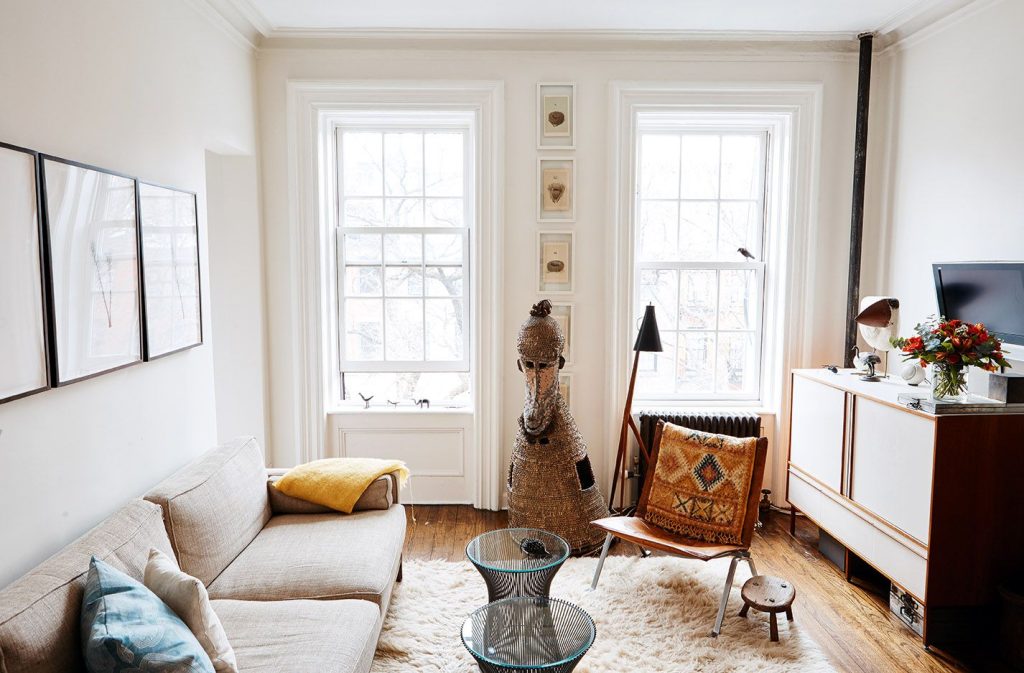
Are you struggling to fit big furniture into your small living room without making it feel cramped? You’re not alone.
Finding the right balance between comfort and space can be tricky, but it’s possible to have stylish, large pieces that don’t overwhelm your room. Imagine walking into your living space and feeling both cozy and spacious at the same time.
You’ll discover smart tips and clever ideas to make your big furniture work perfectly in your small living room. Keep reading, and you’ll learn how to transform your space into a place you love.
Choosing The Right Furniture
Choosing the right furniture for a small living room with big pieces can feel tricky. The goal is to keep the space functional and open. Focus on pieces that serve multiple roles, fit well, and feel light. This helps maintain balance and comfort without overcrowding.
Opt For Multi-functional Pieces
Multi-functional furniture saves space and adds value. A sofa bed offers seating and a sleeping area. Coffee tables with storage keep clutter out of sight. Choose items that perform two or more tasks.
Select Scaled-down Versions
Smaller versions of big furniture fit better in tight spaces. A compact armchair or a petite dining table works well. Scaled-down pieces keep the room open and easy to move around in.
Prioritize Lightweight Materials
Lightweight furniture feels less bulky and can be moved easily. Look for pieces made of wood, metal, or plastic with slim profiles. These materials keep the room airy and flexible.
:max_bytes(150000):strip_icc()/9.AJ_1186_287copy-bcf7228f3b6f439da19edd86f1b3ac84.jpg)
Arranging Furniture Smartly
Arranging big furniture in a small living room can feel like a puzzle. You want to fit everything without making the space feel cramped or awkward. Smart placement helps you use every inch wisely while keeping the room comfortable and inviting.
Create Clear Pathways
Make sure you leave enough space for easy movement. Avoid blocking doorways or walkways with large pieces. A good rule is to keep at least 2 to 3 feet of walking space between furniture.
Think about how you naturally move through the room. Does your arrangement allow you to walk without squeezing past the sofa or coffee table? If not, try shifting items or choosing slimmer furniture.
Use Corners Efficiently
Corners often get ignored, but they can be your best friend in a small living room. Place bulky furniture like armchairs or storage units here to free up central space.
Adding a corner shelf or a small table can also provide extra storage or display space without crowding the middle of the room. Have you tried pushing your sofa into a corner and adding a floor lamp beside it? It can open up the rest of the room remarkably.
Balance Symmetry And Flow
Symmetry creates a neat look, but too much can feel stiff in a small space. Mix balanced pieces with open areas to keep the room feeling airy. For example, pair a large sofa with a single chair on one side and leave the other side open or lightly furnished.
Think about how your eye moves across the room. Does the arrangement feel natural or forced? Adjust pieces until the space flows smoothly from one area to another without heavy visual blockages.
Incorporating Storage Solutions
In small living rooms, storage solutions help keep the space neat and organized. Big furniture can take up a lot of room, so smart storage choices make the area feel larger. Incorporating clever storage options keeps clutter away and improves the room’s flow.
Utilize Vertical Space
Use tall shelves to store books, decor, and essentials. Vertical storage draws the eye upward, making the room appear bigger. Wall-mounted racks or tall cabinets free up floor space. Hooks on walls can hold bags or coats without crowding the room.
Choose Furniture With Hidden Storage
Pick sofas, ottomans, and beds with built-in compartments. These pieces store items like blankets, magazines, or toys out of sight. Hidden storage keeps surfaces clear and reduces mess. It makes big furniture more practical for small spaces.
Add Floating Shelves
Floating shelves offer storage without bulky furniture. They fit easily above sofas or desks. Use them for books, plants, or small baskets. Floating shelves keep items off the floor and add style. They help use wall space efficiently.
Enhancing Room Visuals
Enhancing the visuals of a small living room filled with big furniture might seem tricky, but it’s all about smart choices that open up the space instead of crowding it. You want your room to feel inviting and spacious, not cramped and overwhelming. Small tweaks can create a big impact on how your room looks and feels.
Use Light Colors And Mirrors
Light colors reflect more light, making your living room feel larger and airier. Soft shades like pale blues, creams, and light grays work well on walls and large pieces of furniture.
Mirrors are a powerful tool to expand your space visually. Placing a large mirror opposite a window doubles the natural light and creates the illusion of depth. Have you ever noticed how a well-placed mirror can make a room feel twice its size?
Incorporate Transparent Furniture
Transparent furniture, such as glass or acrylic tables and chairs, takes up less visual space. They allow your eyes to travel freely across the room without obstruction.
Using these pieces helps maintain a clean and open look, especially in compact areas where bulky furniture can feel stifling. Imagine a glass coffee table that doesn’t block your view of the beautiful rug underneath—it’s a simple trick that keeps your space feeling light and uncluttered.
Maximize Natural Light
Natural light is your best friend in a small living room. Avoid heavy curtains that block sunlight; instead, opt for sheer or light-filtering fabrics.
Position furniture to keep windows clear, allowing sunlight to flood the room. Have you ever noticed how a sunlit room instantly feels more welcoming and spacious? Don’t underestimate the power of natural light to transform your space.
Selecting Decor And Accessories
Choosing the right decor and accessories can transform a small living room with big furniture into a cozy, stylish space. The key is to balance size and style without overwhelming your room. Thoughtful selections help keep your space inviting and functional.
Keep Decorations Minimal
Too many decorations can make a small room feel cluttered and cramped. Choose a few statement pieces that complement your big furniture without competing with it. A single large artwork or a simple set of decorative objects can add personality without crowding your space.
Think about what truly adds value to your room. Ask yourself: Does this item make the room feel more open or crowded? This mindset will help you avoid unnecessary clutter.
Use Rugs To Define Spaces
Rugs aren’t just for comfort—they create clear zones within your living room. Place a rug under your seating area to anchor big furniture and visually separate it from other parts of the room.
Choose rugs that fit the scale of your furniture; a too-small rug will look awkward, while a larger one can unify the space. Patterns and textures add interest but keep colors light to maintain an airy feel.
Add Plants For Freshness
Plants bring life and freshness to any room, especially when space feels tight. Use tall, slim plants to add height without taking up much floor space. Small potted plants on shelves or side tables can also brighten corners.
Have you noticed how a bit of greenery can instantly change the mood? Adding plants is an easy way to refresh your living room without adding bulk. Plus, they improve air quality, making your space healthier and more inviting.
Frequently Asked Questions
How To Choose Big Furniture For Small Living Rooms?
Select furniture with slim profiles and raised legs to create openness. Use multi-functional pieces to maximize space. Opt for light colors and avoid bulky designs to keep the room airy and comfortable.
Can Big Furniture Make A Small Room Look Spacious?
Yes, if chosen wisely. Large furniture with clean lines and minimal ornamentation enhances space perception. Pair it with light walls and mirrors to reflect light and create an illusion of a bigger room.
What Are Space-saving Big Furniture Ideas?
Use sectional sofas with storage or foldable tables. Opt for ottomans that double as seating and storage. Choose wall-mounted shelves and slim cabinets to utilize vertical space effectively.
How To Arrange Big Furniture In Small Living Rooms?
Place large pieces against walls to open central space. Avoid overcrowding by balancing furniture sizes. Maintain clear walkways and group items for functional zones to keep the room organized.
Conclusion
Big furniture can fit well in small living rooms. Choose pieces that serve more than one purpose. Think about size, shape, and color to keep space open. Use smart arrangements to make the room feel larger. A few large items can add comfort without crowding.
Keep the room tidy and free from clutter. With careful planning, small spaces can feel cozy and stylish. Your living room can be both big and small at the same time.