
Are Smart Home Devices Secure. Have you ever wondered if your smart home devices are truly safe? You rely on them every day to make life easier, but what if they’re open doors for hackers?
Your privacy and security might be at risk without you even knowing it. You’ll discover the hidden dangers and simple steps to protect your smart home. Keep reading to find out how to keep your devices—and your home—secure.
The Rise Of Smart Home Technology
Smart home technology has become a common part of daily life for many people. From controlling lights with your voice to monitoring security cameras on your phone, these devices offer convenience like never before. But as these gadgets become more popular, it’s important to understand how they impact your security and privacy.
The Growth Of Smart Home Devices
The number of smart home devices has skyrocketed in recent years. Products like smart speakers, thermostats, and security systems are now found in millions of homes worldwide. You might have noticed how easy it is to add new devices to your home network, making your living space more connected.
Have you ever thought about how many devices in your home are connected to the internet? Each new device creates another access point, potentially exposing you to security risks. This rapid growth raises questions about how secure these devices really are.
Why People Choose Smart Home Technology
People choose smart home devices for many reasons. Convenience is at the top of the list—you can control your home from anywhere using your smartphone. Energy savings and enhanced security are other strong motivators.
For example, smart thermostats learn your schedule and adjust temperatures to save money on energy bills. Smart locks allow you to grant temporary access to visitors without giving out physical keys. These features show why many find smart homes appealing despite potential concerns.
Challenges In Smart Home Security
While smart devices bring many benefits, they also come with security challenges. Many devices have weak default passwords or outdated software, making them easy targets for hackers. Plus, some companies don’t regularly update their products to fix vulnerabilities.
Think about how you protect your smartphone—do you do the same for your smart devices? Often, the answer is no, which can put your personal information and home security at risk.
What This Means For You
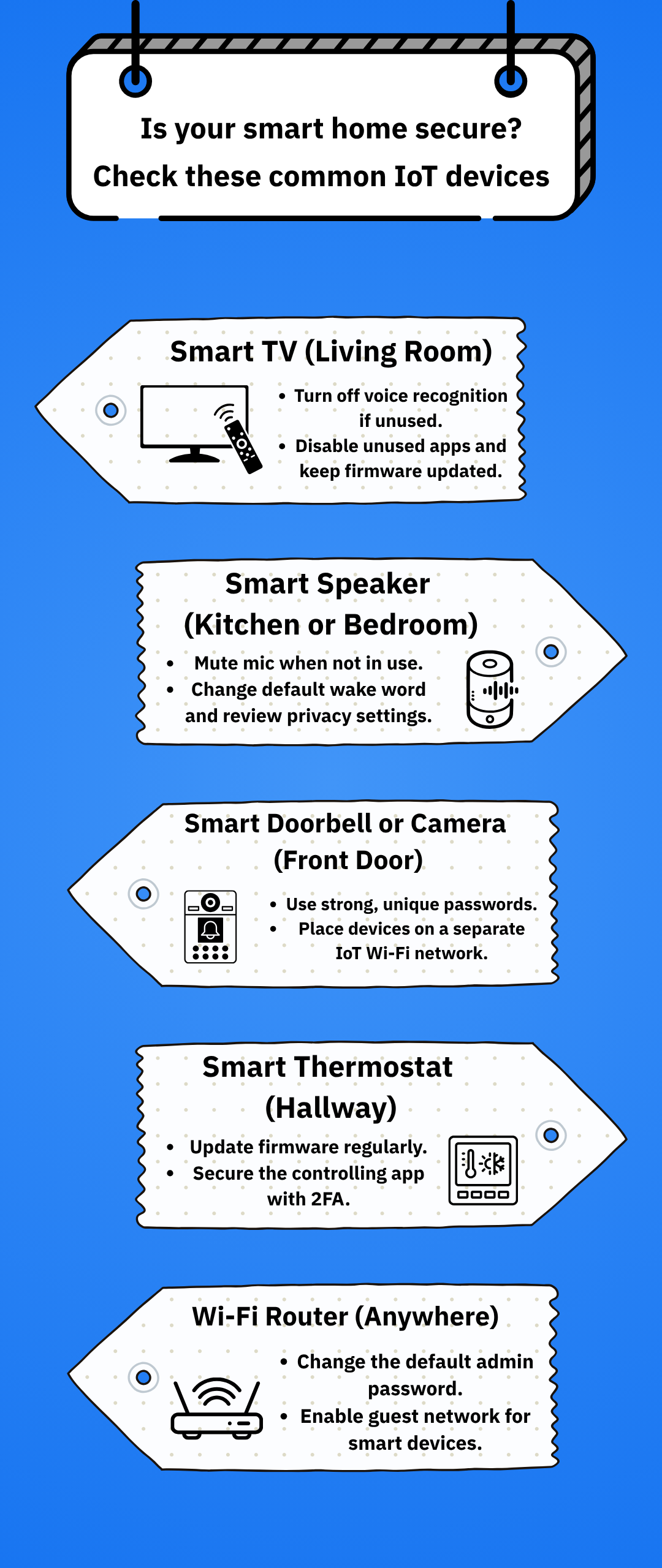
As you add more smart devices, it’s essential to stay informed about their security features. Regularly updating software, changing default passwords, and using secure networks can help protect your home. Have you checked your devices’ security settings lately?
Understanding the rise of smart home technology helps you see both the opportunities and risks. It’s up to you to make smart choices that keep your home safe while enjoying the benefits of these innovative devices.
Common Smart Home Devices
Smart home devices have become a staple in many households. They offer convenience and control right at your fingertips. But how familiar are you with the most common types of these devices and their security risks?
Voice Assistants
Devices like Amazon Echo or Google Home respond to your voice commands. They can play music, set reminders, or control other smart gadgets in your home.
However, these assistants are always listening for their wake word, which raises privacy concerns. Have you considered how much personal information you share just by talking to them?
Smart Thermostats
Smart thermostats such as Nest learn your schedule to optimize heating and cooling. They save energy and can be controlled remotely via your smartphone.
But these devices connect to your home Wi-Fi, making them potential entry points for hackers. Do you know who else might access your heating preferences or when you’re not home?
Connected Security Cameras
Security cameras keep an eye on your property and let you view live footage remotely. Models like Ring or Arlo offer alerts when motion is detected.
Though they enhance safety, these cameras are vulnerable if not properly secured. Imagine the consequences if a stranger could watch your home undetected.
Potential Security Threats
Smart home devices bring convenience, but they also open up new doors for security risks. Understanding these potential threats helps you protect your personal space and data. Let’s look closely at the main security issues that can affect your smart home setup.
Hacking And Unauthorized Access
Hackers can exploit weak passwords or unsecured networks to gain control of your devices. Imagine a stranger turning off your lights or unlocking your door without permission. This risk increases if you don’t regularly update your device passwords or use default settings.
You should ask yourself: how strong are the passwords on my smart devices? Adding two-factor authentication can block many unauthorized attempts and keep your home safer.
Data Privacy Concerns
Smart devices collect a lot of personal data, from your daily routines to voice commands. This data often travels through the internet and can be intercepted or misused. Even devices that seem harmless, like smart speakers, can record sensitive information without your full awareness.
Check your device’s privacy settings regularly. Decide what data you want to share and what should stay private. Are you comfortable with how your data might be used or shared by the manufacturer?
Vulnerabilities In Device Firmware
Firmware is the software that runs your smart devices. If it has bugs or security flaws, hackers can exploit these weaknesses to take control or steal information. Many devices don’t update automatically, leaving you exposed unless you check for updates yourself.
Make it a habit to update your device firmware as soon as updates are available. This simple step fixes known vulnerabilities and keeps your devices secure. Have you checked for updates on your smart devices recently?
Real-world Examples Of Security Breaches
Security breaches in smart home devices are not just theoretical risks; they have happened in real homes, affecting real people. These incidents reveal how vulnerable your connected devices can be if not properly protected. Understanding these breaches helps you recognize the importance of securing your smart home setup.
Notable Hacks And Their Impact
One of the most shocking breaches occurred when hackers took control of smart cameras in thousands of homes. They used these devices to spy on families, causing fear and invasion of privacy. This attack showed how attackers could exploit weak passwords and outdated software.
Another serious incident involved smart locks being remotely unlocked by cybercriminals. Victims found themselves locked out or, worse, vulnerable to physical break-ins. This breach highlighted the risks of relying on smart devices for critical home security without strong protections.
- Smart thermostat hacks that allowed attackers to increase energy bills drastically.
- Voice assistant exploits used to make unauthorized purchases or gather personal data.
- Smart lighting systems hijacked to create disruptions or signal intruders.
Lessons Learned From Past Incidents
These breaches teach you not to assume your smart devices are secure out of the box. Always change default passwords and update firmware regularly to patch security holes. Simple actions like these can stop many common attacks.
You should also ask yourself: Are you using multi-factor authentication wherever possible? Adding this extra layer can prevent unauthorized access even if passwords are compromised. Think about limiting device access to only trusted users and networks.
Finally, consider segmenting your home network so that smart devices don’t share the same network as your computers and phones. This practice reduces the risk that a breach in one device will spread across your entire home system.
Protecting Your Smart Home
Protecting your smart home is key to keeping your personal data and privacy safe. Smart devices connect to the internet and can be vulnerable to cyber threats. Taking simple security steps helps reduce risks and keeps your devices working properly.
Best Practices For Device Security
- Place devices on a separate network from your main one.
- Disable features you don’t use to limit access points.
- Turn off remote access unless it is necessary.
- Use trusted brands with good security reputations.
- Secure your Wi-Fi network with strong encryption.
Importance Of Regular Updates
Smart devices need updates to fix security flaws. Updates improve device performance and protect against new threats. Set devices to update automatically or check often for new software. Ignoring updates leaves your home open to attacks.
Role Of Strong Passwords
Passwords protect your smart home from hackers. Use unique passwords for each device and account. Combine letters, numbers, and symbols for stronger passwords. Change default passwords immediately after setup. Consider using a password manager to keep track safely.
The Role Of Manufacturers
Manufacturers play a crucial role in the security of smart home devices. They design, build, and maintain the technology that controls our homes. Their choices affect how safe these devices are from hackers and data breaches. Strong security starts at the manufacturing stage. It continues through updates and customer support.
Ensuring Device Security
Manufacturers must create devices with strong security features. This includes:
- Using secure hardware components
- Implementing encrypted communication
- Regularly updating software to fix vulnerabilities
- Testing devices against cyber attacks before release
Security patches and updates keep devices protected over time. Without them, devices become easy targets for hackers.
Transparency In Data Handling
Clear communication about data use builds user trust. Manufacturers should explain:
- What data is collected
- How it is stored and protected
- Who has access to the data
- How long data is kept
Transparent policies help users make informed decisions. They also encourage manufacturers to follow strict privacy standards.
Future Trends In Smart Home Security
Smart home security is evolving rapidly, offering new ways to protect your devices and personal data. The future will bring stronger measures designed to keep hackers at bay and give you greater peace of mind. Are you ready to learn what’s coming next and how it might change your home’s safety?
Advancements In Encryption
Encryption is the backbone of smart home security. Future devices will use more advanced encryption techniques that are harder to crack, even for skilled cybercriminals.
This means your personal information—like voice commands and video feeds—will stay private. Imagine your smart locks and cameras communicating with each other using codes that only they understand.
Stronger encryption reduces the chances of data leaks and unauthorized access, so your home stays safe even if someone tries to intercept the connection.
Ai And Machine Learning For Threat Detection
AI is becoming smarter at spotting threats before they cause damage. Smart home systems will learn your habits and notice anything unusual immediately.
For example, if your smart thermostat suddenly tries to connect to an unknown device, the system can alert you or block the activity automatically. This proactive defense helps stop intruders in their tracks.
By using machine learning, your home security will improve over time, adapting to new threats without you needing to lift a finger. Would you feel safer knowing your home gets smarter every day?
Frequently Asked Questions
Are Smart Home Devices Vulnerable To Hacking?
Yes, smart home devices can be hacked if not properly secured. Weak passwords and outdated software increase risks. Regular updates and strong passwords help protect your devices from cyber threats effectively.
How Do Manufacturers Secure Smart Home Devices?
Manufacturers use encryption, secure protocols, and regular firmware updates. They implement authentication measures to prevent unauthorized access. However, security also depends on user practices like updating software and using strong passwords.
Can Smart Home Devices Compromise Privacy?
Smart devices collect data that could be exposed if breached. Privacy risks exist if devices are hacked or data is mishandled. Users should review privacy settings and choose devices with strong data protection policies.
What Steps Improve Smart Device Security At Home?
Use strong, unique passwords and enable two-factor authentication. Regularly update device software and disable unused features. Secure your Wi-Fi network with encryption to reduce vulnerabilities.
Conclusion
Smart home devices offer great convenience and comfort. Security risks do exist but can be managed well. Regular updates keep devices safe from new threats. Strong passwords and secure networks help protect your data. Always check privacy settings before using any device.
Stay aware and cautious with smart technology. Your safety depends on how you use these devices. Balance ease of use with good security habits. Smart homes can be safe when handled wisely.