
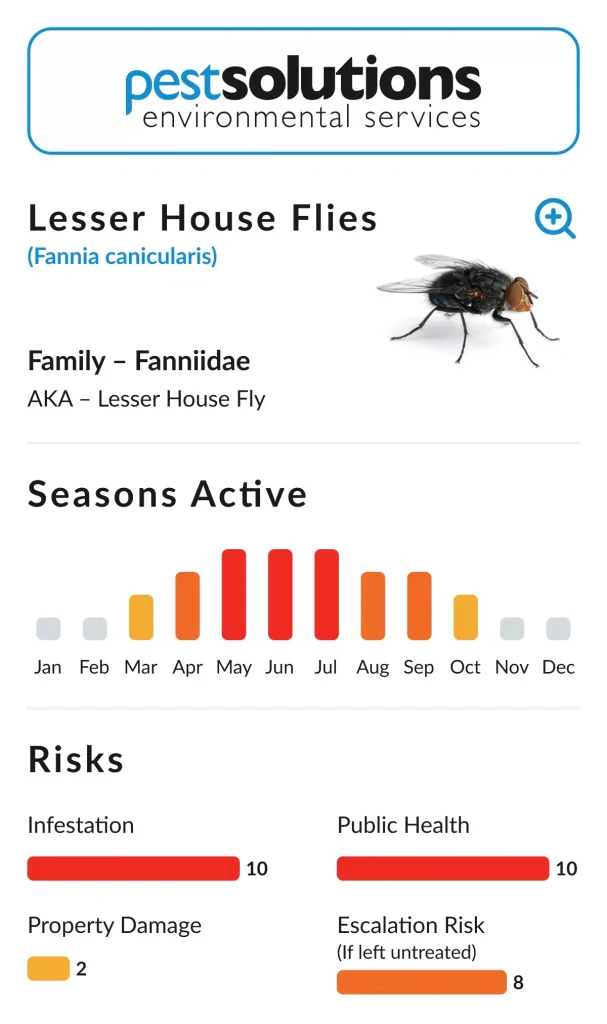
Have you ever wondered why house flies often buzz around your lights, especially at night? If you’re tired of swatting them away or seeing them ruin your peaceful evenings, understanding what really attracts these pesky insects can make a big difference.
You’ll discover whether house flies are truly drawn to light and what that means for keeping your home fly-free. Stick with me, and you’ll learn simple, effective ways to protect your space from these unwelcome visitors.
House Flies And Their Behavior
House flies are common insects found in many homes and outdoor spaces. Their behavior is shaped by their need to find food, mates, and shelter. Understanding how house flies act helps explain why they might be attracted to light sources.
These flies have simple eyes that detect movement and shapes. They rely on their senses to navigate and find food. Flies are active during the day and rest at night in dark, quiet places.
Flight Patterns And Movement
House flies fly in short, quick bursts. They avoid strong wind and bright, sudden changes in light. They tend to move toward areas with food smells or warmth.
Feeding Habits
House flies eat liquid or soft food. They use their mouthparts to suck up liquids. They are attracted to sugary, decaying, or fermenting materials.
Resting And Breeding Sites
Flies like to rest on walls, ceilings, and near food sources. They lay eggs in moist, organic material like garbage or manure. These sites provide food for their larvae.
Response To Light
House flies are drawn to light but not all types equally. They prefer natural light or warm light sources. Bright artificial lights may confuse or repel them.
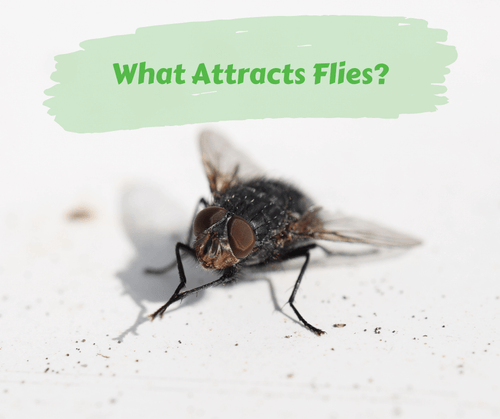
Credit: www.ictineu.net
The Science Behind Light Attraction
House flies often appear near lights, but there is more than just chance behind this behavior. The attraction to light is rooted in how flies respond to their environment. Understanding this helps explain why flies gather around lamps and windows.
Phototaxis Explained
Phototaxis is the movement of an organism toward or away from light. House flies show positive phototaxis. This means they move toward light sources. It helps them find open spaces and escape dark, confined places. Light guides their flight paths and helps them navigate. This natural reaction is hardwired into their nervous system.
Light Spectrum Preferences
House flies do not react equally to all light colors. They are most attracted to ultraviolet (UV) and blue light. These light types resemble natural daylight. Warm colors like red and orange attract them less. Artificial lights with strong UV or blue components pull more flies. This preference influences where flies gather inside homes and outdoors.
Common Myths About Flies And Light
Many people believe house flies are drawn to light sources. This idea seems logical since flies often buzz around lamps and windows. Yet, this belief is not entirely true. It is important to clear up some common myths about flies and light. Understanding these myths helps us control flies better and avoid confusion.
Do Flies Actually Like Light?
Not all flies are attracted to light. House flies mostly look for food, warmth, and moisture. Light itself does not attract them strongly. They may fly near light because it leads to open spaces or warmth. Flies prefer dark, damp places for resting.
Are Flies Drawn To Light At Night?
Many insects come to light at night, but house flies do not. Nighttime light does not attract house flies like moths or beetles. If you see flies near a light at night, they are likely just passing by or searching for food.
Does Light Trap Fly Populations?
Light traps work well for some bugs but are less effective for house flies. House flies respond better to food smells or certain colors. Using light traps alone may not reduce fly numbers much. Combining traps with sanitation is more helpful.
Can Bright Lights Keep Flies Away?
Bright lights do not scare away house flies. Flies are not afraid of light brightness. They avoid flies by using screens, nets, or fly swatters. Bright light may even attract other flying insects, causing more problems.
Credit: medium.com
Factors Influencing Light Attraction
House flies often show attraction to light, but several factors affect this behavior. These factors shape how and why flies move toward light sources. Understanding these influences helps explain their activity patterns.
Environmental Influences
Light attraction in house flies depends on the environment around them. Bright lights in dark areas draw more flies. Outdoor lights, street lamps, and indoor bulbs all play roles.
Temperature also matters. Flies prefer warmer conditions and may seek light to find warmth. Humidity levels can affect their activity too. Dry or very wet surroundings can reduce their movement.
The type of light influences attraction. Flies respond more to ultraviolet and blue light. Yellow or red lights attract fewer flies. This is because their eyes are more sensitive to certain wavelengths.
Time Of Day Considerations
House flies are mostly active during daylight hours. They use natural sunlight to navigate. As the sun sets, their activity decreases. Artificial lights become more noticeable then.
At night, flies may gather near light sources indoors. This is because natural light is absent. Early morning and late afternoon see the highest fly movement outdoors.
Seasonal changes impact their daily routines. Longer daylight in summer means more fly activity. Shorter days in winter reduce their presence near lights.
Comparing Flies With Other Insects
Understanding how house flies react to light compared to other insects can help you better manage your indoor environment. Different insects have unique behaviors around light sources, which affect how you might control or avoid them. Let’s see how flies stack up against some common light-loving bugs.
Differences In Light Attraction
House flies are generally less attracted to light than many other insects. While they may be seen near windows during the day, they don’t swarm around artificial lights like moths or beetles do at night.
Flies rely more on smells and food sources than on light cues. This means that simply turning off the lights might not keep flies away as effectively as it does for other insects.
Have you noticed flies buzzing around your food even in a well-lit room? That’s because their attraction is driven by scents rather than brightness.
Similarities With Moths And Beetles
Despite their differences, flies share some traits with moths and beetles in their response to light. For example, both flies and these insects use natural light to navigate during the day.
Some species of flies can be drawn to ultraviolet light, much like moths and certain beetles. This similarity is why UV light traps sometimes catch flies alongside other bugs.
Understanding these overlaps helps you choose the right pest control methods. Instead of relying solely on light traps, combining them with other tactics, like scent-based repellents, can improve results.
Implications For Pest Control
Understanding that house flies are attracted to light changes how you might approach pest control in your home or workspace. This attraction can be used to your advantage, but it also means that poor lighting choices might increase fly problems. Knowing the right tools and methods can help you reduce the fly population effectively without wasting effort or resources.
Effective Light-based Traps
Light-based traps use ultraviolet (UV) or blue light to lure flies in. Once attracted, flies get trapped on sticky boards or zapped by an electric grid. These traps work best in dark areas where the light stands out, so placing them in dim corners or near entry points can catch more flies.
However, not all light traps are equal. Some emit a light that flies find irresistible, while others might barely catch any. You want to choose traps with proven UV bulbs designed specifically to attract house flies.
- Position traps away from competing light sources.
- Regularly clean or replace sticky boards to maintain effectiveness.
- Place traps near windows, doors, or garbage areas where flies often gather.
Alternative Control Methods
If light traps alone don’t solve your problem, combining them with other methods can make a difference. Using fly screens on windows and doors keeps flies out while reducing the need for chemical sprays.
Sanitation plays a huge role too. Flies breed in trash, food scraps, and damp areas. Removing these breeding spots cuts down fly populations naturally. You might also consider natural repellents like essential oils or vinegar traps to complement your strategy.
Have you tried changing your outdoor lighting to warmer tones? Some people find that yellow or orange lights attract fewer flies. Experimenting with light color could reduce fly visits without extra effort.
Surprising Discoveries In Recent Studies
Recent studies have challenged common beliefs about house flies and their attraction to light. These surprising discoveries reveal that the relationship between flies and light is more complex than just simple attraction. Understanding these findings can help you better manage fly presence in your home or workspace.
House Flies Prefer Certain Light Wavelengths
Research shows that house flies are not attracted to all types of light equally. They respond strongly to ultraviolet (UV) light, which is invisible to the human eye but common in sunlight and some artificial lights.
This preference explains why flies often gather near windows during the day. If you’ve ever noticed flies buzzing around a UV bug zapper, you now know why it’s effective.
Light Intensity Affects Fly Behavior
It’s not just the type of light, but also its brightness that influences fly activity. Flies tend to avoid overly bright lights, preferring moderate light levels instead.
This means that simply turning on a bright light to scare flies away may not work. Instead, using dimmer, UV-emitting lights could be a smarter strategy for controlling them.
Flies Use Light For Navigation, Not Just Attraction
Scientists discovered that house flies use light cues to orient themselves and navigate rather than being attracted to light sources indiscriminately.
This insight changes how you might think about fly behavior. It suggests flies may enter your home following light paths rather than being drawn directly to lamps or bulbs.
Time Of Day Influences Fly Response To Light
House flies’ reaction to light changes depending on the time of day. They are most responsive to light during early morning and late afternoon.
If you’ve noticed flies being more active at dawn or dusk, this explains why. Adjusting your use of outdoor lighting during these times could help reduce fly activity near your home.
Practical Tips Based On These Discoveries
- Use UV light traps to lure and capture flies effectively.
- Avoid bright white lights in areas where you want to minimize fly presence.
- Limit outdoor lighting during early morning and late afternoon to reduce fly attraction.
- Consider the placement of lights to disrupt flies’ navigation paths.
Knowing these surprising facts about flies and light can help you take smarter steps to keep them under control. What changes will you try first to make your space less inviting to these pesky visitors?
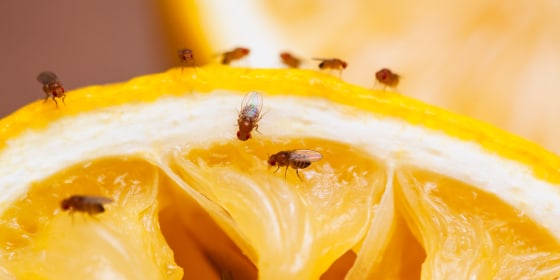
Credit: www.nbcnews.com
Frequently Asked Questions
Are House Flies Attracted To Light Sources?
Yes, house flies are naturally attracted to light. They use light to navigate and often gather near windows or lamps, especially at night.
Why Do Flies Prefer Sunlight Over Artificial Light?
Flies are more attracted to sunlight because it helps them find food and mates. Artificial light is less intense but still draws them indoors.
Can Light Traps Effectively Catch House Flies?
Yes, light traps lure flies using UV light. Once attracted, flies get trapped or electrocuted, making these traps effective for fly control.
Do Different Light Colors Affect House Fly Attraction?
Yes, flies respond differently to light colors. Blue and UV lights attract more flies compared to red or yellow lights.
Conclusion
House flies often move toward light sources, but not always. They seek warmth and food, not just brightness. Light can guide them, especially at night. Understanding their behavior helps control their presence at home. Simple steps like using screens and keeping areas clean reduce flies.
Knowing why flies are drawn to light makes managing them easier. Keep lights off when not needed to avoid attraction. Small changes can make a big difference in fly control.