

Are you ready to build a home that cares for you and the planet? Choosing an eco friendly home building company means more than just bricks and mortar—it’s about creating a space that saves energy, reduces waste, and improves your health.
Imagine living in a house designed to lower your bills and leave a smaller footprint on the earth. This article will show you how the right company can turn that dream into reality. Keep reading to discover the benefits and smart choices that make an eco friendly home the best investment you’ll ever make.

Credit: falconheights.ca
Eco Friendly Building Materials
Eco friendly building materials are key to creating homes that protect the planet. These materials reduce waste, use less energy, and often come from renewable sources. Choosing the right materials helps lower the home’s carbon footprint and improves indoor air quality.
Sustainable Wood And Bamboo
Sustainable wood comes from forests managed to grow new trees fast. This process keeps forests healthy and ensures supply for the future. Bamboo grows quickly and is very strong, making it a smart choice for floors and walls. Both materials are natural, biodegradable, and add warmth to a home.
Recycled Steel And Concrete
Steel and concrete are common in building but use lots of energy to produce. Using recycled steel cuts down on mining and reduces waste. Recycled concrete can be crushed and reused in new projects. These materials keep large amounts of debris out of landfills and save natural resources.
Natural Insulation Options
Natural insulation helps keep homes warm or cool without harming the environment. Options include wool, cotton, and cellulose made from recycled paper. These materials breathe well and reduce the need for heating and cooling. They also avoid harmful chemicals found in some synthetic insulators.
Credit: www.builderonline.com
Energy Efficient Design
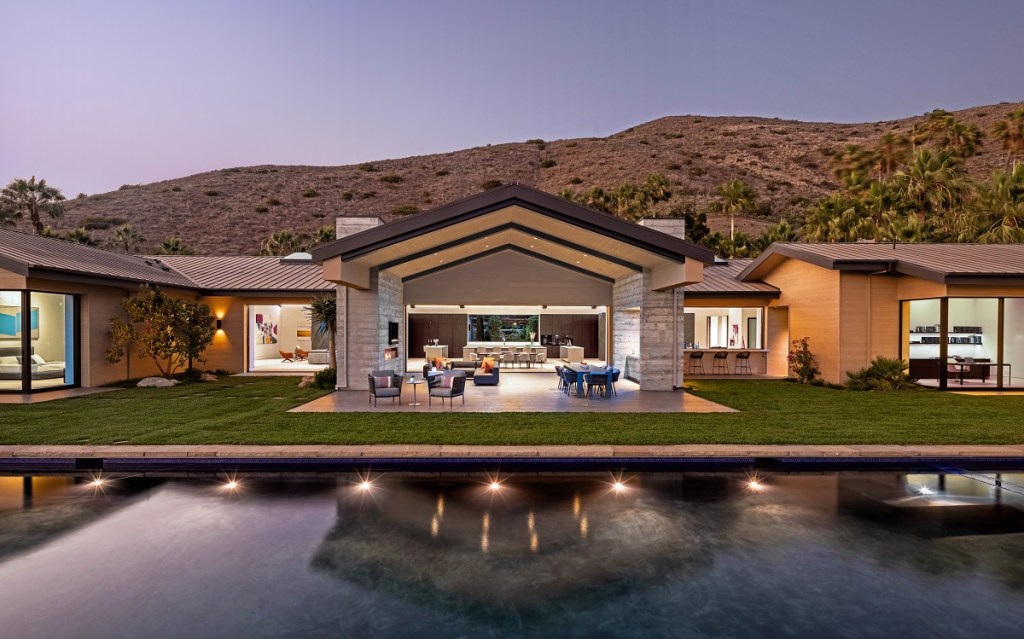
Energy efficient design is key for an eco friendly home building company. It lowers energy use and cuts costs. Homes stay comfortable year-round. Good design balances nature and technology. It helps reduce a home’s carbon footprint. This saves resources and protects the environment.
Passive Solar Heating
Passive solar heating uses the sun’s energy without machines. Homes face the sun to catch light and warmth. Thick walls and floors absorb heat during the day. At night, this heat slowly releases inside. Proper window placement lets sunlight in while blocking cold winds. This design cuts heating bills in winter.
High Performance Windows
High performance windows keep heat inside and cold outside. They use special glass and frames to stop heat loss. Double or triple panes trap air for extra insulation. These windows also reduce noise and block UV rays. They improve home comfort and lower energy use all year.
Smart Home Energy Systems
Smart home energy systems control electricity use with technology. They adjust heating, cooling, and lighting based on needs. Sensors detect when rooms are empty and turn off lights. Programmable thermostats keep temperatures steady without waste. These systems save energy and make homes easier to manage.
Water Conservation Techniques
Water conservation is a key focus for any eco-friendly home building company. Saving water not only lowers utility bills but also helps protect our environment. Small changes in how you manage water can make a big difference over time.
Rainwater Harvesting
Collecting rainwater from your roof and storing it for later use is an efficient way to reduce reliance on municipal water. You can use harvested rainwater for watering plants, flushing toilets, or even washing your car. Installing simple gutters and storage tanks makes this technique easy to set up and maintain.
Have you thought about how much rainwater could be captured right from your home? Even a small tank can save hundreds of gallons each month.
Greywater Recycling
Greywater comes from sinks, showers, and washing machines. Instead of letting it go to waste, you can filter and reuse it for irrigation or toilet flushing. This reduces the demand on fresh water supplies and lowers your water bill.
Systems for greywater recycling range from simple DIY setups to advanced plumbing solutions. Which option fits your lifestyle and budget?
Low Flow Fixtures
Switching to low flow faucets, showerheads, and toilets helps cut water use without sacrificing comfort. These fixtures limit water flow but maintain good pressure, so you barely notice the difference. Plus, they pay for themselves quickly through savings.
Consider replacing older fixtures in your home. How much water could you save each day by making this simple change?
Waste Reduction Strategies
Waste reduction is a key focus for any eco-friendly home building company. Cutting down on waste not only saves resources but also lowers costs and minimizes environmental impact. You might be surprised how small changes in the building process can lead to significant waste savings.
On-site Waste Management
Handling waste directly on the construction site helps keep materials organized and reduces unnecessary disposal. Separate bins for wood, metal, and general waste make it easier to sort and reuse materials. This simple step prevents recyclable items from ending up in landfills.
Think about how much waste you generate during a home project. Would setting up clear waste stations change your routine? Many builders find that this approach also boosts worker awareness about waste reduction.
Recycling Construction Debris
Not all waste is garbage—many materials like concrete, bricks, and metals can be recycled into new products. Partnering with recycling centers ensures these materials get a second life. This cuts down on the need for new raw materials and reduces landfill use.
Imagine turning leftover bricks into paving stones or crushed concrete for road base. What if your next home could be built with materials salvaged from a previous project? Recycling construction debris makes this possible and supports a circular economy.
Modular Building Approaches
Modular construction cuts waste by manufacturing parts in a factory setting with precise measurements. This controlled environment reduces offcuts and errors that happen on traditional sites. You get faster builds with less mess to clean up.
Have you noticed how much packaging waste comes with traditional building materials? Modular units often arrive ready to install, minimizing excess materials. This approach can save time, money, and the environment all at once.
Health And Indoor Air Quality
Health and indoor air quality are vital for a comfortable home. Poor air quality causes allergies, headaches, and respiratory issues. An eco-friendly home building company focuses on reducing harmful chemicals and improving ventilation. This creates a safer living environment. Fresh air and natural light boost mood and energy. These homes promote wellness and sustainability.
Non-toxic Paints And Finishes
Eco-friendly homes use paints with low or no volatile organic compounds (VOCs). These paints release fewer harmful fumes. They improve indoor air quality and reduce health risks. Natural finishes made from plant oils or water-based materials replace harsh chemicals. These choices protect your family and the environment.
Ventilation Systems
Good ventilation removes indoor pollutants and moisture. Eco-friendly homes install advanced systems that bring fresh air inside. Heat recovery ventilators save energy while exchanging air. Proper airflow prevents mold growth and allergens. This creates a clean and healthy indoor atmosphere.
Use Of Natural Light
Natural light reduces the need for artificial lighting. It lowers energy use and creates a warm, inviting space. Large windows and skylights bring sunlight indoors. Sunlight helps regulate sleep patterns and improves mood. Thoughtful home design maximizes daylight without causing heat gain.
Community And Environmental Impact
Building an eco-friendly home goes beyond just using green materials. It deeply affects the community and the environment. Choosing sustainable practices helps protect nature and supports local economies. These actions create a positive ripple effect that benefits everyone.
Local Sourcing Of Materials
Using materials from nearby sources cuts down on transportation emissions. It also boosts the local economy by supporting small businesses. Local materials often match the climate and environment better. This leads to longer-lasting and more efficient homes.
Supporting Biodiversity
Eco-friendly builders protect plants and animals around construction sites. They avoid harming natural habitats and use native plants in landscaping. This helps keep the ecosystem balanced and healthy. Supporting biodiversity also makes neighborhoods greener and more beautiful.
Reducing Carbon Footprint
Every step in the building process matters for carbon emissions. Using energy-efficient designs and renewable energy lowers the home’s carbon footprint. Recycling waste and minimizing material use also help. These efforts slow down climate change and create cleaner air for all.
Innovative Technologies In Eco Homes
Innovative technologies transform eco homes into efficient and sustainable living spaces. These advancements reduce energy use and lower environmental impact. They enhance comfort while saving money on utility bills. Each technology plays a crucial role in creating a greener home.
Solar Panels And Energy Storage
Solar panels capture sunlight and convert it into electricity. This clean energy powers homes without harmful emissions. Energy storage systems store excess power for use at night or on cloudy days. This setup ensures a steady energy supply and lowers reliance on the grid. Solar technology helps homeowners reduce their carbon footprint effectively.
Smart Home Automation
Smart home systems control lighting, heating, and appliances automatically. Sensors adjust settings based on occupancy and time of day. This reduces wasted energy and improves comfort. Homeowners can monitor and manage energy use from their phones. Automation creates an efficient, responsive, and eco-friendly living environment.
Green Roofs And Living Walls
Green roofs are covered with plants that cool buildings naturally. They improve air quality and reduce rainwater runoff. Living walls add greenery to vertical spaces, enhancing insulation. Both features support biodiversity in urban areas. These natural elements create healthier and more sustainable homes.
Credit: www.finehomebuilding.com
Cost Benefits Of Eco Friendly Homes
Choosing to build an eco friendly home not only helps the environment but also offers significant cost advantages. These savings come from smarter energy use, better property appeal, and even financial support from the government. Understanding these benefits can help you make a well-informed decision about your next home.
Lower Utility Bills
Eco friendly homes often use energy-efficient appliances and better insulation, which reduce heating and cooling costs dramatically. Solar panels can cut electricity bills, sometimes to nearly zero. I once helped a family who saw their monthly utility costs drop by 40% after switching to an eco friendly design—imagine what that could mean for your budget.
Increased Property Value
Homes built with green features tend to attract buyers willing to pay more. Features like energy-efficient windows, sustainable materials, and smart home systems add real value. Would you pay extra for a home that promises lower bills and a smaller environmental footprint? Many buyers say yes, making your investment smarter.
Government Incentives
Many governments offer tax credits, rebates, or grants to encourage eco friendly building. These incentives can offset initial construction costs significantly. Before you start building, check local programs—you might qualify for financial help that makes your dream home more affordable.
Frequently Asked Questions
What Defines An Eco Friendly Home Building Company?
An eco friendly home building company uses sustainable materials and energy-efficient techniques. They minimize environmental impact and reduce waste. Their focus is on green construction practices that promote health and conserve resources.
How Do Eco Friendly Homes Save Money Long-term?
Eco friendly homes reduce utility bills with solar panels, insulation, and efficient appliances. They lower maintenance costs by using durable, sustainable materials. These homes often qualify for tax credits and incentives, increasing overall savings.
What Materials Are Common In Eco Friendly Home Building?
Sustainable materials include bamboo, reclaimed wood, recycled steel, and low-VOC paints. These materials reduce pollution and waste. They also improve indoor air quality and increase the home’s energy efficiency.
Are Eco Friendly Homes Healthier To Live In?
Yes, they use non-toxic materials that improve indoor air quality. Proper ventilation and natural lighting reduce allergens and mold. This creates a safer, more comfortable living environment for residents.
Conclusion
Building an eco friendly home helps protect the planet for future generations. It saves energy and reduces waste, which is good for your wallet too. Choosing the right company makes the process easier and more reliable. Small steps in building green homes create big changes over time.
A healthy home means a healthy life for you and your family. Think about the impact your house has on nature. Start with eco friendly choices today and see the difference tomorrow.