
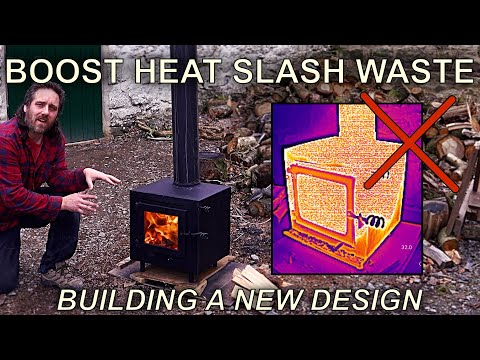
Are you wondering if a wood stove can heat your entire house? It’s a question many homeowners ask when looking for cozy, cost-effective ways to stay warm.
Imagine cutting your heating bills while enjoying the comforting glow of a real fire. But does a wood stove really have the power to keep every room warm, or is it better suited for just one space? Keep reading, because understanding the true heating potential of a wood stove could change the way you think about home heating—and help you make the best choice for your comfort and budget.

Credit: www.tinywoodstove.com
How Wood Stoves Work
Understanding how wood stoves work can help you decide if they’re a good option for heating your whole house. These devices burn wood to produce heat, but the way they spread warmth depends on design and setup. Knowing the basics of heat distribution and the types of stoves available will give you a clearer picture of their potential.
Heat Distribution Basics
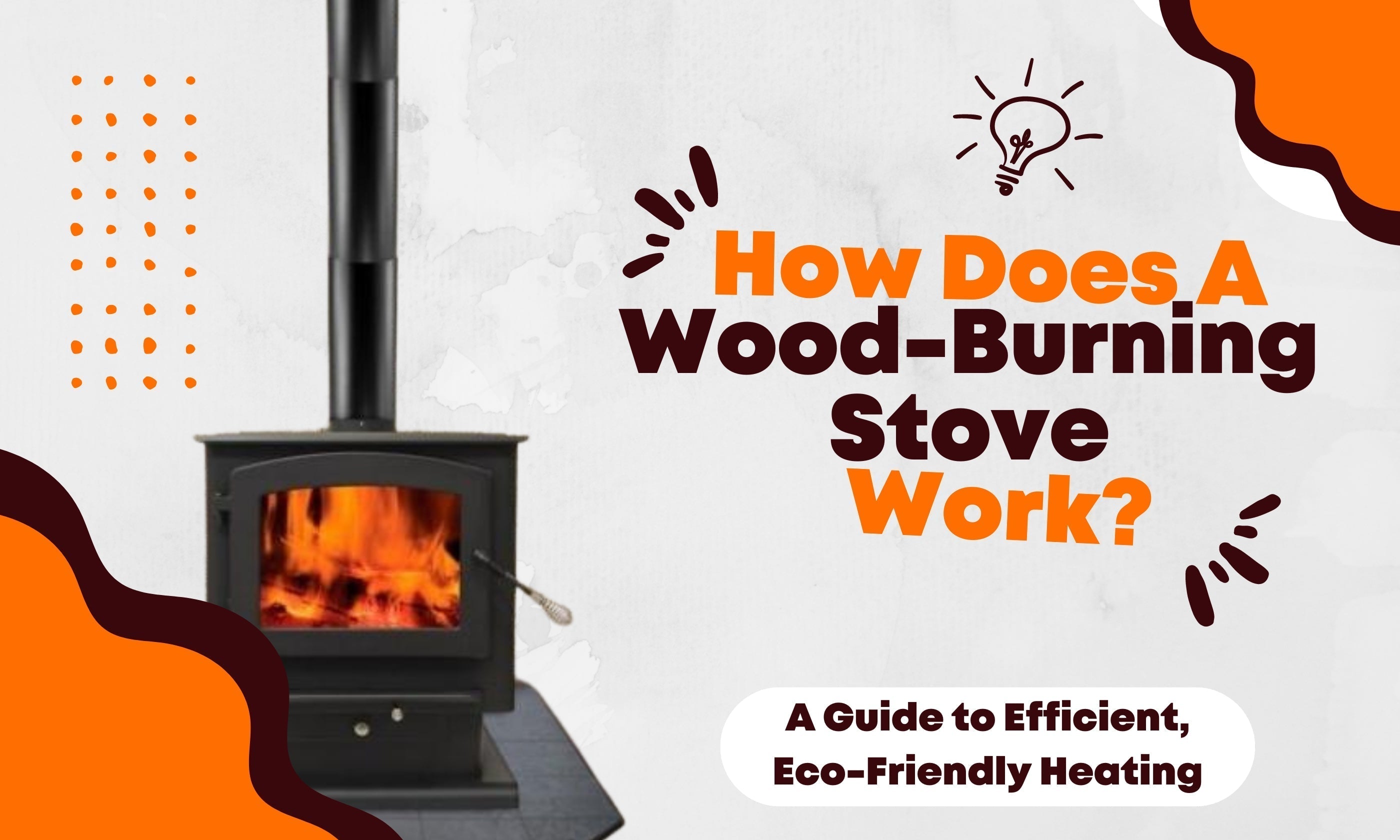
Wood stoves primarily heat through radiation and natural convection. The stove’s surface gets hot and radiates warmth directly to nearby objects and people. At the same time, air around the stove heats up, rises, and circulates, distributing warmth throughout the room.
But how far does this heat travel? Most wood stoves do well heating the room they’re in, but spreading that heat evenly across multiple rooms can be tricky. You might need fans or vents to push warm air into other areas, especially in larger homes.
Think about your house layout. Is it open or compartmentalized? Open spaces allow warm air to flow more freely, while closed rooms might stay cooler unless you use extra methods to move the heat around.
Types Of Wood Stoves
Not all wood stoves work the same way. Here are some common types you might encounter:
- Traditional Wood Stoves:These are simple, cast-iron or steel stoves that radiate heat directly. They’re great for single rooms but may struggle to heat an entire house without additional airflow.
- Fireplace Inserts:Installed into an existing fireplace, these stoves improve efficiency and heat output compared to open fireplaces.
- Catalytic Wood Stoves:Equipped with a catalytic combustor, these stoves burn smoke and gases more completely, producing more heat and less pollution.
- Non-Catalytic Wood Stoves:These rely on a system of baffles and secondary combustion chambers to increase efficiency without a catalyst.
Choosing the right type depends on your heating goals and home setup. For example, catalytic stoves might suit you if you want longer burn times and cleaner air, while traditional stoves are often simpler and less expensive.
Factors Affecting Whole House Heating
Heating your entire home with a wood stove depends on several key factors that influence how well the warmth spreads. Understanding these elements helps you decide if a single stove can meet your heating needs or if you should consider additional sources. Let’s break down what really affects whole house heating.
House Size And Layout
The bigger your home, the harder it is for one wood stove to heat every room evenly. Open floor plans allow heat to flow more easily between spaces, while multiple small rooms with closed doors trap warm air in isolated pockets.
Have you noticed how heat stays near the stove but rooms far away feel chilly? That’s often because heat struggles to travel through walls and closed doors. Measuring your home’s square footage and noting how rooms connect can help you estimate if one stove is enough.
Insulation And Airflow
Good insulation keeps warm air inside and cold air out. Without it, heat escapes quickly, making your wood stove work harder. Check your walls, attic, and windows—if they’re drafty or thin, you lose a lot of warmth.
Airflow also plays a role. Proper ventilation helps distribute heat but too much airflow can cool your home down. Think about how air moves in your house and whether you can adjust vents or add fans to spread warmth better.
Stove Placement
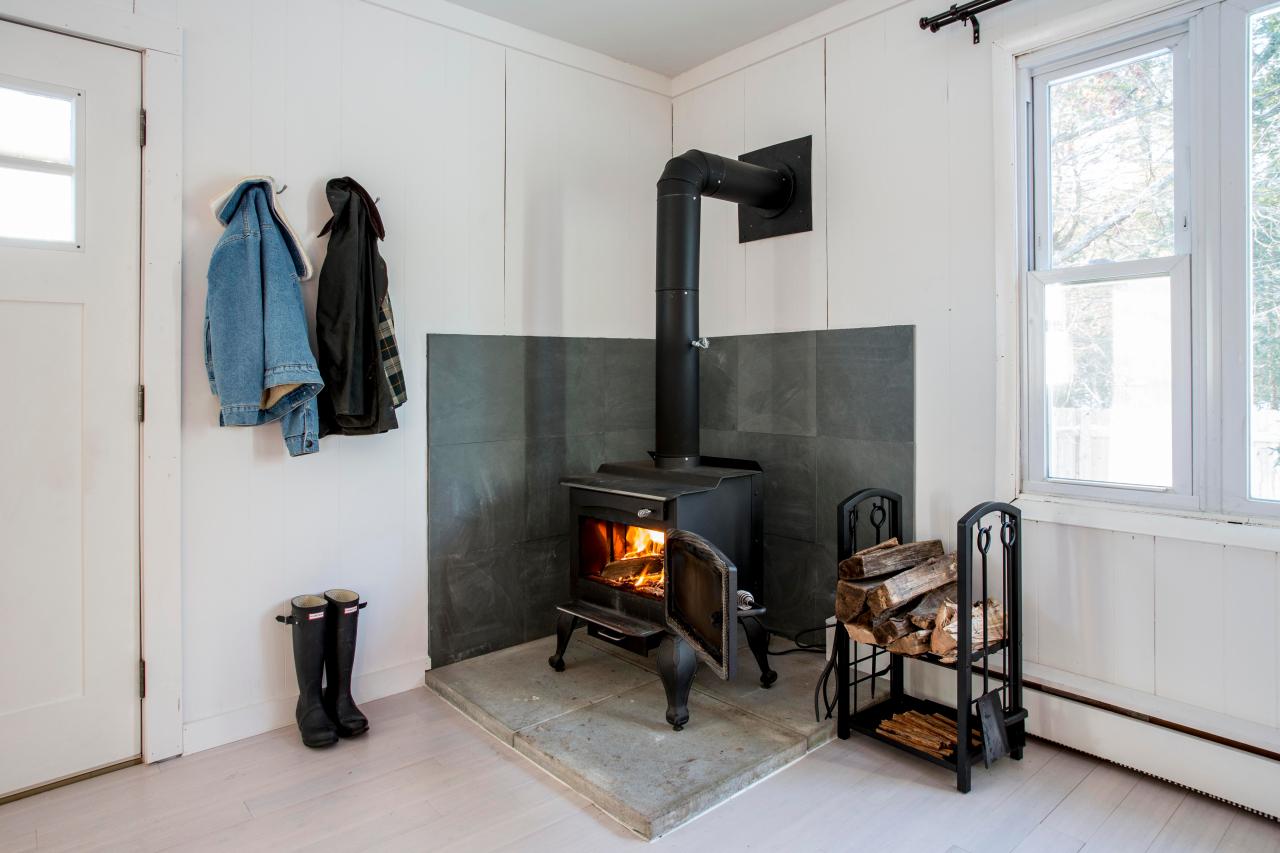
Where you put your wood stove can change everything. Placing it in a central spot usually heats more of your home than tucking it away in a corner. Heat naturally radiates outward, so the more open space around the stove, the better.
Consider spots near frequently used rooms or areas where cold drafts enter. Sometimes moving the stove just a few feet can improve heat coverage dramatically. Have you tried rearranging furniture or opening doors to help heat flow?
Choosing The Right Wood Stove
Choosing the right wood stove is key if you want to heat your entire house efficiently and safely. The wrong stove can leave some rooms chilly or cause your heating bills to skyrocket. Let’s break down what matters most when picking a stove that fits your home and lifestyle.
Stove Size And Capacity
Size really matters when it comes to wood stoves. A stove that’s too small won’t produce enough heat to warm your whole house. On the other hand, a stove that’s too large can waste fuel and overheat your space.
Consider the square footage of your home and your insulation quality. Most manufacturers provide guidelines on the area their stoves can effectively heat. Think about how cold your winters get and if you want to heat multiple rooms or just a central space.
Fuel Efficiency
Fuel efficiency affects how much wood you’ll need and how often you’ll have to refill the stove. A stove with a high efficiency rating burns wood more completely, producing more heat and less smoke.
Look for EPA-certified stoves—they meet strict standards for emissions and efficiency. You’ll save money and reduce pollution, which benefits your neighborhood and the environment. Have you noticed how some stoves leave a lot of ash behind? That’s a sign of poor efficiency.
Safety Features
Heating your home with wood means you must prioritize safety. Choose stoves with built-in features like cool-touch handles and airtight doors to prevent sparks and accidental burns.
Check if the stove has proper ventilation options and a secure chimney connection. Installing smoke and carbon monoxide detectors near the stove is non-negotiable. Are you confident your current setup protects your family from fire hazards?
Maximizing Heat Efficiency
Maximizing heat efficiency in a wood stove helps warm your entire home better. A well-maintained stove and the right fuel make the heat last longer. Airflow inside the house also spreads warmth evenly. Small changes in how you use your stove can save fuel and improve comfort.
Using Proper Wood
Choose dry, seasoned wood for the best heat output. Wood should be cut and stored for at least six months. Avoid green or wet wood because it burns poorly and creates smoke. Hardwoods like oak and maple provide longer, hotter fires. Softwoods burn faster and produce less heat.
Maintaining The Stove
Clean the stove regularly to keep it working well. Remove ash buildup to improve airflow and burning efficiency. Check the door seals to prevent heat from escaping. Inspect the chimney and clean it yearly to avoid blockages. A clean stove uses less wood and produces more heat.
Optimizing Air Circulation
Good airflow spreads heat throughout your home. Use fans to push warm air to colder rooms. Keep doors open between rooms for free movement of air. Place the stove in a central location for better heat reach. Avoid blocking vents or air pathways that help circulate warmth.
Supplementing Heat Sources
Supplementing heat sources helps improve home warmth and comfort. A wood stove alone might not spread heat evenly. Using other heat systems can balance temperatures. Small adjustments make a big difference in heating efficiency.
Combining With Other Heating Systems
Pairing a wood stove with a furnace or heat pump provides steady warmth. The wood stove offers cozy heat in main rooms. Other systems handle colder areas or times when the stove is off. This mix saves energy and keeps the house warm.
Some homes use electric heaters or baseboards alongside wood stoves. These add warmth in bedrooms or bathrooms. This setup prevents cold spots and keeps the whole house comfortable.
Using Fans And Vents
Fans and vents move warm air from the stove to other rooms. Ceiling fans push warm air down in winter. Portable fans help circulate heat through hallways. Venting systems can pull hot air into distant spaces.
Using these tools spreads warmth faster and reduces cold zones. This approach helps the wood stove heat more than just one room. It also improves airflow and prevents heat from getting trapped.
Credit: www.firepitsurplus.com
Common Challenges And Solutions
Using a wood stove to heat your entire home comes with its share of challenges. Understanding these common issues helps you find effective solutions that make your heating system more comfortable and efficient. Let’s look at some typical problems and how you can tackle them.
Cold Spots In The House
Cold spots often appear in rooms farthest from the wood stove. This happens because heat naturally rises and stays close to the source. You might notice some areas feel warm while others remain chilly.
To fix this, consider using fans or heat-powered stove fans that circulate warm air. Opening interior doors can also help heat flow more evenly. Have you tried placing a small fan strategically to push warm air into cold rooms?
Smoke And Ventilation Issues
Smoke backing up into your room is a frustrating problem that can ruin the cozy feeling of a wood stove. Poor ventilation or a blocked chimney often causes this issue. It’s important to keep your chimney clean and check for any blockages regularly.
Installing a proper chimney cap and ensuring the flue is correctly sized can improve draft and reduce smoke. Also, burning dry, seasoned wood minimizes smoke production. Are you paying attention to the type of wood you use and how often you clean your stove and chimney?
Wood Storage And Handling
Storing wood properly is crucial for efficient burning and safety. Wet or poorly stored wood produces less heat and more creosote buildup, which can lead to chimney fires. You need a dry, well-ventilated space to keep your wood ready for burning.
Stack wood off the ground and cover the top to protect it from rain, but leave the sides open for airflow. Handling wood carefully also prevents injury and keeps your woodpile organized. How do you currently store your wood, and could small changes improve your stove’s performance?
Cost And Environmental Impact
Understanding the cost and environmental impact of using a wood stove to heat a whole house is essential. Wood stoves offer an alternative to electric or gas heating. Assessing fuel costs and emissions helps make a smart choice for your home and the planet.
Fuel Costs
Wood is often less expensive than other heating fuels. Prices vary by location and season. Buying wood in bulk usually lowers costs. You can also use local wood sources, reducing expenses further.
Storing wood properly keeps it dry and efficient. Wet wood burns poorly and wastes fuel. A well-maintained stove maximizes heat output and saves money. Expect some initial costs for stove purchase and installation.
Emissions And Eco-friendliness
Wood stoves emit smoke and gases when burning fuel. Modern stoves are designed to burn wood cleaner and more efficiently. This reduces harmful emissions compared to older models.
Wood is a renewable resource if harvested responsibly. Burning wood releases carbon dioxide, but trees absorb CO2 as they grow. This can balance out emissions over time.
Proper stove use and regular maintenance minimize pollution. Avoid burning treated or painted wood to reduce toxins. Consider local air quality rules before installing a wood stove.
Credit: clearingfarm.com
Frequently Asked Questions
Can A Wood Stove Heat An Entire House?
Yes, a wood stove can heat an entire house with proper placement and insulation. Choose the right size stove to match your home’s square footage. Efficient distribution of heat through fans or ductwork enhances performance. Regular maintenance and using seasoned wood improve heating efficiency.
How To Distribute Heat From A Wood Stove?
To distribute heat effectively, use ceiling fans or floor vents. These help circulate warm air throughout the house. Consider installing a heat-powered stove fan to push warm air further. Ensuring open doors and proper ventilation aids in better heat distribution across rooms.
What Size Wood Stove Do I Need?
The size of the wood stove depends on your home’s square footage and insulation. Measure your space and consult with a professional to determine the right BTU output. A correctly sized stove ensures efficient heating and prevents overheating or underheating.
Are Wood Stoves Energy Efficient?
Wood stoves are energy efficient when used correctly. Modern stoves have high efficiency ratings, often over 70%. They burn wood completely, reducing waste and emissions. Using seasoned wood and maintaining the stove enhances efficiency, making them a cost-effective heating option.
Conclusion
A wood stove can heat a whole house, but it depends on several factors. The size of the stove and the house matter a lot. Proper placement and good air circulation help spread the heat. Regular wood stove maintenance keeps it working well.
Using dry, seasoned wood increases heat output. Wood stoves offer a cozy, natural warmth that many enjoy. Consider your home’s layout and insulation before relying on one stove. With the right setup, a wood stove can warm your entire home efficiently.