
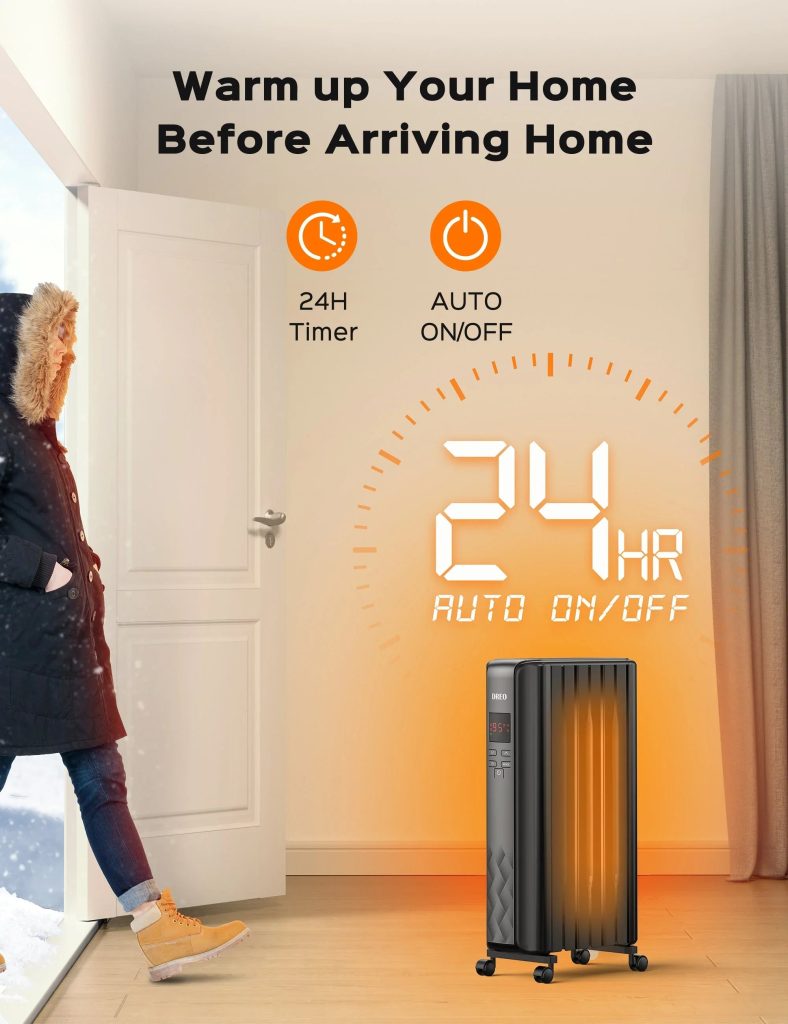
Are you feeling the chill creeping into your home? Knowing how to turn on your house heater quickly can make all the difference between shivering and feeling cozy.
You don’t want to waste time guessing or fumbling with complicated controls when the cold hits. This guide will walk you through simple, clear steps to get your heater running fast, so you can enjoy warmth and comfort without any hassle.
Ready to beat the cold and make your home inviting? Let’s dive in.
Check Your Heater Type
Before turning on your house heater, it is important to check the heater type. Different heaters operate in unique ways and require specific steps to start. Knowing your heater type helps avoid confusion and ensures safe use.
Heaters fall into a few common categories. These include central heating systems, space heaters, and wall or baseboard units. Identifying the correct type makes controlling your home’s warmth easy and effective.
Identify Central Heating
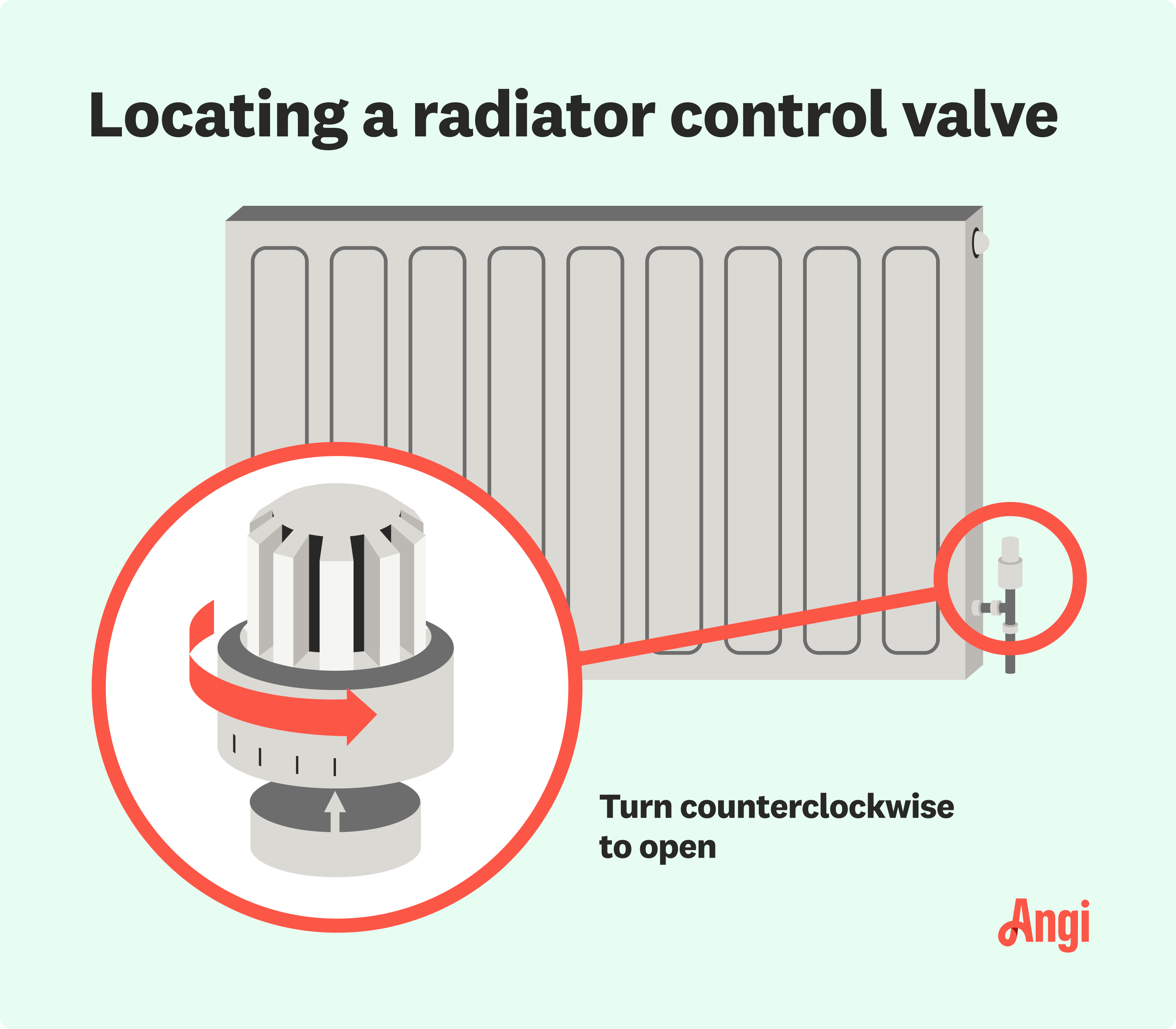
Central heating uses one main system to heat the entire house. It often runs on gas, electricity, or oil. Look for a thermostat on the wall, which controls the temperature. The heat comes from vents or radiators throughout your home.
Locate Space Heaters
Space heaters are portable and heat single rooms. They plug into electrical outlets or use fuel like propane. These heaters usually have control knobs or digital buttons on the unit. They are easy to move and use only when needed.
Find Wall Or Baseboard Units
Wall or baseboard heaters attach directly to the room’s walls or baseboards. They use electric heating elements or hot water pipes. Look for slim, long units near the floor or along walls. Controls may be on the unit or via a wall thermostat.
Prepare The Heater
Preparing your house heater before turning it on is crucial for safety and efficiency. Taking a few moments to get your heater ready can prevent accidents and improve its performance. Let’s look at some simple but important steps you should take to prepare your heater.
Clear Surrounding Area
Make sure there is enough space around your heater. Remove any flammable items like paper, curtains, or furniture at least three feet away.
Clutter near the heater can block airflow or cause fires. Have you checked your room lately to see if anything is too close to the heater?
Inspect For Damage
Take a close look at your heater for any visible damage before switching it on. Look for cracks, broken parts, or frayed wires that could cause problems.
Even a small issue can turn into a safety hazard. If you spot anything unusual, it’s best to get it repaired before use.
Ensure Proper Ventilation
Good airflow is essential for your heater to work safely. Keep windows slightly open or use vents to avoid buildup of carbon monoxide or other harmful gases.
Have you ever felt stuffy or noticed strange smells when your heater runs? That’s a sign you need better ventilation for your safety and comfort.
Power On The Heater
Powering on your house heater is the first step to creating a warm and cozy environment. Different heaters have different controls, but most are simple to operate. Understanding how to turn on the heater ensures comfort during cold days without hassle or delay.
Use The Thermostat
The thermostat controls the heater automatically by sensing the room temperature. Set the thermostat to your desired temperature. The heater will power on when the room gets colder than that setting. Adjusting the thermostat allows precise temperature control and saves energy.
Manual Switch Activation
Many heaters have a manual switch or button for direct power control. Look for a clearly marked switch on the heater’s body or near its base. Flip the switch to the “on” position. This method gives instant heat without waiting for temperature changes.
Remote Control Options
Some modern heaters come with a remote control for easy operation from a distance. Use the remote to power on the heater and adjust settings like temperature and fan speed. This option adds convenience and allows quick changes without moving around the room.

Credit: www.jccomfort.com
Adjust Temperature Settings
Adjusting the temperature settings on your house heater is key for comfort and energy use. Proper control helps maintain a cozy home and lowers utility bills. Simple changes to the thermostat make a big difference in warmth and efficiency.
Set Desired Warmth
Choose a temperature that feels comfortable but not too hot. Most people find 68°F (20°C) ideal during the day. At night, lowering the temperature by a few degrees saves energy and still keeps you warm. Avoid setting the heater too high; it wastes power and can dry out the air.
Use Programmable Features
Many heaters have programmable thermostats. These let you set different temperatures for different times. For example, lower the heat while you are away or asleep. Then, raise it before you return or wake up. Programming keeps your home warm only when needed, saving money.
Optimize Energy Efficiency
Keep doors and windows closed to trap heat inside. Use curtains to reduce heat loss through windows at night. Check the heater filter and clean it regularly for better airflow. Set your thermostat to the lowest comfortable setting. These small steps help your heater work smarter and use less energy.
Safety Tips While Heating
Heating your home brings comfort, especially on chilly days, but safety should always be your top priority. Ignoring safety tips can lead to accidents, damage, or even fires. Paying attention to simple precautions helps you enjoy warmth without worry.
Avoid Overloading Circuits
Plugging too many devices into one outlet can cause circuits to overload and trip, or worse, start a fire. Always check the wattage of your heater and ensure the outlet can handle it without strain.
If you’ve ever experienced flickering lights or a burning smell near your heater, that’s a warning sign to stop using that outlet immediately. Consider using a dedicated circuit for your heater to reduce risks.
Keep Flammable Items Away
Heaters can get very hot quickly, so keep anything that can catch fire at least three feet away. This includes curtains, papers, blankets, and furniture.
Have you ever noticed how quickly a small spark can spread? I learned this the hard way when a curtain near a space heater caught fire. Since then, I keep my space clear and always double-check before turning on the heater.
Regular Maintenance Checks
Regularly inspecting your heater ensures it works efficiently and safely. Dust buildup or worn-out parts can cause malfunctions or hazards.
Set a reminder every season to clean filters, check cords for damage, and test the heater’s function. If you spot any issues, don’t ignore them—get a professional to fix or replace the unit promptly.

Credit: www.angi.com
Troubleshooting Common Issues
Troubleshooting your house heater can save you time and money. Instead of calling a technician immediately, you can often fix common issues yourself. Let’s look closely at some typical problems and how you can address them effectively.
Heater Not Turning On
First, check if the heater is plugged in and the power switch is on. Sometimes, a tripped circuit breaker or blown fuse can stop the heater from working, so inspect your home’s electrical panel.
If your heater has a thermostat, make sure it’s set above the current room temperature. A faulty thermostat or a dirty filter can also prevent the heater from starting, so try replacing the batteries or cleaning the filter.
Uneven Heat Distribution
Have you noticed some rooms warmer than others? This could be due to blocked vents or furniture obstructing airflow. Clear any obstructions to allow warm air to circulate freely.
Another cause might be an unbalanced heating system. Adjusting the dampers in your ductwork can help direct more heat to colder rooms.
Unusual Noises Or Smells
Strange sounds like banging, rattling, or squealing often indicate loose parts or motor issues. Tighten any visible screws and listen carefully to locate the source.
Odd smells can signal dust burning off or, in worse cases, electrical problems. If you smell something burning or notice smoke, turn off the heater immediately and call a professional.
Credit: www.angi.com
Frequently Asked Questions
How Do I Turn On My House Heater?
To turn on your house heater, locate the thermostat. Set it to “heat” mode and adjust the temperature. Ensure the power switch on the heater is turned on. If you have a gas heater, check that the pilot light is lit.
For electric heaters, ensure they are plugged in.
Why Isn’t My Heater Turning On?
Your heater might not turn on due to a tripped circuit breaker or a blown fuse. Check your thermostat settings and ensure it is on “heat” mode. For gas heaters, verify that the pilot light is lit. If issues persist, consider contacting a professional technician.
What Should I Do If The Heater Blows Cold Air?
If your heater blows cold air, check the thermostat settings. Ensure it is set to “heat. ” Verify the pilot light on gas heaters is lit. Replace the air filter if it’s clogged. If the problem continues, consult a professional technician for further inspection.
How Often Should I Service My Heater?
It’s recommended to service your heater at least once a year. Annual maintenance helps ensure efficient operation and extends the lifespan of your heater. Regular servicing can prevent unexpected breakdowns, saving you time and money. Schedule a professional inspection before the heating season begins.
Conclusion
Turning on your house heater is simple and quick. Start by checking the thermostat settings. Make sure the heater is plugged in and switched on. Adjust the temperature to your comfort level. Always keep safety in mind while using the heater.
Regular maintenance helps your heater work better and last longer. Staying warm inside is easy once you know these steps. Enjoy a cozy home during cold days. Keep your family comfortable with a properly working heater. Stay safe and warm all winter long.