
Is your house heater still running even though you don’t need it? Leaving it on can waste energy and raise your bills.
Knowing how to turn off your house heater quickly and safely is something everyone should master. You’ll discover simple, clear steps to switch off your heater without any hassle. Whether it’s for a quick break or the end of the season, you’ll feel confident managing your heater and saving money.
Keep reading to learn the easy ways to take control of your home’s heating right now.
Locate Your Heater Controls
Before you can turn off your house heater, you need to locate the controls. This might sound simple, but heater controls can be hidden or vary widely depending on the type of system you have. Knowing exactly where these controls are will save you time and prevent frustration.
Check The Thermostat
The most common place to find heater controls is the thermostat on your wall. It usually looks like a small box with a digital or dial display. If you’ve ever adjusted the temperature, you’ve already found it.
Look for buttons or switches labeled “off,” “heat,” or “fan.” Sometimes you need to press a mode button to switch off the heating function. If your thermostat has a touchscreen, explore the menu for power options.
Inspect The Heater Unit
Some heaters have controls directly on the unit itself. This is especially true for portable heaters or older wall-mounted systems. Check the front or side panels for switches or dials.
If you see a power button, that’s often the quickest way to turn off the heater. Be careful with any unfamiliar buttons—some may control settings like timers or fan speed instead of powering off.
Locate The Circuit Breaker Or Fuse Box
If you can’t find controls on the thermostat or heater, the circuit breaker might be your next stop. The breaker or fuse box controls the electrical flow to your heater.
Look for labels like “heater,” “furnace,” or “HVAC” on the breaker panel. Switching off the breaker cuts power to the heater completely. But ask yourself—do you really want to turn off the entire heater circuit, or just adjust the thermostat for comfort?

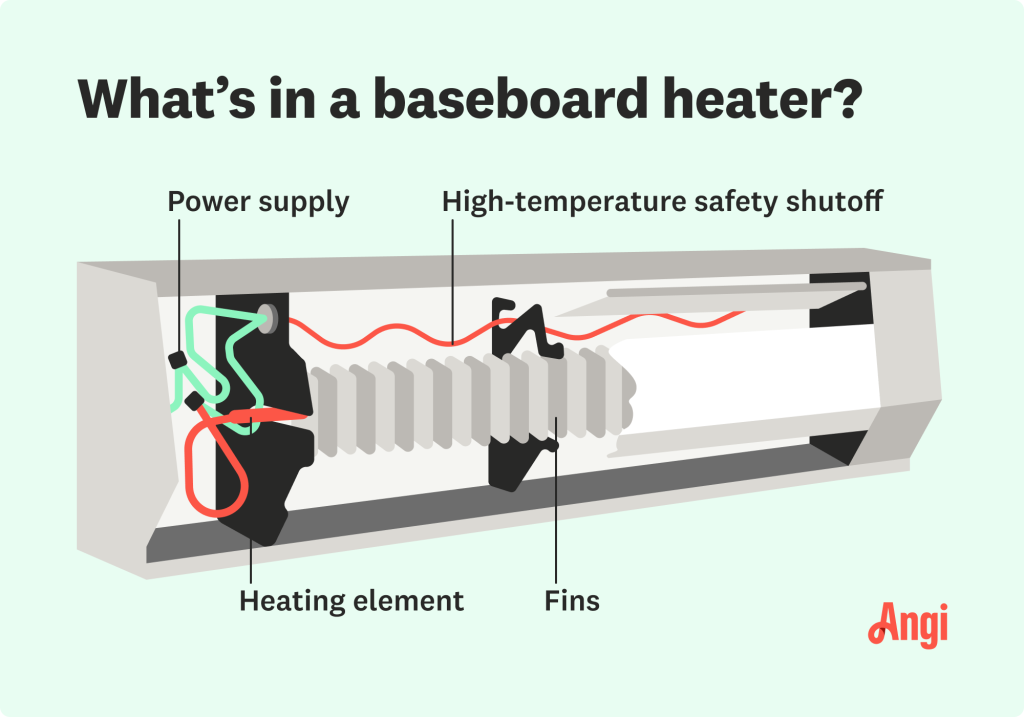
Credit: www.angi.com
Use The Thermostat
The thermostat controls your house heater easily and efficiently. It helps manage the temperature to keep your home comfortable. Using the thermostat to turn off the heater saves energy and lowers bills. Understanding its settings is key to proper use.
Adjusting Temperature Settings
Lower the temperature setting on your thermostat to stop the heater from running. Set it below the current room temperature. The heater will shut off once the room reaches that cooler temperature. This method keeps your system ready to warm the house again if needed.
Setting To ‘off’ Mode
Most thermostats have an ‘Off’ mode that completely stops the heater. Find the mode selector or switch on your device. Change the setting to ‘Off’ to turn off all heating functions. This setting prevents the heater from turning on until you change it back.
Turn Off The Heater Manually
Turning off your house heater manually is often the quickest way to stop it from running, especially if you want to save energy immediately or troubleshoot a problem. Knowing exactly how to do this can prevent unnecessary power use and keep your home safe. Let’s look at simple ways you can switch off the heater yourself without waiting for professional help.
Switching Off The Power
The first and most direct way to turn off a house heater is by switching off its power source. This usually means flipping the circuit breaker or turning off the dedicated switch for the heater in your electrical panel.
Have you checked your breaker box recently? Sometimes the switch might be labeled with the heater’s brand or simply as “heater.” Turning this off cuts power immediately and stops the heater from running.
Be cautious when handling the breaker. If you’re unsure which switch controls the heater, turn off the main power and then turn it back on after confirming the heater is off. This is a safe way to avoid electrical hazards.
Unplugging Portable Heaters
If you use a portable heater, unplugging it is the easiest way to ensure it’s completely off. Unlike built-in systems, portable units simply need to be disconnected from the wall outlet.
Many people forget this simple step and assume turning the heater’s power button off is enough. But some models still draw a small amount of electricity unless unplugged, which can add to your energy bill.
Do you have a portable heater in your bedroom or office? Try unplugging it after use and see if you notice any difference in your energy consumption. It’s a small habit that can lead to big savings over time.
Use Smart Home Devices
Using smart home devices to control your house heater adds convenience and precision to managing your indoor climate. These devices allow you to turn off your heater from anywhere, making it easier to save energy and avoid overheating your space. Let’s look at how you can use these tools effectively.
Controlling Heaters Remotely
Smart thermostats and smart plugs enable you to control your heater remotely via smartphone apps. Imagine being able to turn off your heater while at work or even on vacation, preventing unnecessary energy use. This remote access also means you never have to worry if you forgot to switch off the heater before leaving home.
Many smart home devices offer voice control through assistants like Alexa or Google Assistant. This hands-free option is perfect for those busy moments when you want to adjust your heater without getting up. Have you tried turning off your heater just by speaking? It’s surprisingly handy.
Scheduling Heater Shutoff
Setting schedules for your heater to turn off automatically helps maintain comfort without wasting energy. You can program your heater to switch off during the day when no one is home or at night when temperatures drop below a certain point.
Most smart thermostats offer easy-to-use scheduling features that adapt to your lifestyle. For example, you can create a weekday schedule and a different one for weekends. This flexibility ensures your heater runs only when you need it, saving money and extending the device’s lifespan.
Have you ever considered how much energy you might save by simply programming your heater to shut off at specific times? Smart home devices make this effortless and efficient.
Seal And Insulate Your Home
Sealing and insulating your home helps keep warm air inside. It lowers the need for constant heating. This means you can turn off the house heater more often without feeling cold. Proper sealing and insulation create a cozy space by blocking drafts and stopping heat loss. It also cuts energy waste, saving money and reducing environmental impact.
Reducing Heat Loss
Heat escapes through gaps, cracks, and poor insulation. Sealing doors and windows with weatherstripping stops drafts. Use caulk to fill small cracks in walls and around pipes. Adding insulation in walls, attic, and floors traps heat inside. This keeps the air warm longer. Less heat loss means the heater runs less and uses less energy.
Maximizing Energy Efficiency
Good insulation improves energy use by reducing heater work. Choose insulation materials with high R-values for better heat resistance. Cover windows with thermal curtains to block cold air. Seal vents and ducts to prevent warm air leaks. These steps make your heating system more effective. Energy-efficient homes stay warmer with less heater use, lowering bills and boosting comfort.
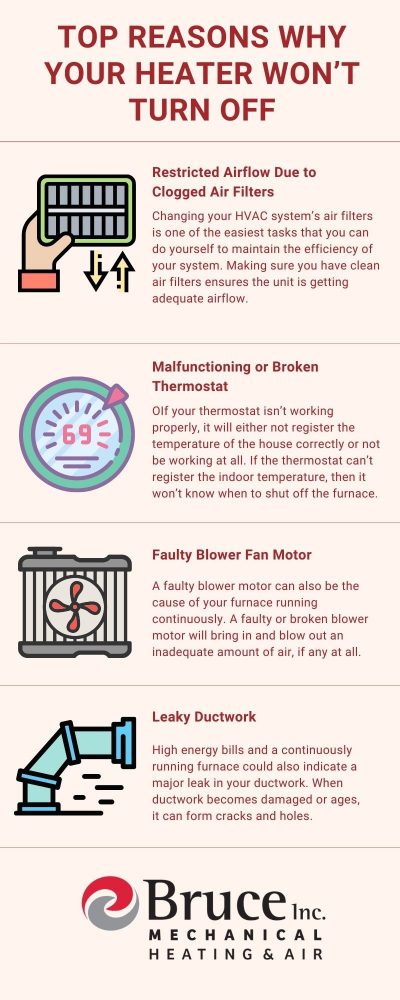
Credit: bruceinc.com
Tips To Save Energy Year-round
Saving energy throughout the year helps reduce bills and protect the environment. Small actions add up to big savings. Turning off your house heater properly is one way to cut energy use. Simple changes in how you maintain and use heating systems make a difference. Focus on care and smart alternatives to keep warm and save power.
Regular Maintenance
Keep your heater clean and checked often. Dirt and dust block airflow and lower efficiency. Replace filters every few months for best performance. Schedule yearly inspections by a professional. Fix small problems before they grow. Proper care keeps your heater running well and uses less energy.
Using Alternative Heating Methods
Try other ways to stay warm without using the main heater all the time. Use space heaters in rooms you use most. Wear warmer clothes indoors to reduce heat needs. Use thick curtains to keep heat inside. Sunlight warms rooms during the day. These steps reduce heater use and save electricity.
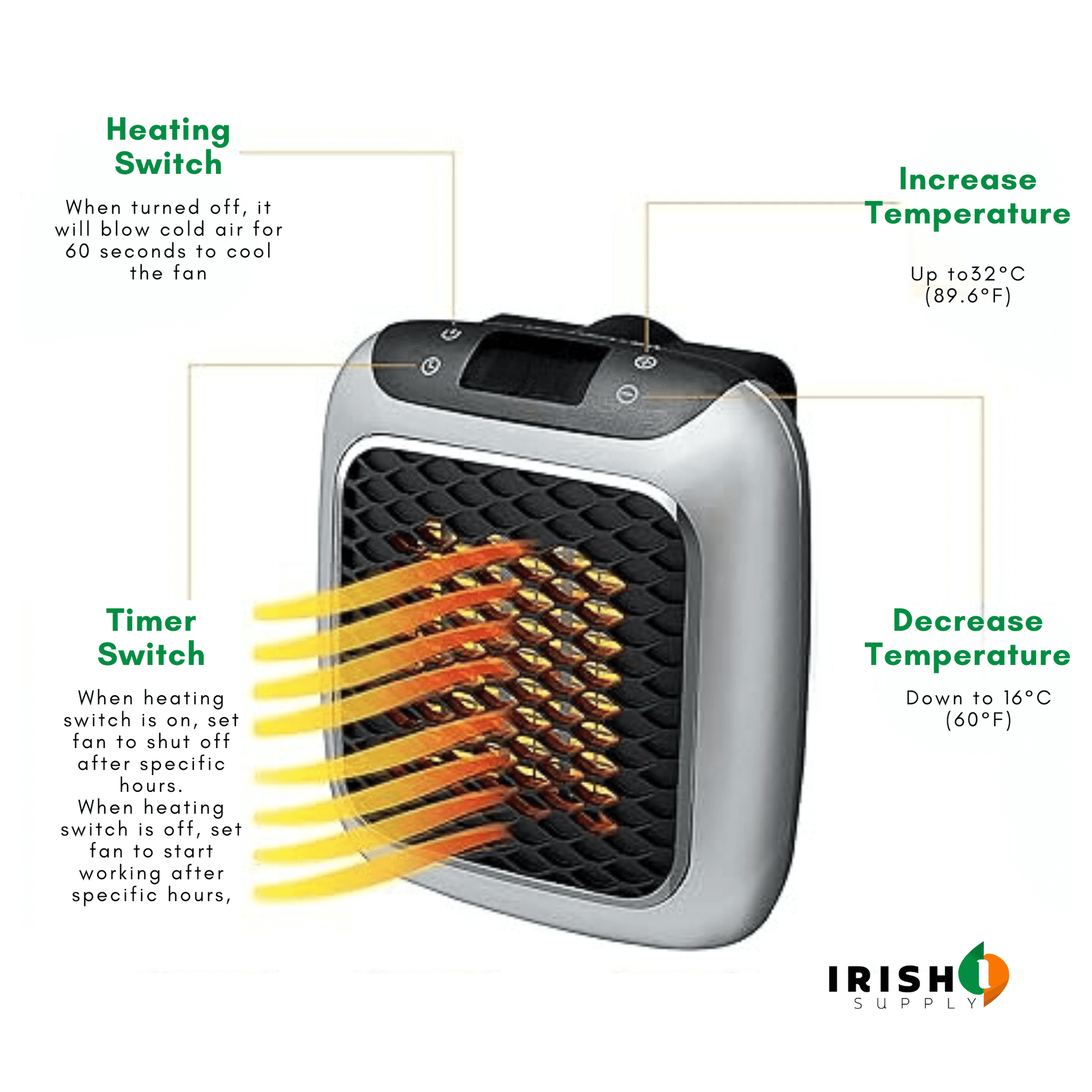
Credit: irish-supply.com
Frequently Asked Questions
How Do I Safely Turn Off My House Heater?
To safely turn off your house heater, locate the thermostat and switch it to the “off” position. Ensure the heater’s power supply is disconnected. For gas heaters, check the pilot light and turn off the gas valve. Always refer to the manufacturer’s manual for specific instructions.
What Should I Do Before Turning Off The Heater?
Before turning off the heater, ensure windows and doors are closed to retain warmth. Check the thermostat settings and adjust them if necessary. It’s also a good idea to inspect the heater for any unusual noises or issues, addressing them if needed, before switching it off.
Can Turning Off The Heater Save Energy?
Yes, turning off the heater when not in use can save energy. It reduces unnecessary energy consumption and can lower your utility bills. Programmable thermostats can help by automatically adjusting the temperature, ensuring efficient energy use while maintaining comfort.
Is It Safe To Turn Off The Heater Overnight?
Yes, it’s safe to turn off the heater overnight if your home retains heat well. Ensure your insulation is effective to maintain warmth. Consider using additional blankets for comfort. If temperatures drop significantly, set the thermostat to a lower setting instead of completely turning it off.
Conclusion
Turning off your house heater is simple and important. Save energy by switching it off when not needed. This helps lower your bills and keeps your home safe. Regularly check your heater to ensure it works well. Remember to follow the steps carefully each time.
Stay comfortable and use your heater wisely. Small actions make a big difference. Keep your home warm only when necessary. Your efforts help the environment too.