
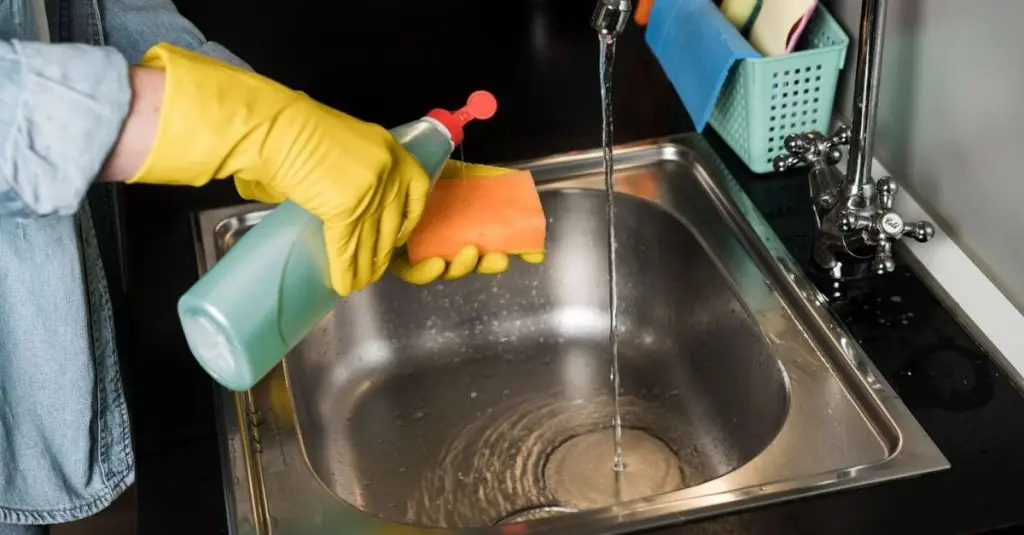
Is your kitchen sink giving off an unpleasant smell that just won’t go away? You’re not alone, and the good news is that you don’t have to live with it.
A stinky sink can ruin the freshness of your entire kitchen, but the fix is often simpler than you think. You’ll discover easy and effective ways to remove that stubborn odor and keep your sink smelling clean and fresh every day.
Ready to say goodbye to the bad smell for good? Let’s dive in!
Common Causes Of Kitchen Sink Odors
Kitchen sink odors can make your cooking space unpleasant. Understanding common causes helps you fix the problem faster. Odors often come from hidden places that trap food and moisture. Identifying these sources is the first step to a fresh-smelling kitchen.
Food Residue Buildup
Food scraps stuck in the sink drain cause bad smells. Bits of vegetables, grease, and coffee grounds can rot over time. This decay creates a foul odor that spreads through the kitchen. Cleaning the drain regularly prevents this buildup and keeps smells away.
Drain Pipe Issues
Drain pipes carry water and waste away from the sink. Blockages or leaks in these pipes trap debris and bacteria. This trapped matter produces a strong, unpleasant smell. Checking and fixing pipe problems stops odors from spreading.
Garbage Disposal Problems
Garbage disposals shred food waste but can trap particles inside. Leftover food pieces can rot and cause a bad smell. Poor maintenance or damaged parts make the smell worse. Running the disposal with cold water and cleaning it helps reduce odors.
Mold And Mildew Growth
Mold and mildew thrive in damp, dark areas under the sink. These fungi produce a musty smell that fills the kitchen. Moisture from leaks or spills encourages their growth. Regular cleaning and drying prevent mold and keep the area fresh.

Credit: www.vevor.com
Quick Fixes To Eliminate Sink Smells
Unpleasant smells from the kitchen sink can spoil the cooking mood. Quick fixes help clear odors fast. These simple tricks use common household items. They clean drains and refresh your kitchen air.
Boiling Water Flush
Pour boiling water slowly into the drain. The heat melts grease and food bits. It also loosens grime stuck inside pipes. Repeat a few times for best results.
Baking Soda And Vinegar
Sprinkle half a cup of baking soda down the drain. Follow with half a cup of white vinegar. Wait 10 to 15 minutes for fizzing action. Flush with hot water to clear the pipes.
Lemon And Salt Scrub
Cut a lemon in half and dip it in salt. Use the lemon to scrub the sink drain area. The salt acts as a gentle scrubber. Lemon adds a fresh, clean scent.
Ice Cubes And Citrus Peels
Put ice cubes and citrus peels into the garbage disposal. Turn on the disposal and run cold water. The ice sharpens blades and removes buildup. Citrus peels leave a natural fresh smell.
Deep Cleaning Methods
Getting rid of the smell from your kitchen sink often means going beyond surface cleaning. Deep cleaning tackles the hidden buildup where odors thrive. This approach ensures your sink smells fresh for longer and prevents recurring issues.
Disassembling The Drain Trap
The drain trap, or P-trap, collects debris that can cause odors. Carefully disassemble it by loosening the slip nuts under your sink. Have a bucket ready to catch any water or gunk that spills out.
Once removed, inspect the trap for slime, food scraps, or buildup. Use a bottle brush and warm, soapy water to scrub it clean. Rinse thoroughly before reassembling to stop smell-causing bacteria from growing.
Cleaning The Garbage Disposal
Your garbage disposal often hides stinky residues. Before cleaning, turn off the power to avoid accidents. Use a small brush or old toothbrush to scrub the rubber flaps inside the disposal.
Grinding ice cubes and lemon peels can also help scrape and freshen the blades. For deeper cleaning, pour baking soda followed by vinegar and let it fizz for a few minutes before rinsing. This breaks down grease and neutralizes odors effectively.
Using Enzyme Cleaners
Enzyme cleaners are powerful allies against organic buildup. These cleaners contain natural bacteria that eat away food particles and grease. Spray or pour the enzyme cleaner into your drain, then let it sit overnight.
This slow process breaks down grime deep inside pipes where smells originate. Unlike harsh chemicals, enzyme cleaners are safe for your plumbing and the environment. Have you tried this gentle yet effective solution before?
Maintaining The P-trap
After cleaning, keeping your P-trap fresh is crucial. Regularly flush it with hot water to clear away small debris. Avoid pouring grease or coffee grounds down the drain, as these cause buildup that leads to smells.
Consider installing a sink strainer to catch food scraps. Simple habits like these prevent odors from returning and reduce the need for frequent deep cleans. What small change can you make today to keep your sink smelling fresh?

Credit: www.youtube.com
Preventing Future Odors
Preventing odors from coming back in your kitchen sink is easier than you think. A few simple habits can keep your sink fresh and clean. Consistent care stops smells from building up and keeps your kitchen pleasant.
Regular Cleaning Schedule
Clean your sink and drain at least once a week. Use mild soap and warm water to wash the surface. Scrub the drain area with a small brush to remove stuck debris. Rinse thoroughly to avoid residue buildup. This simple routine stops bad smells before they start.
Proper Waste Disposal
Throw food scraps in the trash or compost bin, not down the drain. Avoid putting fibrous or starchy foods in the sink. These wastes can get stuck and rot, causing odors. Use a garbage disposal correctly and run plenty of water when in use. This keeps waste moving and prevents clogs.
Avoiding Grease Down The Drain
Never pour cooking grease or oil down the drain. Grease solidifies and blocks pipes. This creates a perfect place for bacteria to grow and smell bad. Instead, pour grease into a container and throw it away with the trash. Keep your pipes clear and odor-free.
Using Sink Strainers
Place a strainer in your sink drain to catch food particles. Empty the strainer into the trash after each use. Clean the strainer regularly to avoid buildup. This stops debris from entering the pipes and causing bad smells. Sink strainers are a simple tool to keep your drain clean.
Natural Remedies For Persistent Odors
Persistent odors in the kitchen sink can be unpleasant and stubborn. Natural remedies offer safe and effective ways to freshen your sink without harsh chemicals. These methods use simple ingredients that you may already have at home. They help absorb and neutralize bad smells, making your kitchen more inviting.
Activated Charcoal
Activated charcoal is excellent at absorbing odors. Place a small bowl of charcoal near the sink to trap smells. You can also use charcoal bags inside the cabinet under the sink. Replace the charcoal every few weeks for best results. This natural method keeps your kitchen smelling fresh for longer.
Essential Oils
Essential oils add a pleasant scent and fight bacteria. Mix a few drops of lemon, tea tree, or eucalyptus oil with water. Pour the mixture down the drain and let it sit for 10 minutes. Rinse with hot water to clear away odors. You can also add essential oils to a sponge for wiping the sink surface.
White Vinegar Soak
White vinegar is a powerful natural cleaner that removes smells. Pour one cup of vinegar down the drain and let it soak for 30 minutes. Follow with boiling water to flush out residue. Vinegar breaks down odor-causing buildup and keeps pipes clean. Repeat this soak weekly for persistent odors.
When To Call A Professional
Your kitchen sink is a hardworking feature of your home, but sometimes it can develop a stubborn odor. While routine cleaning can tackle most smells, there are times when professional help is essential. Knowing when to call in the experts can save you time, effort, and potential damage to your plumbing system.
Persistent Smells After Cleaning
You’ve scrubbed, rinsed, and used every home remedy, yet the unpleasant odor lingers. This persistent smell is often a sign that something deeper is amiss. Professionals have the tools and expertise to address underlying issues that DIY solutions can’t reach.
Consider when you last had your pipes professionally cleaned. Over time, residue and debris can build up, causing odors that are tough to eliminate. A professional can provide a thorough cleaning to ensure your pipes are as fresh as they should be.
Signs Of Plumbing Issues
Does your sink drain slower than usual? Are there strange gurgling noises coming from the pipes? These signs often point to more serious plumbing issues like blockages or leaks.
If you notice these symptoms along with persistent odors, it’s time to call a plumber. Ignoring these problems can lead to costly repairs down the road. A professional will diagnose and fix the problem, ensuring your plumbing system operates smoothly.
Garbage Disposal Repairs
Your garbage disposal is a key player in keeping your sink odor-free. However, if it isn’t functioning properly, it can become a source of smells instead. If you’ve tried resetting or cleaning it without success, it may be time for a professional repair.
Listen for unusual noises or if the disposal isn’t grinding efficiently. An expert can repair or replace parts to get your garbage disposal back in top shape. This not only eliminates odors but also extends the life of your appliance.
By recognizing these signs, you can take proactive steps to maintain a fresh-smelling kitchen. Have you faced any of these issues before? Don’t hesitate to reach out to a professional when needed—it can make all the difference for your home’s plumbing health.

Credit: www.drano.com
Frequently Asked Questions
How Do I Remove Bad Smell From Kitchen Sink?
To remove bad smells, clean the drain with baking soda and vinegar. Flush with hot water. Regularly clear food debris and avoid leaving standing water.
What Natural Ingredients Eliminate Kitchen Sink Odors?
Baking soda and white vinegar are natural odor removers. They break down grime and neutralize smells without harsh chemicals. Lemon juice also freshens the sink effectively.
How Often Should I Clean My Kitchen Sink Drain?
Clean your kitchen sink drain at least once a week. Frequent cleaning prevents odor buildup and clogs, ensuring a fresh and hygienic sink environment.
Can Clogged Drains Cause Kitchen Sink Odors?
Yes, clogged drains trap food and bacteria, causing foul smells. Regular cleaning and using a drain strainer can prevent clogs and odors.
Conclusion
A fresh kitchen sink makes cooking more pleasant. Regular cleaning stops bad smells early. Use simple home ingredients for best results. Clean drains and garbage disposals often. Avoid leaving food scraps in the sink. A clean sink helps keep your kitchen healthy.
Small efforts bring big changes in smell control. Keep these tips in mind to enjoy a fresh kitchen every day.