

Thinking about giving your home a fresh new look? You’re probably wondering, “How much will it cost to paint my house?” It’s a smart question because painting is more than just picking a color—it’s about protecting your investment and boosting curb appeal.
But costs can vary a lot depending on factors you might not expect. You’ll discover exactly what influences the price, so you can plan your budget with confidence and avoid surprises. Ready to find out how to get the best value for your money?
Keep reading!
Factors Affecting House Painting Costs
Understanding the factors that affect house painting costs can help you plan your budget more effectively. Each element plays a role in how much you’ll ultimately pay. Let’s break down these key influences so you know what to expect and where you might save.
Size And Square Footage
The larger your home, the more paint and labor it requires. A small 1,000-square-foot house will cost significantly less than a sprawling 3,000-square-foot one. Have you measured your exterior walls recently? Even small miscalculations can lead to unexpected expenses.
Also, consider the number of stories. Painting a two-story home usually requires more equipment and time than a single-story, increasing costs. Your home’s height and complexity matter more than you might think.
Type Of Paint And Quality
Not all paint is created equal. High-quality paints last longer, resist fading, and cover better—but they come with a higher price tag. Cheaper paints might save you upfront but could mean repainting sooner.
Think about the finish too. Matte, satin, or gloss each has different durability and cost. Are you aiming for a paint job that looks great for years or something more temporary?
Surface Preparation Needs
Preparation is often the hidden cost in painting projects. Scraping off old paint, sanding, cleaning dirt, or treating mold can add time and materials. Skipping these steps can result in peeling or uneven paint, costing you more later.
If your house hasn’t been painted in a long time, expect higher prep costs. Are you ready to invest in thorough prep to avoid headaches down the road?
Labor Charges And Regional Rates
Labor costs vary widely based on where you live. Urban areas with higher living costs generally charge more for professional painters. In some places, labor can be up to 50% of your total painting bill.
Also, experienced painters may charge more but often deliver better results faster. Would you rather save a bit now and risk quality, or pay more for peace of mind?
Additional Repairs And Treatments
Painting sometimes reveals hidden issues like wood rot, cracks, or damaged siding. Fixing these problems before painting is crucial but adds to your budget. You might also want treatments like waterproofing or pest control, which increase costs.
Ignoring repairs might seem like a quick fix, but it can lead to more extensive damage later. Are you prepared to address surprises to protect your investment?

Credit: www.imaginepainting.ca
Average Painting Costs By Area
Understanding average painting costs by area helps plan your budget well. Painting expenses vary widely based on the part of the house. Different areas need different materials and labor efforts. This section breaks down costs by exterior, interior, room type, and special finishes. It gives a clear idea of what to expect for each painting task.
Exterior Painting Expenses
Exterior painting usually costs more than interior painting. It requires weather-resistant paint and more preparation work. On average, expect to pay between $1,800 and $4,000 for a typical home exterior. Larger homes or those with complex details cost more. Pressure washing, scraping, and priming add to the price.
Interior Painting Expenses
Interior painting costs depend on the home’s size and paint quality. The average price ranges from $1,200 to $3,500. This includes walls, ceilings, and trim. Rooms with many windows or high ceilings may increase costs. Labor is often less expensive inside but requires careful surface preparation.
Cost Differences By Room
- Living Room:$300 to $700 – larger space, more wall area
- Bedroom:$200 to $500 – smaller, simpler surfaces
- Kitchen:$350 to $800 – requires special paint for moisture
- Bathroom:$250 to $600 – needs mildew-resistant paint
Kitchens and bathrooms cost more due to moisture control needs. Bedrooms and living rooms are usually less expensive.
Special Finishes And Textures
Special finishes add style but increase painting costs. Examples include:
- Textured walls
- Metallic finishes
- Faux finishes like marble or wood grain
These finishes require extra time and skill. Expect to pay 20% to 50% more than standard paint jobs.
Diy Vs Professional Painting
Painting a house yourself can save money but takes time and effort. Hiring professionals costs more but ensures quality and speed. Comparing these helps decide the best option for your budget and needs.
Painting a house is more than just applying a new color to your walls; it’s about making a choice between taking on a DIY project or hiring a professional. Each option has its own set of pros and cons, influencing not just your budget but also your time and the quality of the result. Whether you’re a weekend warrior or someone who prefers to leave it to the experts, understanding the nuances can help you make the best decision for your home.Cost Savings With Diy
Opting to paint your house yourself can save a significant amount of money. You won’t have to pay labor costs, which often make up the bulk of professional fees. Consider the price of paint, brushes, rollers, and other supplies you’ll need. However, don’t forget to account for potential mistakes that might require additional costs to fix. Are you prepared to handle unexpected expenses?Challenges And Time Investment
Painting a house yourself is no small feat. It demands time, precision, and physical effort. Are you ready to dedicate your weekends to climbing ladders and dealing with prep work? The process can also be taxing if you lack experience. Mistakes can result in uneven coats or paint drips, adding to the frustration.When To Hire Professionals
There are times when hiring a professional is the smarter choice. If you have a large home or intricate architectural details, expertise can make a difference. Professionals bring experience and specialized equipment that ensure a flawless finish. Consider the value of your time. If painting disrupts your daily routine or takes longer than expected, hiring help might be worth it.Hiring Tips And What To Expect
When you decide to hire a professional, choosing the right one is crucial. Seek recommendations from friends or check online reviews. Always get multiple quotes to ensure competitive pricing. Communicate your vision clearly and ask for a detailed contract outlining the scope of work. This ensures you and the painter are on the same page, preventing misunderstandings. Deciding between DIY and professional painting isn’t just about cost; it’s about what you value more—your time, your money, or your peace of mind. What’s your priority?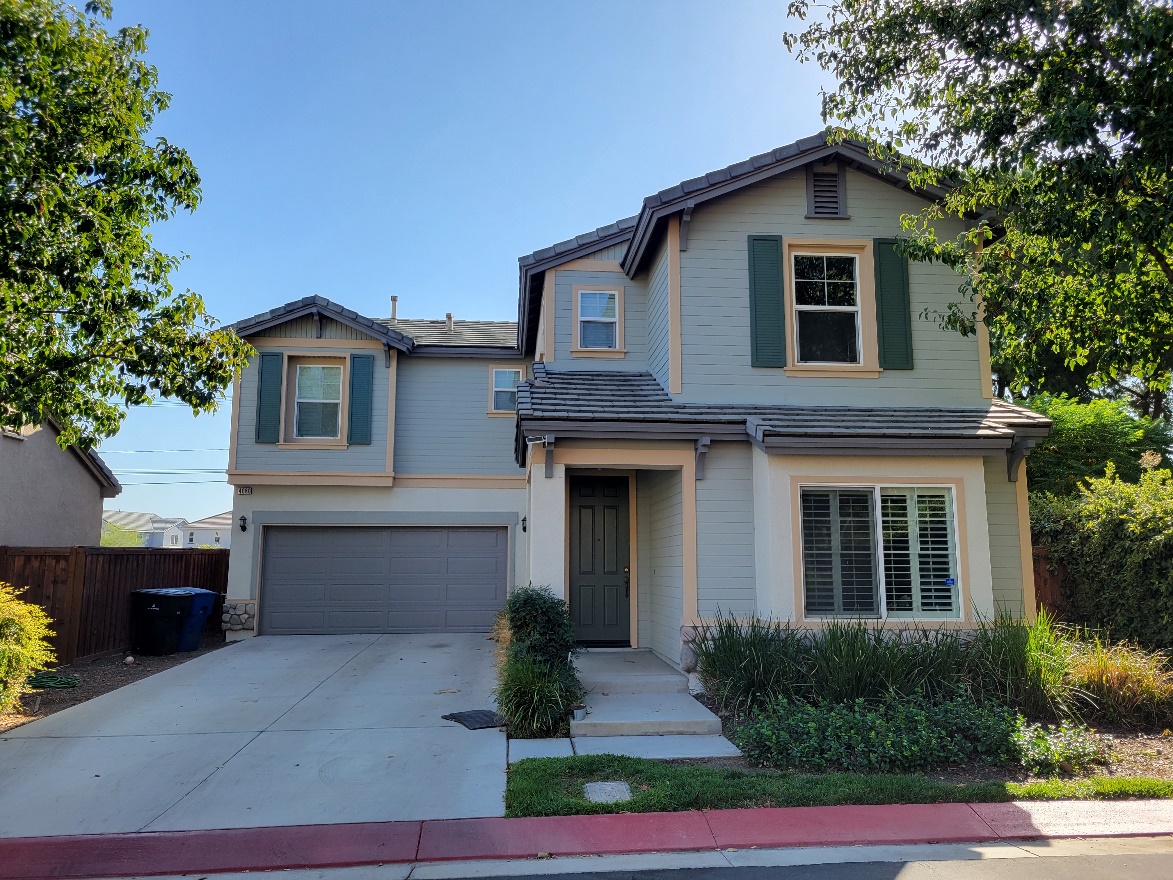
Credit: silverstarpainting.com
Budgeting Tips For Painting Projects
Budgeting for a house painting project requires careful thought. Knowing where your money goes helps avoid surprises. It also ensures you get good results without overspending.
Breaking down the costs into parts makes planning easier. Focus on materials, unexpected expenses, timing, and saving smartly. Each area affects the total budget differently.
Estimating Material Costs
Paint, brushes, rollers, and tape are key materials. Prices vary by brand and quality. Higher-quality paint lasts longer and covers better. Calculate how many gallons you need by measuring surface area. Don’t forget primers and sealants if needed.
Tools and protective gear also add to costs. Buying in sets can save money. Renting equipment might be cheaper for big jobs.
Planning For Unexpected Expenses
Painting projects often face surprises. Damaged walls, extra repairs, or weather delays can raise costs. Set aside at least 10-15% of your budget for these issues. This cushion prevents stress and helps finish the job smoothly.
Checking the house condition before starting helps spot problems early. Ask professionals for advice on potential hidden costs.
Seasonal Pricing Trends
Paint prices and labor rates change with seasons. Spring and summer usually see higher demand and prices. Winter or late fall may offer discounts or deals. Scheduling your project during off-peak months can lower costs. Weather also affects drying times and project speed.
Plan your painting when the climate is dry and mild for best results.
Ways To Save Without Sacrificing Quality
Choose good-quality paint that fits your budget. Cheaper paint may cost more in the long run due to touch-ups. Buy materials in bulk or during sales. Doing simple prep work yourself saves labor costs.
- Compare quotes from several painters
- Use leftover paint for small areas
- Maintain your painted surfaces regularly
Smart planning keeps your home beautiful and your wallet happy.
Popular Paint Brands And Price Ranges
Choosing the right paint brand can significantly affect both the cost and quality of your house painting project. Paint prices vary widely depending on the brand, type, and finish you select. Understanding popular paint brands and their price ranges helps you balance your budget with the durability and appearance you want for your home.
Economical Options
Budget-friendly paints are great if you’re looking to save money without sacrificing too much quality. Brands like Behr Premium Plusand Valsparoffer decent coverage at lower prices, usually between $15 and $30 per gallon.
These paints work well for interior walls or rooms that don’t need heavy-duty protection. They may require more coats, so consider how that might affect your overall labor costs.
Mid-range Choices
If you want a balance of price and performance, mid-range paints deliver better coverage and durability. Brands such as Benjamin Moore Regaland Sherwin-Williams SuperPaintfall in this category, typically costing between $35 and $60 per gallon.
These paints often include features like mildew resistance and smoother finishes. When I switched to a mid-range paint for my living room, I noticed fewer touch-ups were needed over time, saving me money in the long run.
Premium And Eco-friendly Paints
Premium paints provide top-tier coverage, color retention, and environmental benefits. Options like Benjamin Moore Auraand ECOS Paintsare priced from $60 up to $100 per gallon.
Eco-friendly paints reduce harmful emissions, making them ideal for families concerned about indoor air quality. Investing in these paints can improve your home’s appearance and health, but ask yourself if this aligns with your budget and project goals.
Credit: theraleighpaintcontractor.com
Additional Costs To Consider
Painting your house involves more than just the cost of paint and labor. There are several additional expenses that can quickly add up and impact your overall budget. Being aware of these extra costs helps you plan better and avoid surprises during your project.
Permits And Regulations
Depending on where you live, you might need permits before starting your painting project. Some towns require permits especially if you’re painting commercial buildings or making significant changes to your home’s exterior. Skipping this step can lead to fines or delays, which cost more in the long run.
Have you checked your local city or county rules yet? It’s worth calling your local building department or checking their website to see if you need approval before painting.
Equipment Rental
Not everyone owns the tools needed for a big paint job. Renting equipment like scaffolding, pressure washers, or paint sprayers can add to your expenses. These tools often make the job faster and easier, but their rental fees can vary widely.
Think about how much equipment you’ll really need. Sometimes, renting for a day or two is cheaper than buying, especially if you only plan to paint once.
Cleanup And Disposal Fees
After painting, cleanup is essential but often overlooked in the budget. You may need to pay for proper disposal of paint cans, brushes, and other waste materials, especially if you use oil-based paints or hazardous substances. Some local waste facilities charge fees for accepting these materials.
Don’t forget to factor in the cost of cleaning supplies and time spent on cleanup. It might seem small, but these costs add up, especially on larger projects.
Frequently Asked Questions
How Much Does It Cost To Paint A House Exterior?
Painting a house exterior typically costs between $1,500 and $4,000. Prices vary based on size, materials, and labor. Additional prep work or repairs can increase the total cost. Quality paint and professional services usually raise the price but ensure longer-lasting results.
What Factors Affect House Painting Costs?
House painting costs depend on house size, paint quality, labor rates, and surface condition. Weather and accessibility also influence pricing. Prep work like scraping or repairing surfaces adds to expenses. Choosing premium paints or specialized finishes can increase the overall cost significantly.
How Long Does It Take To Paint A House?
Painting a house usually takes 3 to 7 days depending on size and prep work. Weather conditions and the number of painters affect timing. Complex details or repairs can extend the process. Proper drying time between coats is essential for a quality finish.
Is It Cheaper To Paint A House Yourself?
DIY house painting saves labor costs but requires time, tools, and skill. Mistakes may lead to costly repairs or paint reapplication. Professionals offer efficiency, quality, and safety. For large or complex projects, hiring experts is usually more cost-effective in the long run.
Conclusion
Painting a house costs depend on size, materials, and labor. Choosing quality paint saves money over time. Preparing surfaces well helps the paint last longer. Getting several quotes can find the best price. Planning the job carefully avoids extra costs later.
A fresh coat of paint can boost your home’s look. Think about your budget and needs before starting. Painting your house is an investment worth considering.