
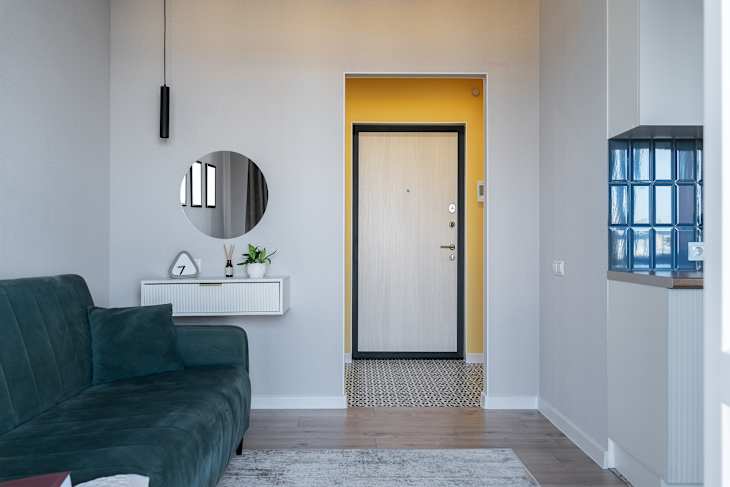
Your entryway is the first thing you and your guests see every day. But what if it doesn’t look quite right?
Odd entryways can feel tricky to decorate. They might be too narrow, oddly shaped, or have strange angles. You might worry that no matter what you try, it won’t feel welcoming or stylish. The good news? You don’t have to settle for a space that feels awkward or cluttered.
With the right tips and ideas, you can turn your odd entryway into a place that feels inviting, organized, and uniquely yours. Ready to discover how? Let’s dive in.
Assess The Space
Before you add any furniture or decorations, take time to assess the space of your odd entryway. Understanding the unique characteristics of the area helps you make smart decisions that enhance its function and style. This step avoids clutter and awkward setups that can make the entry feel cramped or confusing.
Measure Dimensions
Grab a tape measure and note down the length, width, and height of the entryway. Don’t forget to measure door swings and any architectural features like built-in shelves or radiators.
Having these numbers on hand guides you in choosing furniture and decor that fit perfectly without crowding the space. It also prevents costly returns or adjustments later.
Identify Focal Points
Look for natural attention grabbers such as a window, artwork, or a unique light fixture. These elements can anchor your design and give the space personality.
Think about what you want visitors to notice first when they enter. Can you highlight a beautiful mirror or a statement console table? Focusing on one or two key points keeps the entryway balanced and inviting.
Analyze Traffic Flow
Watch how people move through the entryway. Is there enough room to open the door easily? Does the path to other rooms feel natural or cramped?
Make sure you leave clear walkways that avoid obstacles. Imagine carrying groceries or opening a stroller—your design should make these everyday moments easier, not harder.
Choose Functional Furniture
Choosing functional furniture is key for decorating odd entryways. It helps maximize space and keeps the area tidy. Smart furniture fits well into small or irregular spaces without cluttering.
Functional pieces serve more than one purpose. They provide storage, seating, or a surface, making the entryway practical and stylish. Selecting the right furniture creates a welcoming and organized first impression.
Slim Consoles And Benches
Slim consoles fit narrow or tight spaces perfectly. They offer a surface for keys, mail, or decor without crowding the area. Benches provide a spot to sit while putting on shoes and can include storage underneath.
- Choose consoles with clean lines and minimal depth.
- Benches with storage compartments keep clutter out of sight.
- Lightweight pieces can be moved easily if needed.
Storage Solutions
Storage is essential in odd entryways to avoid mess. Use furniture that hides shoes, bags, and other items. Wall-mounted shelves or cabinets save floor space.
- Opt for closed storage to keep things neat.
- Open shelves work well for decorative baskets or hooks.
- Use vertical storage to make use of wall height.
Multi-purpose Pieces
Multi-purpose furniture blends function and style. Pieces like storage ottomans or fold-out desks add versatility. They allow entryways to serve multiple needs without extra clutter.
- Choose ottomans with hidden storage inside.
- Consider foldable tables for small or awkward spaces.
- Look for furniture that combines seating with storage or display.
Play With Lighting
Lighting transforms odd entryways by shaping space and mood. It highlights unique angles and creates warmth. Playing with different lights makes the area feel inviting and balanced. Thoughtful lighting improves both style and function in small or awkward entryways.
Layered Lighting Options
Use multiple light sources to create depth. Combine overhead lights, wall sconces, and table lamps. Each layer serves a purpose:
- Ambient lighting for general brightness
- Task lighting for specific needs, like keys or mail
- Accent lighting to highlight art or architectural features
This mix adds dimension and prevents shadows in tight spaces.
Statement Fixtures
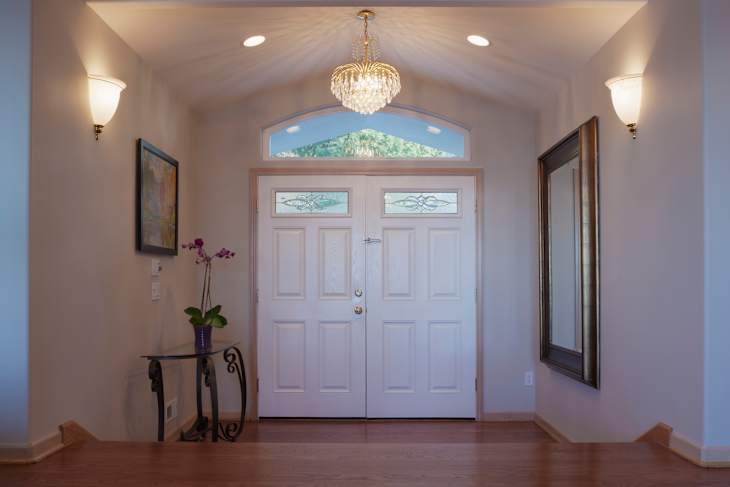
Choose a bold light fixture to draw attention. A unique chandelier or pendant can become a focal point. It adds personality without clutter. Statement lights also help balance awkward shapes by giving the eye a place to rest.
Natural Light Enhancement
Maximize any natural light available. Use sheer curtains or no window coverings to let light flow. Place mirrors opposite windows to reflect light deeper inside. Bright entryways feel larger and more welcoming, even if the space is odd-shaped.
Credit: www.apartmenttherapy.com
Add Artistic Touches
Odd entryways can feel tricky to style. Adding artistic touches brings personality and charm to these spaces. Art creates focal points that draw the eye and make the area inviting.
Small details make a big difference. Unique pieces reflect your style and enhance the entryway’s character. These artistic elements help turn an awkward space into a welcoming spot.
Wall Art And Mirrors
Wall art adds color and interest to odd-shaped walls. Choose pieces that fit the space without overwhelming it. Framed prints, paintings, or even a gallery wall can brighten the entryway.
Mirrors work wonders in small or narrow entryways. They reflect light and create a sense of depth. Pick mirrors with interesting frames to add style and personality.
Decorative Accents
Decorative accents add texture and warmth. Use items like vases, sculptures, or decorative bowls on small tables or shelves. Choose accents that complement the entryway’s colors and style.
Arrange accents in groups of odd numbers for visual appeal. This method creates balance and makes the space feel curated without clutter.
Plants And Greenery
Plants bring life and freshness to any entryway. Use small potted plants or hanging planters if space is tight. Greenery softens hard edges and adds a natural touch.
Choose low-maintenance plants that thrive in your entryway’s light conditions. A simple plant can make the space feel more welcoming and alive.
Select Appropriate Flooring
Selecting the right flooring for odd entryways can make a huge difference in both style and function. The floor sets the tone for the entire space and helps manage traffic flow, dirt, and moisture. Choosing flooring that fits the unique shape and size of your entryway is key to creating a welcoming and practical first impression.
Rugs For Shape And Size
Rugs are a smart way to define your entryway’s unusual shape. You can find rugs in non-traditional shapes like circles, ovals, or even freeform designs that better fit odd corners or narrow spaces.
Think about layering rugs if your entryway has multiple levels or sections. A smaller rug can highlight a specific area, while a larger one can unify the whole space.
Have you tried measuring your entryway’s exact dimensions and sketching the shape before picking a rug? This simple step can save you from buying something that looks off or crowds the space.
Durable Materials
Entryway floors need to withstand heavy foot traffic and dirt. Look for materials that are easy to clean and tough enough to resist wear and tear.
- Porcelain or ceramic tiles handle moisture and mud well.
- Natural stone like slate or travertine adds a stylish yet durable touch.
- Vinyl and laminate options offer water resistance and are budget-friendly.
Think about your climate and lifestyle when selecting materials. If you have kids or pets, durability and ease of cleaning should be your top priorities.
Color And Pattern Choices
Odd entryways give you a chance to get creative with color and pattern on the floor. Bold patterns can distract from awkward shapes and create visual interest.
Light colors make small or narrow entryways feel larger, while darker tones add coziness and hide dirt better.
Have you considered using geometric patterns or contrasting grout lines to add depth and structure? These details can enhance your floor’s appearance without overwhelming the space.

Credit: www.decorilla.com
Incorporate Color And Texture
Adding color and texture to an odd entryway can transform it from a confusing space into a memorable welcome. These elements bring personality and depth, making your entryway feel intentional and inviting. Think about how different materials and hues can highlight the unique shape and size of your entryway while setting the tone for the rest of your home.
Accent Walls
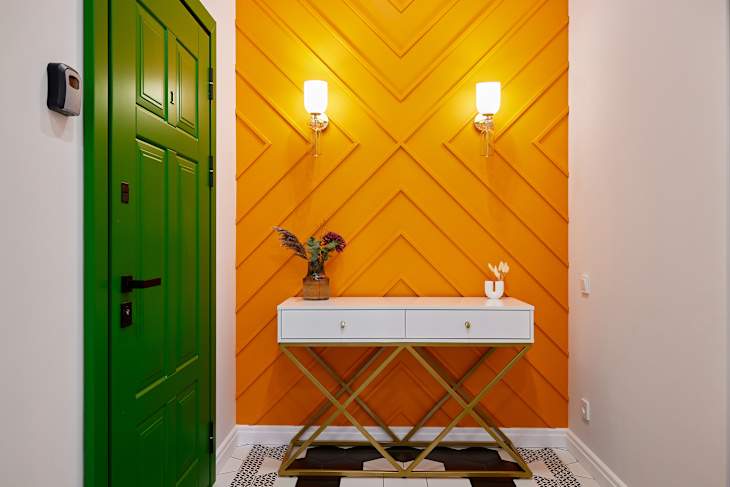
Painting one wall in a bold color instantly draws attention and defines the space. Choose a shade that contrasts with the rest of your home but still feels connected to your overall style. If paint feels too permanent, consider peel-and-stick wallpaper or textured panels that add dimension without overwhelming the room.
What if you tried a deep navy or a warm terracotta? These tones can make even the smallest entryway feel cozy and sophisticated. Play with finishes too—matte walls absorb light differently than glossy ones, changing how your space feels throughout the day.
Textile Variety
Rugs, cushions, and curtains are your secret weapons for adding texture without construction. Layering different fabrics like jute, velvet, or wool adds warmth and comfort underfoot and on walls or benches. A patterned rug can anchor the space and distract from awkward shapes or angles.
Think about mixing textures that invite touch, not just sight. Have you ever noticed how a soft throw can make a bench more inviting? Textiles also absorb sound, which helps if your entryway echoes or feels cold.
Coordinated Palettes
Working with a coordinated color palette keeps your entryway visually harmonious despite its odd layout. Select three to four colors that play well together and repeat them through paint, textiles, and décor. This repetition ties everything together and makes the space feel more intentional.
Try creating a simple color board before you shop or decorate. Will you stick with cool tones like blues and grays, or warm hues like yellows and browns? Consider how natural light hits the space and shifts your colors throughout the day.
Maximize Vertical Space
Odd entryways often challenge your decorating skills because of their unusual shapes or limited floor space. Maximizing vertical space can transform these tricky areas into functional and stylish spots. By thinking upward, you free up the floor and create a welcoming vibe right at your door.
Shelving Options
Adding shelves high on the walls instantly opens up storage without cluttering the floor. Floating shelves work well because they appear light and don’t take up visual space. Try mixing open shelves with small decorative boxes or baskets to keep items like keys and mail organized.
If your entryway has a narrow wall, consider slim shelves that fit perfectly without crowding. You might be surprised how much you can store vertically, from plants to artwork, giving your entryway personality and function.
Hooks And Hangers
Hooks are a simple yet powerful way to use vertical space. Mount a row of hooks at eye level or higher to hang coats, bags, or hats neatly. This keeps everyday essentials within reach and off the floor.
Try different styles like decorative metal hooks or wooden pegs to add character. Have you thought about placing hooks inside a recessed wall or above a bench? It saves space and creates a cozy, efficient area to drop your things.
Vertical Storage Units
Tall, narrow storage units fit perfectly in odd entryways. These units offer multiple shelves and compartments, ideal for shoes, umbrellas, and other items you want hidden but handy. Look for slim cabinets or lockers that suit your space and style.
Vertical storage can also include ladder shelves or tiered stands, which add an interesting design element while maximizing height. Could a vertical unit become the focal point of your entryway rather than a cluttered afterthought?
Credit: www.apartmenttherapy.com
Frequently Asked Questions
How Can I Make An Odd Entryway Look Spacious?
Use light colors and minimal furniture to create an airy feel. Mirrors help reflect light and add depth. Keep pathways clear to avoid clutter and enhance flow.
What Furniture Suits Small, Irregular Entryways?
Opt for slim console tables or wall-mounted shelves. Choose multifunctional pieces like benches with storage. Avoid bulky furniture to maintain open space.
How Do I Choose Lighting For An Odd Entryway?
Select fixtures that complement the shape and size of the space. Use layered lighting, combining overhead lights with wall sconces. Proper lighting highlights architectural details and improves visibility.
What Decor Styles Work Best For Odd-shaped Entryways?
Minimalist, modern, and eclectic styles adapt well to unusual layouts. These styles emphasize clean lines and functional decor. Use art or rugs to draw attention away from awkward angles.
Conclusion
Odd entryways can be tricky to decorate well. Use light colors to open up the space. Add mirrors to make it feel larger. Choose furniture that fits the shape and size. Keep decorations simple and neat to avoid clutter. A few well-placed items bring charm and function.
Small touches can make a big difference. Your entryway should welcome guests warmly and easily. Try different ideas until it feels just right. Enjoy making your unique space beautiful and useful.