
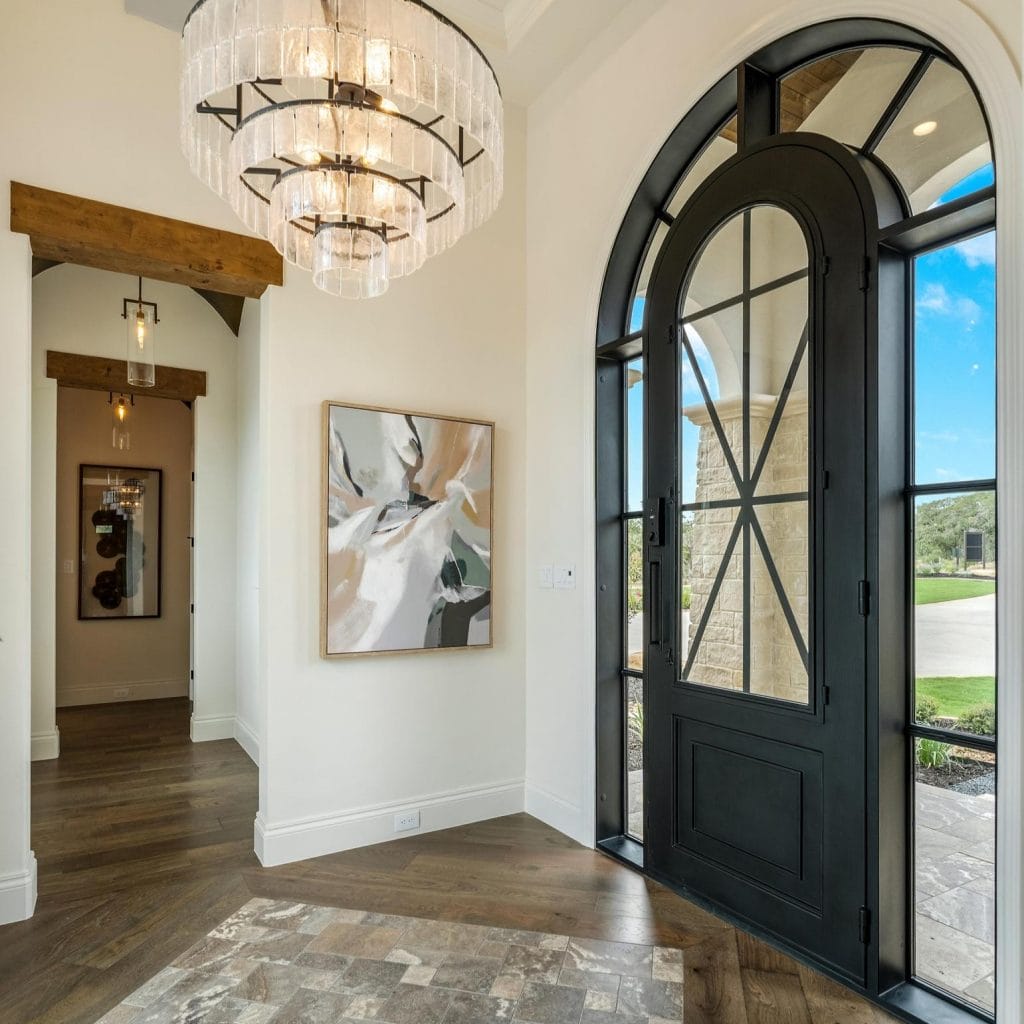
Your large entryway is the first thing guests notice when they step into your home. It sets the tone for the rest of your space.
But decorating a big entryway can feel overwhelming. You might wonder how to fill the space without making it look empty or cluttered. Don’t worry—this guide will show you simple, effective ways to transform your entryway into a warm and inviting area.
By the end, you’ll have clear ideas that make your entryway both beautiful and functional. Ready to make a great first impression? Let’s dive in.
Choosing A Color Palette
Choosing the right color palette sets the tone for your large entryway and helps create a welcoming atmosphere. It’s not just about picking colors you like, but about how those colors work together in a spacious area. Your choices can make the entryway feel cozy or grand, bright or calm, depending on what mood you want to set.
Understanding The Impact Of Color On Space
Colors can change how big or small a space feels. Light colors like soft whites, pale blues, or gentle grays can make a large entryway feel even more open and airy. Darker tones, like navy or charcoal, add depth and warmth but can also make the space feel smaller if overused.
Think about how you want visitors to feel the moment they walk in. Do you want a bright, energetic welcome or a calm, inviting entry? Your color palette plays a big role in creating that first impression.
Choosing A Base Color And Accent Colors
Start with a base color that covers the largest area, like the walls. Neutral tones work well because they provide a clean backdrop and allow you to add personality with accent colors. Accent colors can come from furniture, rugs, or artwork.
- Soft beige or warm gray as a base creates a cozy feel.
- Bold accents like emerald green or burnt orange add character.
- Metallic accents in gold or copper bring a touch of elegance.
Try to keep the palette limited to three or four colors for balance and harmony.
Testing Colors Before Committing
Paint samples on your walls or use large swatches to see how colors look at different times of day. Natural light changes throughout the day and can dramatically alter how your colors appear. Don’t rely only on paint chips—live with samples for a few days to be sure.
Consider how your chosen colors will interact with existing elements like flooring, doors, and lighting fixtures. Sometimes, a color that looks perfect on a chip can clash with your wood tones or tile.
Adding Texture And Patterns To Your Palette
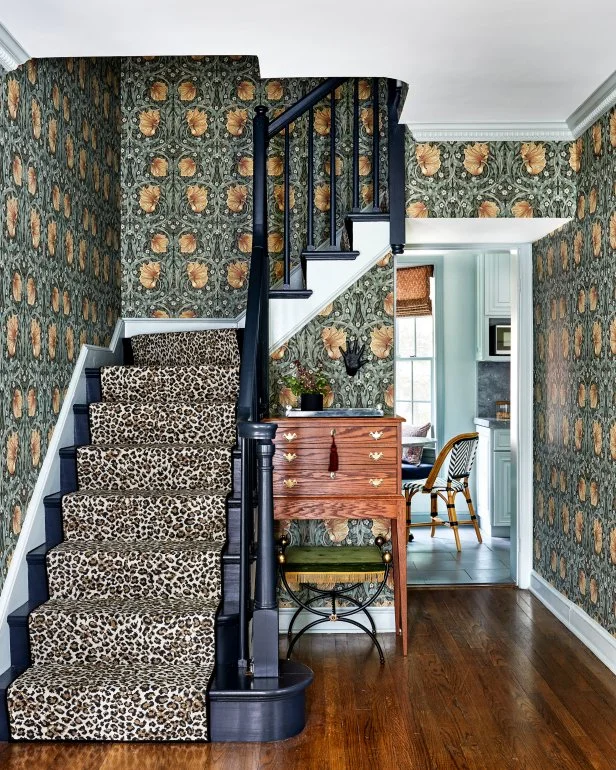
Colors don’t have to be flat. Textures and patterns add interest and prevent large spaces from feeling empty or plain. Think about a patterned rug, textured wallpaper, or woven baskets in your chosen color scheme.
These elements can break up solid colors and make your entryway feel more dynamic. How could you use texture to enhance your color choices and add a tactile dimension to the space?

Credit: nehomemag.com
Incorporating Statement Lighting
Adding statement lighting to a large entryway instantly captures attention and sets the tone for your entire home. A bold light fixture does more than just brighten the space—it creates a focal point that welcomes guests and highlights your personal style.
Think beyond basic ceiling lights. A dramatic chandelier or an oversized pendant can fill the high ceiling and add character to an otherwise empty area. But how do you choose the right piece that balances scale and style?
Choosing The Right Size And Scale
In a large entryway, size matters more than you might expect. A small fixture will look lost, while an overly large one can overwhelm the space.
Measure the height and width of your entryway before shopping. As a rule of thumb, the width of your light fixture should be about half to two-thirds the width of the entryway. For example, if your entryway is 10 feet wide, look for fixtures around 5 to 6 feet wide.
Also, consider the ceiling height. A tall foyer can handle a multi-tiered chandelier or a fixture with long chains. I once chose a cascading crystal chandelier for my 14-foot ceiling entryway, which filled the space perfectly and became a conversation starter.
Selecting The Style That Matches Your Home
Your statement lighting should complement the overall design of your home. Are you aiming for modern minimalism, rustic charm, or classic elegance?
For modern spaces, sleek metal pendants or geometric shapes work well. Rustic or farmhouse-style homes benefit from wrought iron or wood-accented fixtures. Traditional homes often shine with crystal or brass chandeliers.
Think about the other elements in your entryway, such as furniture and wall colors, and choose lighting that enhances rather than clashes with them.
Using Lighting To Create Ambience And Function
Statement lighting isn’t just about looks—it should also serve a practical purpose. Layer your lighting with dimmer switches to adjust brightness based on time of day or mood.
Consider adding wall sconces or table lamps near benches or console tables for softer, inviting light. This combination can make your entryway feel welcoming and functional at the same time.
Have you tried mixing different types of lighting to see how it changes the mood? Experimenting with layers can transform your space from harshly lit to cozy and elegant in seconds.
Utilizing Rugs For Warmth
Using rugs in a large entryway does more than just cover the floor—it adds warmth and personality to a space that often feels cold or empty. Rugs invite guests to step in and feel welcome immediately. They also create a visual anchor, helping to define the area and make it feel cozy without overwhelming the space.
Choosing The Right Rug Size
In a large entryway, the rug should be big enough to fill the space but still leave some floor visible around the edges. A rug that is too small will look lost and fail to make an impact. Aim for a size that fits under key furniture pieces like benches or console tables, creating a balanced look.
Think about how much foot traffic the area gets. A larger rug offers more coverage, protecting your floors while providing a soft surface to walk on.
Selecting Colors And Patterns
Rugs can set the tone for your entire entryway. Choose colors that complement your walls and furniture without clashing. Neutral tones work well if you want a calm and inviting feel.
Patterns add character and can hide dirt better than solid colors. If your space has a lot of natural light, bold patterns won’t overpower but instead add visual interest.
Material Matters For Warmth And Durability
Wool rugs are a great choice because they feel soft underfoot and last for years. They also naturally repel dirt and stains, which is ideal for an entryway. If you prefer something more budget-friendly, consider synthetic fibers that mimic wool’s softness.
Don’t forget about outdoor rugs if your entryway opens directly to the outside. These rugs handle moisture and dirt well while still adding warmth to the space.
Layering Rugs For Texture And Depth
Layering smaller rugs on top of a large base rug can create a cozy, textured look. This technique works especially well if your entryway has a lot of open floor. Combining different textures or patterns adds depth and makes the space feel thoughtfully styled.
Have you tried layering rugs in your home? It’s a simple way to refresh the look without buying a new rug.
Adding Artwork And Decor
Adding artwork and decor to a large entryway transforms it from a simple passage into a welcoming space that reflects your personality. The right pieces can set the mood for your entire home and make guests feel instantly at ease. Let’s dive into how you can choose and arrange these items to make a strong impression.
Selecting The Right Pieces
Think about the style you want to convey—modern, rustic, classic, or eclectic. Choose artwork and decor that speak to you and complement your home’s overall design. Large entryways can handle bold, oversized pieces that might overwhelm smaller rooms.
Consider mixing textures and materials to add depth. A metal sculpture paired with a soft textile wall hanging can create an interesting contrast. Don’t forget functional decor like a stylish mirror; it brightens the space and makes it feel bigger.
Ask yourself: What emotions do you want your entryway to evoke? Calm, excitement, or creativity? Let that guide your selection.
Arranging Art Creatively
Instead of hanging artwork at the usual eye level, try varying the heights to add visual interest. Group smaller pieces together to form a gallery wall, which fills the space without feeling empty.
Use ledges or floating shelves to layer items like framed photos, plants, and small sculptures. This approach lets you easily swap out pieces and keeps the look fresh. Consider symmetry for a formal vibe or asymmetry for a more dynamic feel.
Think about flow—how will people move through the space? Avoid overcrowding; leave enough breathing room around each piece. What if your entryway could tell a story? Arrange your decor so visitors get a glimpse of your style right away.
Incorporating Functional Furniture
Adding functional furniture to a large entryway can transform it from a simple passage into a welcoming and practical space. The right pieces not only fill the area but also serve everyday needs, making your entryway a spot where convenience meets style. Think about how you use this space daily—this can guide your choices for furniture that truly works for you.
Seating Options
Having a place to sit is a game-changer in a large entryway. A bench or a small sofa offers comfort when putting on or taking off shoes. Choose a bench with cushioned seating to invite guests to pause and feel at home.
Consider adding a few throw pillows for extra coziness and a pop of color. If space allows, a pair of accent chairs can create a stylish nook perfect for waiting or chatting briefly. You might find that seating encourages more interaction and slows down the hectic pace of coming and going.
Storage Solutions
Storage is essential for keeping your entryway tidy and clutter-free. Look for furniture pieces that double as storage, such as benches with hidden compartments or cabinets with cubbies. These help you stash away shoes, bags, and seasonal gear without sacrificing style.
Wall-mounted shelves or hooks can add vertical storage without using floor space. Think about adding baskets or labeled bins to keep smaller items organized and easy to grab. Wouldn’t it be great if your entryway stayed neat even on your busiest days?
Credit: www.hgtv.com
Incorporating Greenery
Adding greenery to a large entryway can bring life and warmth to an otherwise empty space. Plants create a welcoming atmosphere and help soften hard edges. They also improve air quality, making your entryway not just beautiful but healthier.
Choosing The Right Plants For Your Entryway
Consider plants that thrive indoors with moderate light. Snake plants, pothos, and fiddle leaf figs work well in many homes. Think about the size of your entryway—tall plants can fill vertical space, while smaller potted plants add subtle touches.
Ask yourself: How much natural light does your entryway get? This will guide your plant choices and help them flourish.
Using Planters To Enhance Style
Planters are more than just containers—they set the tone for your entryway’s style. Opt for materials like ceramic, wicker, or metal depending on your décor. Matching planters or mixing textures can create a balanced, cohesive look.
Try grouping different planter sizes together for visual interest. This simple trick can make your greenery stand out and feel intentional.
Placement Ideas For Maximum Impact
Think beyond just placing a plant in the corner. Position a tall plant near the door to greet guests with a burst of green. Use a console table or shelf to display smaller plants at eye level.
Have you noticed how a well-placed plant can draw the eye and define a space? Experiment with different spots to find what feels best in your entryway.
Creating A Focal Point
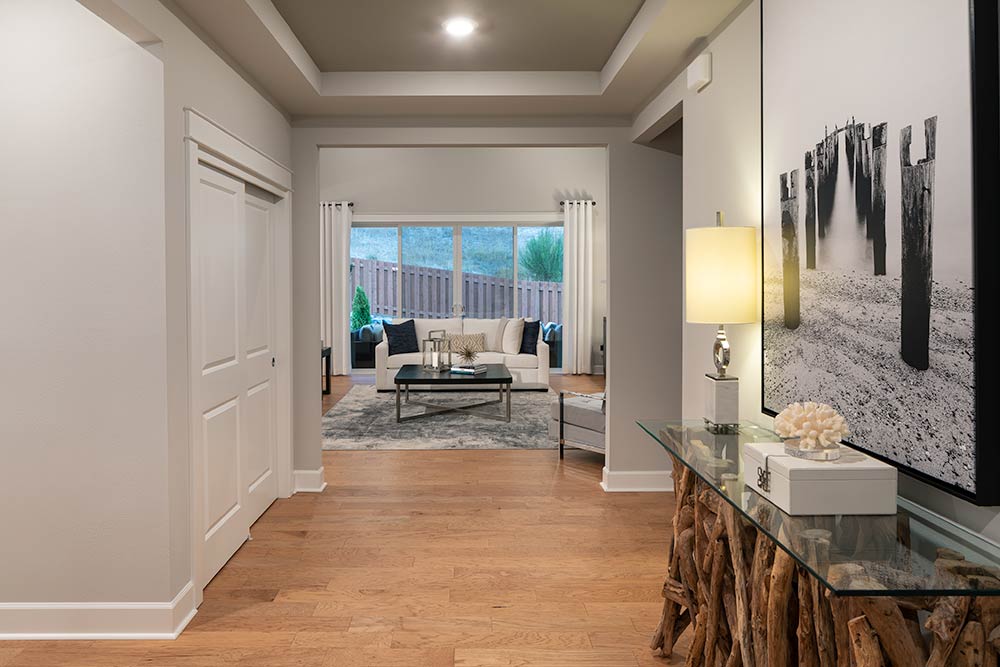
Creating a focal point in a large entryway instantly draws attention and gives the space personality. It helps organize the room visually and makes guests feel welcomed. Think about what catches your eye first when you enter your home—this is your chance to highlight it.
Choosing A Statement Piece
Pick one bold item that stands out, like a large mirror, an artistic chandelier, or a colorful piece of furniture. This item should reflect your style and set the tone for the rest of your home. Keep it simple but striking to avoid overwhelming the space.
Using Color And Texture
Bright colors or rich textures naturally attract attention and add depth to your entryway. Consider a textured rug, a vibrant wall color, or a piece of art with contrasting hues. These elements create visual interest and make your focal point pop.
Lighting To Highlight Features
Good lighting can transform a large entryway and emphasize your focal point. Use spotlights, pendant lights, or wall sconces to draw attention to your chosen centerpiece. Lighting also adds warmth and makes the space feel inviting.
Arranging Furniture Around The Focal Point
Arrange seating or tables so they direct the eye toward your focal piece. For example, place a bench or chairs facing a large mirror or artwork. This not only highlights the feature but also makes the space functional and welcoming.
Adding Personal Touches
Your focal point should tell a story about you. Add meaningful decor items like family photos, travel souvenirs, or handmade crafts around it. These personal touches make your entryway unique and memorable for visitors.
Credit: blog.taylormorrison.com
Utilizing Mirrors For Space
Mirrors can transform a large entryway by adding depth and light. They create an illusion of more space, making your entry feel welcoming rather than overwhelming. Using mirrors strategically can brighten dark corners and reflect your favorite decor, doubling its impact.
Choosing The Right Mirror Size And Shape
Think about the scale of your entryway before picking a mirror. Large mirrors work well in spacious areas, but a cluster of smaller mirrors can add charm and interest too.
Shapes also matter. A round mirror softens sharp angles, while a tall rectangular mirror elongates the space. Matching the mirror style with your overall decor keeps the look cohesive.
Placing Mirrors To Maximize Light
Position mirrors across from windows or light sources to bounce natural light around. This simple trick can make even a dim entryway feel brighter and more inviting.
Consider hanging a mirror behind a light fixture or near lamps to amplify the glow. Have you noticed how your reflection changes throughout the day? This dynamic effect keeps your entryway lively.
Using Mirrors As Functional Art
Mirrors don’t have to be plain; choose designs with decorative frames or unique finishes. They can act as art pieces that reflect your personal style.
Try grouping mirrors with different shapes and frame styles on one wall to create a gallery feel. This adds personality and breaks the monotony of a large blank wall.
Creating A Focal Point With Mirrors
Place a statement mirror above a console table or bench to anchor the space. Adding small decor items like vases or trays below the mirror completes the look.
This setup draws the eye and invites guests in. What small touches can you add around your mirror to make your entryway truly yours?
Layering Textures
Layering textures is a powerful way to bring warmth and depth to a large entryway. It keeps the space from feeling flat or overwhelming by adding visual interest and tactile variety. You can create a welcoming atmosphere simply by combining different materials and finishes.
Mixing Soft And Hard Surfaces
Start by balancing soft textures like rugs or cushions with harder surfaces such as wood or metal furniture. A plush area rug can soften a cold tile floor and invite guests to linger. Pairing that with a sleek wooden bench or a metal coat rack adds contrast and keeps the look grounded.
Think about how these textures feel under your hand or feet. Would you want to touch or walk on them? This sensory check helps create a cozy yet practical entryway.
Using Layered Fabrics For Comfort
Adding layered fabrics like throws, pillows, or curtains can make your entryway feel more inviting. Try combining linen, wool, and cotton for a mix of textures that catch the eye without clashing. These layers also offer flexibility—swap them seasonally to refresh the space.
Ask yourself: Does this fabric add warmth or lightness? Does it complement the other elements in your entryway? Your choices should enhance comfort without crowding the space.
Incorporating Natural Elements
Natural textures such as woven baskets, wooden bowls, or stone accents add authenticity and interest. They bring a grounded, organic vibe that contrasts nicely with polished surfaces. A basket near the door can hold shoes or scarves while adding texture and function.
Consider how natural materials age and change over time. They often gain character and beauty, making your entryway feel lived-in and loved.
Ensuring Cohesion With Adjacent Spaces
Ensuring your large entryway connects smoothly with the rooms around it makes your home feel more inviting and balanced. A seamless transition invites guests to explore further and sets the tone for the entire house. Let’s look at ways you can create harmony between your entryway and adjacent spaces without losing its unique charm.
Match Color Palettes To Create Flow
Using similar or complementary colors in your entryway and nearby rooms helps the spaces feel connected. You don’t have to paint everything the same shade; even small touches like accent walls, trim, or furniture can tie areas together.
Think about the colors in your living room or kitchen and echo those tones in your entryway through rugs, artwork, or cushions. Have you noticed how a consistent color story makes moving from one space to another feel natural?
Choose Furniture Styles That Compliment Each Other
Furniture in your entryway should reflect the style you use next door. If your living room is modern, opt for sleek benches or minimalist console tables rather than ornate pieces.
This doesn’t mean everything needs to be identical, but the vibe should feel intentional and related. Try mixing materials or shapes that appear both in your entryway and adjacent rooms to subtly link them.
Use Lighting To Connect Spaces
Lighting sets the mood and highlights design elements. Pick fixtures or bulbs that create a similar ambiance in your entryway and the spaces nearby.
For example, if your dining room uses warm, soft lighting, avoid harsh or overly bright lights in your entryway. Instead, choose lamps or sconces that provide a welcoming glow and visually guide guests inside.
Maintain Consistent Flooring Or Rugs
Flooring can either break or build a connection between rooms. If you can’t use the same flooring throughout, add rugs in the entryway that complement the floors in adjacent spaces.
Rugs with colors or patterns that echo those in nearby rooms help unify your home’s look. Ask yourself if the transition from one floor to another feels smooth or jarring.
Coordinate Decorative Elements And Art
Art and decor can be powerful tools for creating cohesion. Choose pieces in your entryway that share themes, colors, or styles with those in the next room.
For instance, if your adjacent room has coastal artwork, add a small shell sculpture or ocean-inspired print to your entryway. These subtle nods encourage your eyes to move fluidly between spaces.
Frequently Asked Questions
How Can I Make A Large Entryway Feel Cozy?
Use warm colors, soft rugs, and layered lighting. Add comfortable seating and personal décor to create a welcoming space. Balance openness with cozy elements like plants and artwork for a homely vibe.
What Furniture Suits A Spacious Entryway Best?
Choose functional furniture like benches, console tables, or storage units. Opt for pieces that complement the space without overcrowding. Ensure furniture is proportionate to the entryway size for balanced aesthetics.
How Do I Decorate A Large Entryway On A Budget?
Use DIY art, thrifted furniture, and inexpensive decor. Paint walls with neutral or warm tones. Incorporate greenery and mirrors for style and light without overspending.
What Lighting Works Best In A Large Entryway?
Layered lighting with chandeliers, sconces, and lamps creates depth. Use dimmable fixtures to adjust brightness. Natural light combined with artificial lighting enhances the spacious feel.
Conclusion
A large entryway offers many chances to show style and function. Use light colors and mirrors to open the space. Add furniture that fits the size and keeps things neat. Plants and art bring life and personality. Keep the area simple but inviting.
Your entryway can welcome guests warmly and set the tone for your home. Try these ideas to create a space you enjoy every day. Small changes can make a big difference. Start decorating today and watch your entryway shine.