
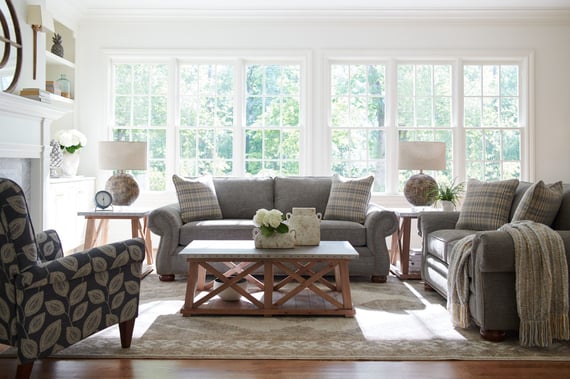
Your living room is where comfort meets style, but mixing and matching furniture can feel tricky. You want a space that looks great and feels inviting, without the stress of making everything match perfectly.
What if you could create a room that reflects your personality and makes you smile every time you walk in? In this guide, you’ll discover simple tips to blend different pieces seamlessly. By the end, you’ll know exactly how to mix and match your living room furniture like a pro—no guesswork, no overwhelm.
Ready to transform your space? Let’s dive in.

Choose A Style Base
Choosing a style base helps create a strong foundation for your living room design. It guides your furniture choices and sets the room’s overall tone. A clear style base makes mixing and matching easier and more pleasing to the eye.
Start with a style that feels right for your space. Then add pieces that fit or complement that style. This approach keeps the room balanced and harmonious.
Identify Your Preferred Style
Think about the styles you like most. Classic, modern, rustic, or bohemian? Look at magazines, websites, or your own home for ideas. Write down key features you enjoy.
Focus on shapes, colors, and materials. Do you like clean lines or detailed carvings? Soft pastels or bold colors? Natural wood or metal? Knowing this helps narrow your choices.
Blend Complementary Styles
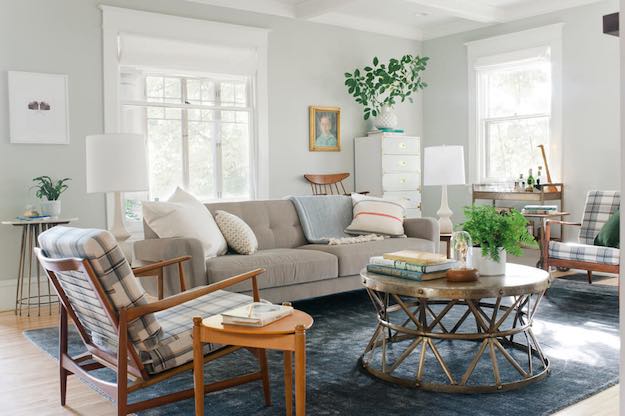
Mixing styles can add interest and personality. Choose styles that share similar elements like color tones or shapes. For example, mid-century modern works well with Scandinavian design.
Use furniture with common colors or materials to tie pieces together. A leather chair with a wooden frame fits well with a fabric sofa in neutral tones. This creates a smooth flow without clashing.
:max_bytes(150000):strip_icc()/collov-home-design-NTaF5rBmlyE-unsplash-8238395a4e304a1eaed13b2da5b3b110.jpg)
Balance Colors And Patterns
Balancing colors and patterns in your living room creates a harmonious and inviting space. Colors set the mood, while patterns add texture and interest. Together, they make the room feel lively without being overwhelming. Finding the right balance keeps your living room visually appealing and cozy.
Select A Cohesive Color Palette
Choose a color palette with three to five colors that work well together. Use one main color for large pieces like sofas or rugs. Add two or three accent colors for smaller furniture and accessories. Stick to shades that complement each other to create a calm and unified look.
Neutral colors like beige, gray, or soft white make a great base. Add pops of color with cushions, throws, or artwork. This approach helps balance bold and subtle tones in the room.
Mix Patterns With Care
Mixing patterns adds depth but needs careful planning. Use different sizes and types of patterns to avoid clashing. For example, pair large floral prints with small stripes or dots.
- Limit your patterns to two or three types.
- Choose patterns that share a common color from your palette.
- Use solid colors to break up busy patterns.
This method keeps your living room stylish and easy on the eyes.
Mix Different Textures
Mixing different textures in your living room furniture adds layers of interest and makes the space feel inviting. Texture influences how a room looks and how it feels when you touch it. Balancing various textures can transform a plain setup into a dynamic, cozy environment that reflects your style.
Combine Soft And Hard Surfaces
Pairing soft and hard surfaces creates a striking contrast that keeps your space balanced. Imagine a smooth leather sofa complemented by a chunky knit throw or plush velvet cushions. The softness invites comfort, while the hard surfaces add structure and durability.
Think about including materials like wood, metal, or glass alongside fabrics. A wooden coffee table next to a cushioned armchair introduces variety without overwhelming the senses. Have you tried mixing a sleek metal lamp with a soft wool rug? These contrasts can give your living room a fresh, well-thought-out look.
Add Depth With Fabrics
Fabrics are your best tool for adding depth and warmth to your living room. Combine different types like linen, velvet, and cotton in pillows, curtains, or upholstery. Each fabric catches light and feels unique, making the room more tactile and interesting.
Don’t be afraid to mix patterns and solids, too. A velvet cushion with a subtle pattern next to a plain linen sofa creates a layered effect that invites you to touch and settle in. What fabric combinations have you found that make your living room feel both stylish and cozy?
Vary Furniture Shapes And Sizes
Varying the shapes and sizes of your living room furniture is key to creating a balanced and dynamic space. It prevents the room from feeling flat or monotonous. By mixing different forms and dimensions, you invite personality and comfort into your home.
Use Contrasting Silhouettes
Try pairing a bulky, square sofa with a sleek, rounded armchair. This contrast highlights each piece and makes the room feel thoughtfully arranged.
Don’t hesitate to mix sharp angles with soft curves. A rectangular coffee table next to a circular ottoman breaks visual monotony and adds a fresh vibe.
Think about the scale too—a low-profile chair beside a tall, narrow bookshelf draws the eye upward and creates a sense of space.
Create Visual Interest
Varying sizes can help you create focal points naturally. Place a large statement piece opposite smaller, complementary items to guide attention.
Use different heights to add layers. A tall floor lamp next to a low sofa creates depth, making the space feel inviting and multi-dimensional.
Ask yourself: Is each piece contributing to the room’s balance? Changing shapes and sizes can prevent any one area from dominating the space.
Consider Functionality
Consider functionality first when mixing and matching living room furniture. The space should serve your daily needs with ease. Furniture must support how you use the room. This ensures comfort and practical living.
Match Pieces To Room Use
Choose furniture that fits your living room activities. For family rooms, pick durable and easy-to-clean materials. In entertainment spaces, prioritize seating that faces the TV. For reading corners, add cozy chairs with good lighting. Each piece should match the room’s main purpose.
Prioritize Comfort And Flow
Comfort matters most in living room design. Select sofas and chairs that feel good to sit on. Arrange furniture to allow easy movement around the room. Avoid blocking pathways with bulky pieces. A smooth flow makes the space welcoming and relaxing.
Anchor With A Statement Piece
Choosing a statement piece to anchor your living room furniture mix is key to creating a balanced and inviting space. This bold item sets the tone and draws the eye, giving your room a clear point of interest. Without it, the furniture arrangement can feel scattered and lack purpose.
Choose A Focal Point
Pick one striking piece that captures attention immediately. It could be a vibrant sofa, a unique coffee table, or an eye-catching armchair. This item acts like a magnet, pulling together different styles and colors into a cohesive whole.
Think about what you want people to notice first when they enter your room. Is it the comfort of a plush couch or the artistic flair of a sculptural chair? Your choice will influence how the rest of the furniture fits around it.
Coordinate Supporting Items
Once you have your statement piece, select other furniture to complement it without competing for attention. Use similar tones, textures, or shapes to create harmony. For example, if your statement sofa is deep blue velvet, add cushions or rugs with hints of blue or similar soft textures.
- Balance boldness with subtlety—supporting pieces should enhance, not overshadow.
- Mix different materials like wood, metal, or glass for interest but keep the color palette consistent.
- Don’t hesitate to include neutral items to give the eye a rest and highlight your statement piece.
Ask yourself: Does each piece help the statement item stand out or does it compete? Your living room will feel more intentional and comfortable when everything works together around one clear anchor.
Use Accessories To Tie It Together
Accessories play a crucial role in bringing your living room furniture together. They create harmony between different pieces, making the space feel cohesive and intentional. Without the right accessories, even the best furniture combinations can appear disconnected or unfinished.
Incorporate Rugs And Cushions
Rugs and cushions are powerful tools to unify your living room. A rug can anchor your furniture arrangement by providing a common color or pattern that ties everything together.
Choose cushions that echo the colors or textures of your furniture. Mixing patterns on cushions can add interest but keep the color palette consistent to avoid visual chaos.
Think about how a soft, plush rug under your coffee table can soften hard surfaces and invite you to relax. Have you noticed how cushions can instantly change the vibe of a sofa? Experiment with different textures and fabrics to find what feels right for your space.
Add Art And Lighting
Art and lighting finish the look and enhance the mood of your living room. A well-chosen piece of art can reflect your personality and provide a focal point that brings all the furniture styles into conversation.
Lighting is more than just functionality—it sets the tone. Use a mix of floor lamps, table lamps, and overhead lights to create layers that highlight different areas and create warmth.
Consider how a statement lamp can complement a modern sofa or how soft wall sconces can balance a rustic armchair. What kind of ambiance do you want your living room to have? Your choices in art and lighting can answer that.
Test And Adjust Arrangements
Testing and adjusting your living room furniture arrangement helps create a space that feels right. This process allows you to see how different pieces work together and fit the room. Move items around to find the best setup for comfort and style. Small changes can make a big difference in the room’s flow and look.
Experiment With Layouts
Try different furniture placements to discover what suits your room best. Push the sofa against a wall or float it in the middle. Arrange chairs to encourage conversation or direct views toward a focal point like a fireplace.
Use rugs or lighting to define areas within the room. Don’t hesitate to shift pieces several times. This hands-on approach reveals what feels natural and practical.
Refine For Balance And Harmony
Balance the room by distributing furniture evenly. Avoid crowding one side while leaving the other empty. Match the size of furniture to the room’s dimensions to keep proportions right.
Pay attention to colors and styles to ensure harmony. Mix textures and shapes thoughtfully to avoid a cluttered look. Adjust spacing to allow easy movement and comfort throughout the living room.
Frequently Asked Questions
How Do I Choose Colors For Mixed Living Room Furniture?
Select a cohesive color palette with 2-3 main colors. Use neutral tones for large pieces and vibrant hues for accents. This balance creates harmony and visual interest. Consider your room’s lighting and existing décor when choosing colors to ensure a unified look.
Can I Mix Different Furniture Styles In One Living Room?
Yes, mixing styles adds character and depth. Combine modern with vintage or rustic with contemporary pieces. Maintain balance by using a consistent color scheme or material to tie the styles together. This approach creates a unique and inviting space.
What Is The Best Way To Arrange Mixed Furniture?
Arrange furniture to promote conversation and flow. Place larger pieces first, then fill gaps with smaller items. Keep pathways clear and consider focal points like a fireplace or TV. Symmetry or deliberate asymmetry can both work well depending on your style.
How Do I Mix Textures In Living Room Furniture?
Mix textures like leather, fabric, wood, and metal for depth. Use soft cushions with hard surfaces for contrast. Layer rugs, throws, and pillows to add warmth. This variety creates a tactile and visually appealing space.
Conclusion
Mixing and matching living room furniture brings style and comfort together. Choose pieces that fit your space and personality. Balance colors, shapes, and textures for a pleasing look. Don’t be afraid to try different combinations. Small touches can create a big impact.
Remember, your living room should feel inviting and personal. Enjoy the process and make it your own. This approach turns any room into a cozy, stylish place to relax.